
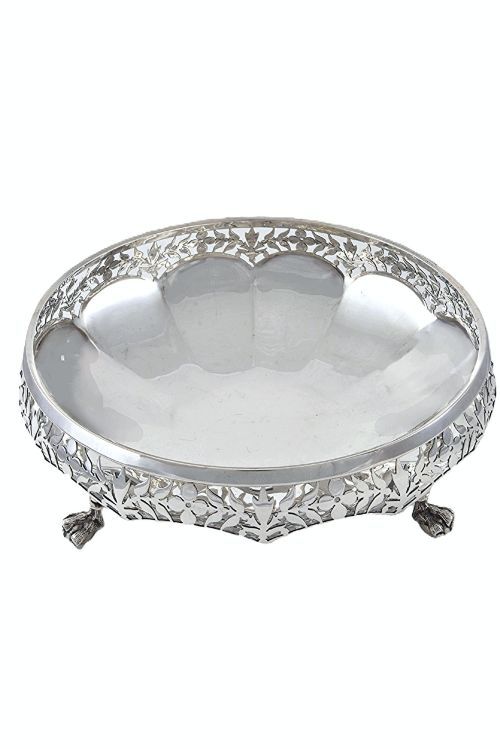


Silver Rose Bowl
These silver rose bowl examples bring domestic floral display into focus, offering distinct periods and forms for the table.
Defining the silver rose bowl
A silver rose bowl functions as a deep vessel specifically shaped for floating or arranging cut roses upon a dining table or sideboard. When you search for a silver rose bowl, you encounter forms ranging from plain pedestal bodies to elaborate twin-handled table centrepieces.
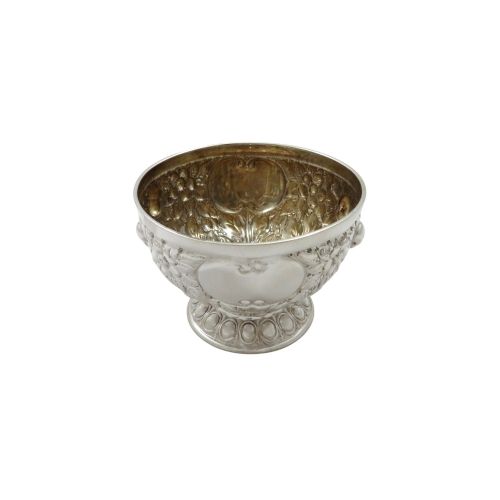
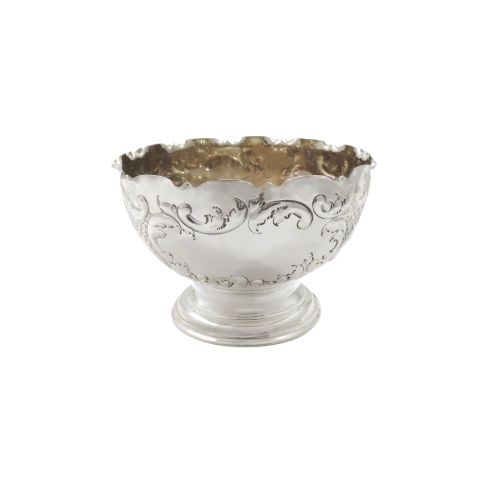
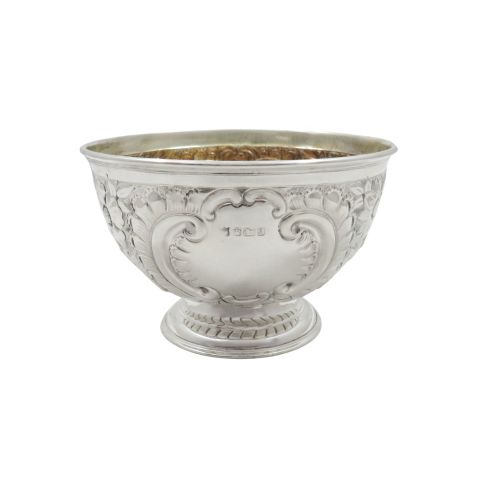
Victorian and Edwardian examples dominate the selection, appearing alongside George V pieces, Arts and Crafts creations, and mid-century items. These bowls frequently arrive with specific decorative treatments, including repoussé floral motifs, embossed scrolls, lion mask handles, and fluted bodies.
Design variations include specialised accessories designed to support blooms. Certain pieces incorporate a flower grill or a frosted glass liner to assist with arrangement.
Judging quality in silver rose bowls
Quality rests in the weight of the metal and the crispness of the hand-worked decoration. Heavier gauges of sterling silver provide a more substantial feel and a resonant ring, whilst lighter pieces flex under pressure.
The precision of the chasing and repoussé work separates standard production from superior craftsmanship. Sharp relief in floral and bird motifs demonstrates superior skill compared to shallow, smoothed stamping.
Retail Price Guide 2026
Typical UK retail prices for silver rose bowl, calculated from the Sellingantiques database of over a million retail prices indexed since 2003. This retail price guide relies exclusively on Sellingantiques data; no external sources or auction records are used, so the figures do not describe the wider market.
Several bowls arrive with fierce lion mask handles, standing guard over gentle arrangements of garden roses and floral garlands.
William Comyns·Mappin and Webb·Thomas Bradbury And Son
The Silver Rose Bowl Glossary
- Repoussé
- A metalworking technique where the artisan hammers the design from the reverse side to create a raised pattern on the front. This method creates tactile floral and scroll decoration.
- Pedestal
- A raised foot or base that elevates the bowl above the tabletop. This form frequently appears on fluted and plain presentation designs.
- Silver Plate
- A base metal coated with a layer of silver. This material offers the appearance of solid silver at a different production level.
- Planished
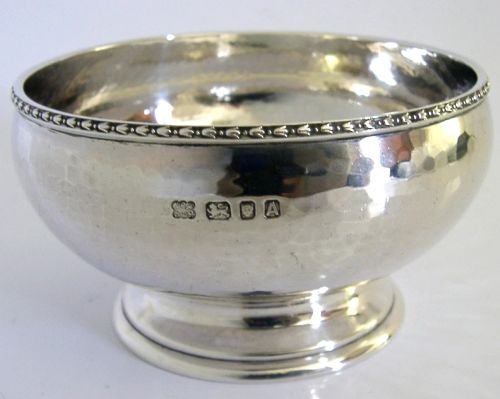
- A surface finish achieved by striking the metal repeatedly with a small hammer, leaving a pattern of smooth, flat facets. Arts and Crafts examples often display this technique.
- Grill
- A removable metal grid placed across the top of the bowl to keep stems in place. It assists in creating structured floral arrangements.
Frequently Asked Questions
What is a silver rose bowl used for?
These bowls serve primarily as display vessels for short-stemmed roses and other garden flowers. They occupy a central position on dining tables or sideboards.
Historically, many also function as presentation pieces or sporting trophies, carrying engraved inscriptions and dates relating to events.
How do I identify a Victorian silver rose bowl?
Victorian examples often display heavy repoussé floral decoration, embossed scrolls, or half fluting around the body. Examining the hallmarks provides the exact year of assay and the maker's mark.
Parks of the late nineteenth century favour deep circular basins, sometimes accompanied by miniature versions or pedestal feet.
What does a flower grill do?
A flower grill acts as a removable wire or pierced metal insert that sits inside the rim of the bowl. It divides the opening into smaller segments.
This grid holds individual rose stems upright, allowing for an even arrangement without the flowers leaning to the sides.
How do I clean a silver rose bowl?
Regular dusting with a soft cloth removes everyday particles. When tarnish accumulates, a specialised silver polish applied gently preserves the underlying engraving.
Avoid abrasive pads that strip away thin plating or soften the crisp details of repoussé decoration.