



Silver Presentation Bowl
A silver presentation bowl marks an achievement, carrying the weight of civic pride or sporting triumph in solid metal.
Silver Presentation Bowl
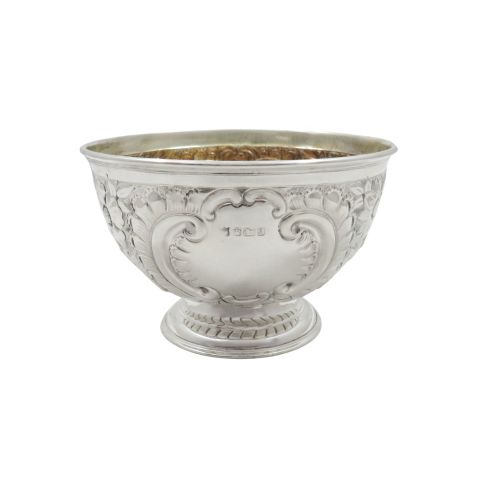
A silver presentation bowl serves as a commemorative vessel, often commissioned for public ceremonies, sporting prizes or institutional milestones. These pieces range from substantial two-handled centrepieces to pedestal footed vessels designed for display.
The material record on this page shows a dominance of sterling silver and silver plate, alongside combinations with oak, ceramic and fitted cases lined in velvet or silk. Victorian and Edwardian examples appear frequently, alongside later twentieth-century iterations.
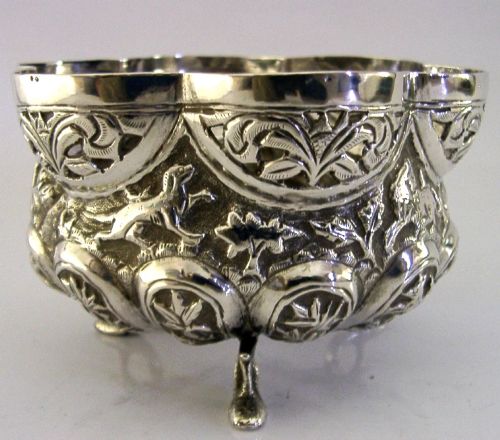
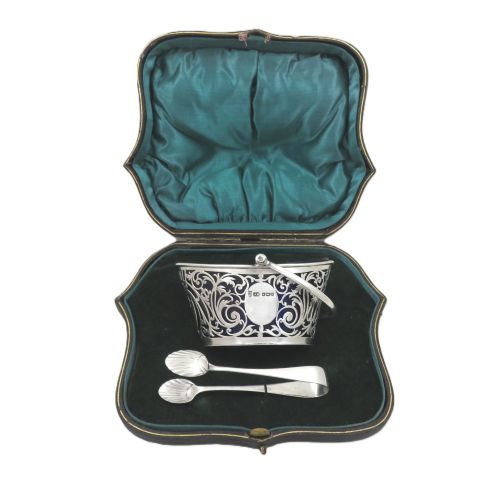
Forms extend beyond standard circular receptacles to include monteith bowls, sugar baskets and brandy vessels, reflecting the varied social occasions that prompted such commissions.
Assessing quality and execution
The calibre of a silver presentation bowl rests upon the heaviness of the gauge and the crispness of the chased or engraved ornament. Substantial metal weight prevents distortion and provides the tactile solidity expected of a prize piece.
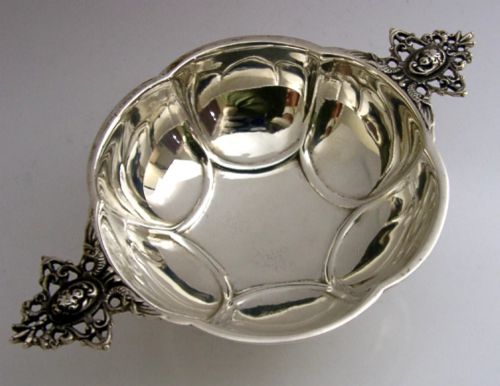
The integration of secondary materials, such as fitted oak mounts or finely cast handles, dictates the overall harmony of the design. Superior examples display clean solder seams, sharp hallmarks and balanced proportions on the pedestal foot.
Silver Presentation Bowl Retail Price Guide 2026
Typical asking prices for silver presentation bowl among the pieces listed under this phrase on Sellingantiques today, from the lower quarter to the upper quarter. They describe what is for sale here now, not the wider market.
One unexpected Edwardian presentation piece takes the form of an oak-mounted lawn bowling plaque.
Stephan Wekeva·Mappin & Webb
The Silver Presentation Bowl Glossary
- Sterling silver
- An alloy containing 92.5 percent silver by mass, with the remainder composed of copper or other metals. This standard guarantees the purity of British and many international silver pieces.
- Silver plate
- A base metal, such as copper or Britannia metal, coated with a thin layer of silver through electroplating or older fusion methods. It offers the appearance of solid silver at a different weight.
- Monteith bowl
- A vessel featuring a scalloped, notched removable rim designed to hold wine glasses by their stems. The rim allowed the bowl to cool glass bodies while keeping feet suspended.
- Silver-gilt
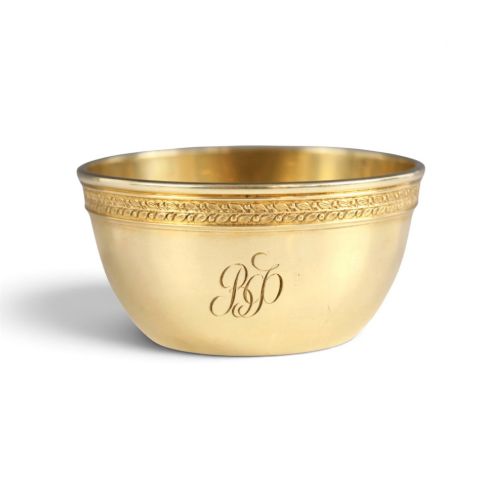
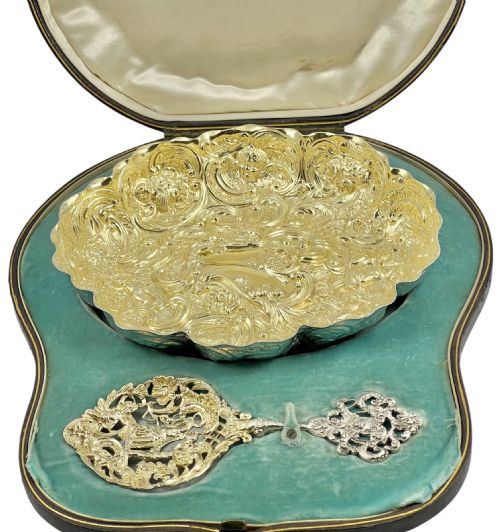
- Silver that has been coated with a thin layer of gold on its interior or exterior surfaces. This technique, also known as vermeil, protects the silver from tarnishing and provides a rich two-tone appearance.
- Presentation case
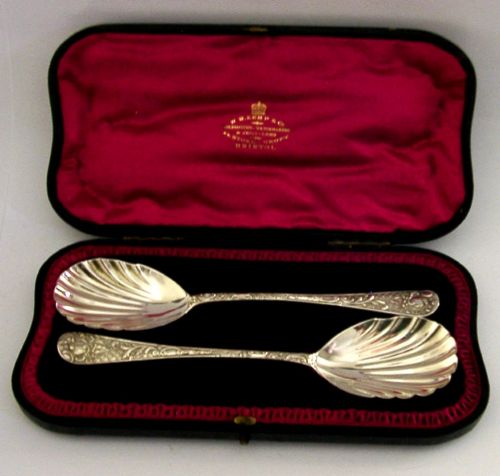
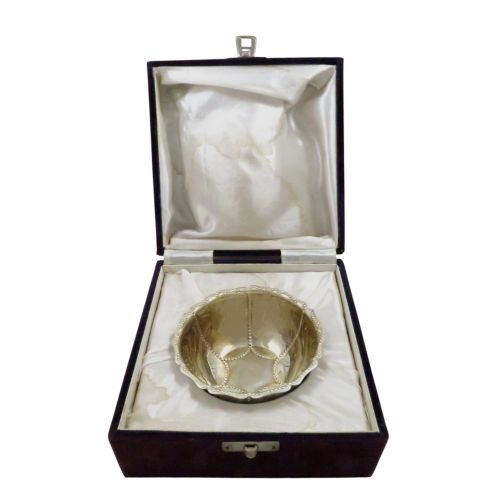
- A fitted box lined with velvet, silk or satin, custom-built to house a specific silver bowl, set of spoons or christening service. These cases preserve the finish of the metal and any accompanying documentation.
Silver Presentation Bowl: Frequently Asked Questions
What is a silver presentation bowl?
A silver presentation bowl is a commemorative vessel given as a prize, retirement gift or civic token, often bearing engraved inscriptions recording the date and recipient.
These pieces were produced in solid sterling silver or silver plate, serving as centrepieces for formal dining or decorative display.
How do I date a silver bowl?
Dating relies upon the hallmarks stamped into the metal, which indicate the assay office, date letter and maker's mark.
Stylistic cues such as Victorian chased floral motifs or Edwardian architectural proportions also help place the piece within a specific decade.
Are presentation bowls safe to use for food?
Solid silver and sterling silver are non-reactive and safe for dry or liquid foods, though silver-gilt interiors provide additional resistance to acidic contents.
Silver-plated items require care to ensure the base metal remains covered and protected from wear.
Why do some bowls come in fitted cases?
Fitted cases lined with velvet, satin or silk were commissioned to protect presentation pieces from tarnish and physical damage during storage or transport.
These boxes often reflect the high status of the original commission and preserve the bowl alongside associated serving spoons.