



British Silver Bowl
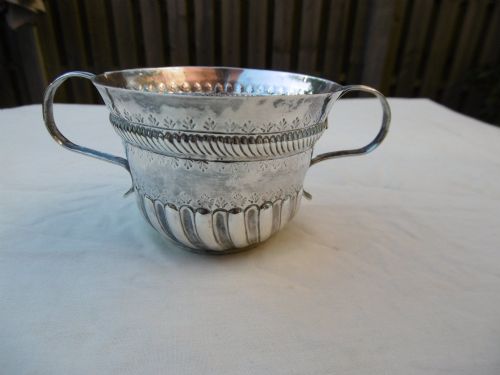
These british silver bowl examples range from heavy 17th century porringers to elegant Edwardian centrepieces, prized for their traditional forms and precious metal weight.
British Silver Bowl
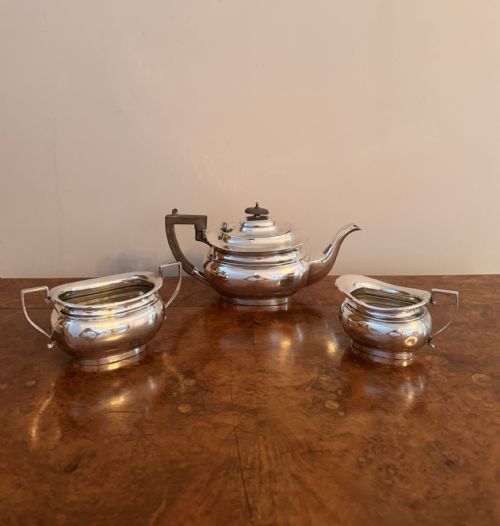
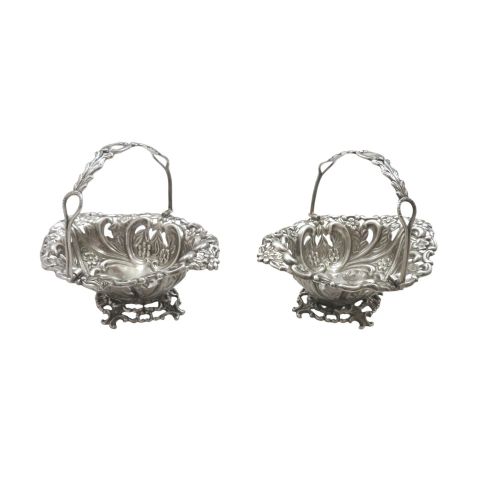
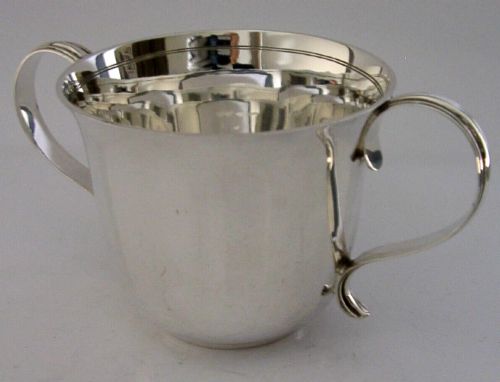
When you search for a british silver bowl, you encounter domestic vessels and serving pieces spanning multiple centuries of craftsmanship. The selection includes everything from early porringers to later sugar baskets and decorative centrepieces.
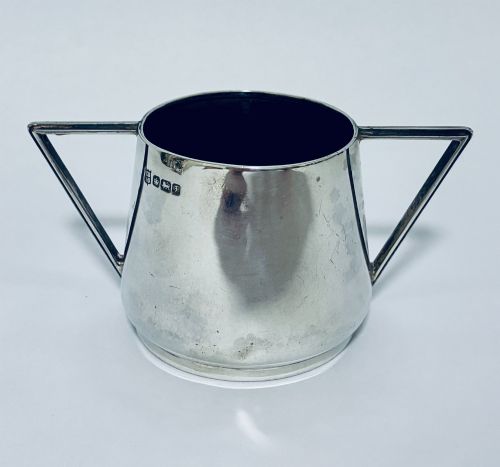
Victorian and Edwardian iterations dominate the selection, often taking the form of open bowls, salts with glass liners, or heavily chased sugar vessels. These pieces reflect the formal dining habits of their respective eras.
Earlier examples from the seventeenth and eighteenth centuries appear occasionally, bringing distinct historical character such as rattail dognose profiles or traditional maker marks. These diverse forms demonstrate the enduring utility of silver in domestic spaces.
How they were made
Sterling silver and silver plate form the primary structural components of these vessels, sometimes paired with auxiliary materials like wood or fitted glass liners. Silversmiths utilised hammering, casting, and hand-raising techniques to shape the metal from flat sheets or ingots.
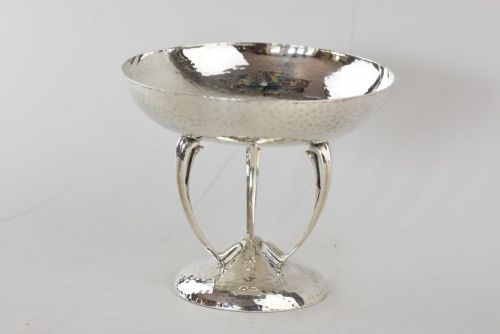
Arts and Crafts examples show visible hand-hammered textures on the surface, highlighting the physical labour of the maker. Later pieces incorporate detailed chased decoration, cast handles, and pierced openwork borders.
British Silver Bowl Retail Price Guide 2026
Typical asking prices for british silver bowl among the pieces listed under this phrase on Sellingantiques today, from the lower quarter to the upper quarter. They describe what is for sale here now, not the wider market.
Amidst the heavy silver tea sets and porringers, an unexpected oil painting of morning glories occasionally slips into the lineup.
What varies in quality
The weight of the silver relative to the vessel size establishes a baseline for substantial quality, as seen in heavier porringers and large centrepieces. Thicker gauge metal resists denting and maintains structural integrity over centuries of use.
Crispness in the hallmarks and the definition of chased or hammered ornamentation distinguish superior silversmithing. Finer pieces display careful attention to proportional balance and secure attachment of handles or feet.
Joseph Rodgers And Sons·Goldsmiths And Silversmiths Company·Mappin And Webb·Viners·Lawrence Coles
The British Silver Bowl Glossary
- Porringer
- A two-handled bowl or cup used historically for porridge or broth. These vessels typically feature symmetrical side handles and substantial weight.
- Tazza
- An ornate shallow cup or bowl mounted on a stem and foot. This form serves decorative functions on dining tables.
- Hallmark
- An official stamp indicating the metal standard, assay office, and date of manufacture. These marks allow precise dating of British silver.
- Caddy spoon
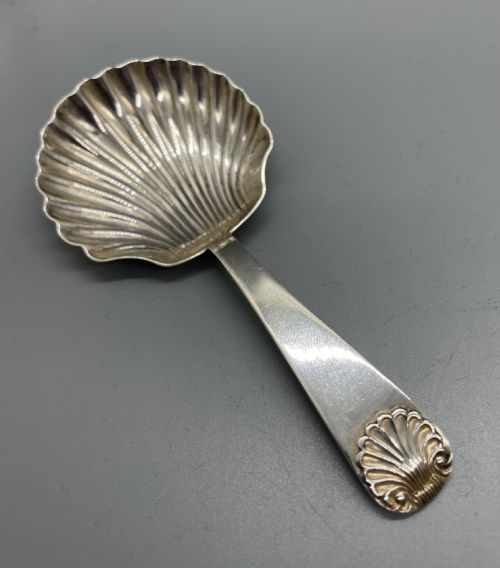
- A small spoon designed for measuring loose tea leaves into a caddy. They frequently accompany tea sets and sugar bowls.
- Chasing
- A metalworking technique where the smith pushes the metal from the front to create raised surface relief. This decorates many Victorian bowls and baskets.
British Silver Bowl: Frequently Asked Questions
How do I clean an antique silver bowl?
Use a soft cloth and a dedicated silver polish designed to remove tarnish gently without wearing down the underlying metal.
Avoid harsh abrasive cleaners or ultrasonic baths that can damage antique surfaces or remove delicate chased details.
What is the difference between sterling and silver plate?
Sterling silver consists of a solid alloy containing a high fixed proportion of pure silver throughout the entire object.
Silver plate involves a thin layer of silver bonded to a base metal substrate, which can wear thin over generations of cleaning.
How can I tell the age of my silver?
Examine the stamped hallmarks on the base or rim, which typically include symbols for the city, the purity, and a date letter.
Reference charts connect these specific letter punches to exact years of assay office testing.
Can I use an antique bowl for food?
Most solid sterling silver vessels remain safe for dry or acidic foods, provided they receive careful hand washing after use.
Pieces with glass liners or silver-plated surfaces require extra attention to ensure the base metal or lining remains intact.