
Vintage Silver Dish
When you handle a vintage silver dish, you hold a tangible piece of domestic history shaped by centuries of decorative craft.
Vintage Silver Dish
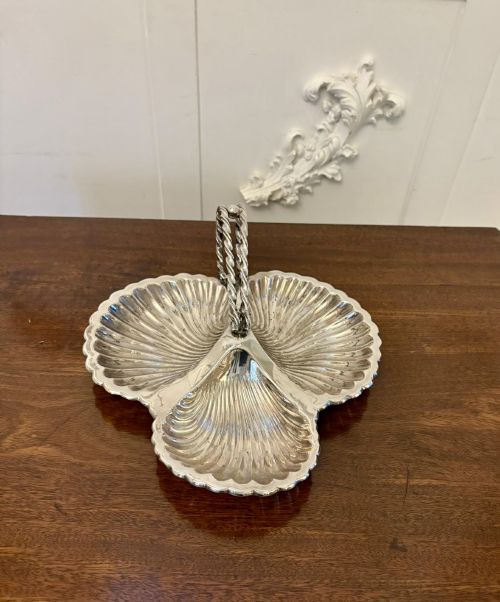
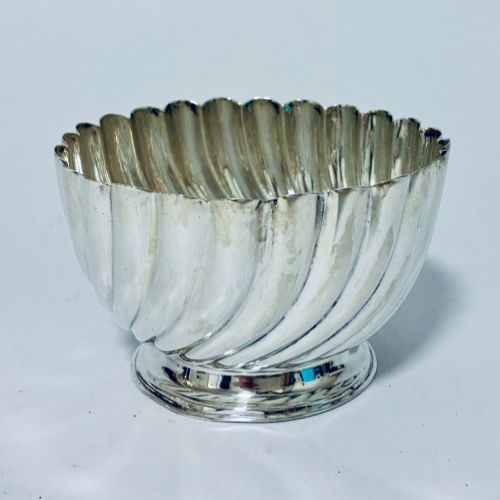
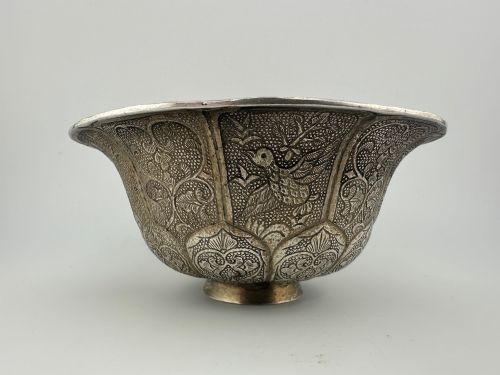
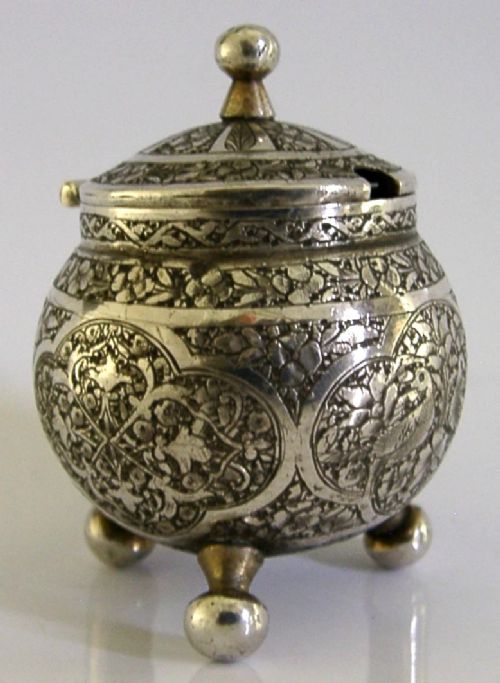
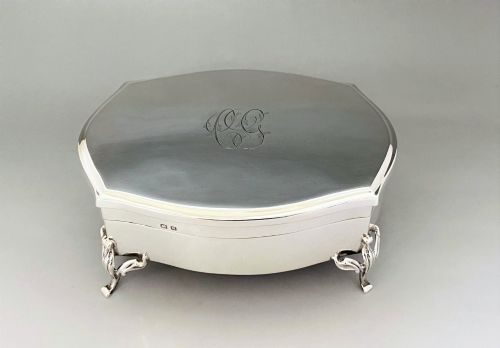
A vintage silver dish encompasses a wide variety of domestic vessels, from small trinket trays and butter dishes to large centrepieces and baskets. You will frequently encounter forms originating from the Victorian, Edwardian, and Art Deco periods alongside Chinese export pieces and mid-century designs.
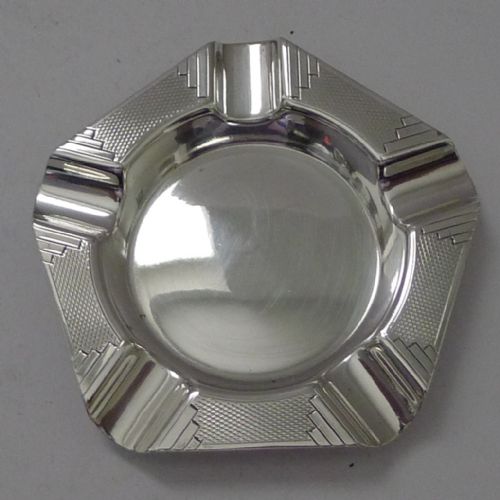
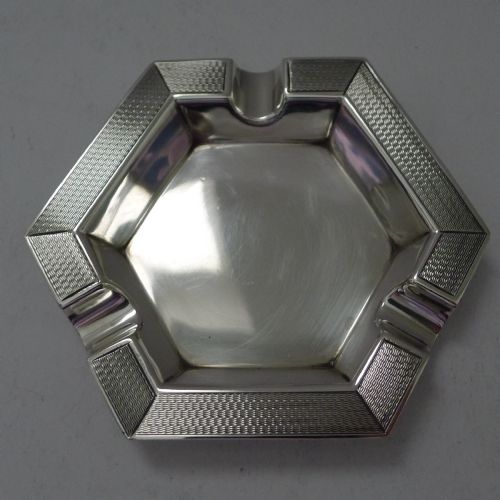
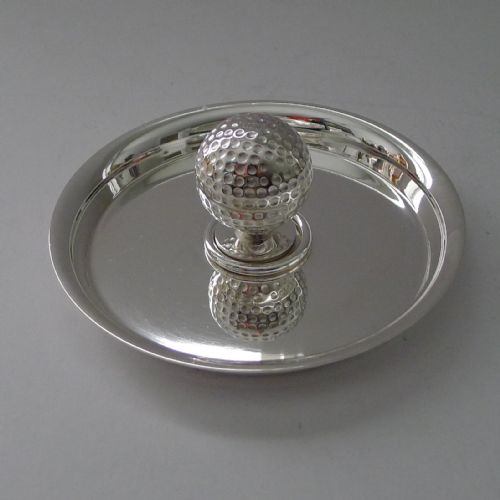
The materials span solid sterling silver, silver plate, EPNS, and old Sheffield plate, often combined with cut glass, crystal, enamel, or ceramic liners. These items served functional roles on dining tables and dressing tables alike, functioning as everything from ash trays and salt cellars to bon-bon dishes.
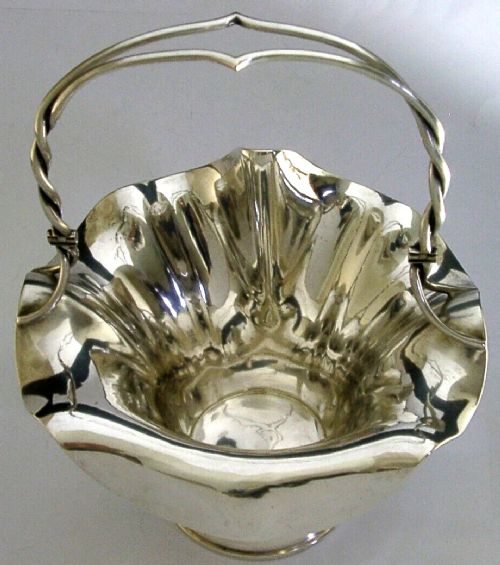
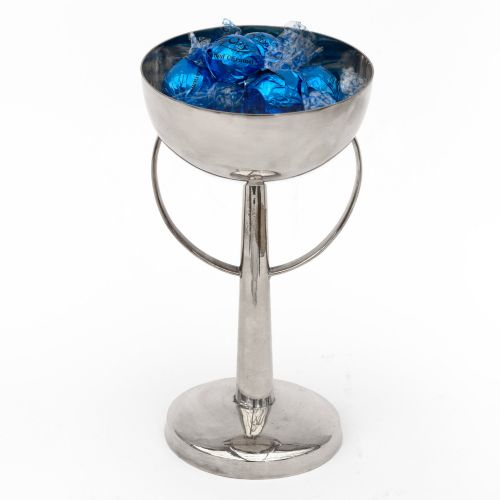
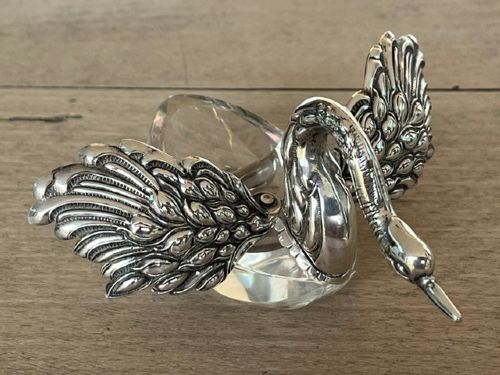
On this page, you will meet pieces ranging from heavy cast table boxes and handled baskets to novelty items shaped like rowing boats, swans, and horse heads. Each object carries the distinct stylistic markers of its era, whether that is foliate chasing, geometric Art Deco lines, or hammered Arts and Crafts surfaces.
How They Were Made
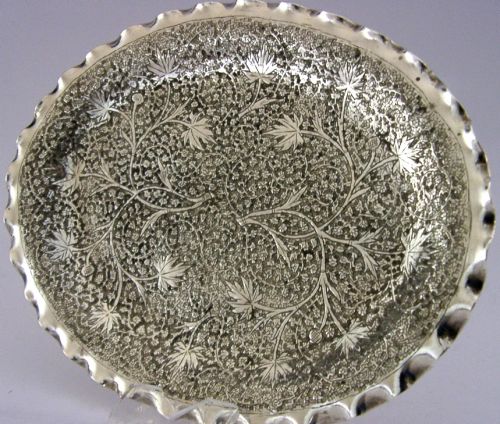
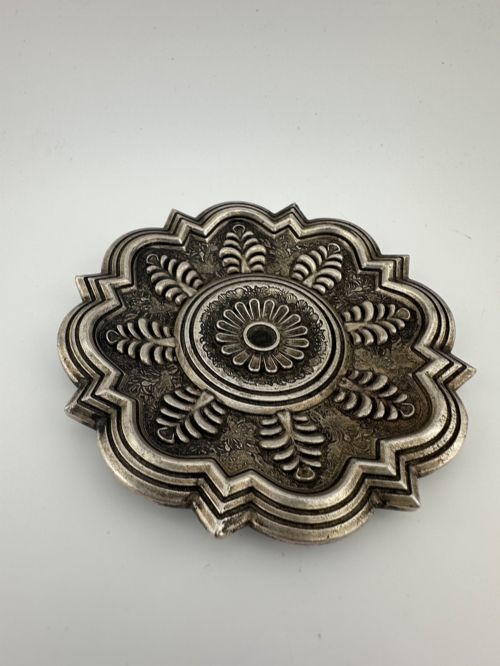
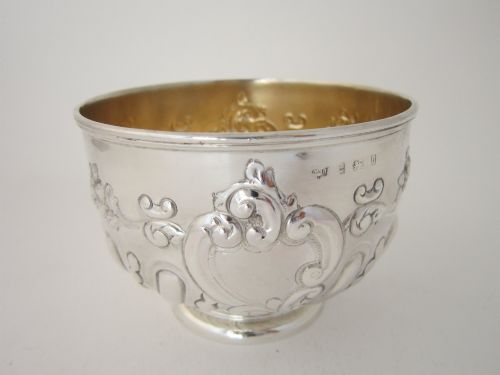
Makers utilised traditional silversmithing techniques such as piercing, hammering, repoussé, and chasing to form and decorate vessels from solid sterling silver or silver plate over a base metal. Planished surfaces and cast details, including castle tops and floral rims, show the careful hand of makers working across workshops in Britain and internationally.
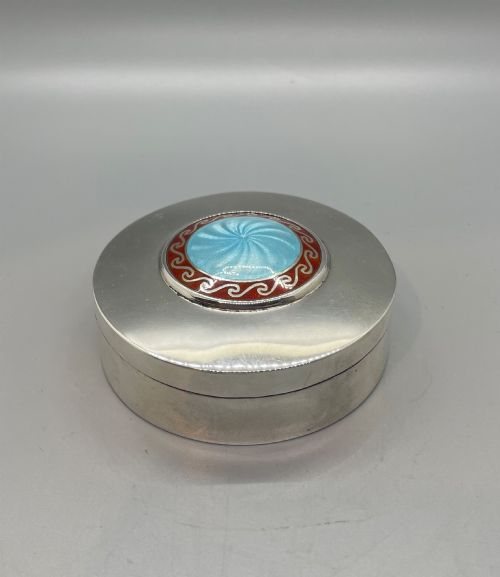
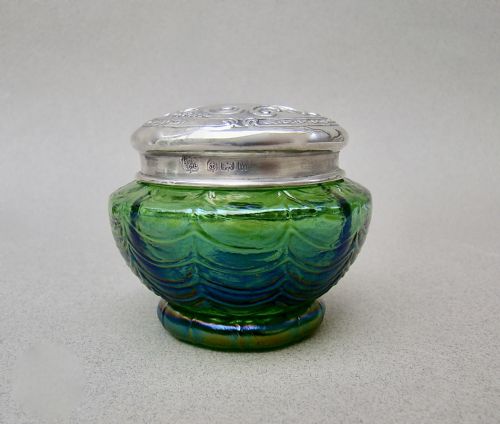
Many examples incorporate contrasting materials, pairing silver frames or mounts with cut glass, satin glass, Kralik glass, or enamel details. Construction methods range from soldered joints on structured baskets and condiment stands to fitted movable parts on novelty dishes and divided cellars.
The object forms range from butter dishes, baskets, and table boxes to novelty swans, rowing boats, and horse head vide poche dishes.
What Varies in Quality
The calibre of a piece rests heavily on the crispness of its surface ornamentation, whether seen in the deep relief of foliate chasing or the clean geometric symmetry of Art Deco forms. Substantial weight and balanced proportions distinguish robust domestic items from lighter, purely decorative wares.
Excellence also shows in the integration of mixed materials, such as clear, unblemished cut glass liners fitting snugly into pierced or solid frames without movement. Maker attribution and clear hallmarks add a layer of distinction, pointing to established firms and identifiable workshops.
A. J. Pepper & Co·Walker & Hall·William Neale·A. Bromet & Co·Georg Jensen·Goldsmiths and Silversmiths Company·Roberts Cadman·Barnards·Mappin & Webb·WMF·J. Gloster Ltd
The Vintage Silver Dish Glossary
- Sterling silver
- A silver alloy containing 92.5 percent pure silver and 7.5 percent other metals, usually copper, chosen for durability in tableware. This standard has been used for centuries across British silversmithing.
- Silver plate
- A base metal, such as copper or nickel brass, coated with a thin layer of pure silver. Techniques like old Sheffield plate fused silver to copper before rolling.
- Repoussé
- A metalworking technique where the metal is hammered from the reverse side to form a raised design in relief. It often appears alongside chasing on decorative bowls and baskets.
- Quaich
- A traditional shallow two-handled drinking vessel of Scottish origin. These drinking bowls were frequently rendered in sterling silver during the George V period.
- Vide poche
- A small tray or dish designed to empty pockets of loose items upon entering a room. French makers often produced these in novelty forms during the mid-century.
- Tazza
- An ornate cup or trophy raised on a high foot and saucer-like base. Arts and Crafts silversmiths frequently hammered these vessels by hand.
Vintage Silver Dish: Frequently Asked Questions
What is a vintage silver dish used for?
These vessels originally served specific domestic functions at the dining table, on dressing tables, or in hallways. They held items such as butter, bon-bons, condiments, visiting cards, or pocket trinkets.
Today, they adapt easily to modern interiors for holding small accessories or serving small dry foods. Their varied forms mean they function equally well as standalone display pieces.
How can I tell the period of a silver dish?
British pieces often carry hallmarks that include date letters, city marks, and maker's marks which allow precise dating. Stylistic clues also point to eras, such as geometric lines for Art Deco or floral repoussé for Edwardian items.
Foreign pieces rely on regional marks, stamps like Chinese export white metal, or distinct design characteristics tied to mid-century modern aesthetics.
How do I care for a vintage silver dish?
Regular, gentle cleaning with a specialised silver cloth or mild polish removes tarnish without harming the metal surface. Avoid harsh abrasive cleaners that can wear away silver plating or damage delicate chasing.
For pieces combined with glass, crystal, or enamel, keep moisture away from mounts and liners during cleaning. Store them in dry environments away from direct sunlight to preserve the finish.