
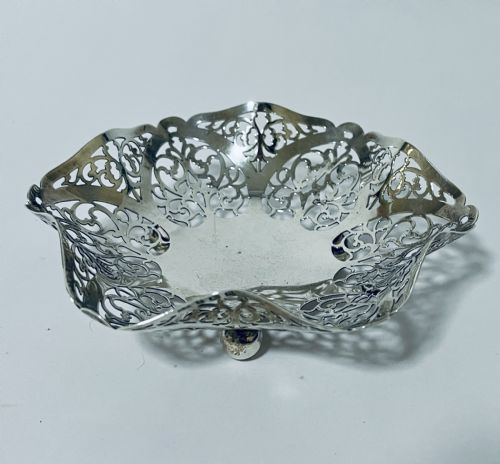


Silver Candy Bowl
These silver candy bowl pieces are decorative tabletop vessels for sweets, offering period craftsmanship from the Victorian era to the Art Deco decades.
Silver Candy Bowl
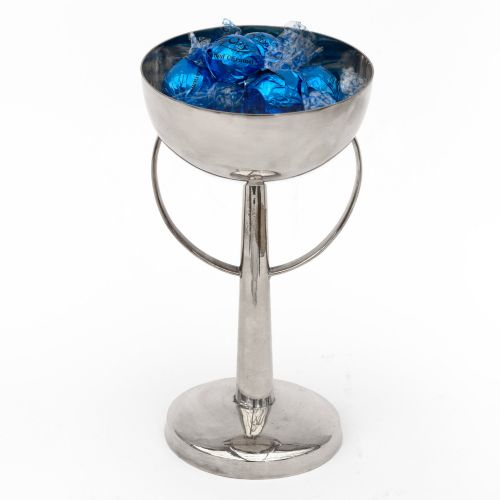
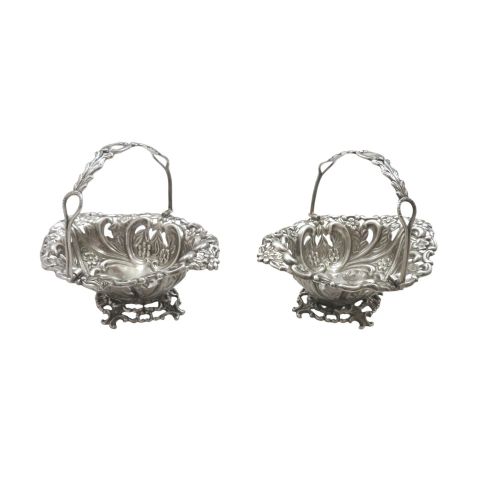
A silver candy bowl covers various forms of decorative dishes, bonbon dishes, baskets, and serving vessels designed for the table. When browsing this selection, buyers encounter items designated as bonbon dishes, decorative baskets, and nut dishes originating across multiple periods.
Origins span from the mid-nineteenth century Victorian period through to the nineteen-thirties, incorporating diverse utilitarian tableware adapted for sweets and confectioneries.
Materials and construction methods
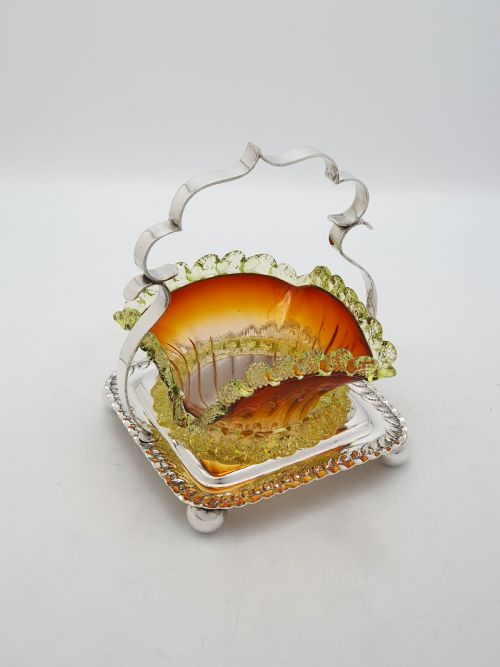
Makers utilised sterling silver and silver plate as the primary metallic foundations, often combining metalwork with glass components such as amber glass, pink opaque glass, and cut crystal. This pairing of glass and metal creates contrast within the decorative dishes.
Stylistic execution relies heavily on the organic forms of Art Nouveau and the geometric lines of the Art Deco era, alongside traditional Victorian craftsmanship.
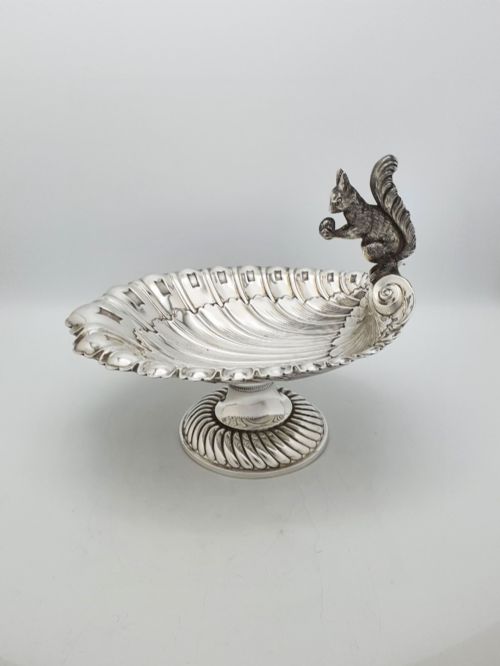
One inquisitive squirrel contributes to the charm of the nut dish selection.
Assessing quality in silver candy bowl examples
Quality separates through the weight of the metal and the clarity of the glass inserts, whether dealing with cut crystal or coloured glass. Superior examples exhibit refined detailing in cast or pierced metalwork.
The integrity of the partnership between glass vessels and their metal mounts distinguishes standard production items from more substantial serving dishes.
WMF·Mappin & Webb
The Silver Candy Bowl Glossary
- Bonbon dish
- A small tabletop bowl specifically designed for holding sweets, bonbons, or nuts. These pieces frequently feature pierced metalwork or swing handles.
- Sterling silver
- A silver alloy containing 92.5 percent pure silver by mass, standard for high-grade British and international tableware.
- Silver plate
- A layer of silver applied to a base metal core, commonly utilised in domestic tableware production during the nineteenth and twentieth centuries.
- Art Nouveau
- A decorative art style prevalent around nineteen hundred, characterised by flowing, organic lines and natural motifs.
- Art Deco
- A design style emerging in the nineteen-twenties featuring geometric symmetry, streamlined shapes, and modernism.
Silver Candy Bowl: Frequently Asked Questions
What were silver candy bowls used for?
These vessels served primarily as decorative tableware for presenting small confectioneries, bonbons, or nuts during formal dining and drawing-room gatherings.
Their open basket forms and shallow bowl designs allowed guests to help themselves easily to sweets placed upon the table or sideboard.
How do I date an antique candy bowl?
Dating relies on stylistic markers such as the flowing organic curves of Art Nouveau or the sharp geometric lines of Art Deco design periods.
Assessing the materials, including amber glass inserts or cut crystal, alongside any stamped maker marks or assay office locations helps narrow the decade.
Are these bowls made of solid silver?
The inventory encompasses both sterling silver items and silver plated pieces utilising a base metal core beneath a layer of silver.
Descriptions specify the material composition, distinguishing solid sterling pieces from plated wares and those incorporating glass elements.
How do I care for silver and glass dishes?
Maintenance involves gentle cleaning with appropriate silver polish to preserve the metallic finish without removing the plating or harming any integrated glass components.
Removable glass liners such as cut crystal or coloured glass benefit from careful hand washing separate from the metal frames.