

1960s Sterling Silver
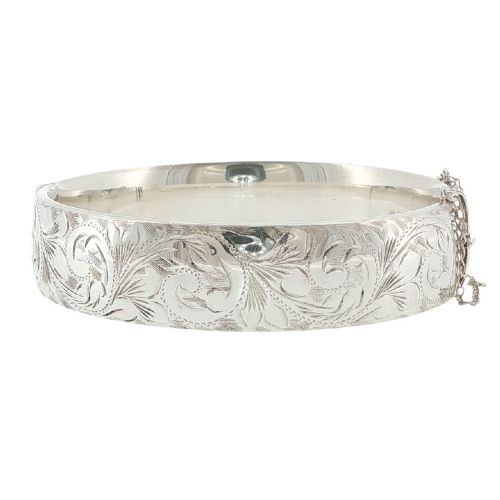
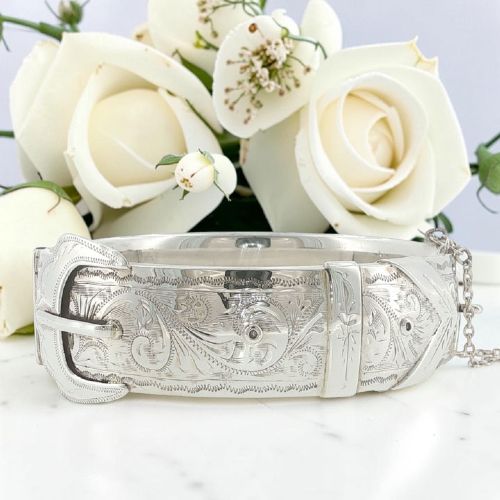
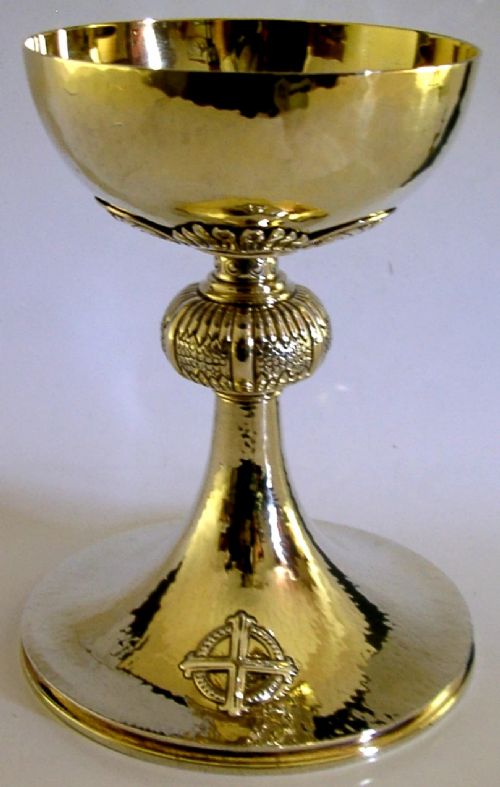
These 1960s sterling silver pieces range from candlesticks and grape scissors to modernist jewellery, offering solid metal craftsmanship for daily use and collection.
What 1960s sterling silver pieces are
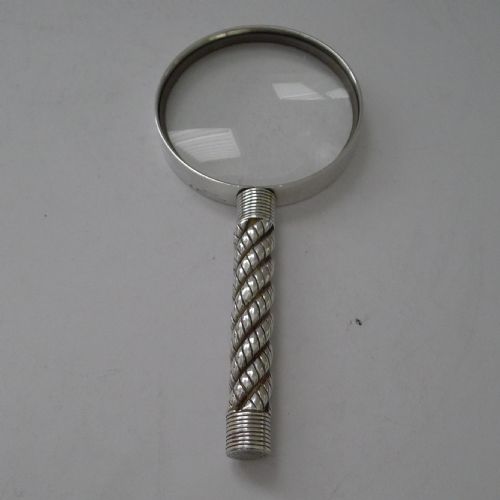
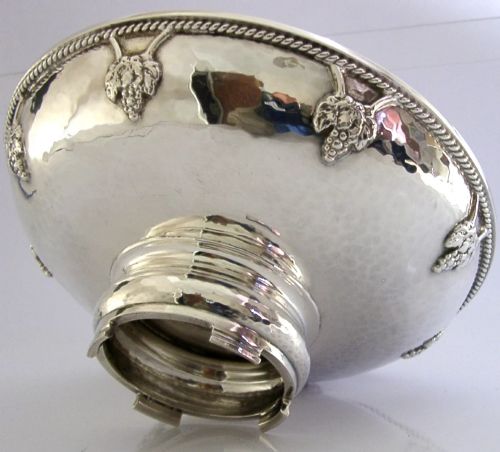
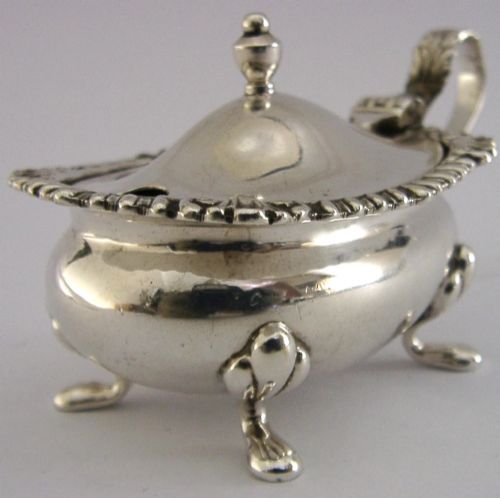
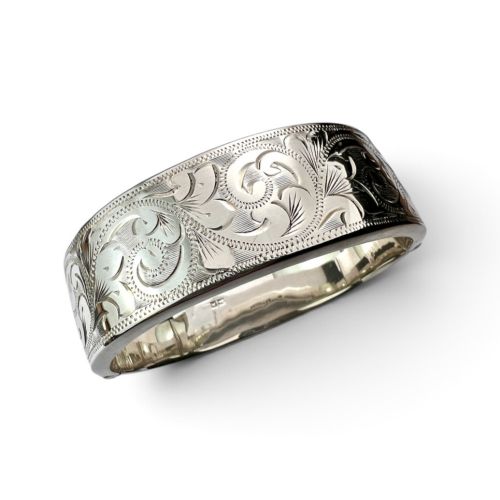
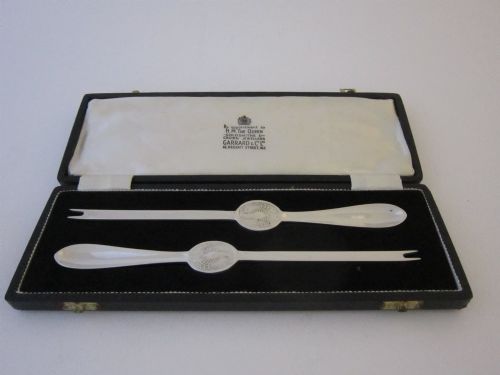
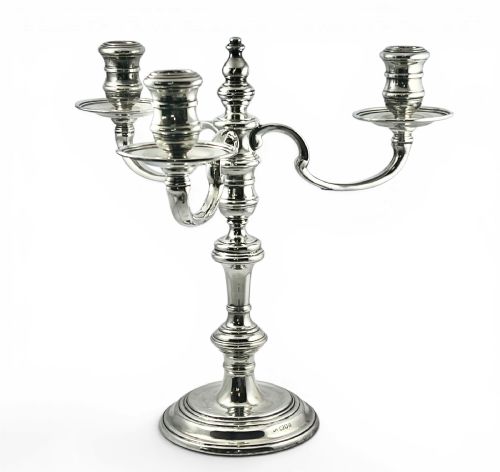
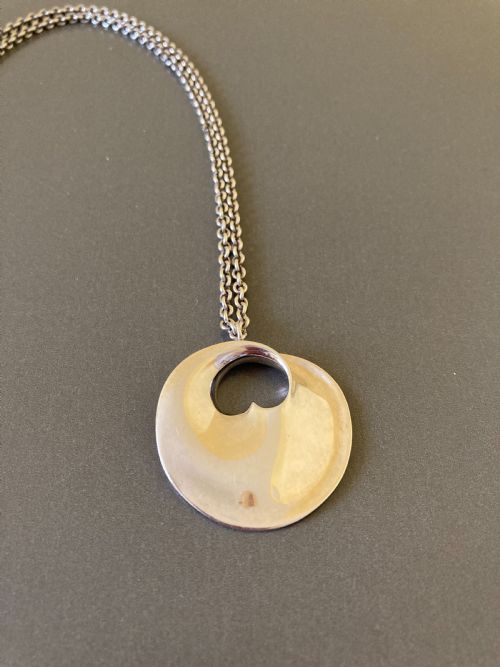
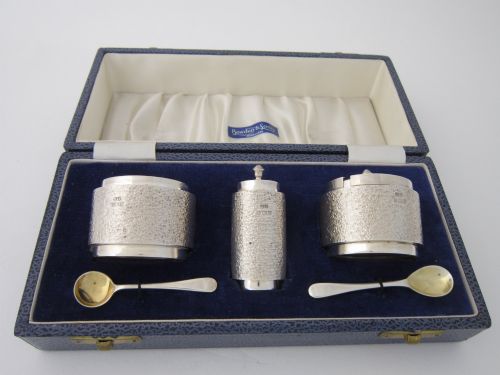
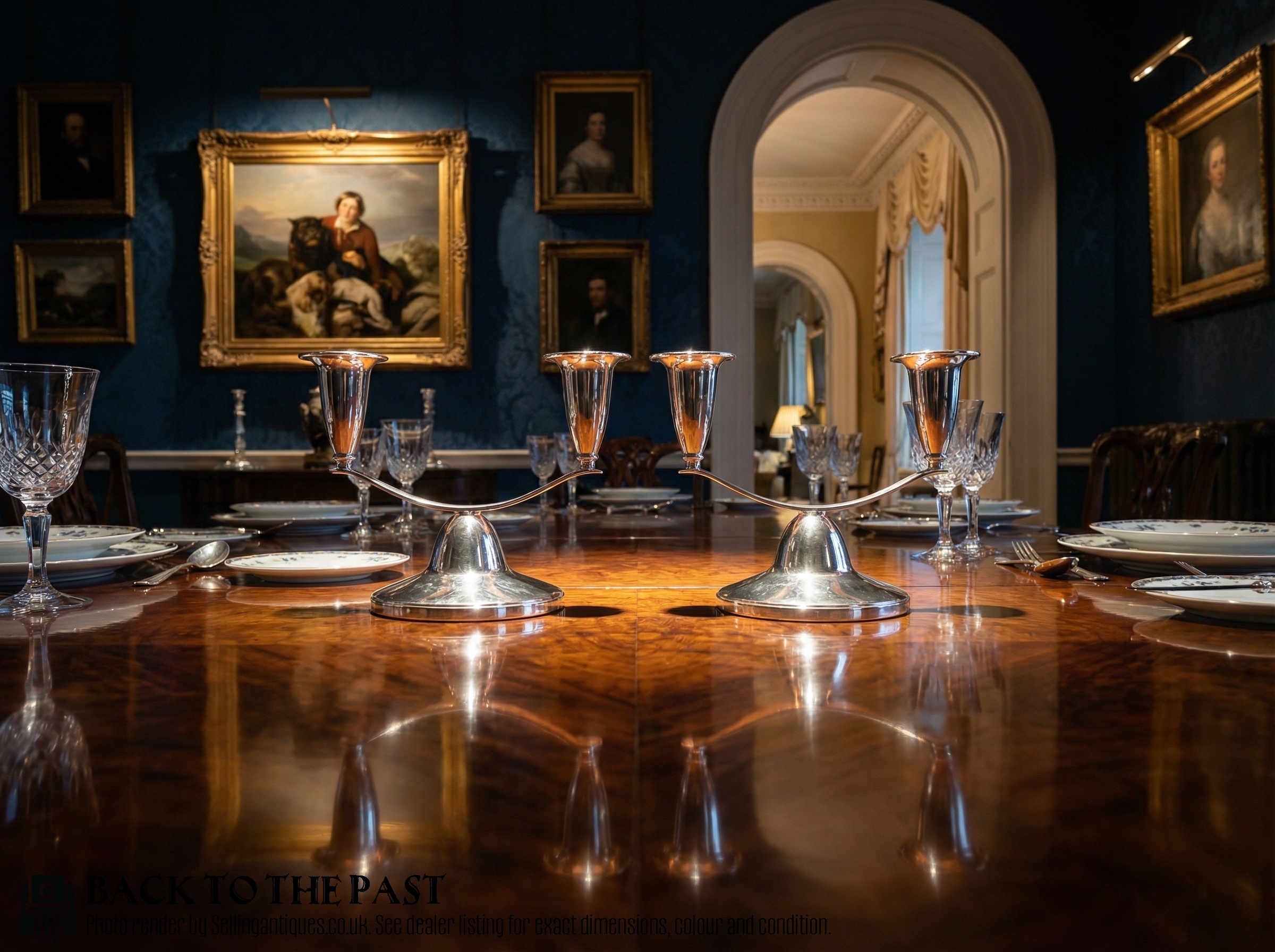
When you search for 1960s sterling silver, you encounter a mix of domestic tableware, cutlery, and Scandinavian modernist jewellery originating from Britain, Denmark, Norway, and Mexico. The items listed now on this page comprise English hallmarked candlesticks and cast grape scissors, whilst the broader archive includes bracelets, rings, bangles, dishes, and forks.
The dominant aesthetic across these objects bridges traditional English silversmithing, seen in Victorian Revival forms, and Scandinavian Mid-Century Modern design. You find both the heavy, traditional output of Birmingham and Sheffield workshops and the clean, polished lines of Northern European silversmiths.
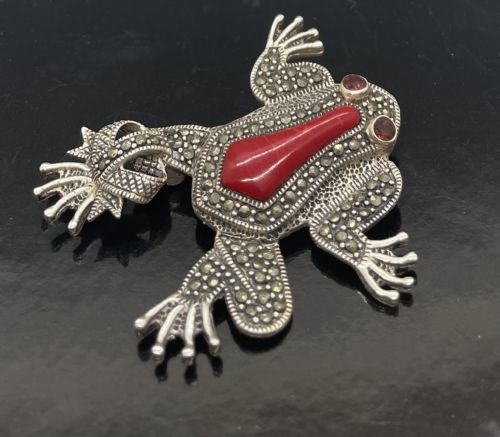
Domestic silver such as candlesticks and grape scissors represents the functional side of the decade's metalwork, designed for dining tables and formal service. Alongside these, wearable pieces incorporate natural stones and coloured enamel to reflect the era's broader decorative shifts.
How they were made
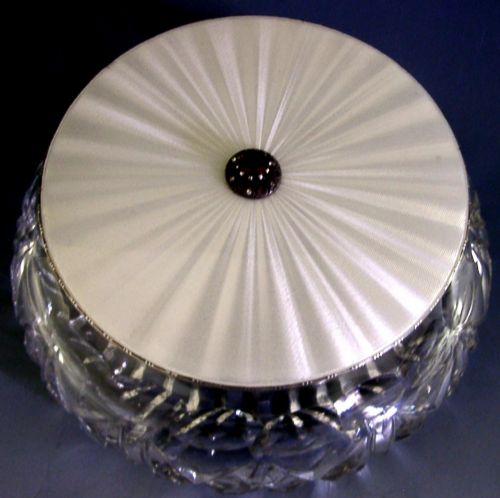
Makers utilised solid sterling silver, often combining the precious metal with decorative elements such as polished onyx, abethyst, abalone shell, and coloured enamel. Techniques include hand-making, casting, and guilloché or flat enamelling applied directly to the silver surfaces.
British pieces rely on traditional methods of casting and hand-working, accompanied by official town and maker hallmarks punched into the metal. Scandinavian and Mexican workshops favoured modernist construction methods, setting stones into bezels or applying translucent enamel over textured silver grounds.
Grape scissors from this era ensured nobody had to touch fruit with their bare fingers at the dinner table.
What varies in quality
Quality in 1960s sterling silver rests on the crispness of the maker's stamp, the weight of the metal, and the precision of any applied enamel or stone setting. Heavier cast pieces and documented works by known designers command attention for their structural integrity and design ambition.
The finish of the silver and the condition of supplementary materials like enamel or shell dictate the piece's preservation state. Superior examples maintain intact hallmarks, clean solder joints, and unblemished stones that show little sign of heavy historical polish wear.
ELKINGTON AND COMPANY·C.J. VANDER·N E From·EGON LAURIDSEN·MEKA·Arne Johansen·DAVID ANDERSEN
The 1960s Sterling Silver Glossary
- Sterling silver
- An alloy containing 92.5 percent silver by mass, with the remainder consisting of copper or other metals to improve durability. This standard is denoted by specific hallmarks on British items.
- Hallmark
- An official mark stamped onto precious metals in Britain to indicate the standard of purity, the assay office, and the year of production. These stamps provide precise dating for English pieces.
- Mid-Century Modern
- A stylistic movement spanning the middle decades of the twentieth century, characterised by clean lines, organic shapes, and a rejection of unnecessary ornamentation. This style is particularly prominent in Scandinavian silver jewellery.
- Cast silver
- Metal that has been poured into a mould to form a specific shape rather than beaten or hammered from a sheet. This technique allows for heavy, sculptural forms such as grape scissors and candlesticks.
Frequently Asked Questions
How do I clean 1960s silver?
Use a soft microfiber cloth and a mild silver polish specifically formulated for sterling silver items. Avoid abrasive pads that can scratch the metal or damage inset enamel and stones.
Take extra care around bezel-set stones and enamel panels, ensuring polish does not build up in the recessed crevices of the design.
Are these pieces marked?
British items feature clear town, standard, and date hallmarks stamped directly into the metal. Scandinavian and Mexican pieces typically carry maker signatures and silver standard stamps on the reverse.
These marks serve as the primary evidence for identifying the origin, workshop, and approximate production period of each object.
How do I date items?
English pieces rely on specific date letters and assay office marks included within the official hallmark sequence. These codes pinpoint the exact year of manufacture.
Items from international makers are dated through stylistic attributes, designer documentation, and standard workshop stamps characteristic of the 1960s period.
Can I use silver daily?
Sterling silver candlesticks and decorative dishes suit regular domestic display and gentle functional use. Cutlery and jewellery require sensible handling to preserve enamelled surfaces and softer set stones.
Store pieces in dry conditions away from direct sunlight to prevent rapid tarnishing and protect organic elements like onyx and abalone shell.