


Silver Cruet Set
A silver cruet set brings order to the dining table, holding condiments with a distinct architectural presence that dates from the Georgian era through to the mid-century.

The Form and Evolution
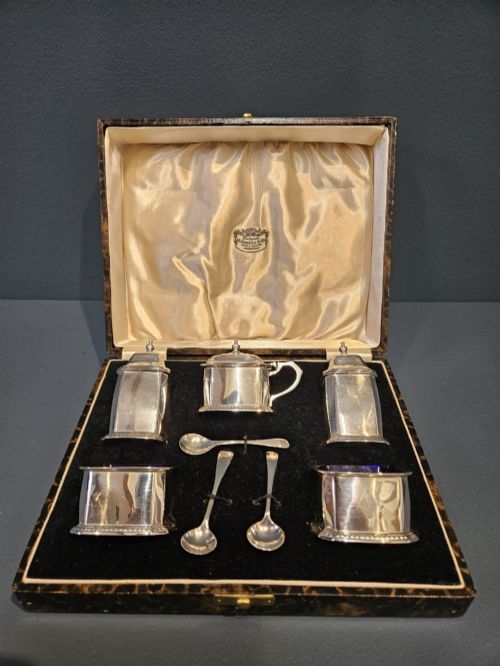
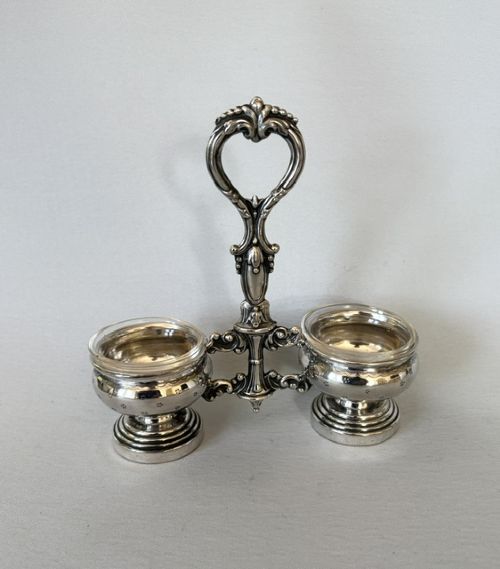
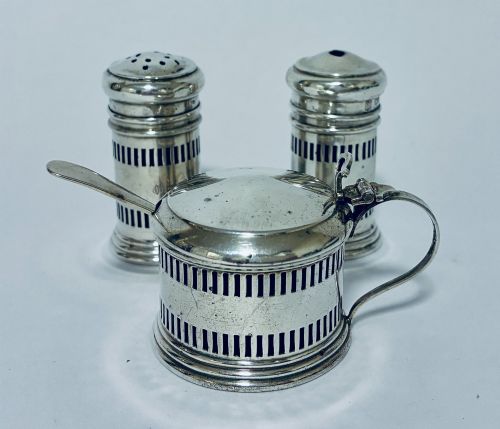
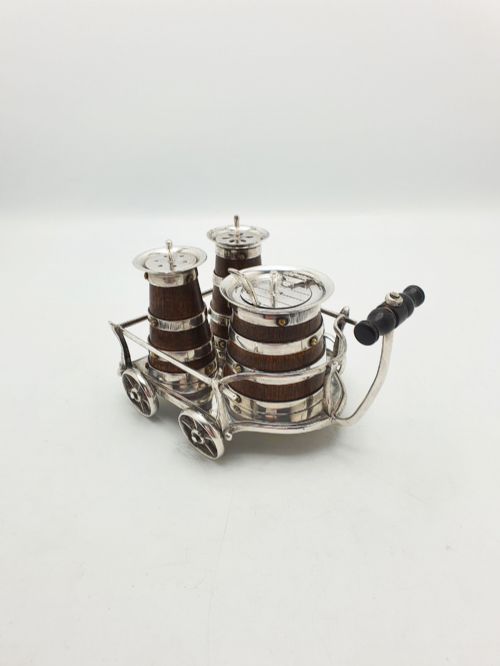
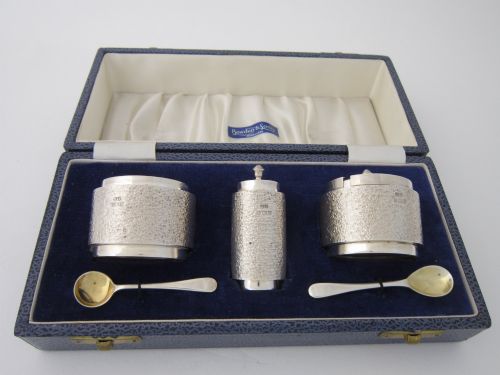
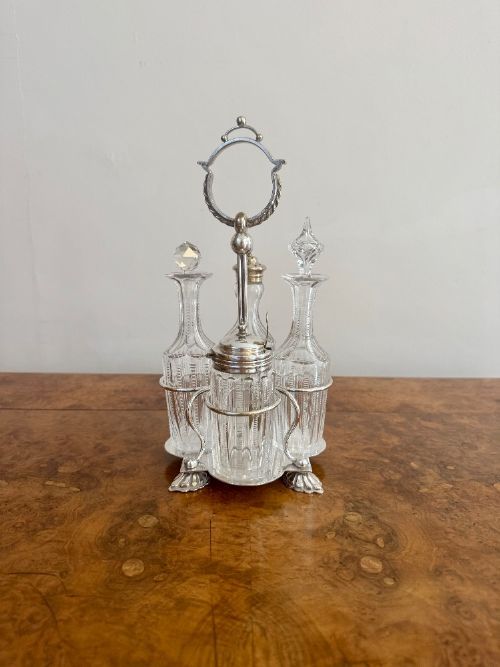
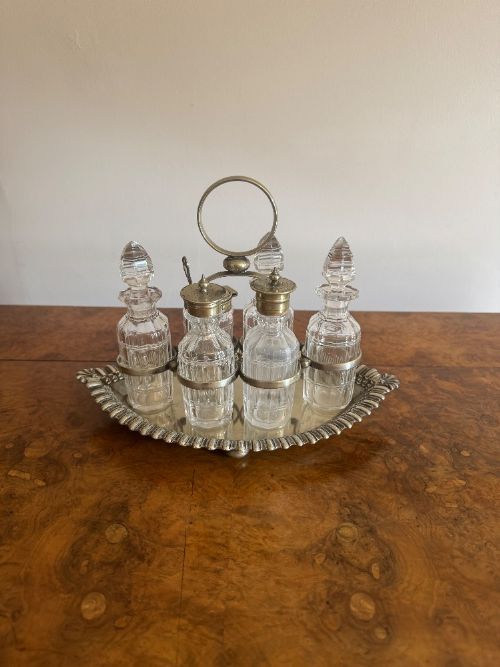
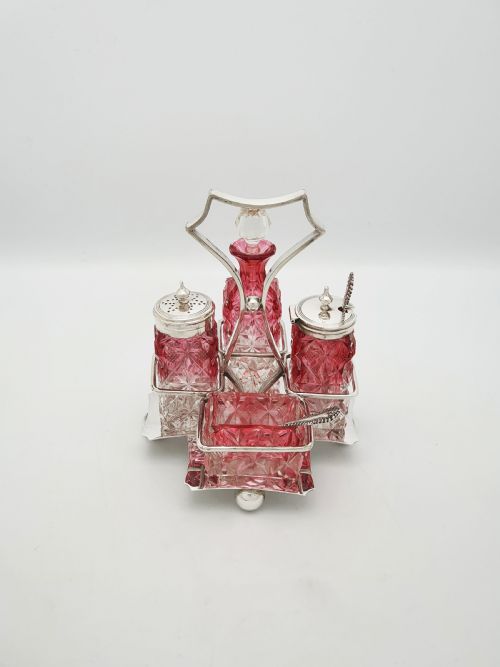
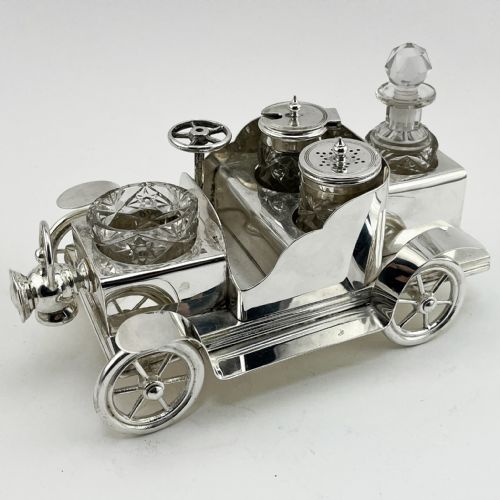
A silver cruet set comprises a collection of bottles, jars, or pots housed within a fitted stand or designed as a matching table trio. These pieces served mustard, pepper, salt, oil, and vinegar during formal dining, shifting from large multi-bottle Victorian and Edwardian frames to streamlined three-piece condiment sets by the mid-century.
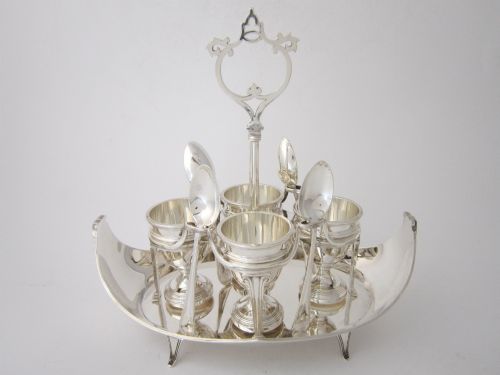
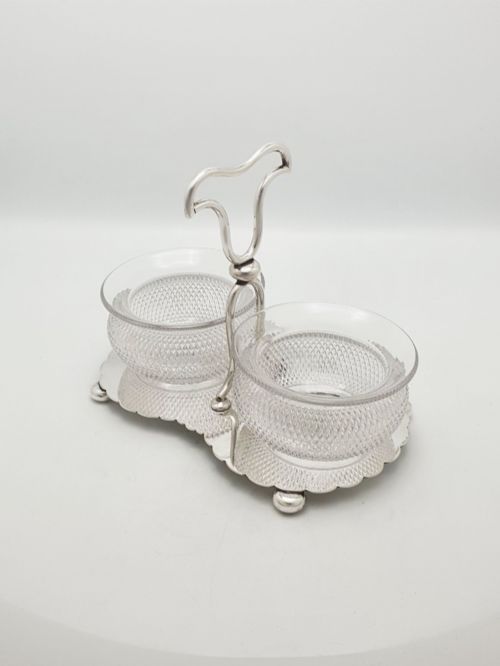
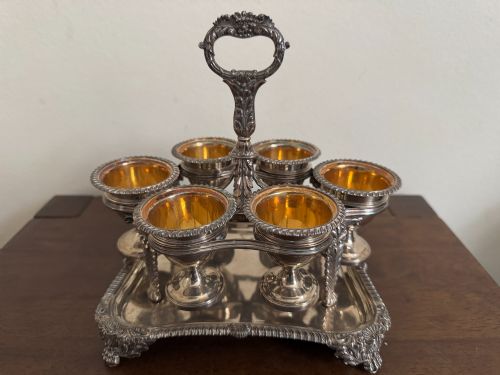
The selection ranges from Georgian table cruets with cut glass bottles to Victorian silver-plated egg cruet sets and geometric Art Deco designs. Buyers frequently encounter the three-piece sterling silver condiment set from the mid-twentieth century, alongside older plated multi-bottle frames.
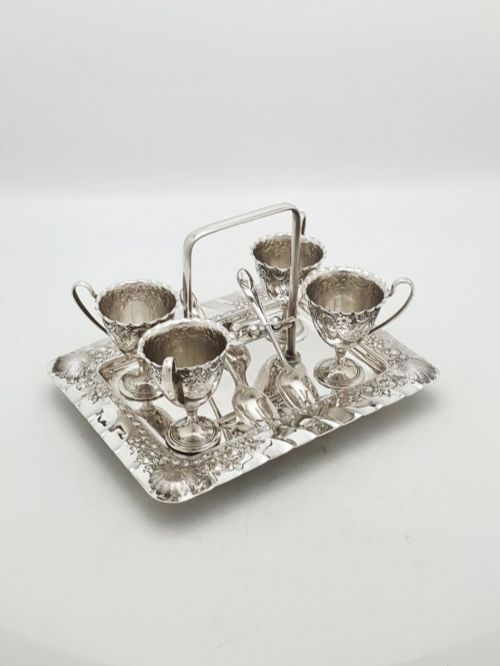
Makers adapted the form to changing dining habits, producing specialised egg cruets with matching cups alongside standard salt and mustard pots. The stylistic span covers Georgian elegance, Victorian elaboration, Art Deco severity, and clean Mid-Century Modern lines.
Distinction in Execution
The division between standard production and top tier work rests on the weight of the silver, the clarity of the cut glass, and the precision of the frame's construction. Superior sets feature substantial gauges of metal that resist bending and retain crisp hallmarks or maker stamps.
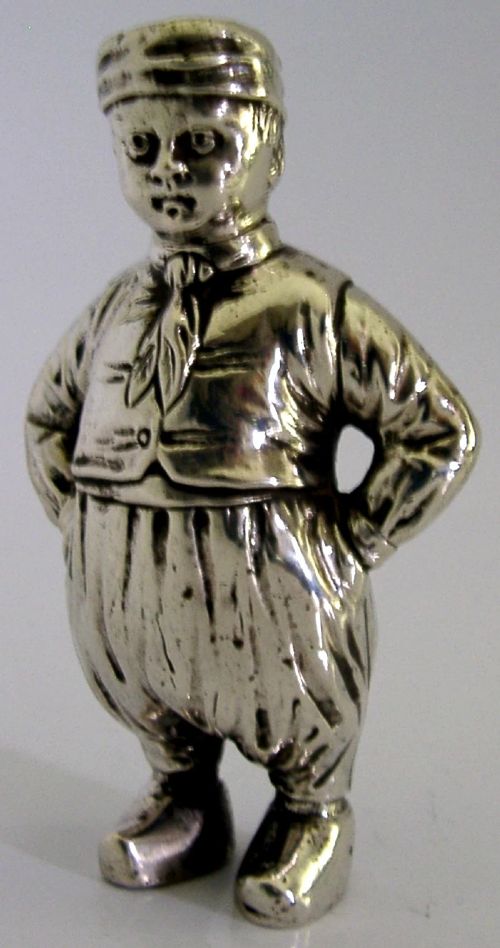
Design ambition separates basic utility from exceptional workshops. Elaborate figural forms, such as owl cruet sets or lily pad egg cruets, demonstrate higher sculptural skill than standard geometric frames.
Retail Price Guide 2026
Typical UK retail prices for silver cruet set, calculated from the Sellingantiques database of over a million retail prices indexed since 2003. This retail price guide relies exclusively on Sellingantiques data; no external sources or auction records are used, so the figures do not describe the wider market.
Listings span the eighteenth century through the mid-twentieth century, encompassing sterling silver, silver plate, and cut glass across Georgian, Victorian, Art Deco, and Mid-Century Modern styles.
William Neale·Elkington & Co·Hester Bateman·Mappin & Webb·Walker & Hall·William Hutton & Sons·Richard Comyns·Tiffany·Viners
The Silver Cruet Set Glossary
- Cruet stand
- The framework or caddy designed to hold multiple condiment bottles securely on the dining table. It usually incorporates a central carrying handle.
- Condiment set
- A matched group of open salt cellars, mustard pots, and pepper shakers intended for individual places or shared table use. They often dispense with a central frame entirely.
- Cut glass
- Glassware shaped and patterned by grinding facets or geometric designs into the surface. This technique catches the light within multi-bottle stands.
- Silver plate
- A thin layer of silver fused or electroplated onto a base metal such as nickel silver or copper. It allowed larger dining items to be produced at a lower cost than solid sterling.
Frequently Asked Questions
How do I date a silver cruet set?
Dating relies primarily on the assay office marks, maker's stamps, and date letters stamped directly onto the silver components. Stylistic clues such as the geometric lines of Art Deco or the heavy ornamentation of Victorian pieces also narrow the manufacturing period.
Unmarked silver-plated sets require stylistic analysis of the frame shape, bottle cutting, and manufacturing techniques to assign a broad decade, such as the Edwardian era.
What is an egg cruet set?
An egg cruet set is a specialised table arrangement featuring a frame fitted with egg cups, spoon racks, and occasionally a central salt and pepper provision. These were designed for formal breakfast service in the Victorian and Edwardian periods.
Such sets frequently retain their original ceramic or porcelain egg cups alongside small silver spoons, making them distinct from standard condiment collections.
How were these sets used originally?
Dining arrangements placed cruet stands centrally on the table or passed them among guests so diners could season food to taste. Bottles held wet condiments like oil and vinegar, while pots contained dry spices and prepared mustards.
Later three-piece sets sat permanently on individual dining tables or sideboards, holding the daily trinity of salt, pepper, and mustard.
Are glass bottles usually original?
Original glass bottles match the exact contours and collar dimensions of the silver frame apertures. Cut glass patterns should correspond to the period of the metalwork, whether Georgian, Victorian, or later.
Replacements are common due to breakage over decades of use, so a matching fit and period-appropriate glass weight indicate authenticity.
How should I clean silver cruet sets?
Cleaning requires a specialised silver polish applied with a soft cloth to avoid scratching the metal surface or removing thin plating. Glass inserts should be removed from metal frames and washed separately in warm soapy water.
Harsh chemical dips must be avoided, particularly on pieces with velvet linings or delicate applied details, to preserve the finish.