

Silver Pepper Pot
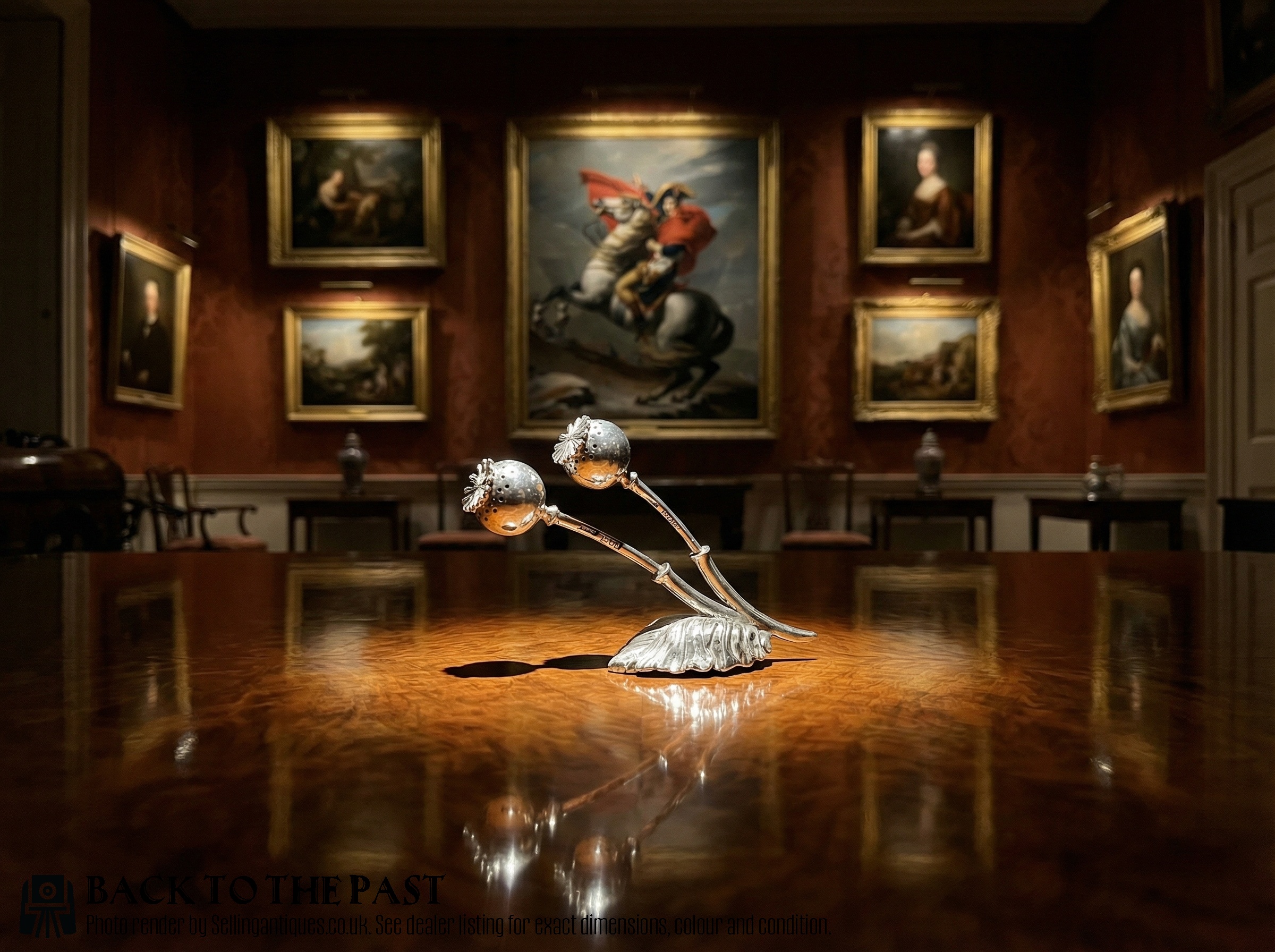
A silver pepper pot brings both function and character to the table, spanning classic Georgian forms to playful novelty figures.
Silver Pepper Pot Forms
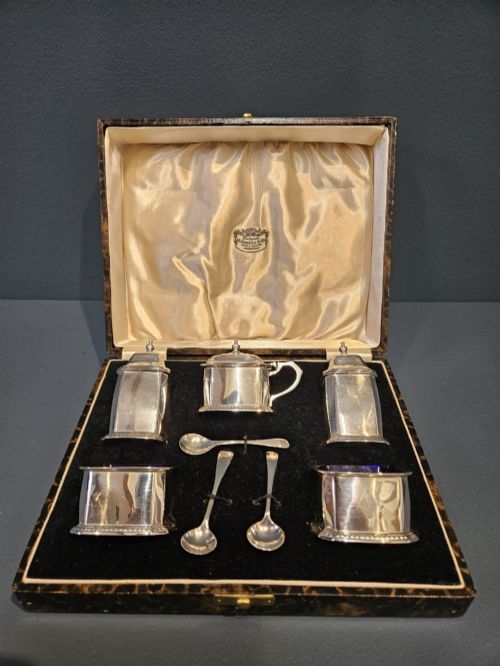
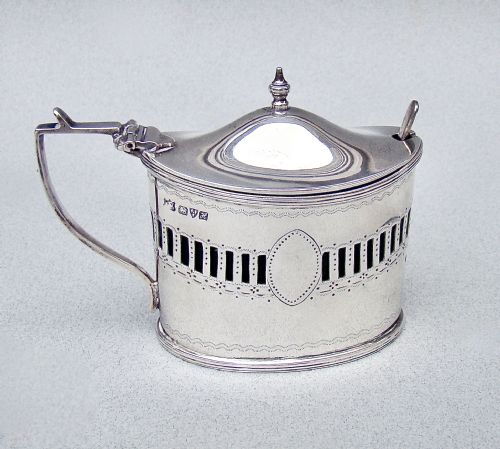
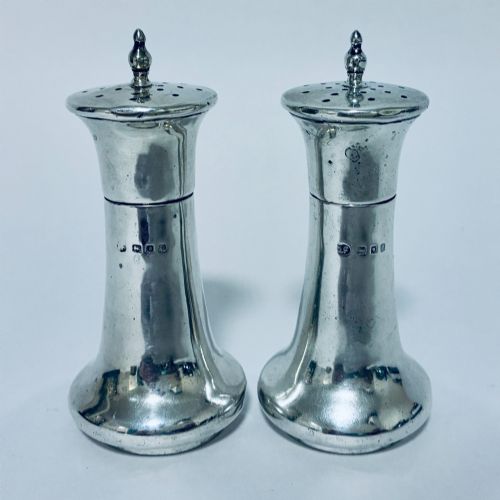
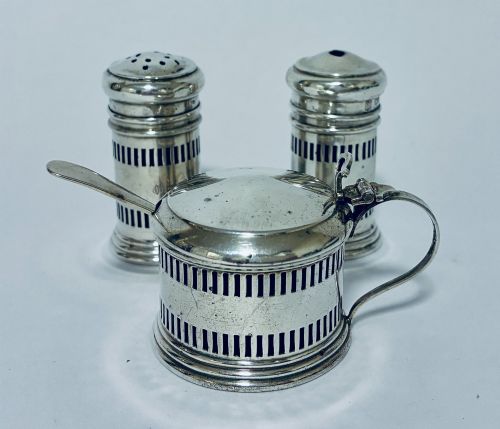
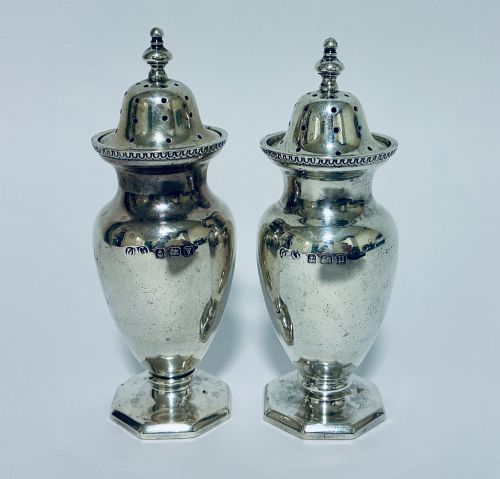
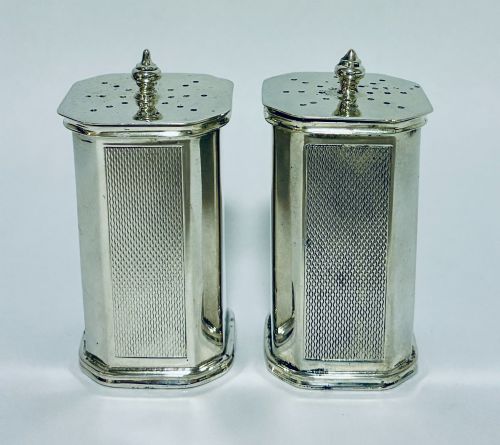
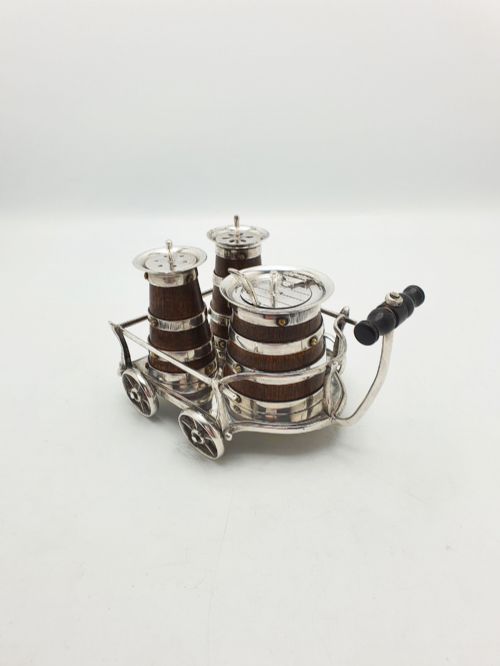
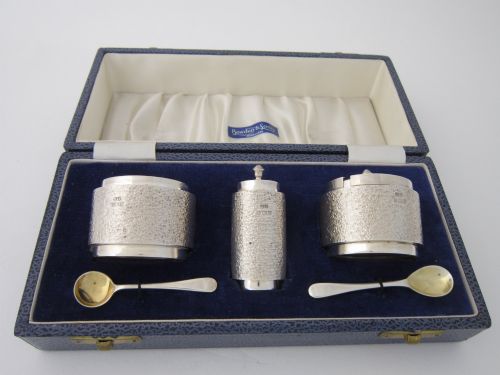
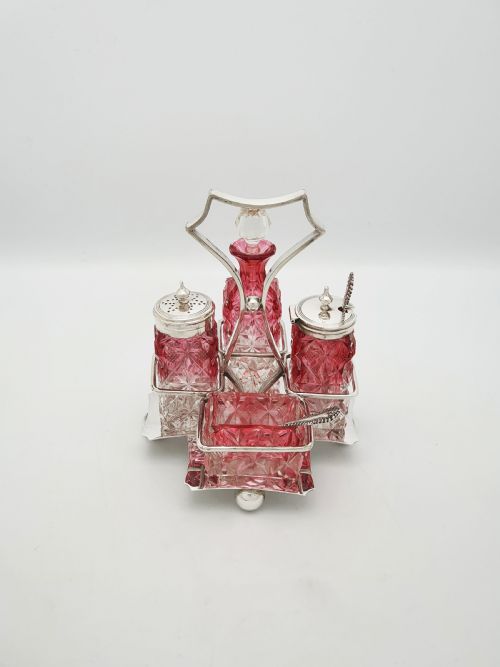
A silver pepper pot serves as a traditional table condiment vessel designed for dispensing ground pepper through a pierced lid. When exploring this selection, buyers encounter everything from classical George III cast casters to Victorian novelty pieces and mid-century modern cruet sets.
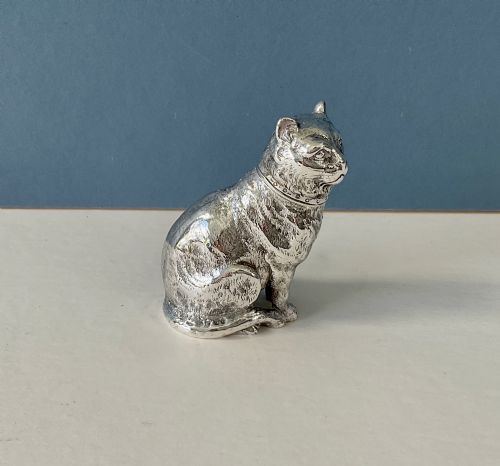
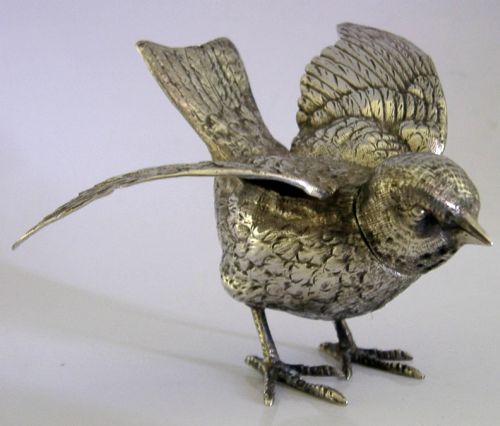
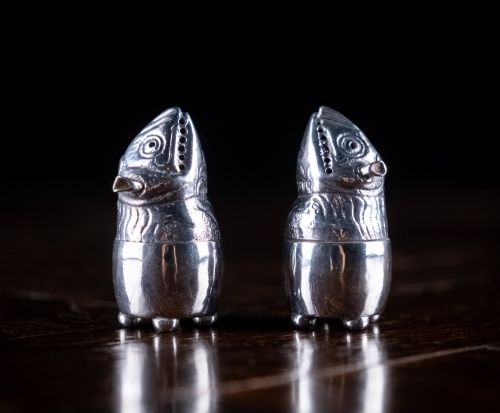
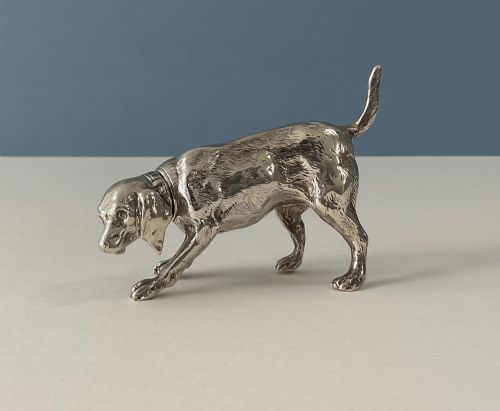
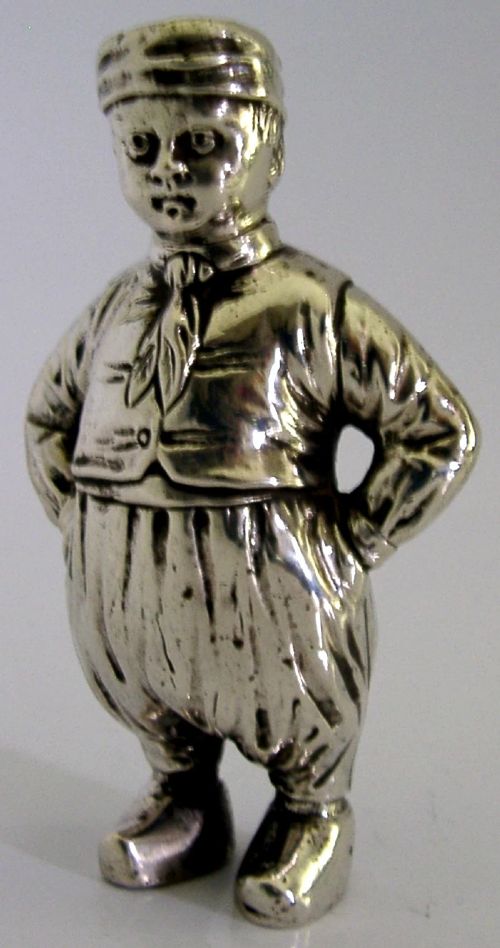
The objects span multiple eras, including Georgian, Victorian, and Edwardian periods, alongside later twentieth-century examples. Traditional forms like baluster pots and salt tubs sit alongside whimsical figurative designs shaped like animals, figures, and objects.
Origins vary widely across the inventory, encompassing English workshops in London and Chester, alongside international items from Norway, Germany, Italy, and Japan. This diverse range allows collectors to choose between formal antique silverware and highly specific novelty themes.
Materials and Construction
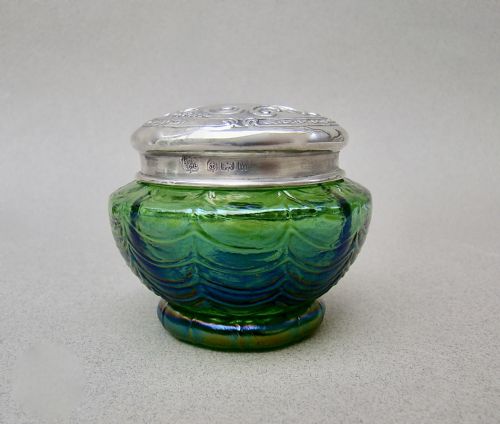
These items are constructed predominantly from sterling silver and solid silver, frequently shaped using casting techniques as seen in heavier cellars and casters. Certain pieces combine silver with other media, incorporating glass bodies, enamel work, or wooden components.
Manufacturing methods range from traditional hand-raised and cast Georgian work to intricate import pieces featuring detailed figural casting. Pierced lids are meticulously drilled or punched to create functional shaker holes, while threaded collars or slip-fit mountings secure the tops.
Retail Price Guide 2026
Typical UK retail prices for silver pepper pot, calculated from the Sellingantiques database of over a million retail prices indexed since 2003. This retail price guide relies exclusively on Sellingantiques data; no external sources or auction records are used, so the figures do not describe the wider market.
Materials across the inventory include sterling silver, solid silver, cast silver, glass, and enamel.
Assessing Quality and Execution
The calibre of a silver pepper pot rests in the crispness of its chasing, the weight of the metal used, and the integrity of any figural details. Superior examples exhibit sharp definition in novelty shapes and secure, well-fitting pierced tops that retain their original hallmarks.
Makership plays a significant role, with pieces produced by recognised silversmiths or established import houses commanding greater interest. Condition matters deeply, particularly regarding the preservation of the delicate pierced work on the shaker lids and the absence of heavy dents or repairs to the bodies.
Berthold Muller·Elizabeth Morley·Haseler Brothers
The Silver Pepper Pot Glossary
- Caster
- A small container with a pierced lid used for sprinkling dry seasonings or sugar over food. These form the architectural precursor to the modern shaker.
- Hallmark
- An official stamp applied to precious metals indicating the standard of purity, the assay office, and the year of manufacture. These marks provide definitive historical context for dating silver items.
- Novelty
- A piece shaped into a recognizable figurative object, animal, or character rather than a standard vessel form. These imaginative items became especially popular during the Victorian and Edwardian eras.
- Cruet
- A matched set of small bottles or pots designed to hold condiments like salt, pepper, mustard, and vinegar at the table. They frequently sit together within a fitted frame or stand.
- Pomander
- A small perforated container originally used to hold aromatic substances or herbs. In silver, these forms occasionally overlap with or resemble early seasoning vessels.
Frequently Asked Questions
What is a silver pepper pot?
A silver pepper pot is a small tabletop container featuring a pierced lid designed to hold and sprinkle ground pepper. These items range from plain utilitarian vessels to ornate decorative objects.
They have been produced in various styles across centuries, serving both a functional dining purpose and as decorative silver collectables.
How do I date my silver pepper pot?
Dating relies heavily on examining the hallmarks stamped into the silver, which indicate the assay office and year mark. Stylistic clues such as shape, decorative motifs, and manufacturing techniques also help determine the period.
English pieces typically bear clear date letters, while international items may require analysis of maker marks and regional silver standards.
What are novelty silver pepper pots?
Novelty silver pepper pots are shaped into playful, unconventional forms rather than standard geometric vessels. Common themes include animals, human figures, vehicles, and everyday objects.
These pieces were particularly favoured by Victorian and Edwardian makers who utilised detailed casting to create amusing tabletop conversation pieces.
How should I clean antique silver?
Cleaning antique silver requires a gentle approach using a specialised silver cloth or mild polish to preserve the original patina and details. Abrasive cleaners and harsh chemical dips should be avoided because they strip away the aged surface character and can damage delicate hallmarks.
Regular, careful dusting and occasional light polishing maintain the metal's natural lustre without causing wear to high points and engraved lines.
Can I still use an antique pepper pot?
Many antique pepper pots remain fully functional for everyday dining provided the internal chamber is clean and the lid fits securely. However, the presence of older base metals or non-silver linings in certain imported pieces requires checking the interior condition first.
Collectors often choose to display delicate novelty or high-value Georgian casters rather than subjecting them to daily kitchen use.