





Antique Silver Curio
Antique silver curio pieces are small, fascinating conversation items that collectors prize for their intricate craftsmanship and historical utility.
Antique Silver Curio
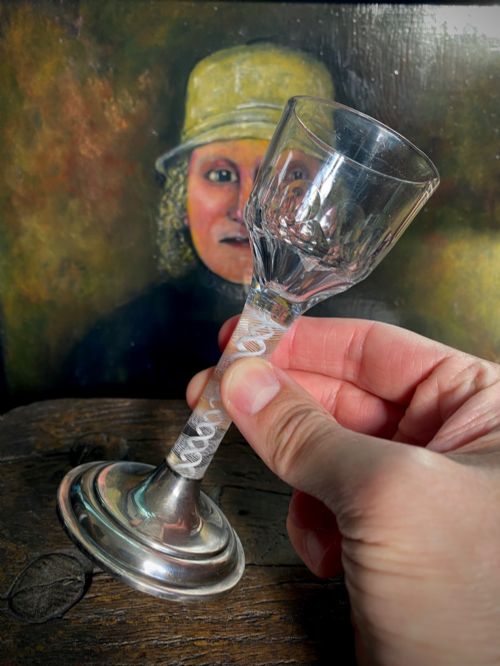
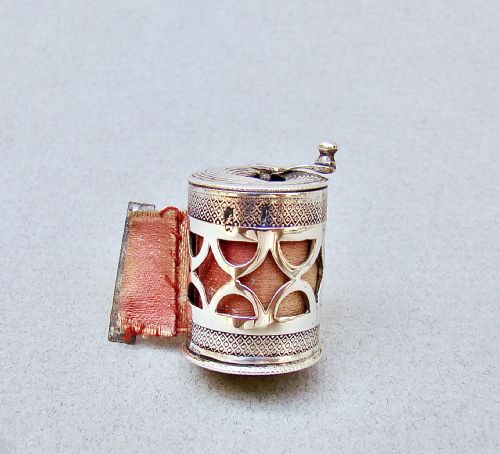
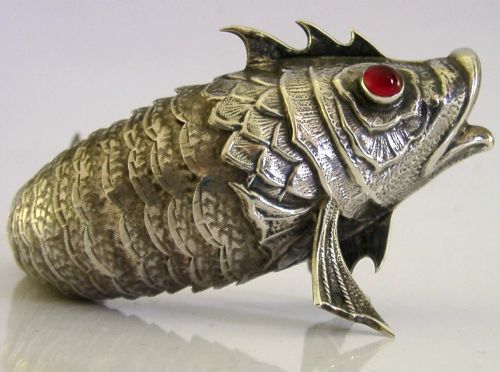
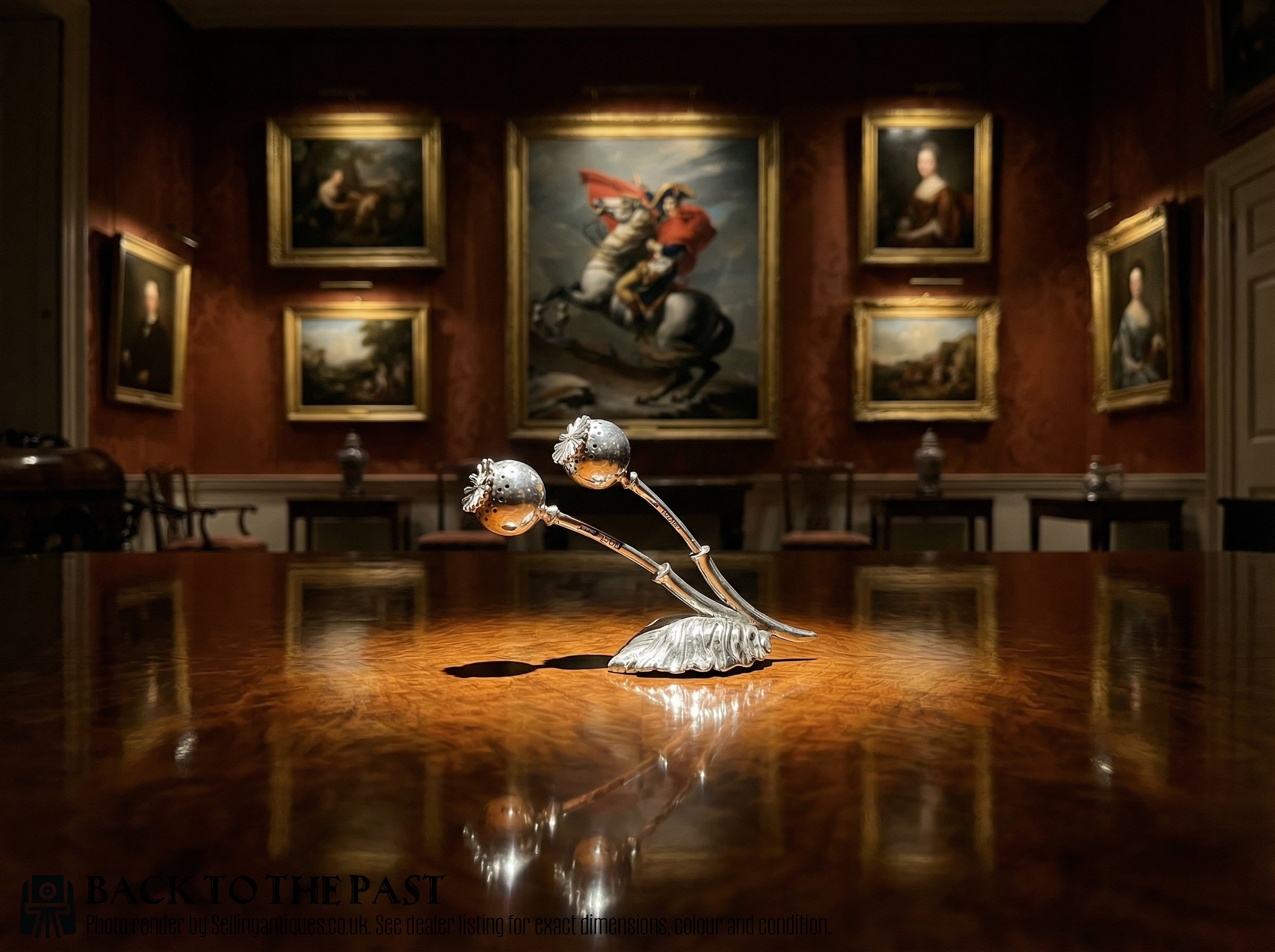
When you search for antique silver curio items, you encounter a diverse array of small functional objects and novelties from the Georgian, Victorian, and Edwardian eras. These pieces range from delicate sewing tools and vinaigrettes to elaborate vesta cases and miniature animal models.
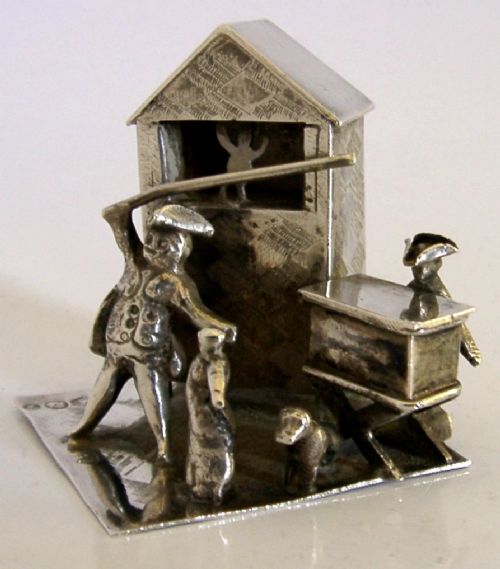
Makers such as William Neale and William Hair Haseler appear among the English items, representing the high standard of regional assay office production. Alongside these, Dutch 833 solid silver miniatures and Spanish silver pieces expand the geographical range of the curio category.

Materials and construction methods
The construction of an antique silver curio typically involves sterling silver or 833 solid silver, shaped through techniques like embossing, casting, and fine engraving. Many pieces incorporate decorative elements such as painted enamel panels or silk linings to enhance their visual appeal.
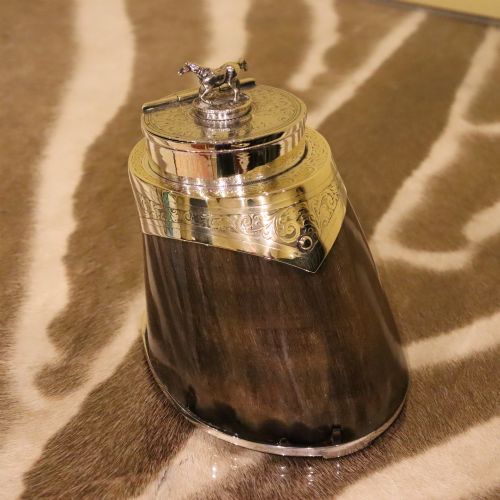
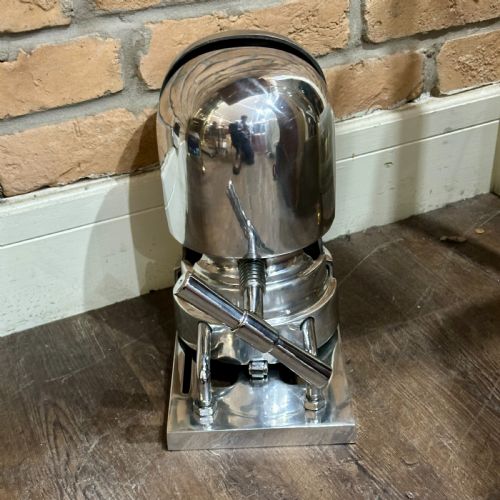
Specialist items in this category combine silver work with other media, as seen in taxidermy mounts utilising horse hoof and practical accessories featuring glass or steel components. Hallmarks stamped directly into the silver provide official evidence of the metal standard and assay town origin.
Antique Silver Curio Retail Price Guide 2026
Typical asking prices for silver curio among the pieces listed under this phrase on Sellingantiques today, from the lower quarter to the upper quarter. They describe what is for sale here now, not the wider market.
Listings in this category span the Georgian, Victorian, and Edwardian periods, extending through Art Deco styles to mid-century Spanish silver work.
Distinguishing quality in silver curios
The preservation of delicate secondary materials, such as undamaged enamel panels on a vesta case or intact hinges on a vinaigrette, separates superior specimens from heavily worn examples. Intricacy of design, such as articulated joints in silver animals, further distinguishes the finer pieces in this category.
William Neale·William Hair Haseler
The Antique Silver Curio Glossary
- Vesta case
- A small portable container designed to hold matches, usually fitted with a hinged lid and a striking surface on the base. Many Victorian examples feature intricate engraved patterns or enamel decoration.
- Vinaigrette
- A small ornamental box containing a perforated inner grill, used to hold a sponge soaked in aromatic vinegar. They were carried in pockets or chatelaines during the Georgian and Victorian periods.
- Pomander
- A small container designed to hold aromatic substances like ambergris or musk to mask unpleasant odours. Double pomanders provide separate chambers for different scents.
- Assay mark
- An official stamp applied to precious metal items to guarantee their purity. These marks typically include a maker's mark, a standard mark, and a date letter indicating the year of assay.
Antique Silver Curio: Frequently Asked Questions
How were vinaigrettes used?
Vinaigrettes were used to hold aromatic vinegars intended to counteract foul odours in public spaces during the Georgian and Victorian eras. The user opened the outer lid to expose a pierced inner grille through which the scent diffused.
They were carried in pockets or suspended from chatelaines as both practical health accessories and status symbols. The interior sponge has usually been lost over time.
How do I date silver curios?
You date silver curios by examining the hallmarks stamped into the metal, which typically indicate the assay office, standard, and a specific date letter. English pieces from the Victorian and Edwardian periods are particularly clear to read.
Stylistic evidence, such as the Art Deco geometric forms or Victorian aesthetic movement motifs, also helps narrow down the period of manufacture when hallmarks are worn.
How should I display silver curios?
Silver curios are best displayed in enclosed glass cabinets or tabletop vitrines to protect them from dust and tarnishing while keeping them fully visible. Their small scale makes them ideal for tabletop grouping.
Handling should be kept to a minimum, and chemical polishes should be avoided to preserve delicate details like enamel work or engraved inscriptions.