



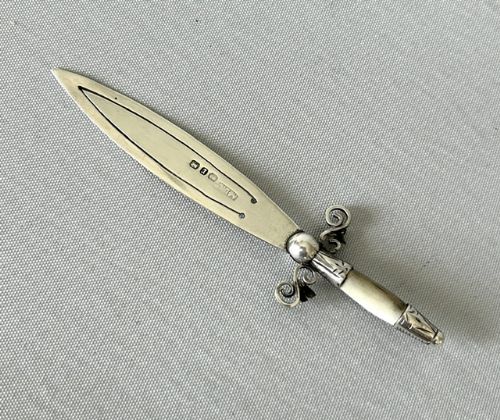


Victorian Silver Page Turner
A victorian silver page turner brings the weight of the desk into the hand, pairing chased metal with tortoiseshell, bone or pearl.

Victorian Silver Page Turner
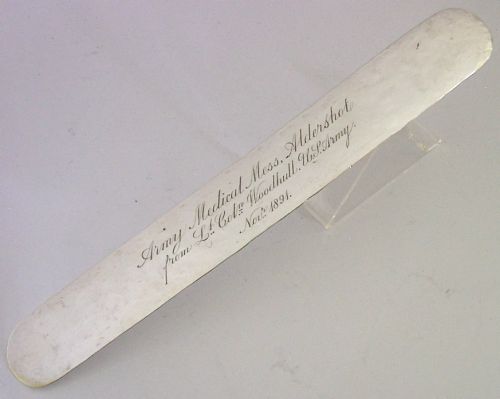
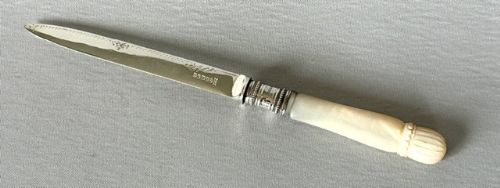
A victorian silver page turner serves as both a desk accessory and a functional implement for cutting paper and turning leaves. These pieces emerge chiefly from the nineteenth and early twentieth centuries, spanning Victorian, Edwardian, and William IV eras.
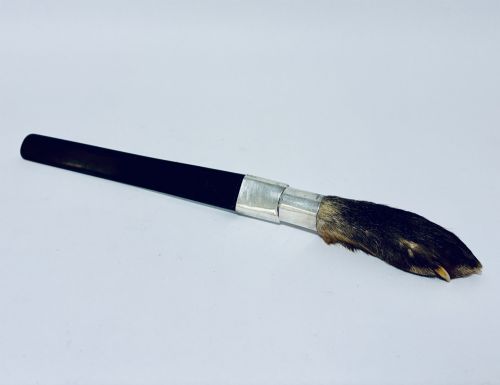
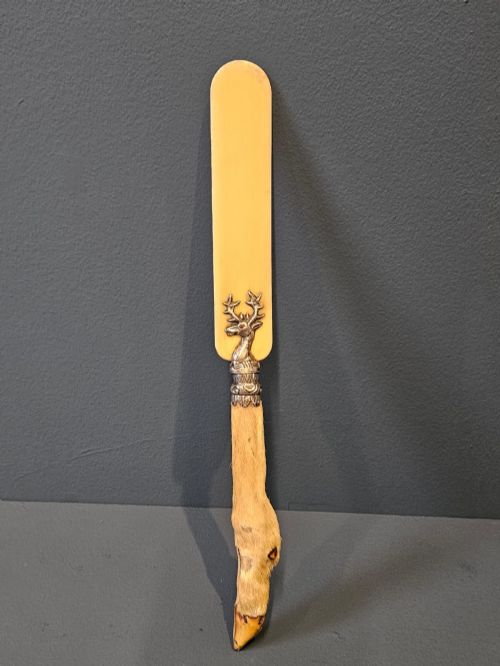
Makers also applied the handle design to novelty forms such as deer hooves, greyhound heads, boxer heads, and horse riding hunting motifs. A related desk or pocket variant is the skirt lifter, which shares the same silver-working techniques.
How they were made
Silversmiths formed the handles using sterling silver or silver plate, often incorporating hallmarks from assay offices such as Birmingham and Chester. Metalwork techniques included casting, chasing, and engraving to shape animal heads, commemorative motifs, and floral patterns.
Blades and panels required the careful shaping of organic substances. Craftsmen shaped tortoiseshell, mother-of-pearl, bone, ivory, agate, Connemara marble, and deer hoof, securing them to the silver mounts with pins or adhesive.
Victorian Silver Page Turner Retail Price Guide 2026
Typical asking prices for victorian silver page turner among the pieces listed under this phrase on Sellingantiques today, from the lower quarter to the upper quarter. They describe what is for sale here now, not the wider market.
Victorian desk accessories occasionally took whimsical forms, pairing polished silver with carved boxer dog heads and deer hooves.
What varies in quality
Quality rests in the harmony between the silver handle and the fitted blade. Superior examples display crisp chasing on the metalwork and rich figuring in materials like tortoiseshell or agate.
Levi and Salaman
The Victorian Silver Page Turner Glossary
- Hallmark
- Official marks stamped on precious metals to show the standard of purity, the assay office, and the year of manufacture. These stamps help date the piece accurately.
- Tortoiseshell
- The mottled brown and amber keratin shell of certain turtle species used for decorative veneer. It was frequently paired with silver mounts on desk accessories.
- Sterling silver
- An alloy of silver containing 92.5 percent pure silver and 7.5 percent other metals, usually copper. It provides durability for functional items like page turners.
- Assay office
- A body charged with testing the purity of precious metals and applying hallmarks. Birmingham and Chester are notable examples found on these pieces.
Victorian Silver Page Turner: Frequently Asked Questions
What is a page turner used for?
A page turner is a desk accessory designed to glide between uncut pages of books or folded newspapers without tearing the paper. Victorians used them extensively during reading and correspondence.
They also doubled as decorative objects for the library table, often matching inkstands and letter openers in a gentleman's study or lady's boudoir.
How do I clean tortoiseshell and silver?
Silver components require a soft polishing cloth to remove tarnish without touching adjacent organic materials. Care must be taken to keep polish away from tortoiseshell and bone.
Tortoiseshell should be wiped gently with a damp cloth and conditioned occasionally with a minimal amount of mineral oil to prevent drying.
Are these blades made of ivory?
Some historical examples feature blades carved from bone or ivory, alongside alternatives such as tortoiseshell and mother-of-pearl. These materials were chosen for their smooth flexibility.
Modern ownership and transfer of antique ivory are subject to strict international wildlife regulations governing pre-1947 antique exemptions.
How can I date my page turner?
Dating relies heavily on silver hallmarks stamped directly onto the handle mounts. These letters and symbols correspond to specific assay office records and production years.
Stylistic cues such as Edwardian restraint or Victorian ornamentation also help place the piece within the nineteenth or early twentieth century.