





Sterling Silver Letter Opener
A sterling silver letter opener brings functional elegance to the desk, offering a tactile way to handle correspondence through periods from the Georgian era to the mid-twentieth century.
Sterling Silver Letter Opener
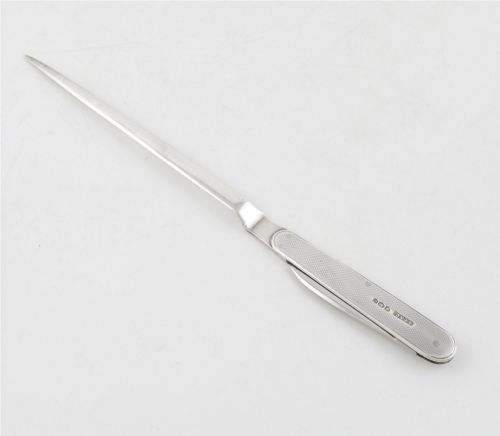
A sterling silver letter opener is a desk accessory designed for slicing open envelopes and parting folded pages. These desk items appear in forms ranging from simple silver blades to longer page turners and combination tools.
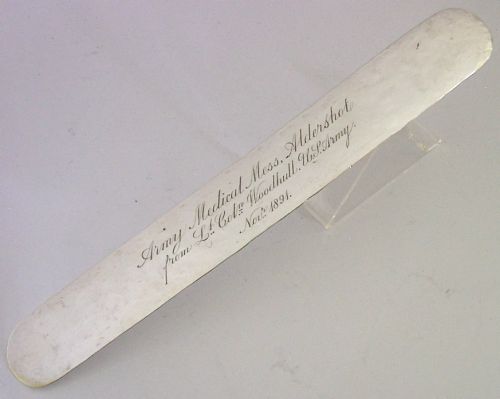
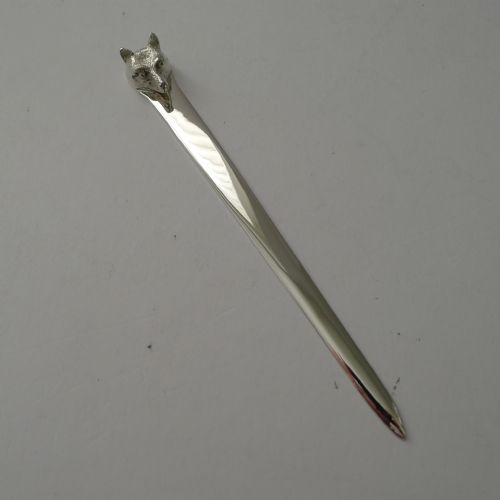
The pieces on this page span the Georgian, Victorian, Edwardian, and Art Deco periods, alongside later twentieth-century examples. Alongside standard openers, the selection includes novelty animal handles, military mementos, and repurposed meat skewers.
How they were made
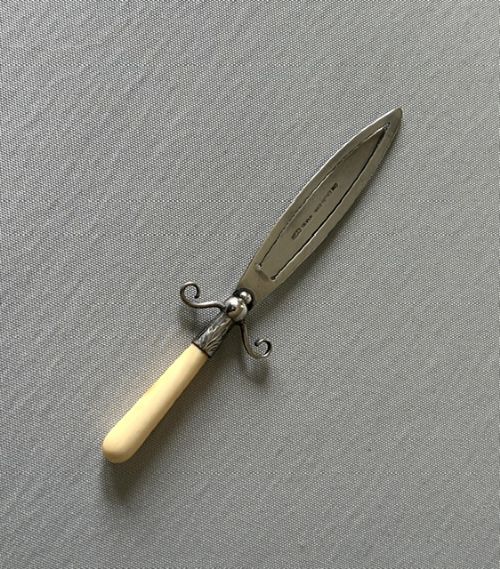
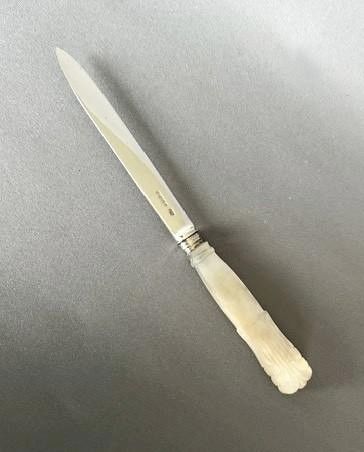
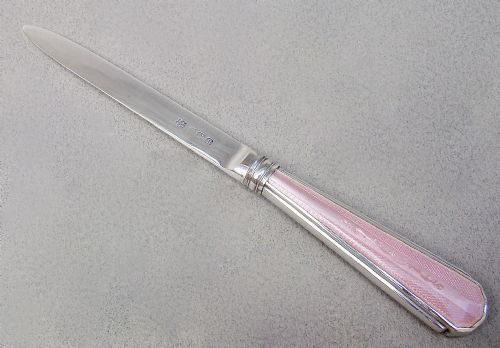
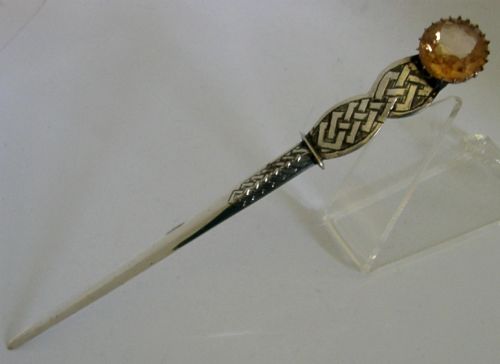
Silversmiths forged and cast sterling silver to create the handles and blades, frequently combining the precious metal with organic materials such as tortoiseshell, mother of pearl, horn, and ivory. Desk tools of this nature also incorporate decorative techniques like guilloché enamel and gemstone set accents including citrine, agate, and Connemara marble.
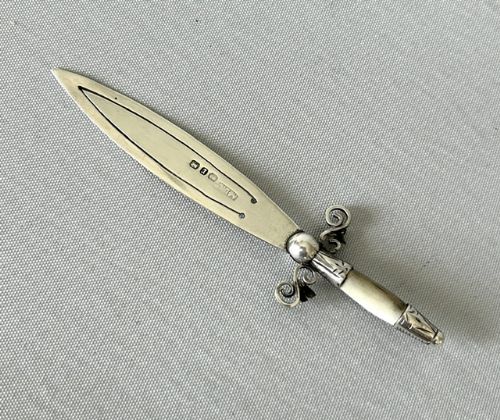
Maker marks, assay office stamps, and date letters are typically struck directly into the silver surface, identifying the origin of manufacture across English, Scottish, and Irish workshops.
Sterling Silver Letter Opener Retail Price Guide 2026
Typical asking prices for sterling silver letter opener among the pieces listed under this phrase on Sellingantiques today, from the lower quarter to the upper quarter. They describe what is for sale here now, not the wider market.
Desk accessories shaped as rowing oars, ducks, and hunting dogs ensure that opening the post remains an eccentric exercise in wildlife appreciation.
What varies in quality
The distinction between standard desk items and finer examples lies in the complexity of the design and the quality of the materials paired with the silver. Hand-carved tortoiseshell, detailed cast animal terminals, and complex combination mechanisms distinguish superior workshop production from mass output.
Provenance and maker reputation also elevate certain pieces, particularly items bearing signatures from established luxury retailers or specific historical associations.
The Barker Brothers·Asprey·A Barrett·Sampson Mordan And Co·William Graeme·Keller·Tiffany And Co·Robb Ballater
The Sterling Silver Letter Opener Glossary
- Page turner
- A long, flat implement traditionally used for separating uncut pages in bound volumes and books. These often share the same display categories as standard letter openers.
- Guilloché enamel
- A decorative technique where intricate geometric patterns are engraved beneath translucent enamel layers. This method appears on handles produced during the Art Deco period.
- Assay mark
- A set of official stamps punched into precious metal to confirm purity and trace the piece to a specific office and year. British items typically display a lion passant and a date letter.
- Meat skewer
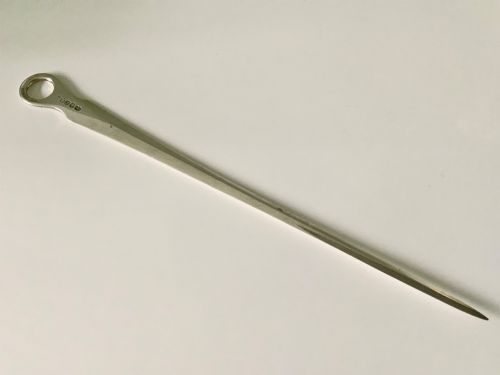
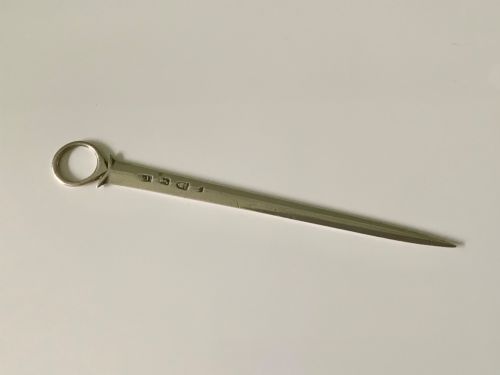
- A long, pointed silver implement originally used in food preparation that collectors frequently repurpose as a heavy letter opener. Georgian examples are particularly common in this secondary role.
- Novelty handle
- A sculptural terminal shaped as an animal, bird, or sporting motif rather than a standard flat handle. Pieces depicting dogs, birds, and rowing oars fall into this group.
Sterling Silver Letter Opener: Frequently Asked Questions
What is a sterling silver letter opener?
A sterling silver letter opener is a handled blade utilised for opening mail and slicing through folded paper. These desk items range from simple nineteenth-century blades to ornate twentieth-century novelty designs.
Many examples combine solid silver with organic inserts like mother of pearl, tortoiseshell, or horn. They serve as both functional desktop accessories and decorative collectibles.
How were meat skewers used as letter openers?
Georgian and Victorian meat skewers were originally manufactured for culinary use in securing joints of meat during roasting. Their sturdy shafts and decorative loop handles made them ideal for secondary repurposing on the desk.
Collectors often encounter these heavy silver skewers listed alongside traditional page turners and letter openers due to their shared form.
How do I identify the date of a silver opener?
Dating relies on the set of hallmarked stamps struck directly into the silver blade or handle. These marks typically include a standard purity symbol, an assay office stamp, and a specific date letter corresponding to the year of manufacture.
Stylistic cues such as Art Deco enamel work or Victorian engraving styles also help narrow down the production period when hallmarks are rubbed.
What are combination letter openers?
Combination letter openers integrate additional desk tools into the single handle or blade structure. Common variations incorporate magnifying glasses, folding rulers, or wax seals.
These multi-functional accessories were particularly popular during the late Victorian and Edwardian eras for executive desks.