



Silver Envelope Opener
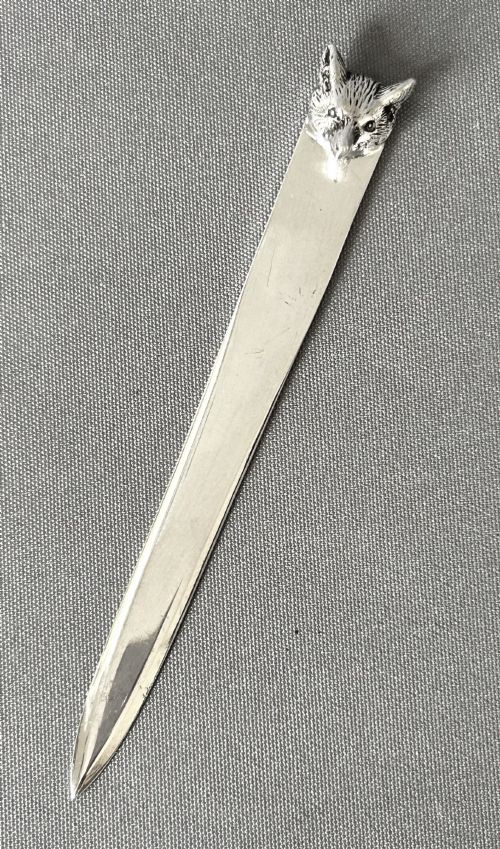
A silver envelope opener is a refined desk accessory designed to slice through paper cleanly, bringing craftsmanship and period character to everyday correspondence.
Silver Envelope Opener
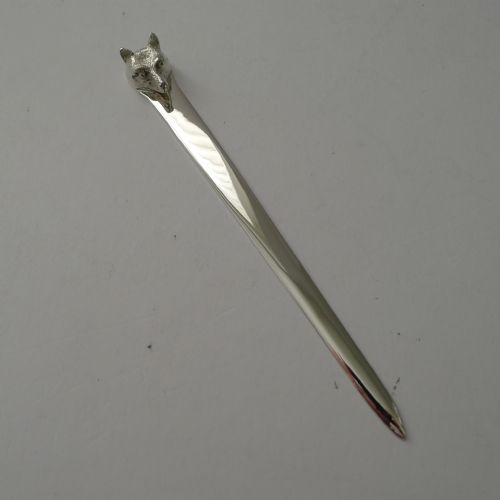
A silver envelope opener is a traditional desk accessory designed for opening letters with care, appearing across several distinct periods of design. These items combine practical function with decorative appeal, making them staple desk ornaments from the Georgian era through to the mid-twentieth century.
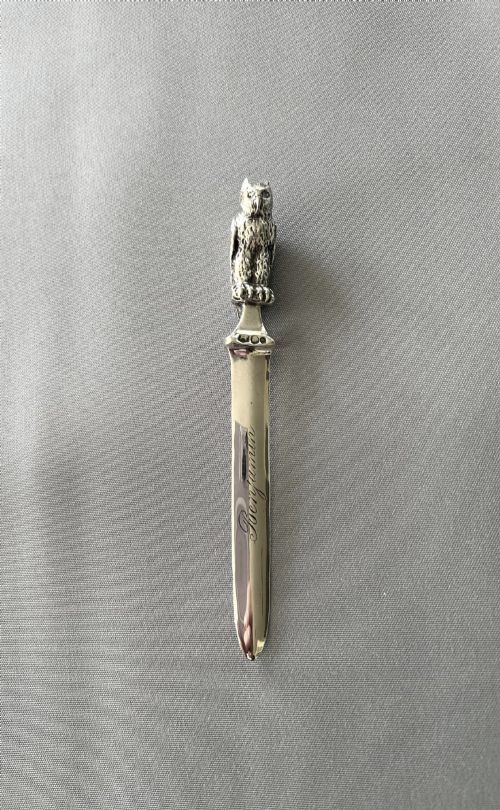
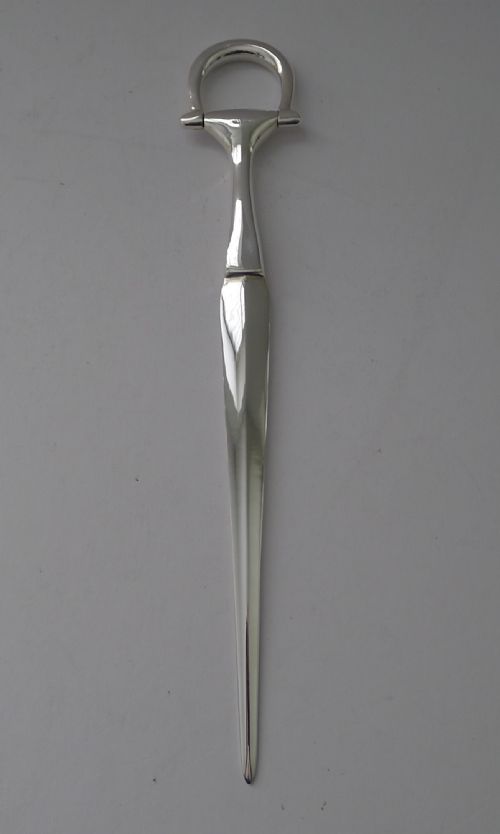
On this page, buyers are most likely to encounter Edwardian examples alongside pieces from the 1910s and 1930s. The forms range from simple silver blades to elaborate desk items incorporating varied decorative elements.
How they were made
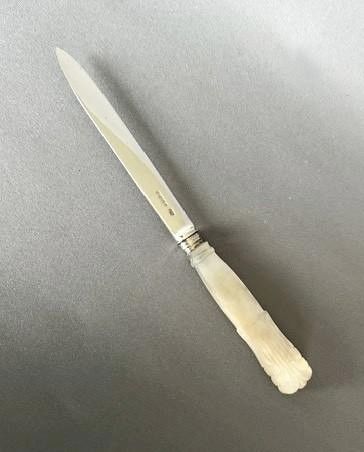
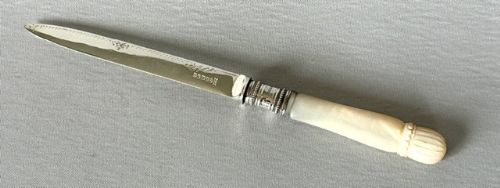
Materials recorded in the evidence include sterling silver and standard silver, often paired with organic handles. Makers utilised mother-of-pearl and Connemara marble to form contrasting grips for the metal blades.
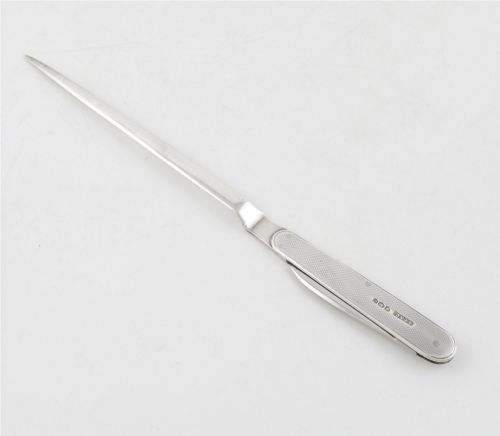
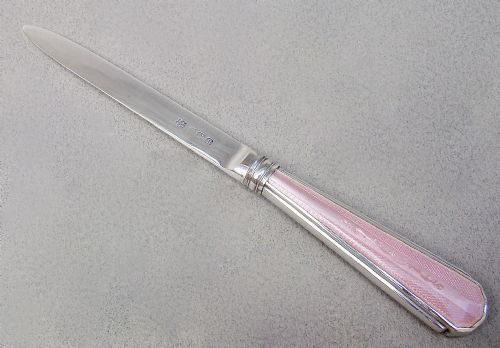
Surface decoration methods varied from guilloche enamel panels to detailed figural work such as Egyptian Revival motifs. Silversmiths shaped these items using traditional metalworking techniques, sometimes integrating coins into the handle design.
Silver Envelope Opener Retail Price Guide 2026
Typical asking prices for silver envelope opener among the pieces listed under this phrase on Sellingantiques today, from the lower quarter to the upper quarter. They describe what is for sale here now, not the wider market.
Listings feature items spanning the Edwardian period, 1910, 1930, and the mid-twentieth century, utilising sterling silver, enamel, and Connemara marble.
What varies in quality
The integration of decorative elements like Egyptian motifs or distinct regional hallmarks indicates higher workshop investment. Finer pieces demonstrate careful balance between the handle material and the metal blade.
The Barker Brothers
The Silver Envelope Opener Glossary
- Guilloche enamel
- Enamel decorated with intricate geometric engine-turned patterns beneath a translucent coloured layer. This technique creates a repeating optical design visible across the metal surface.
- Connemara marble
- A distinctive green ornamental stone sourced from Ireland. It appears frequently as a contrasting handle material on desk pieces.
- Mother-of-pearl
- The iridescent inner layer of certain mollusc shells. Craftsmen shaped this material into smooth, polished handle scales for letter knives.
- Sterling silver
- A silver alloy containing a high proportion of pure silver by mass. It serves as the primary metal for many nineteenth and twentieth-century desk accessories.
Silver Envelope Opener: Frequently Asked Questions
What is a silver envelope opener?
A silver envelope opener is a desk accessory created to slice open mail neatly without tearing the paper inside. These items combine a metal blade with decorative handles made from silver, enamel, or stone.
They functioned as standard desk equipment in offices and writing rooms from the Georgian period into the mid-twentieth century. Today, they serve as both functional desk tools and collectible period objects.
How do I date a silver opener?
Dating relies heavily on hallmarks stamped onto the metal, which indicate the assay office, year of production, and maker. Stylistic clues such as Art Deco enamel or Edwardian proportions also help narrow down the period.
Written records and archive examples show styles ranging from early nineteenth-century coin handles to mid-century Egyptian Revival pieces. Comparing the style of the handle and the shape of the blade provides further context.
How were these openers used?
These tools were kept on writing desks to slice open incoming correspondence before reading. They offered a cleaner method than tearing envelopes by hand.
Beyond postal duties, they functioned as decorative desk items that matched inkstands and blotters. Their presence signalled an organised and well-appointed writing space.
How do I care for silver and enamel?
Silver components require occasional gentle cleaning with a specialist polish to maintain their shine and prevent tarnish accumulation. Enamelled surfaces should be treated with care to avoid scratching the delicate glass layer.
Keeping them away from harsh chemicals and storing them in dry environments helps preserve both the metal and any organic handle inserts like mother-of-pearl or marble.