


Antique Paper Knife
An antique paper knife bridges practical desk utility and fine material craft, offering collectors a tactile link to nineteenth and twentieth-century correspondence habits.
Antique Paper Knife
When searching for an antique paper knife, collectors encounter varied forms designed for unsealing envelopes and slicing uncut book pages, including long page turners and compact letter openers.
The objects span Georgian, Victorian, Edwardian, and Art Deco periods, drawing on domestic writing habits and executive desk traditions.
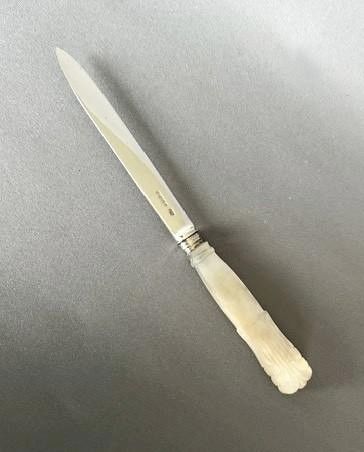
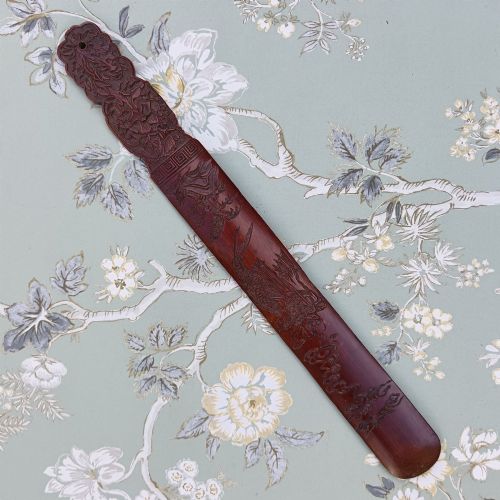
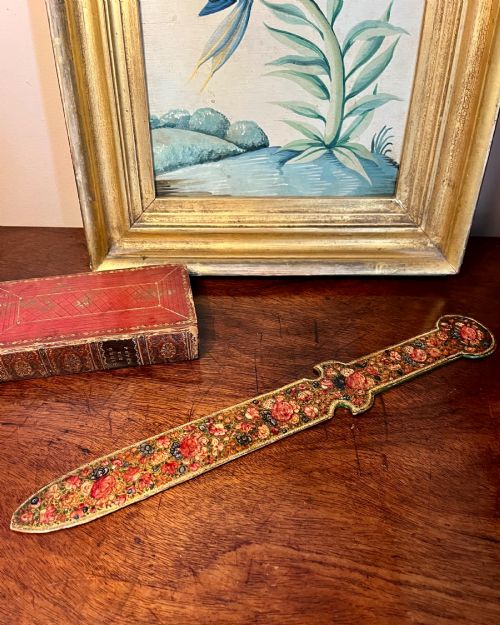
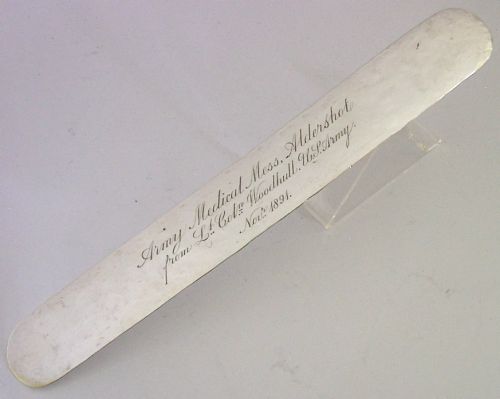
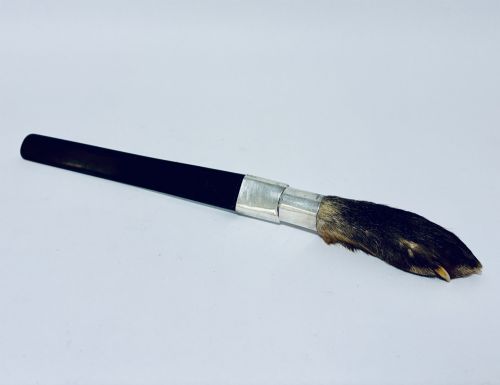
Examples on this page range from modest metal openers to large tortoiseshell and silver page turners created in British and continental workshops.
How they were made
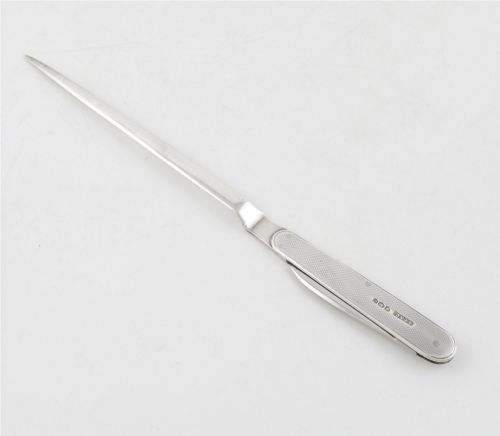
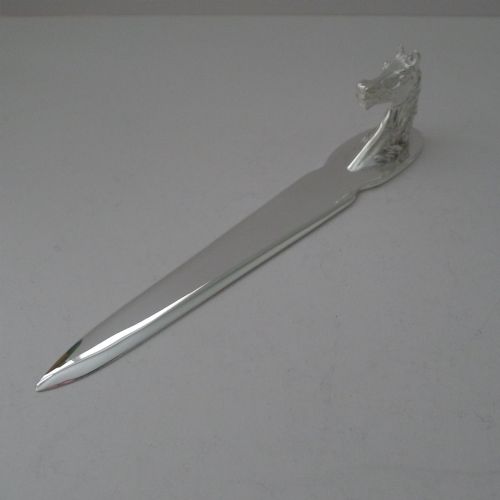
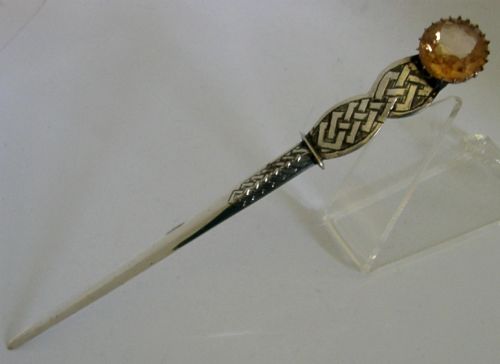
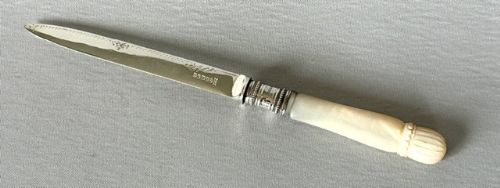
Metals such as sterling silver, brass, bronze, and steel form the structural blades and cast handles, often paired with organic materials like mother-of-pearl, tortoiseshell, horn, and agate.
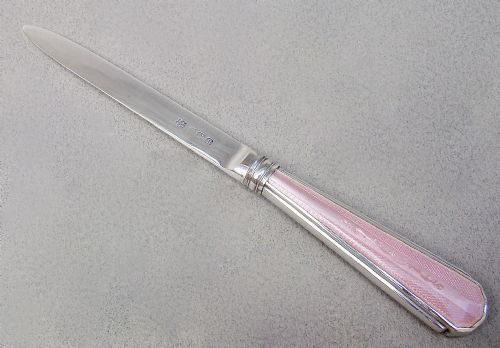
Craftsmen utilised techniques including hand-carving, guilloche enamelling, silver-smithing, and delicate piercing to shape both the functional blade and decorative handle.
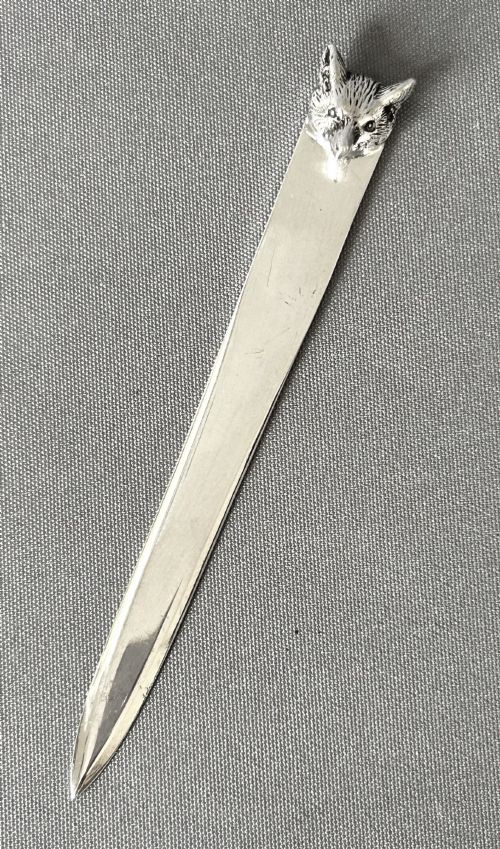
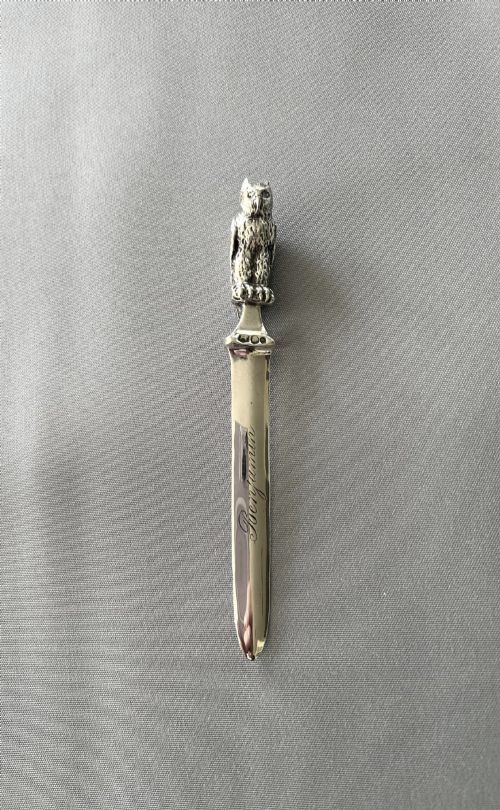
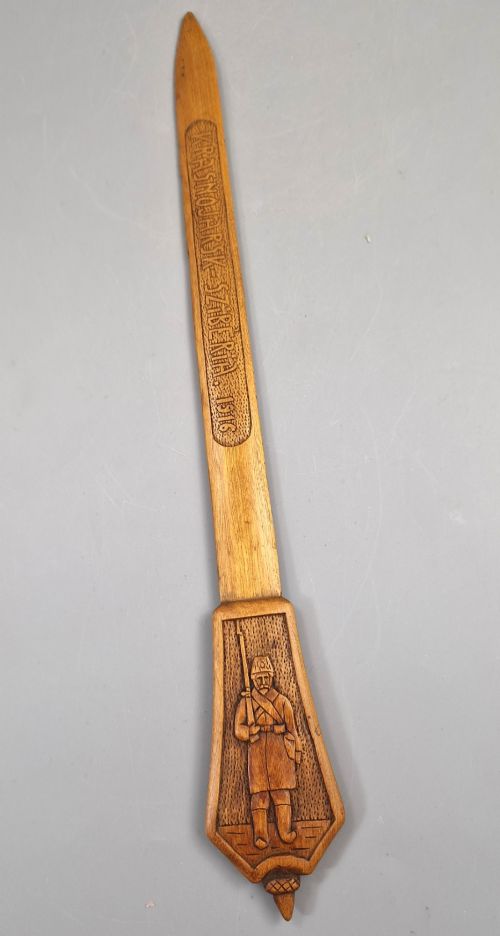
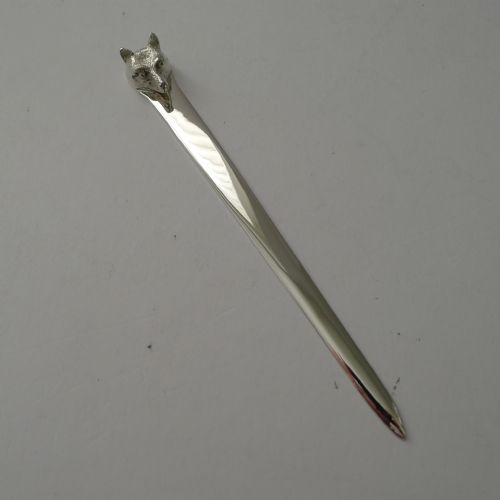
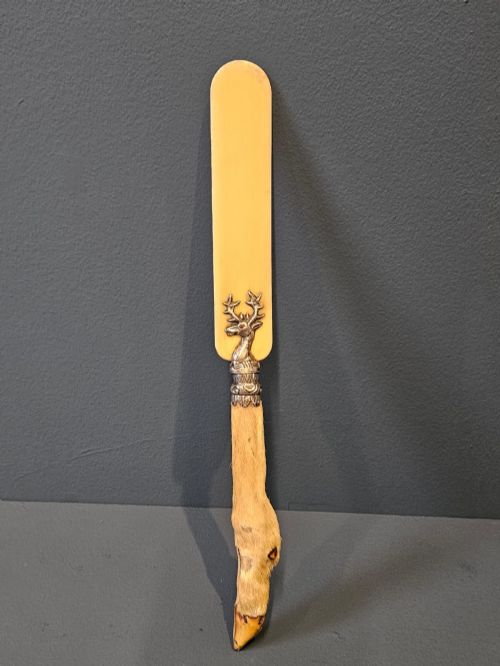
Treen and wood varieties show fine joinery, carving, and ebonising, while novelty pieces integrate cast animal figures such as owls, greyhounds, and ducks.
Antique Paper Knife Retail Price Guide 2026
Typical asking prices for paper knife among the pieces listed under this phrase on Sellingantiques today, from the lower quarter to the upper quarter. They describe what is for sale here now, not the wider market.
Materials span sterling silver, tortoiseshell, mother-of-pearl, agate, brass, bronze, steel, wood, and horn across periods from the Georgian era through the mid-twentieth century.
What varies in quality
Quality depends on the harmony between the handle material and the blade, along with the crispness of any cast figural detail or hand-engraved fern work.
The weight of the silver and the preservation of fragile tortoiseshell or mother-of-pearl panels dictate the overall execution of the piece.
The Barker Brothers·Sampson Mordan and Co·William Comyns·William Eaton·A Barrett Piccadilly·Moses Brent·William Graeme·Grey and Co
The Antique Paper Knife Glossary
- Page turner
- A long, flat implement designed specifically for sliding between the uncut folded pages of nineteenth-century books and pamphlets. These often feature generous tortoiseshell or bone blades.
- Guilloche
- A decorative mechanical engraving technique producing intricate, repetitive geometric patterns beneath translucent enamel. It appears frequently on twentieth-century desk sets.
- Treen
- Small handmade wooden objects produced by turning or carving. This encompasses carved wooden letter openers and animal studies.
- Hallmark
- An official stamp applied by an assay office indicating the purity of the metal, the maker, and the year of manufacture. British silver examples carry these crucial dating markers.
- Trench art
- Items fashioned by soldiers from scrap metal and discarded materials during wartime. These include carved wooden letter openers dated to active conflict years.
Antique Paper Knife: Frequently Asked Questions
What is the difference between a letter opener and a page turner?
Letter openers are shorter, narrower tools built for slitting envelope seals. Page turners are significantly longer and wider, created to slice open the folded edges of newly printed books.
While both sit under the broad heading of desk accessories, their proportions reflect distinct paper-handling tasks in historical studies and drawing rooms.
How are tortoiseshell and silver combined?
Makers secured thin plates of natural tortoiseshell to metal cores or framed the delicate amber-brown shell within sterling silver mounts. Rivets and silver overlays reinforce the fragile organic material.
This construction allowed workshops to produce rigid, contrasting desk implements that highlighted both the warmth of the shell and the gleam of the metal.
Were these items used for writing or reading?
They served both functions during daily correspondence and leisure reading. Owners relied on them to open morning post and to separate uncut pages in newly acquired volumes.
As essential components of the desk ensemble, they matched inkstands, blotters, and dip pens in wealthy households.
How do I care for delicate materials like mother-of-pearl?
Organic materials require gentle handling away from direct sunlight and extreme temperature fluctuations. Soft dusting prevents surface scratching on mother-of-pearl and tortoiseshell.
Avoiding moisture protects the adhesives and internal pins that hold the handle components securely to the blade.
What distinguishes novelty pieces?
Novelty examples incorporate sculptural animals, figures, or historical references into the handle design. Sculpted owls, greyhounds, ducks, and human caricatures transform a standard desk tool into a conversational display object.
These whimsical designs were particularly popular among Victorian and Edwardian silversmiths.