





Antique Page Turner
An antique page turner brings tactile elegance to reading, designed to glide smoothly between bound pages without tearing delicate paper.
Antique Page Turner
An antique page turner is a desk accessory created to separate uncut book leaves or gently turn pages during reading. Examples span the Victorian and Edwardian eras through to the early twentieth century, reflecting the literary habits of past decades.
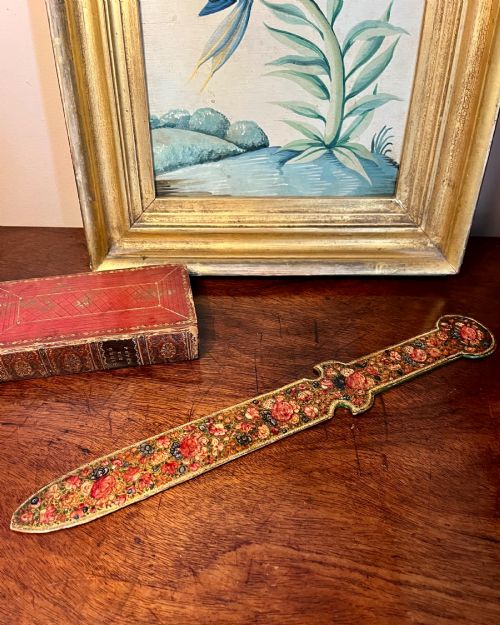
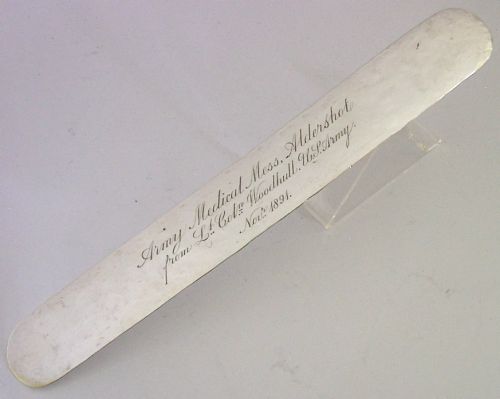
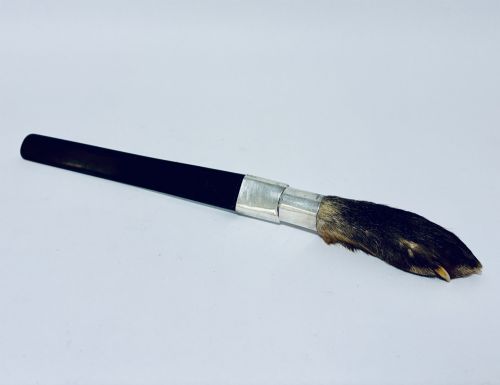
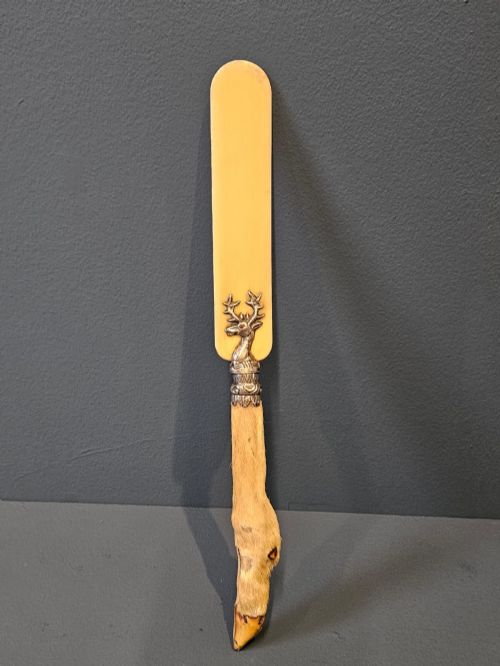
Makers produced these implements in varied forms, including dedicated page turners, combined letter openers, and music leaf turners. The surviving pieces on this page demonstrate how utilitarian desk items doubled as decorative ornaments.
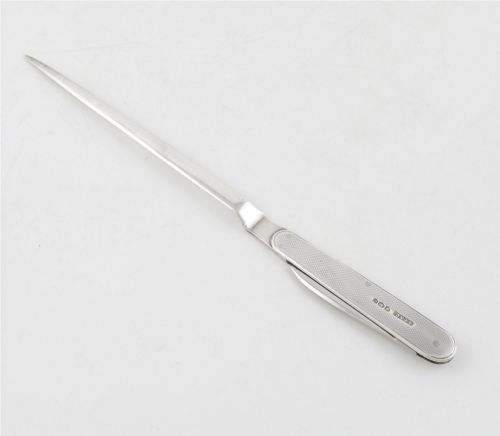
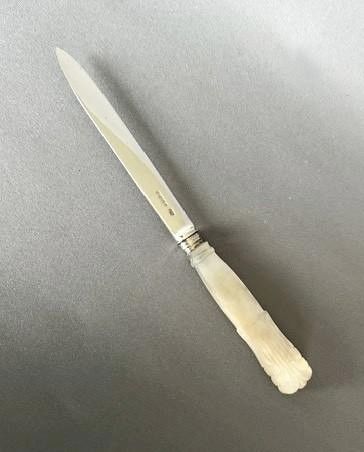
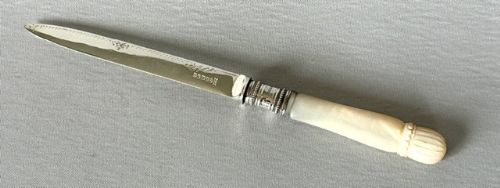
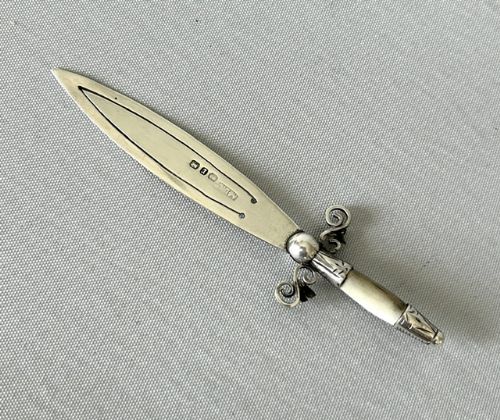
Designs range from simple turned wood handles to ornate silver blades paired with tortoiseshell or mother-of-pearl. Buyers encounter domestic English examples alongside Scottish provincial items and continental pieces.
Materials and construction methods
Craftsmen paired natural organic materials like tortoiseshell, horn, mother-of-pearl, and carved fruitwood with sterling silver mounts and handles. Organic blades provided the thin, flexible edge required to lift individual paper leaves cleanly.
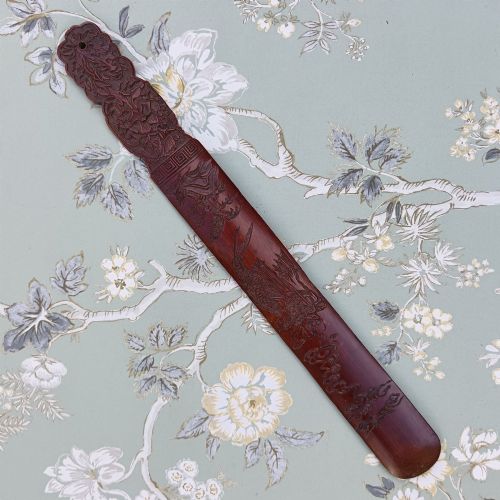
Metal components involved sterling silver, pewter, and brass, often worked with repoussé decoration, engraving, or hallmarks indicating assay offices in cities such as London, Birmingham, and Chester. Wooden examples utilised native timbers like yew, walnut, and boxwood, shaped by hand carving or chip carving.
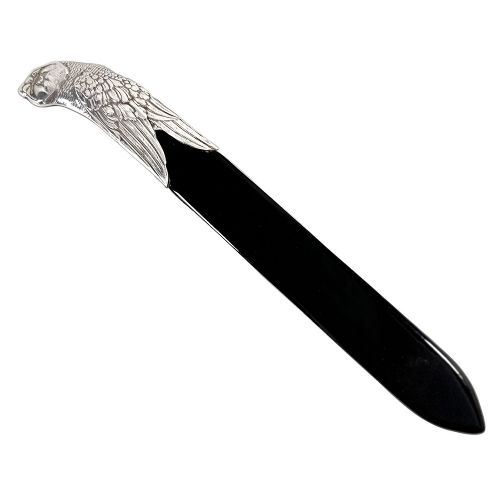
Techniques varied from simple turned wood implements to complex multi-part objects combining metal collars, inlaid white metal, and carved figural terminals representing dogs, birds, or human faces.
Antique Page Turner Retail Price Guide 2026
Typical asking prices for page turner among the pieces listed under this phrase on Sellingantiques today, from the lower quarter to the upper quarter. They describe what is for sale here now, not the wider market.
Materials recorded across the inventory include sterling silver, tortoiseshell, mother-of-pearl, horn, carved wood, and pewter.
Assessing craftsmanship and execution
Quality rests upon the harmony of the materials and the precision of the joinery between handle and blade. Finer specimens display unblemished tortoiseshell, crisp silver hallmarks, and detailed carving rather than mechanical stamping.
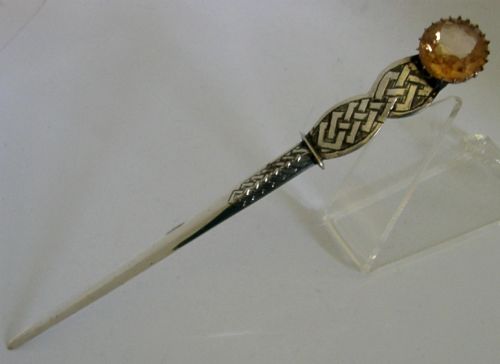
The weight and balance of the piece dictate its refinement, with superior examples offering a comfortable hand-feel and securely fitted mounts. Integrated elements, such as mounted citrines, enamel work, or intricate piercing, elevate standard desk tools into luxury objects.
Sampson Mordan & Co Ltd·Grey & Co
The Antique Page Turner Glossary
- Treen
- Small handmade wooden objects produced from domestic timbers. This term covers items fashioned on a lathe or carved by hand for everyday domestic use.
- Tortoiseshell
- The mottled brown and amber keratin shell of the hawksbill turtle. Makers prized it for its translucence and used it extensively for knife blades and inlay.
- Mother-of-pearl
- The iridescent inner layer of certain mollusc shells. Artisans sliced it into thin plates to form shimmering handles and decorative blades.
- Hallmark
- An official stamp applied to precious metals indicating purity, maker, and assay office. These marks allow collectors to date silver components accurately.
- Letter opener
- A flat blade designed for slitting paper envelopes. Many antique examples share their classification with page turners due to their overlapping forms.
Antique Page Turner: Frequently Asked Questions
What is an antique page turner used for?
These implements were originally designed to cut the folded edges of uncut pages in newly bound books and periodicals. They also allowed readers to turn pages without leaving finger marks on fine paper.
Today, collectors use them as decorative desk accessories or functional bookmarks. Their slender blades make them suitable for gentle use with modern books.
How do I date an antique silver page turner?
Dating relies heavily on the silver hallmarks stamped onto the mounts or blades. These marks reveal the assay office, the specific year letter, and the silversmith's mark.
Stylistic clues such as Arts and Crafts or Art Deco motifs also help narrow down the period of manufacture when hallmarks are absent.
Are tortoiseshell page turners fragile?
Tortoiseshell requires gentle handling because it can become brittle over time, particularly if exposed to dry heat or direct sunlight. The material responds well to stable indoor conditions and occasional light conditioning.
Careful storage away from extremes of temperature preserves the integrity of the natural shell and its silver mounts.