



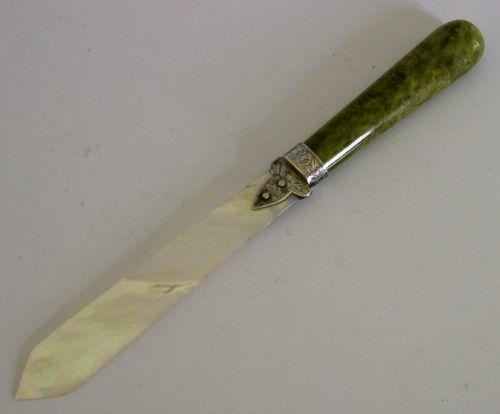
Antique Silver Letter Opener
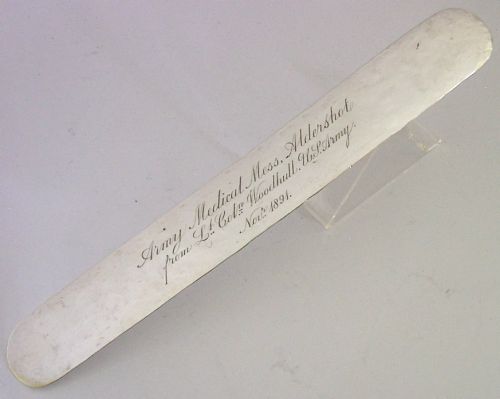
An antique silver letter opener brings functional elegance to the desk, offering a tactile way to slice through correspondence using pieces shaped by Victorian, Edwardian, and Art Deco hands.
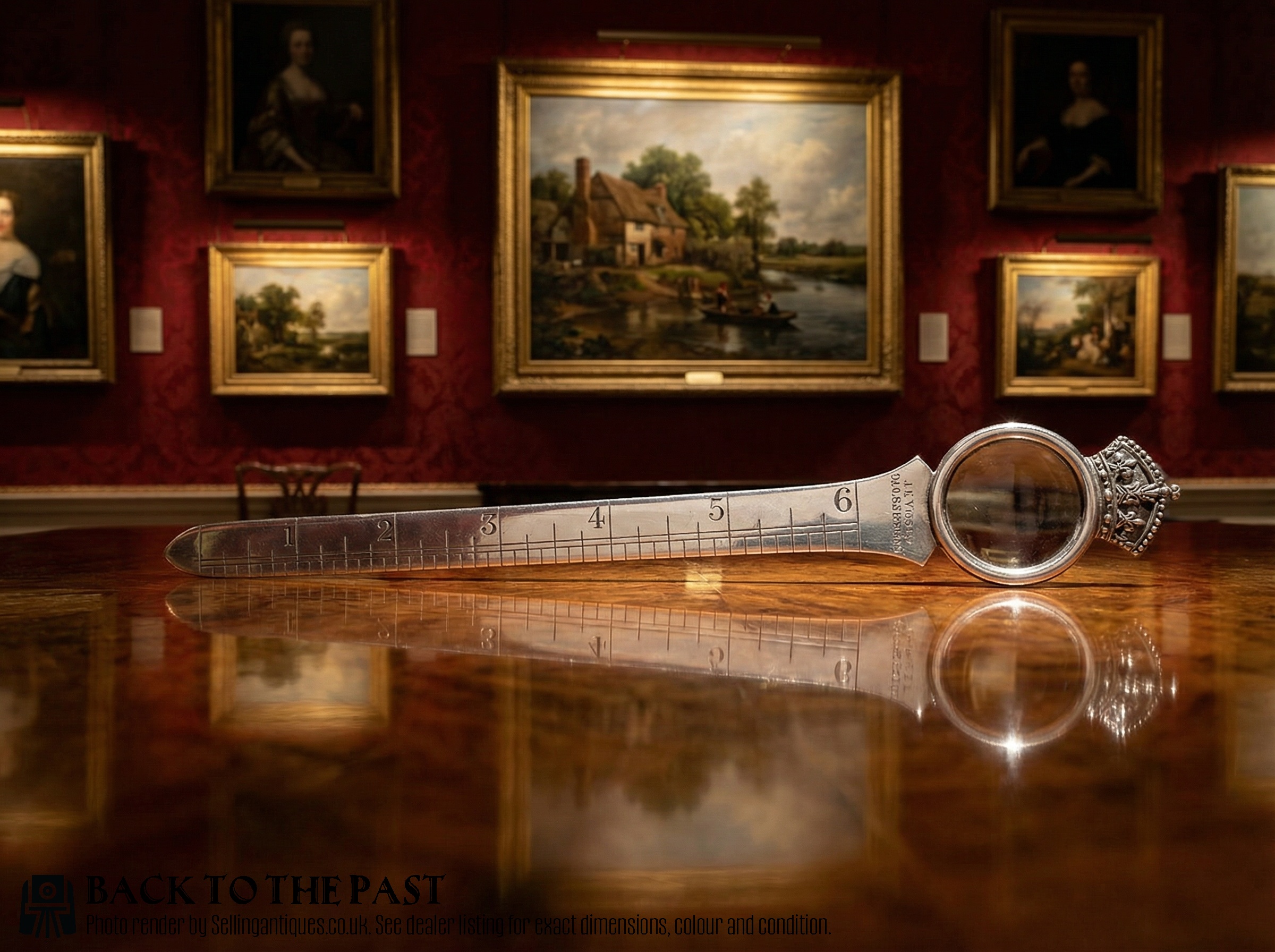
Forms and Periods
An antique silver letter opener serves as a desk accessory designed for opening envelopes and cutting pages, appearing in forms ranging from standard blades to combination tools incorporating rulers, magnifying glasses, and calendars.
The pieces on this page span the Georgian period, the Victorian era, the Art Deco movement, and later decades, reflecting diverse design priorities from utilitarian office tools to decorative novelties.
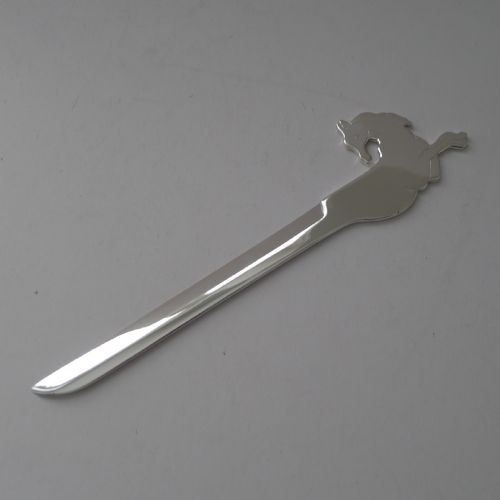
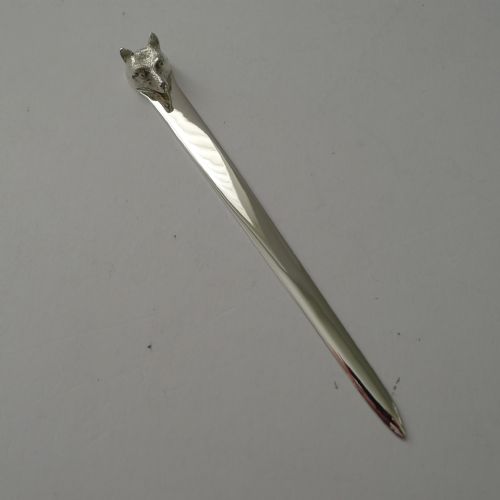
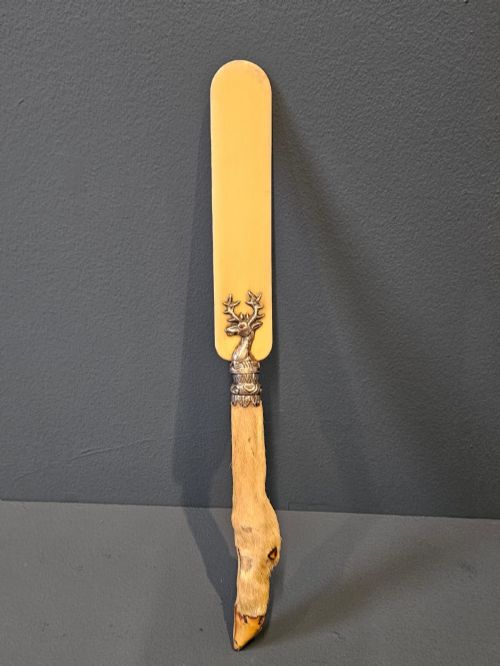
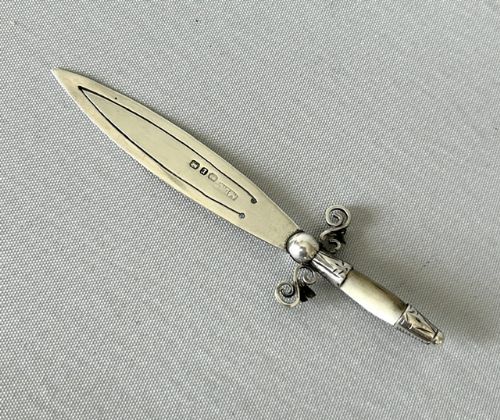
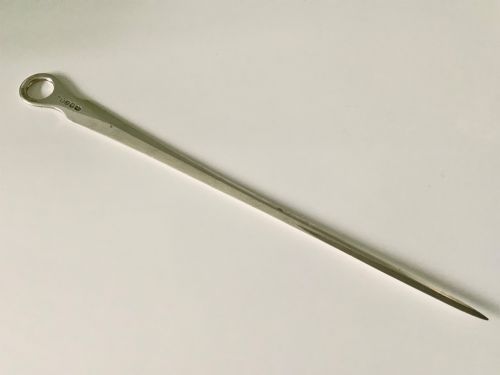
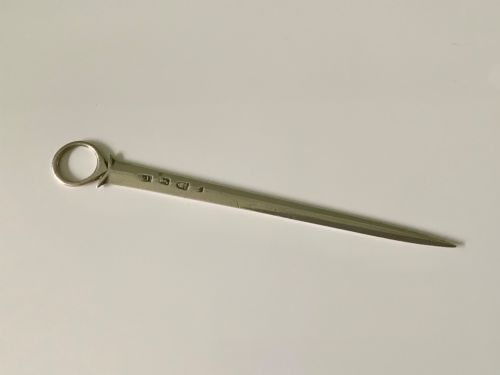
Buyers encounter variations shaped as swords, skewer conversions, and figural animal designs including pheasants, dogs, and owls, alongside standard tapering blades.
Materials and Techniques
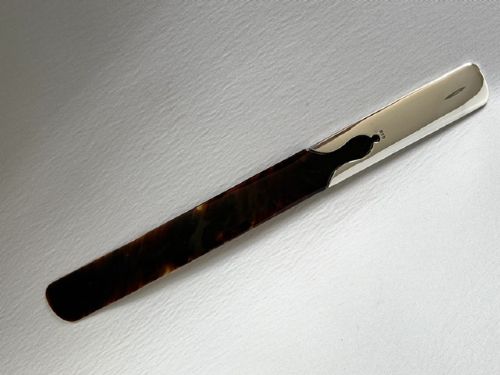
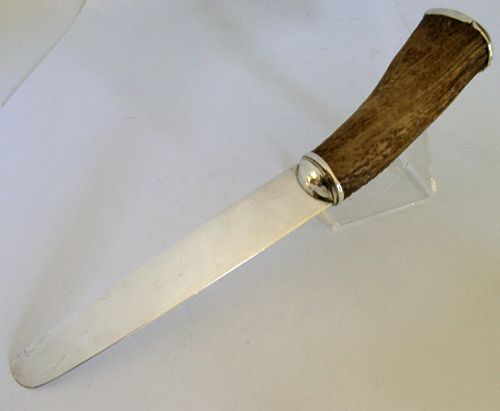
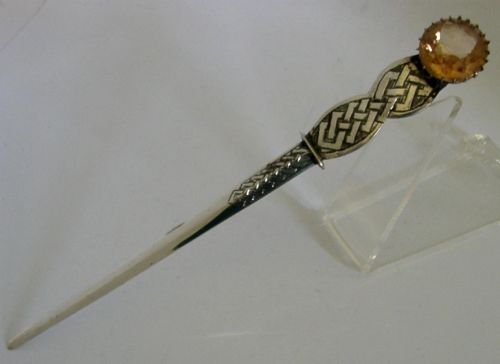
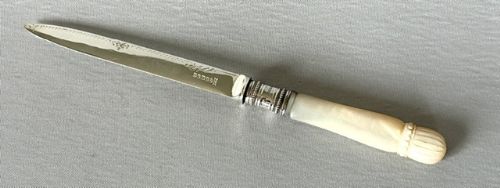
Makers shaped these items using sterling silver, solid silver, and silver gilt, frequently combining metal with organic and mineral elements such as tortoiseshell, mother of pearl, glass, jade, cairngorm, and amethyst.
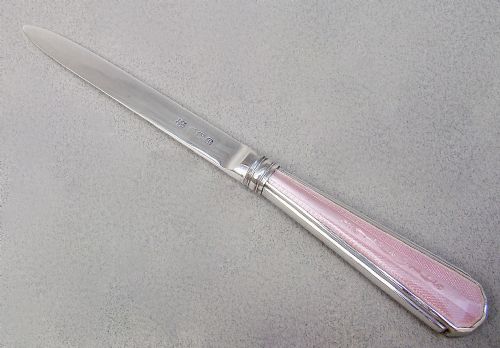
Techniques recorded in the pieces include guilloche enamel work, repoussé decoration, and specialised mountings where silver collars secure handles carved from wood, shell, or stone.
Retail Price Guide 2026
Typical UK retail prices for silver letter opener, calculated from the Sellingantiques database of over a million retail prices indexed since 2003. This retail price guide relies exclusively on Sellingantiques data; no external sources or auction records are used, so the figures do not describe the wider market.
Several silver letter openers take the form of miniature animal figures, including owls, terriers, and game birds perched on the desk.
Craftsmanship and Design
Quality rests on the complexity of the design and the integration of mixed materials, separating plain tapering blades from novelty forms shaped as animals, military sword hilts, or combination instruments.
The execution of fine details, such as engine-turned guilloche enamel, detailed repoussé work, or the precise mounting of organic inserts like tortoiseshell and mother of pearl, dictates the refinement of each desk item.
Barker Brothers·Samson Mordan·S Kirk Co·Robb Ballater
The Antique Silver Letter Opener Glossary
- Guilloche enamel
- A decorative technique involving precise, intricate mechanical patterns engraved beneath translucent layers of coloured enamel. This method appears frequently on Art Deco desk accessories.
- Repoussé
- A metalworking technique where the artisan hammers the silver from the reverse side to form a raised design on the front. American makers utilised this method for floral and figural desk pieces.
- Silver gilt
- Silver covered with a thin layer of gold on its surface, providing a rich yellow sheen. Large French examples often utilise this treatment.
- Tortoiseshell
- The mottled brown and amber shell of certain turtle species used for decorative handles and backing plates. Victorian makers paired this organic material with sterling silver mounts.
- Skewer
- A long, pointed metal culinary implement historically used for meat, which makers occasionally converted into letter openers or retained in silver desk collections.
Frequently Asked Questions
What materials are used alongside silver?
Makers combined sterling silver with various organic and mineral substances to form handles and decorative panels.
Listings show pieces featuring tortoiseshell, mother of pearl, jade, glass, enamel, cairngorm, and amethyst alongside solid silver.
How were combination openers used?
Combination openers served dual purposes on historical desks by incorporating measurement or optical tools directly into the stationery instrument.
Examples integrate folding rulers, magnifying glasses, or calendars into the design of the letter opener.
What novelties appear in these designs?
Makers shaped desk openers into figurative forms representing animals, birds, and military equipment rather than simple blades.
Surviving pieces include depictions of pheasants, owls, dogs, cats, cherubs, and military basket hilt swords.
How do I identify the period?
Dating relies on hallmarks stamped into the silver, alongside stylistic indicators from specific design movements.
Georgian, Victorian, Edwardian, and Art Deco periods each display distinct manufacturing traits and decorative motifs recorded in the maker marks.