



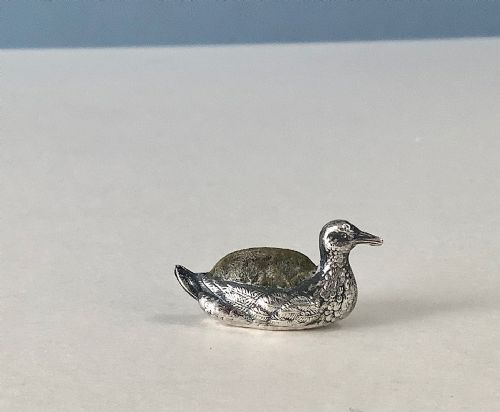


Edwardian Silver Desk Tool
These Edwardian silver desk tools are the desktop accessories that collectors prize for their combination of fine metalwork and novelty forms.
Edwardian Silver Desk Tool
An edwardian silver desk tool combines utilitarian function with the playful novelty typical of the period, taking forms such as pin cushions, letter openers, page turners, and vesta cases. These items served the writing desk of the early twentieth century, offering refined utility alongside decorative charm.
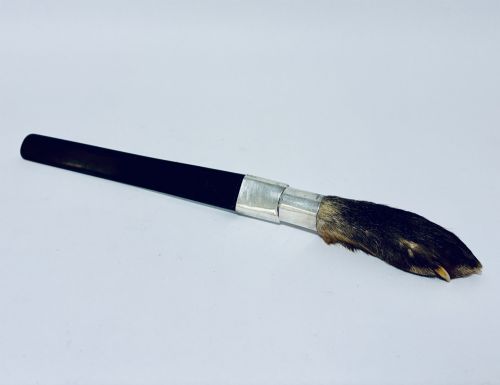
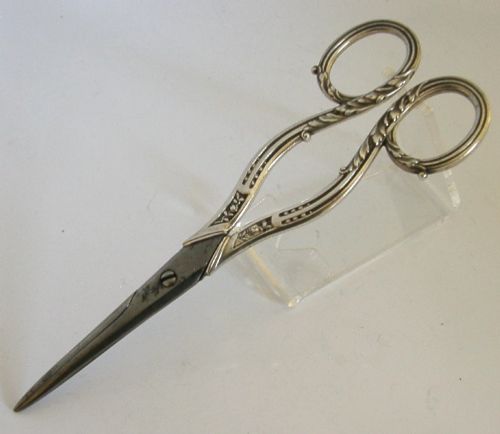
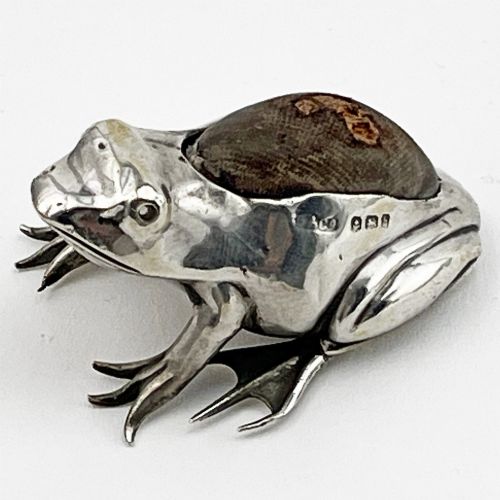
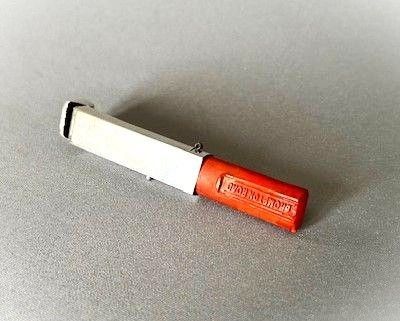
The objects seen here span desk accessories, pin cushions, letter openers, scissors, page turners, and vesta cases. Novelty items shaped as frogs, spiders, cars, foxes, ducks, and lizards are characteristic variants within this group.
Most pieces date from the Edwardian era, with additional examples spanning 1900, 1910, and 1920, reflecting the stylistic continuity between Victorian opulence and Belle Epoque elegance. French manufacture also appears alongside English origins.
Materials and construction
The primary metal utilised across these pieces is sterling silver, paired frequently with organic and tactile materials such as tortoiseshell, velvet, fabric, and sealing wax. Ebonised wood provides contrast for handles and shafts.
Working methods combine silversmithing with specialised crafting for functional elements like steel blades on scissors and letter openers. Novelty pin cushions incorporate fitted velvet upholstery to secure pins safely.
Edwardian Silver Desk Tool Retail Price Guide 2026
Typical asking prices for edwardian silver desk tool among the pieces listed under this phrase on Sellingantiques today, from the lower quarter to the upper quarter. They describe what is for sale here now, not the wider market.
Novelty forms include animals such as frogs, foxes, spiders, and ducks shaped into pin cushions and letter openers.
Factors of quality
The integration of mixed materials determines desirability, where tortoiseshell, ebonised wood, and original sealing wax remain intact alongside the silver elements. Maker attribution also elevates the standing of an individual piece.
Sampson Mordan·Sampson Mordan and Co
The Edwardian Silver Desk Tool Glossary
- Vesta case
- A small pocket or desk box designed to hold wax matches. These often incorporate functional combinations like sealing wax holders.
- Page turner
- A long, flat implement used to separate the uncut pages of books. They feature handles of silver paired with blades of tortoiseshell or ebonised wood.
- Pin cushion
- A stuffed form designed for holding pins during sewing or desk work. Novelty versions take whimsical animal and vehicle shapes executed in silver.
- Sealing wax
- A hard wax melted to seal letters or documents. Desk tools frequently incorporate compartments or holders for this material.
Edwardian Silver Desk Tool: Frequently Asked Questions
What is an edwardian silver desk tool?
These items are functional and decorative accessories created for the writing desk during the early twentieth century. They encompass practical implements and novelty items alike.
Materials include sterling silver combined with tortoiseshell, velvet, and ebonised wood, reflecting the craftsmanship of the period.
How were novelty pin cushions used?
Novelty pin cushions served a practical purpose on the desk or dressing table while providing whimsical decoration. Figures like frogs, spiders, and ducks held pins within upholstered velvet inserts.
They represent a lighter side of period silver manufacturing, blending utility with collectible charm.
What materials are found on these tools?
Sterling silver and standard silver form the structural and decorative metalwork across the pieces. Other materials include velvet, sealing wax, steel, tortoiseshell, fabric, and ebonised wood.
Combinations of silver with tortoiseshell or ebonised wood are particularly typical for page turners and letter openers.
How do I identify an Edwardian piece?
Edwardian items date from the reign of Edward VII and the broader stylistic window around the early 1900s to 1920. They often share design traits with Victorian and Belle Epoque pieces.
Hallmarks, maker marks like Sampson Mordan, and specific material usage help confirm the period.