

Antique Letter Opener
When choosing an antique letter opener, you select a functional desk accessory spanning Georgian to Art Deco periods, crafted from silver, tortoiseshell, and wood.
Antique Letter Opener
An antique letter opener serves as a writing desk instrument designed to slice through paper envelopes and pages with ease. These pieces appear frequently across Victorian, Edwardian, and Georgian periods in various domestic and study settings.
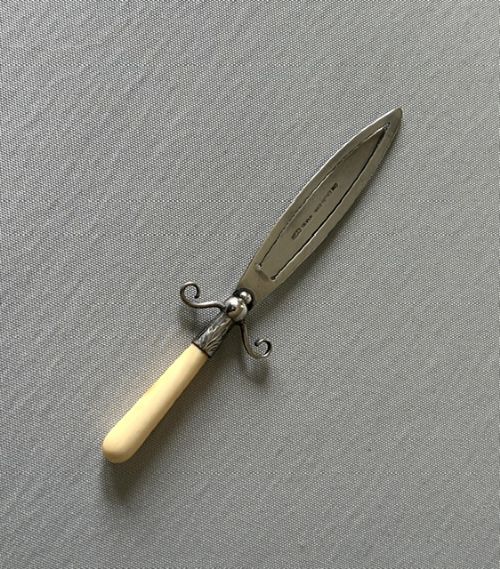
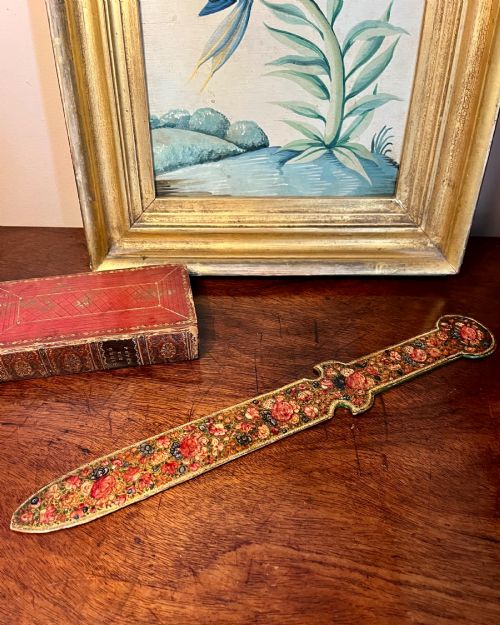
Makers produced these items in forms ranging from simple silver blades to combination pieces incorporating rulers, magnifiers, and bookmarks. Buyers encounter diverse regional styles, including Scottish provincial designs and international export silver.
The material selection spans precious metals, organic substances like tortoiseshell and horn, and carved hardwoods. Each variant reflects the writing habits and desk ornamentation trends of its specific decade.
Materials and Construction Techniques
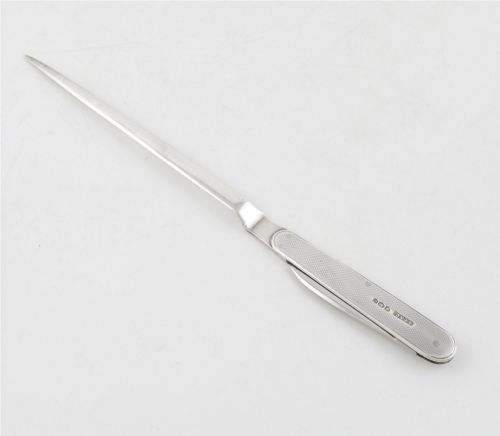
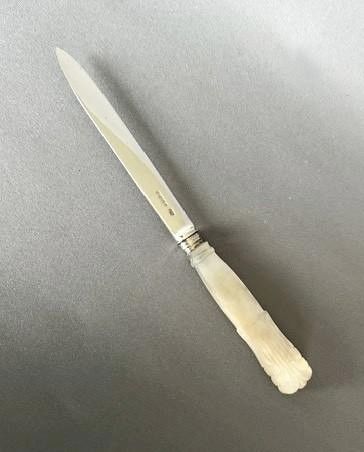
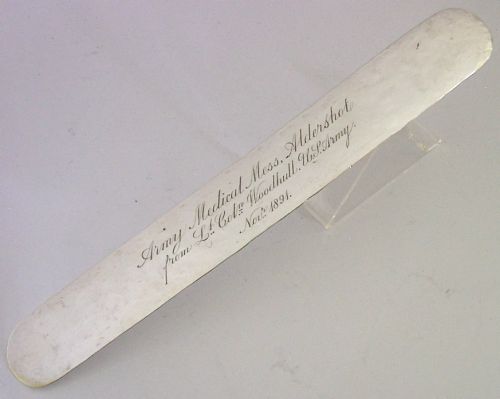
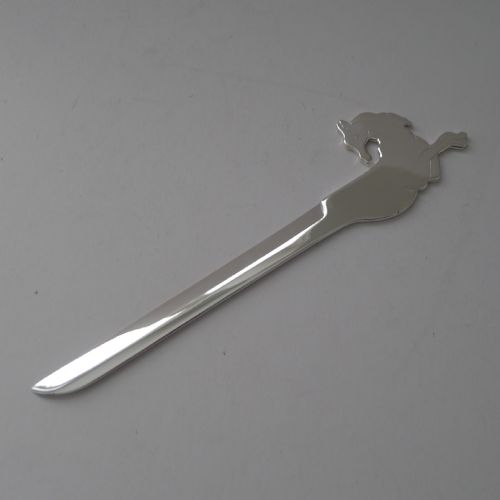
Silversmiths forged sterling silver and coin silver into blades and handles, often applying hallmarks to record assay office, year, and maker. Workshops combined these metal components with natural organic elements such as mother-of-pearl, agate, and tortoiseshell.
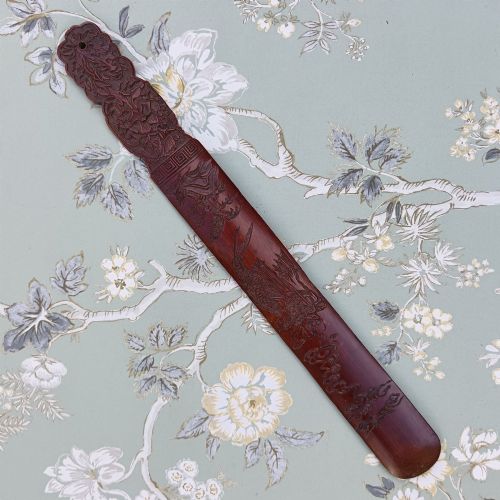
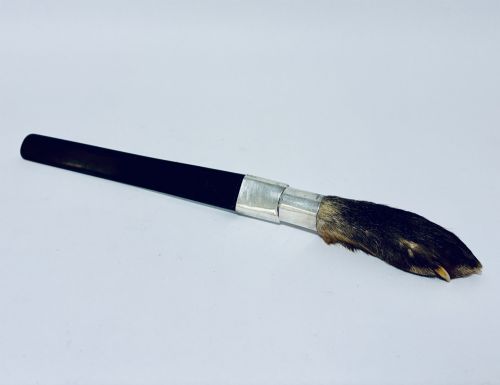
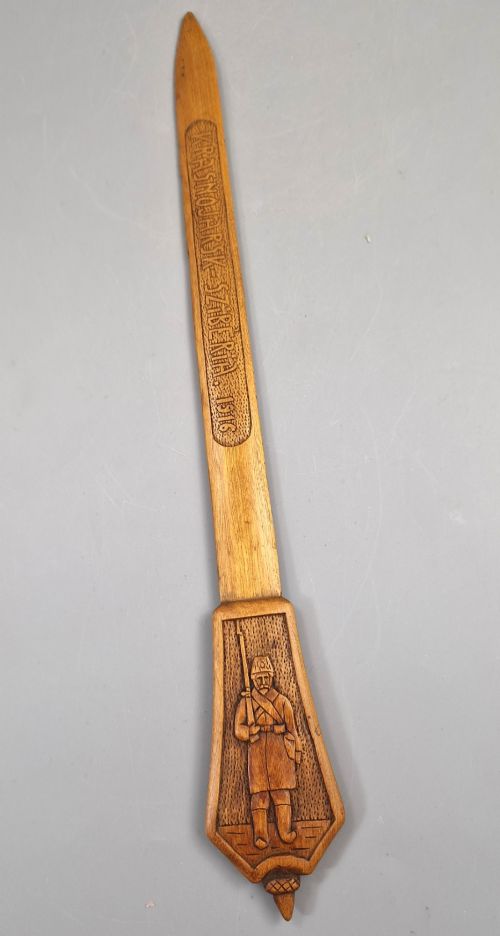
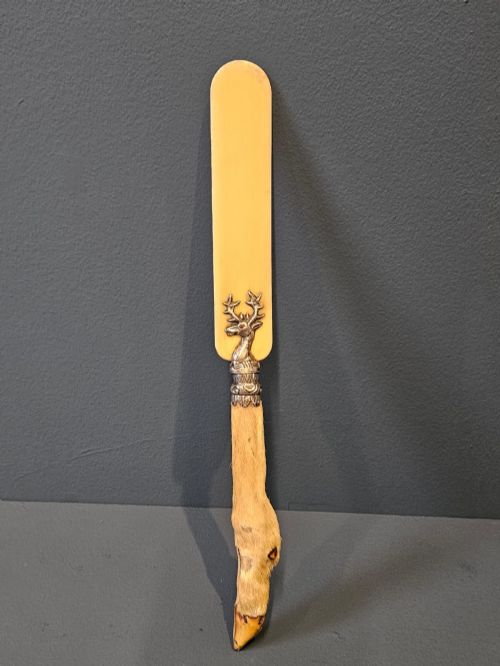
Carvers shaped wood, horn, and bone into slender page turners and handles, occasionally utilising ebonisation or trench art carving techniques. Mounts and collars in brass or silver reinforced the junction between handle and blade.
Antique Letter Opener Retail Price Guide 2026
Typical asking prices for letter opener among the pieces listed under this phrase on Sellingantiques today, from the lower quarter to the upper quarter. They describe what is for sale here now, not the wider market.
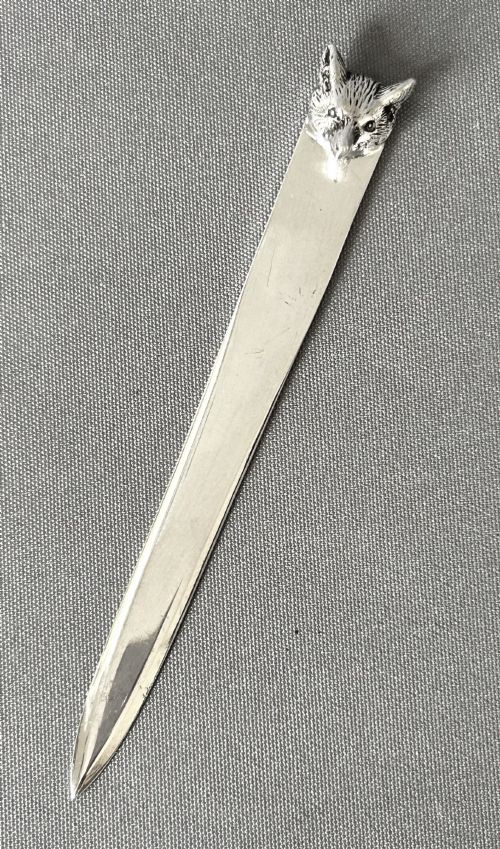
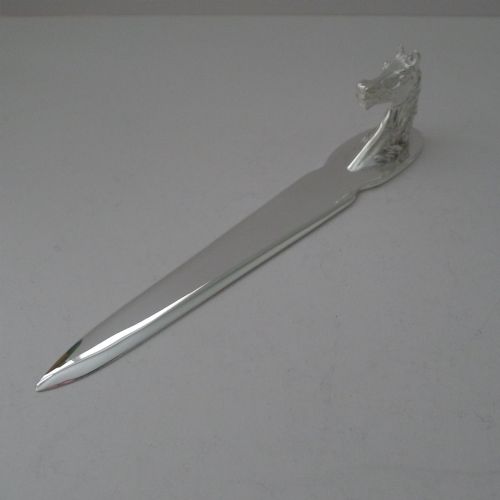
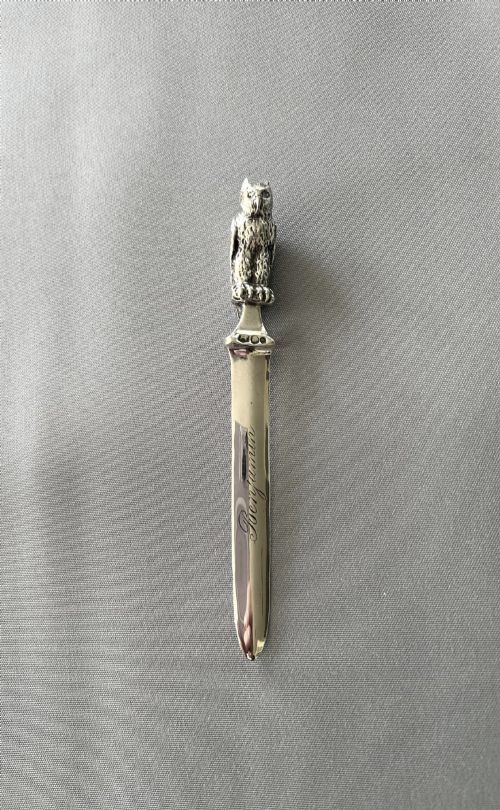
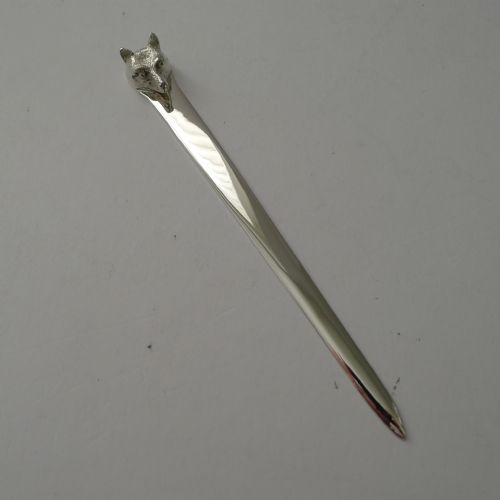
Several pieces take the form of novelty animals, featuring silver dogs, cats, ducks with glass eyes, and monkeys.
Markers of Quality and Execution
Quality rests upon the crispness of the chasing, the secure union of blade to handle, and the clarity of assay hallmarks. Superior examples display detailed figural finials or specialised combination functions like folding rulers.
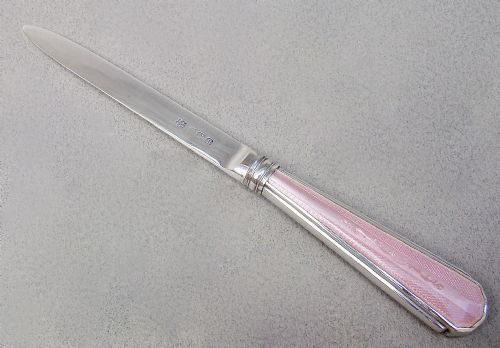
Material selection dictates distinction, where translucent tortoiseshell, carved hardstones like agate, and well-preserved guilloche enamel elevate an ordinary desk tool into fine craftsmanship.
The Barker Brothers·Samson Mordan·Moses Brent·William Graeme·A Barrett
The Antique Letter Opener Glossary
- Hallmark
- Official stamps struck into precious metal indicating the standard of purity, assay office, and year of manufacture. These marks provide precise dating for silver desk items.
- Page Turner
- A larger, wider instrument designed for separating uncut pages in books and periodicals. They often share forms with standard letter openers.
- Treen
- Small handmade wooden domestic objects fashioned by turning on a lathe or carving by hand. Collectors prize older treen for its patina and tool marks.
- Guilloche
- A decorative mechanical technique whereby precise intricate patterns are engraved into metal beneath translucent enamel. It appears frequently on Art Deco pieces.
- Kozuka
- The small utility knife housed in the side of a Japanese samurai sword scabbard, often featuring bronze or silver fittings collected separately as desk items.
Antique Letter Opener: Frequently Asked Questions
How are periods identified on silver pieces?
Makers stamped official hallmarks directly onto the metal components, recording specific assay office symbols and date letters. Comparing these stamps against standard assay records reveals the exact year of production.
Stylistic cues such as Art Deco geometric enamel or Georgian silversmithing further corroborate the era of manufacture.
What materials commonly appear on these handles?
Handles incorporate mother-of-pearl, tortoiseshell, hardstones like agate, carved wood, and solid sterling silver. Makers selected these substances for tactile comfort and visual contrast against metal blades.
Organics like horn and bone also surface frequently, shaped by hand or turned on a lathe.
How should these items be displayed at home?
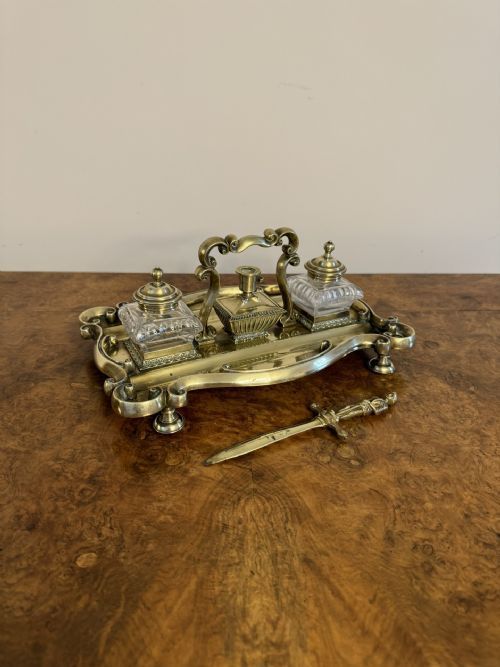
These pieces fit naturally upon writing desks, side tables, and bookshelves alongside other vintage stationery and inkstands. Their slender profiles allow flat display on surfaces or upright placement in small desk containers.
Keeping them away from direct heat protects organic elements like tortoiseshell and mother-of-pearl from drying out.