



Edwardian Silver Paper Knife
An edwardian silver paper knife brings fine silverwork and natural materials together to clear your post with quiet elegance.
Edwardian Silver Paper Knife
When you search for an edwardian silver paper knife, you are looking at functional desk accessories designed to slice envelopes and turn book pages with care. These pieces span the Edwardian period alongside adjacent George V and Victorian dates, reflecting the refined stationery habits of the early twentieth century.
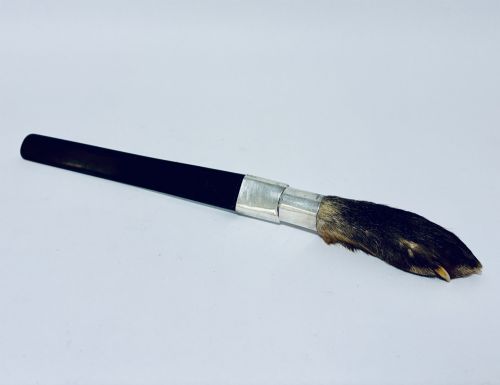
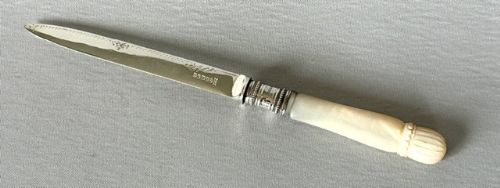
You will most commonly encounter sterling silver mounts paired with tortoiseshell, mother-of-pearl, or ebonised wood. Formats vary from straightforward silver blades to elaborate page turners and novelty animal designs.
Origin details often point to London or Chester assay offices, with makers ranging from established retailers to specialist silversmiths. Each item balances practical utility with decorative appeal for the desk.
Materials and construction
Maker workshops combined solid sterling silver and silver plate with organic elements like tortoiseshell, mother-of-pearl, agate, and Connemara marble. Blades were fashioned directly from silver or formed from supportive materials with silver mounts.
Techniques included delicate riveting, secure silver framing, and hand-carving of natural shell and stone. Ebonised wood and enamel additions provided contrast and colour to the metalwork.
Edwardian Silver Paper Knife Retail Price Guide 2026
Typical asking prices for edwardian silver paper knife among the pieces listed under this phrase on Sellingantiques today, from the lower quarter to the upper quarter. They describe what is for sale here now, not the wider market.
Assessing quality in desk accessories
Quality rests on the integrity of the materials and the precision of the assembly. Finer pieces demonstrate seamless joins between silver mounts and fragile organic substances like tortoiseshell or shell.
The weight of the sterling silver and the crispness of any hallmark or engraved detail distinguish standard production from exceptional examples. Novelty forms and specialist enamel work elevate a piece above simpler utility items.
William Graeme·A Barrett Piccadilly London·Sampson Mordan Co·Tiffany Co
The Edwardian Silver Paper Knife Glossary
- Page turner
- A longer desk tool designed for sliding between uncut pages of books or journals without tearing the paper. They frequently measure longer than a standard envelope opener.
- Assay office
- An official body that tested precious metals and stamped items with hallmarks to guarantee metal purity. Towns like London and Chester operated such offices.
- Sterling silver
- An alloy comprising a high percentage of silver combined with other metals to ensure durability for daily handling. Hallmarks often verify this standard.
- Ebonised wood
- Timber treated to resemble dark ebony wood, offering a sleek contrast to silver mounts. It appears on handles and specialised shafts.
- Tortoiseshell
- A decorative material derived from the shell of certain marine turtles, valued for its translucent amber and brown patterns. It was frequently paired with silver.
Edwardian Silver Paper Knife: Frequently Asked Questions
How do I clean the silver and shell?
Use a soft, dry cloth to remove dust from both the metal and organic sections. Avoid liquid chemical dips, as they can damage tortoiseshell, mother-of-pearl, and enamel.
Polish the sterling silver gently with a dedicated silver cloth while taking care not to snag it on older joins or natural materials.
Can I still use these for modern letters?
These pieces function well for opening modern envelopes and turning pages in books. Their slim profiles slice through paper cleanly.
Exercise moderate care when handling items featuring delicate shell or tortoiseshell to preserve their condition during daily use.
How do I spot a reproduction?
Examine the piece for authentic period hallmarks, appropriate weight, and signs of genuine age in the wear patterns. Modern reproductions often lack the subtle hand-finishing seen on early twentieth-century items.
Natural materials like tortoiseshell and mother-of-pearl also exhibit distinct organic properties that synthetic plastics struggle to replicate accurately.