


Victorian Smelling Salts Box
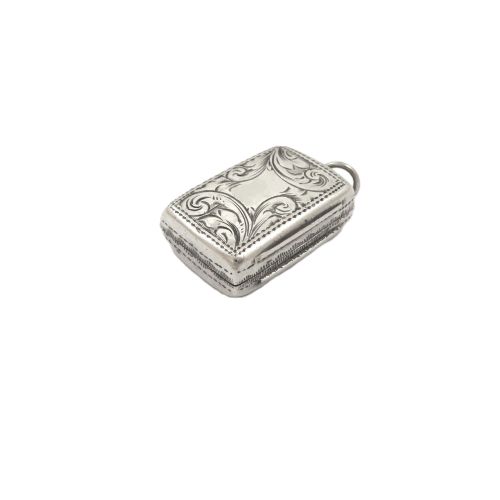
A victorian smelling salts box is a small, precious receptacle for revivements, blending fine metalwork with functional elegance to charm the dressing table.
Victorian Smelling Salts Box
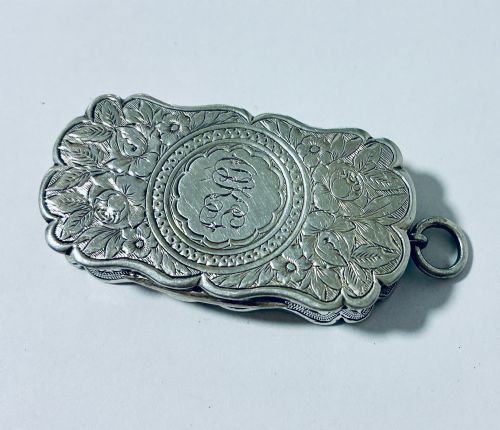
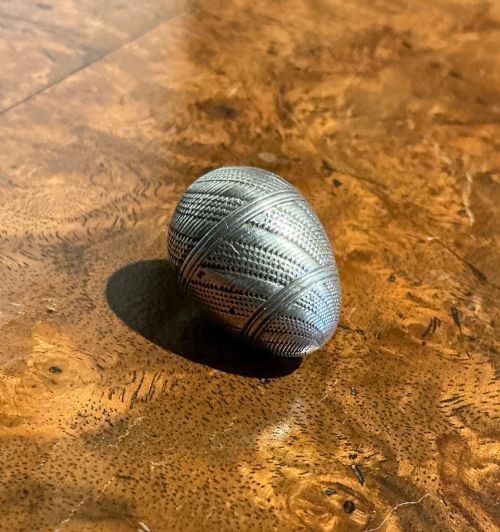
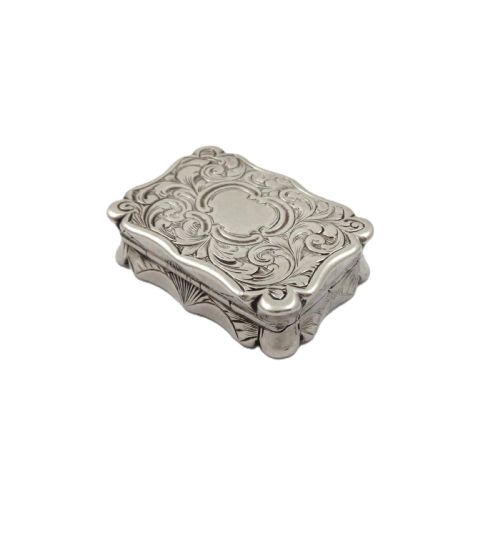
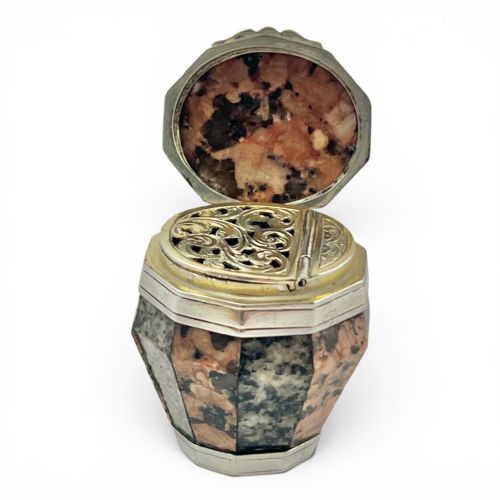
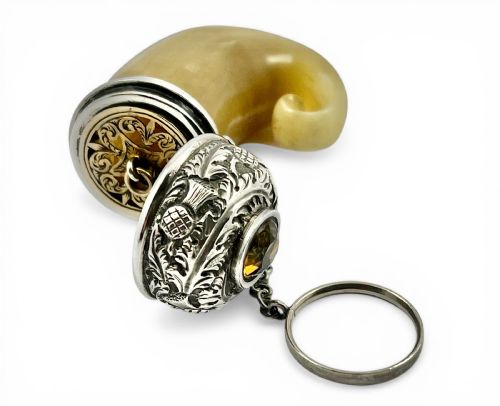
The objects on this page embrace diverse iterations, from egg shapes and barrels to walnut stylings and architectural castle top designs. Materials range across sterling silver, gilt metal, leather, silk, velvet, granite, horn, and citrine, reflecting varied regional tastes including Victorian Scottish pieces.
Makers such as Horton and Allday, Nathaniel Mills, Edward Smith, and Samson Mordan feature among the works listed. Dating ranges from eighteen hundred through the mid to late nineteenth century, capturing the height of Victorian pocket luxury.
Materials and construction
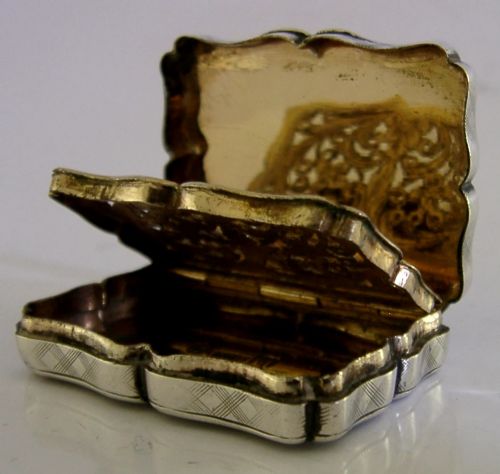
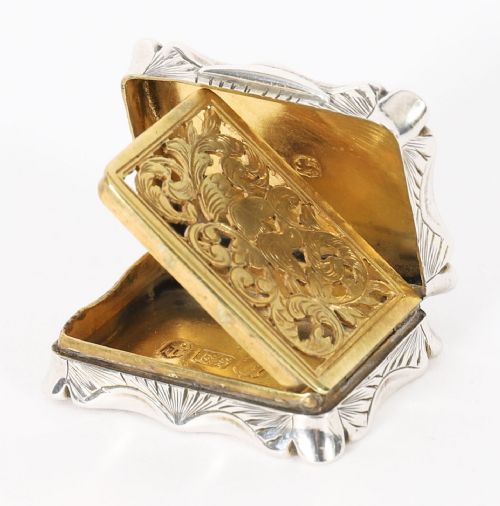
Silversmiths constructed the primary body of these boxes using sterling silver, often enhancing the interior with gold gilding to prevent the acidic salts from corroding the metal. Artisans employed detailed chasing, engraving, and casting techniques to achieve specific forms like walnuts, eggs, and barrel shapes.
Specialist workers integrated organic and decorative elements such as Scottish granite, horn, and citrine into the metal mounts. Interiors frequently housed pierced and engraved silver grilles designed to hold a sponge soaked in aromatics.
Object forms span from standard silver boxes and scent bottles to specialised shapes like eggs, barrels, and walnuts.
Distinctions in craftsmanship
Quality rests in the crispness of the exterior chasing and the precision with which hinged lids and internal pierced grilles fit their housings. Finer examples display intricate pictorial scenes, such as architectural castle top views, executed with high relief.
The choice of supplementary materials elevates certain pieces, distinguishing standard silver boxes from those incorporating polished Scottish granite, citrine, or specialised figural shapes like the walnut style by Samson Mordan.
Horton and Allday·Nathaniel Mills·Edward Smith·Samson Mordan
The Victorian Smelling Salts Box Glossary
- Vinaigrette
- A small ornamental box featuring an internal pierced grille, used for holding a sponge soaked in aromatic vinegar or smelling salts. These items were essential accessories for nineteenth-century gentlefolk.
- Castle top
- A descriptive term for boxes featuring high-relief topographical engravings of famous buildings or landmarks on the lid. This style represents a pinnacle of Victorian metalwork.
- Silver gilt
- Silver that has been coated with a thin layer of gold on its interior or exterior surfaces. This technique protected the base metal from chemical reactions with potent salts.
- Sterling silver
- A silver alloy containing ninety-two point five percent pure silver by mass and seven point five percent other metals, usually copper. It provides the durable foundation for the majority of these boxes.
Victorian Smelling Salts Box: Frequently Asked Questions
What is a vinaigrette box?
A vinaigrette box is a small pocket container designed to hold a sponge soaked in aromatic vinegar or smelling salts. They were carried by Victorians to combat unpleasant odours or faintness in crowded spaces.
Inside the hinged lid, these boxes feature a finely pierced and engraved silver grille that kept the saturated sponge separate from the user.
How do I date these boxes?
Dating relies heavily on British hallmarks stamped directly onto the silver, which indicate the assay office, year, and maker. Stylistic elements, such as architectural castle top lids or specific Victorian Scottish motifs, also help narrow the period.
Pieces span from Georgian origins through the nineteenth century, with many bearing specific dates from the eighteen thirties to the eighteen eighties.
Were these used for smelling salts?
Yes, alongside liquid vinegars, these containers held pungent smelling salts intended to revive someone feeling faint. The secure closure prevented the strong aromas from leaking into pockets or reticules.
The internal gilt wash protected the silver from the corrosive nature of the acidic salts and vinegars.
What materials are used?
Sterling silver and silver gilt form the primary structure of most examples. Artisans also incorporated materials like leather, silk, velvet, granite, horn, and citrine.
Scottish varieties frequently utilised local stones and organic materials to create distinctive regional designs.