



Antique Silver Pillbox
An antique silver pillbox is a small, portable container for medicines or tobacco, offering neat craftsmanship that slips easily into a pocket or sits on a dressing table.
Antique Silver Pillbox
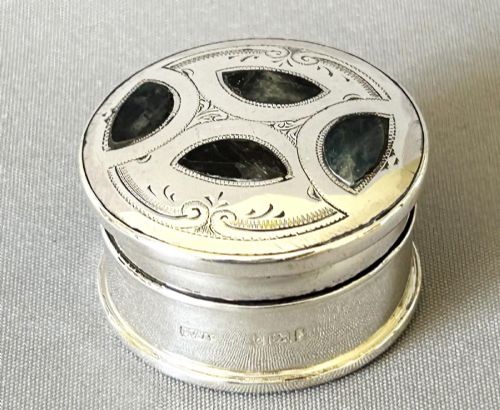
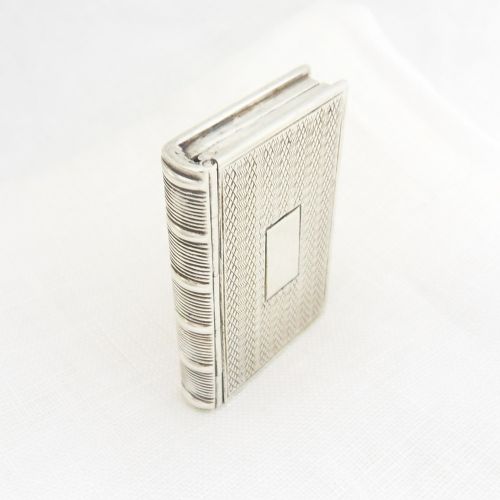
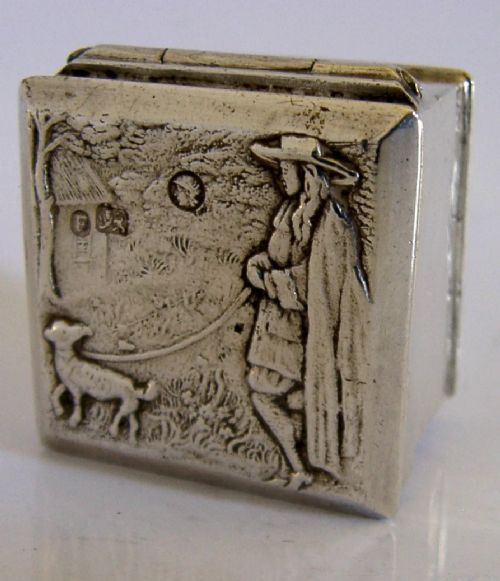
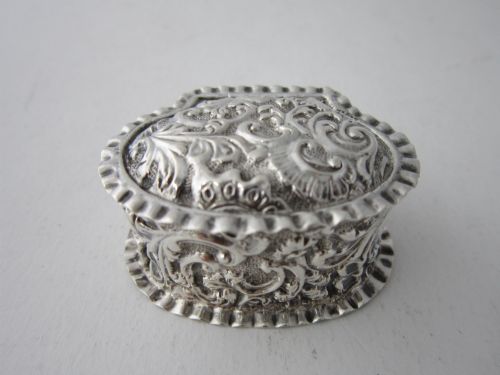
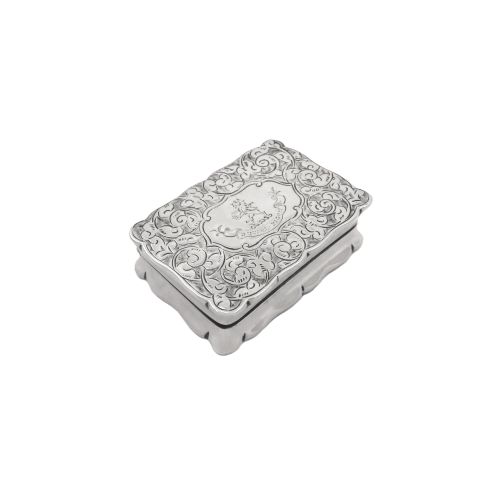
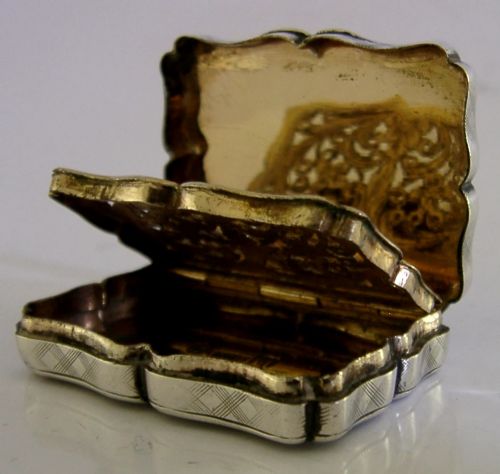
When you search for an antique silver pillbox, you encounter small receptacles designed for carrying personal doses or dry goods, appearing frequently across the Victorian and Edwardian periods. The items on this page span several forms including heart-shaped trinkets, pocket snuff boxes, and hinged vinaigrettes with pierced inner grilles. Most examples you meet here are sterling silver, reflecting the domestic output of the nineteenth and early twentieth centuries.
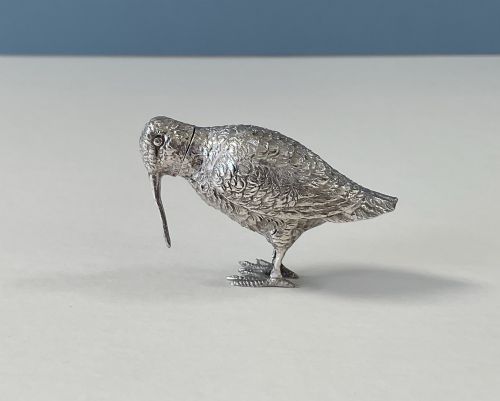
The styles range from plain Georgian pocket boxes to ornate Victorian creations bearing Welsh mottos, alongside later Arts and Crafts enamel pieces and Art Deco geometries. You also find novelty items modelled as animals such as a snipe, as well as coin-inset containers and small waistcoat pocket ovals. These pieces served practical daily needs for prosperous owners who valued compact personal luxury.
How they were made
Silversmiths formed these containers using sterling silver sheet, hammering and soldering the metal into hinged boxes with tight-fitting lids. Many examples feature interior gold gilding or vermeil finishes to protect the silver from corrosive contents like salts and aromatic vinegars.
Makers embellished surfaces through hand chasing, engraving, and applied enamel work, occasionally setting stones such as amethysts into the lids. Piercing techniques created the internal grilles found in vinaigrettes, allowing scented sponges to release fragrance.
Antique Silver Pillbox Retail Price Guide 2026
Typical asking prices for silver pillbox among the pieces listed under this phrase on Sellingantiques today, from the lower quarter to the upper quarter. They describe what is for sale here now, not the wider market.
Listings include materials such as sterling silver, vermeil, enamel, gold gilding, and amethysts across Victorian, Georgian, and Art Deco styles.
What varies in quality
The distinction between standard containers and finer works rests on the crispness of the chasing and the precision of the hinge mechanism. Superior pieces maintain tight lid closures and retain their original gilding or enamel without chipping.
Attribution to known makers or specific novelty forms elevates a piece beyond utilitarian boxes. The presence of clear hallmarks adds documentary weight, whereas worn decoration and sloppy soldering indicate lesser workshop standards.
Fleetwood Varley·Nathaniel Mills·Joseph Wilmore·Hermes Paris·Asprey
The Antique Silver Pillbox Glossary
- Vinaigrette
- A small box containing a perforated internal grill that covers a sponge soaked in aromatic vinegar. These were carried to provide relief from unpleasant odours.
- Sterling silver
- An alloy consisting of ninety-two point five percent silver by mass, with the remainder being copper or other metals. British pieces standardly carry the lion passant hallmark.
- Gilding
- A thin layer of gold applied to the interior or exterior surface of a silver object. This technique prevents the silver from tarnishing when exposed to acidic contents.
- Snuff box
- A small hinged container used for holding finely ground tobacco inhaled through the nose. They were standard gentleman's accessories throughout the Georgian and Victorian eras.
Antique Silver Pillbox: Frequently Asked Questions
What is an antique silver pillbox?
These items are small lidded receptacles fashioned from silver to hold personal items like medicines, powders, or tobacco. They were carried in pockets or kept on dressing tables by people of means.
The listings show various forms including heart-shaped trinket boxes, waistcoat pocket ovals, and novelty animal shapes. Each reflects the prevailing decorative taste of its manufacturing period.
What periods do these silver boxes come from?
The pieces span from the Georgian era through the Victorian and Edwardian periods, extending into mid-century designs. Hallmarks often stamped inside the lid or base help confirm the exact year of manufacture.
Stylistic shifts trace a path from plain eighteenth-century pocket boxes to ornate Victorian engraving and later Art Deco geometric lines.
How were these silver boxes used historically?
Owners carried them daily in pockets or handbags as functional personal accessories for medicines, snuff, or aromatic scents. They allowed individuals to manage minor ailments or freshen air discreetly while away from home.
Finer decorated versions also served as decorative display items on parlours and dressing tables, signalling social standing and refined taste.