
Antique Birmingham Silver
When you search for antique birmingham silver, you encounter small desk items, boxes, and personal accessories bearing the marks of the midland assay office.
Antique Birmingham Silver
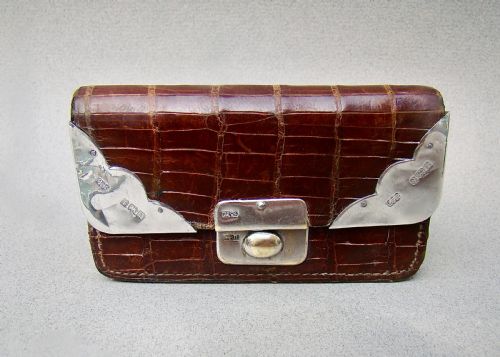
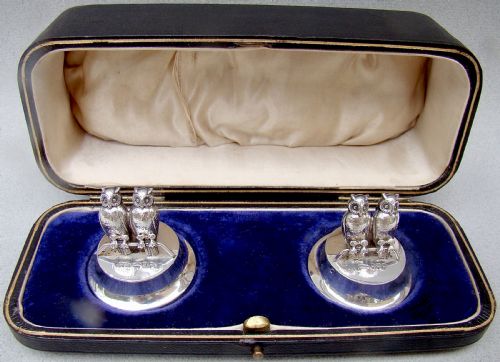
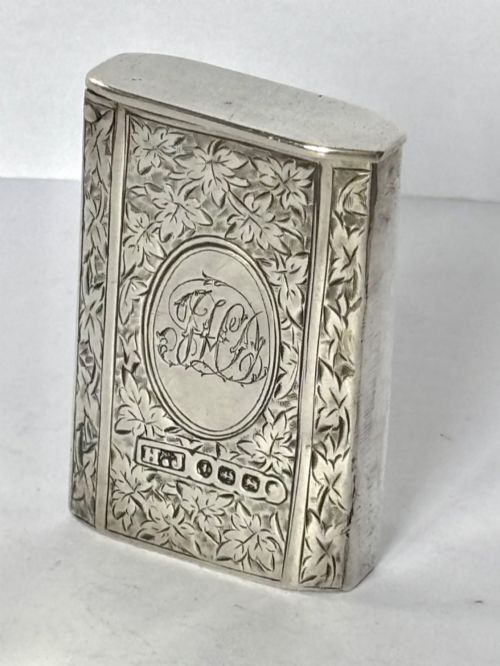
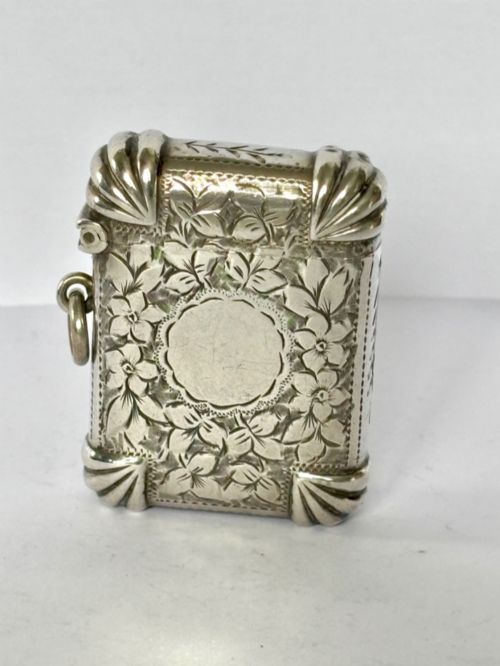
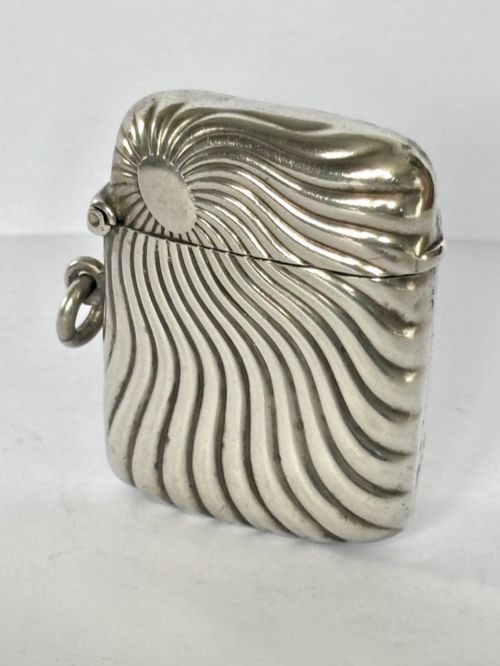
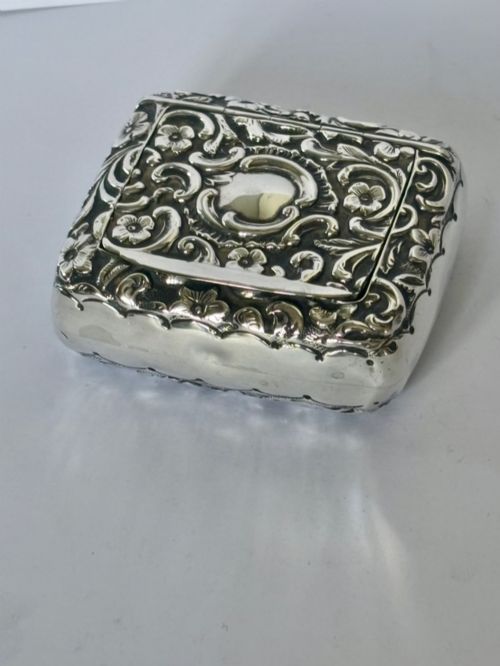
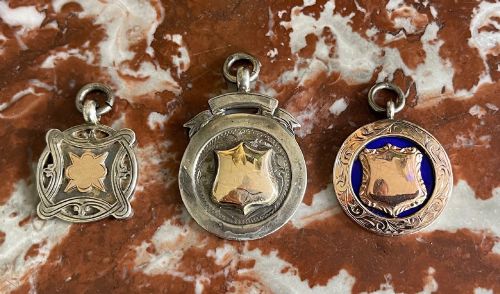
Antique birmingham silver encompasses a diverse range of functional and decorative items produced across the Victorian, Edwardian, and Art Deco periods. Buyers frequently encounter personal accessories such as vesta cases, snuff boxes, card cases, and novelty pin cushions shaped like animals or everyday objects.
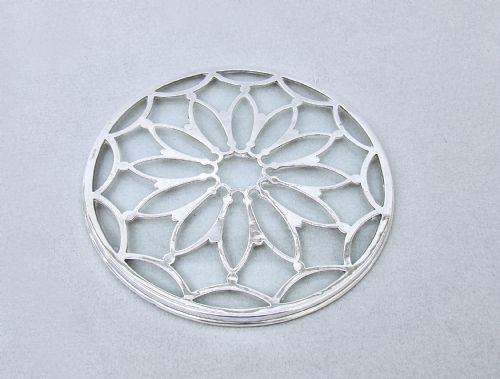
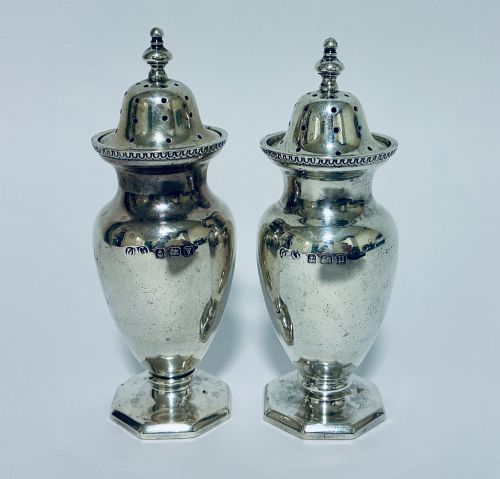
Tableware and desktop pieces also appear regularly on this page, including picture frames, inkwells, pepper pots, and tea caddies. These objects reflect the immense manufacturing output of the midland workshops through the nineteenth and early twentieth centuries.
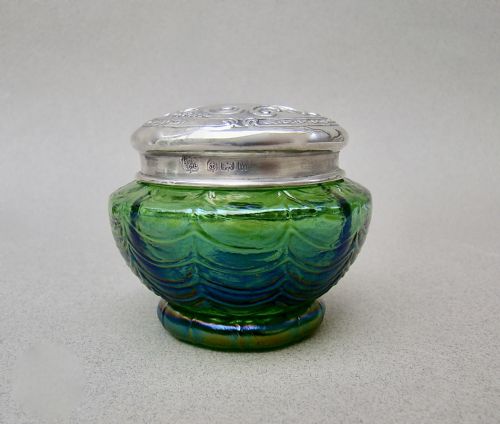
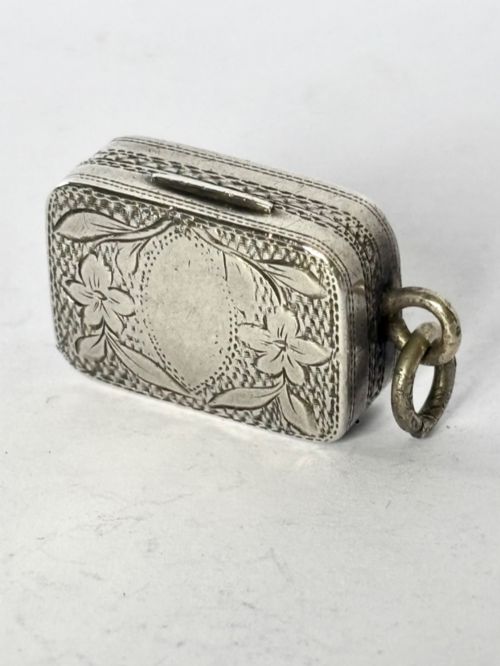
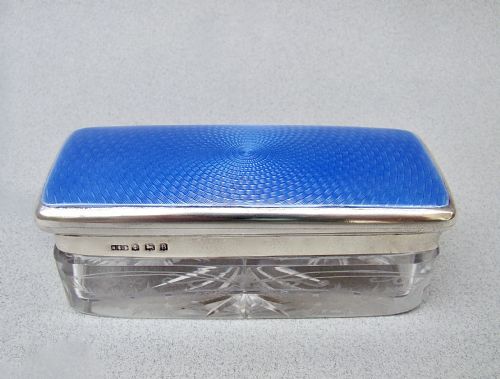
The selection ranges from Georgian vinaigrettes and William IV gilt boxes to geometric Art Deco enamel compacts and dressing table jars. Each piece carries the distinct anchor hallmark confirming its origin in the city.
How They Were Made
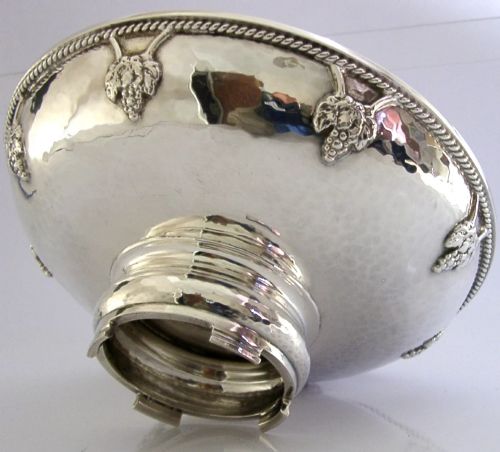
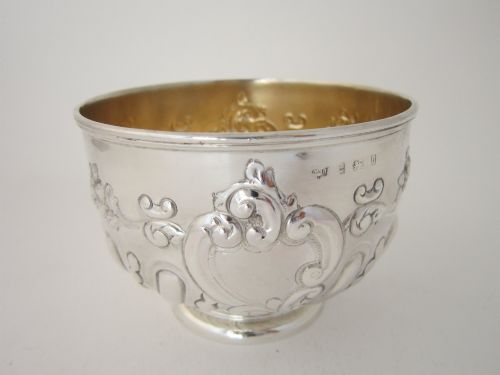
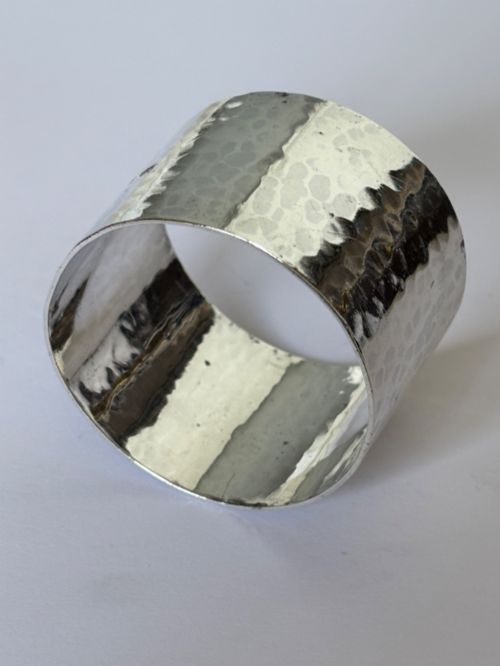
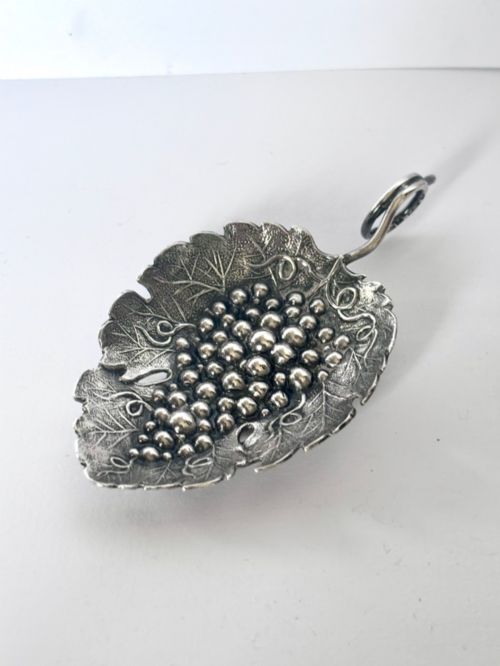
Silversmiths shaped sterling silver through hammering, stamping, and casting, frequently combining the metal with glass, wood, leather, or tortoiseshell. Many items feature embossed or engraved surface decoration executed by hand.
Enamelling techniques, particularly guilloché, added vibrant colour to cigarette cases, compacts, and jars during the Art Deco era. Gilding was applied to the interior of vinaigrettes and snuff boxes to protect the silver from corrosive contents.
The documented object types range from vesta cases, trinket boxes, and snuff boxes to picture frames, pin cushions, inkwells, and hand mirrors.
What Varies in Quality
Quality depends upon the crispness of the maker's stamp, the depth of the repoussé work, and the structural integrity of hinges on small boxes and vesta cases. Pieces by renowned silversmiths display superior execution in fine chasing and detailed engraving.
The integration of secondary materials such as intact glass liners, unblemished enamel panels, and well-fitted tortoiseshell mounts distinguishes finer specimens from standard production items.
Charles Penny Brown·Harrods Ltd·A. J. Pepper And Co·Albert Edward Jones·Levi And Salaman·Howard James·Ev Pledge And Son·Samuel Pemberton·Robert Chandler·Henry Clifford Davis·Henry Matthews·Joseph Willmore·Fa Barrett·The Barker Brothers·A. Bromet And Co·Thomas Hayes·Robert Thornton·Thomas Shaw·Edward Smith·W.I.Broadway And Co·George Unite·Constantine And Floyd·Sydney And Co·A And J Zimmerman·James Walter Tiptaft
The Antique Birmingham Silver Glossary
- Vesta case
- A small pocket container designed to hold matches, typically fitted with a striker on the base.
- Vinaigrette
- A small ornamental box containing a perforated grille, holding a sponge soaked in aromatic vinegar.
- Guilloché
- A decorative technique where a precise, intricate pattern is mechanically engraved into metal beneath translucent enamel.
- Hallmark
- An official stamp indicating the metal purity, assay office, and year of manufacture.
- Repoussé
- A method of shaping metal by hammering from the reverse side to form a raised design on the front.
Antique Birmingham Silver: Frequently Asked Questions
How do I date my silver piece?
Examine the stamped hallmarks on the metal, which include a specific letter code denoting the year of assay alongside the anchor symbol for Birmingham.
Additional maker's marks and standard sterling symbols help narrow the exact decade of production.
What were vesta cases used for?
Vesta cases served as pocket containers for holding wax matches safely before the widespread availability of safety matches.
Gentlemen and ladies carried them daily to light cigars, cigarettes, or gas lamps.
How should I clean antique silver?
Use a soft cloth and a gentle, non-abrasive silver polish to remove tarnish without wearing away the underlying engraving or hallmarks.
Avoid submerging pieces that contain organic materials such as tortoiseshell, enamel, or velvet linings.
Why do some boxes have gilt interiors?
Gilding involved applying a thin layer of gold over the sterling silver interior to prevent chemical reactions.
This protected the metal from corrosive substances like the aromatic vinegar held inside vinaigrettes.