



Antique Silver Snuffbox
These antique silver snuffbox pieces are pocket-sized receptacles for powdered tobacco that bring tactile Georgian and Victorian craftsmanship straight into your hands.
Antique Silver Snuffbox
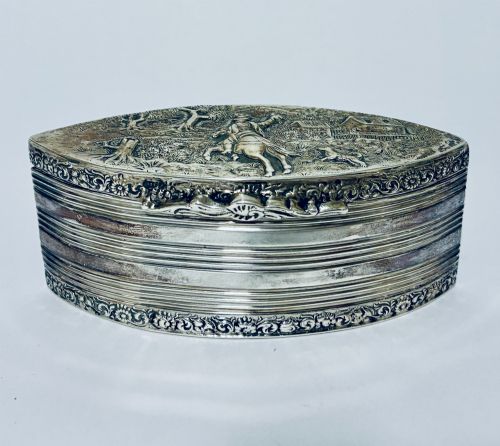
When you search for an antique silver snuffbox, you encounter small personal containers designed to hold dry snuff for inhalation. The examples here span periods from the eighteenth century through the Georgian, Regency, Victorian, and Edwardian eras.
Most items you meet on this page take the form of pocket snuff boxes, silver boxes, and vinaigrettes. Makers fashioned these objects in English and Scottish workshops, utilising sterling silver alongside complementary materials.
The forms range from miniature pill and snuff boxes to larger table snuff boxes intended for stationary use. These pieces reflect the daily social habits of past centuries when gentlemen and ladies carried tobacco or aromatic vinegars.
How they were made
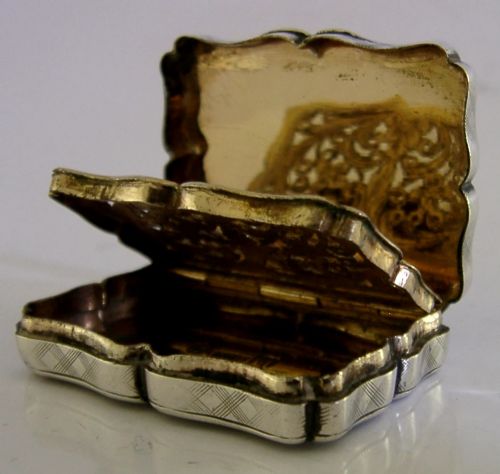
Silversmiths constructed these boxes using sterling silver, often enhancing the interior with gold gilding. Many pieces incorporate organic and mineral elements, combining silver mounts with tortoiseshell or natural agate.
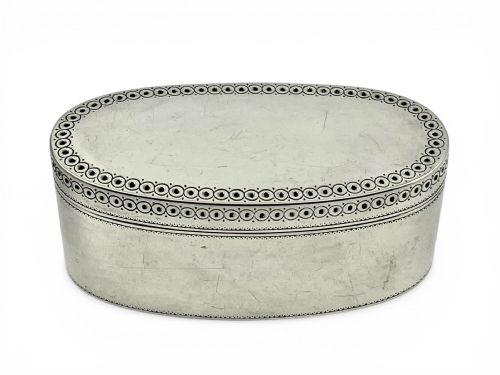
Decoration relied on meticulous techniques such as bright cut engraving to pattern the metal surface. Makers also produced structured compartments within vinaigrettes to house pierced grilles for scented sponges.
Antique Silver Snuffbox Retail Price Guide 2026
Typical asking prices for silver snuffbox among the pieces listed under this phrase on Sellingantiques today, from the lower quarter to the upper quarter. They describe what is for sale here now, not the wider market.
Every pocket box hides a tiny hinge that once snapped shut on a pinch of scented leaf.
What varies in quality
Quality reveals itself in the crispness of the bright cut engraving and the precision with which the hinged lid closes against the body. Superior examples display balanced proportions and clear hallmarks indicating the assay office and maker.
The inclusion of scarce decorative panels, such as polished agate or detailed tortoiseshell work, elevates a piece beyond standard production. Master silversmiths executed joints and borders with an exactness that distinguishes fine workshop output from routine output.
Nathaniel Mills·Hilliard and Thomason·Joseph Wilmore·Samuel Pemberton
The Antique Silver Snuffbox Glossary
- Sterling silver
- A silver alloy containing ninety-two point five percent pure silver and seven point five percent other metals, traditionally copper. This standard composition provided the necessary durability for pocket items.
- Vinaigrette
- A small ornamental box containing a sponge soaked in aromatic vinegar. These pieces feature an internal hinged grille pierced with decorative patterns.
- Bright cut engraving
- A surface decoration technique utilising faceted cuts made with a graver to reflect light. This method creates geometric and floral patterns across the metal.
- Agate
- A cryptocrystalline variety of silica used for decorative lids on boxes. Artisans polished these stones to display natural banding and colour variations.
- Table snuff box
- A larger variety of snuff box intended to remain static on a surface rather than fit into a pocket. These substantial objects often bear elaborate decoration.
Antique Silver Snuffbox: Frequently Asked Questions
What is an antique silver snuffbox used for?
These boxes served to store dry powdered tobacco, known as snuff, which users consumed by inhalation. Owners carried them in pockets or waistcoats for social use throughout the day.
Some variations, known as vinaigrettes, held sponges soaked in aromatic vinegar to counteract unpleasant odours or prevent fainting. Both types functioned as portable personal accessories.
How do I identify a Georgian snuff box?
Georgian pieces typically display hallmarks that indicate the reign of George III, George IV, or related periods spanning the late eighteenth to early nineteenth centuries. Look for clear town marks, date letters, and maker stamps.
Stylistic cues such as bright cut engraving and specific architectural or neoclassical motifs also help date these items. Scottish and English provincial centres each left distinct manufacturing signatures.
How do I care for silver snuff boxes?
Protect the metal and any inset materials by keeping the box in a stable environment away from excessive humidity. Avoid harsh chemical polishes that can wear away delicate engravings and thin gold gilding.
Handle hinges and clasps with care to prevent strain on the historical mechanism. Periodic gentle dusting with a soft cloth maintains the surface appearance.