
Silver Gilt Box
A silver gilt box brings the warm glow of gold to the cool surface of silver, offering a pocket-sized repository for snuff, trinkets or personal notes.
Silver Gilt Box
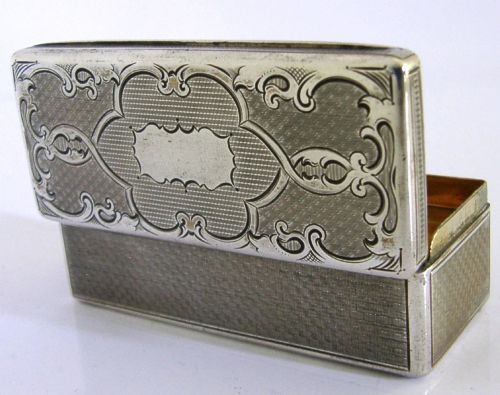
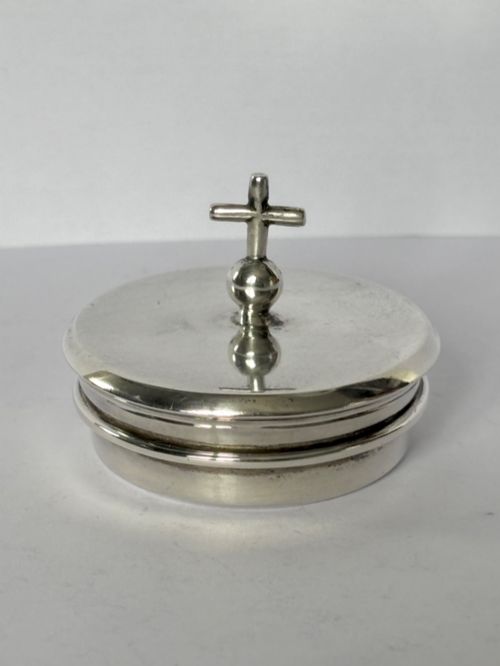
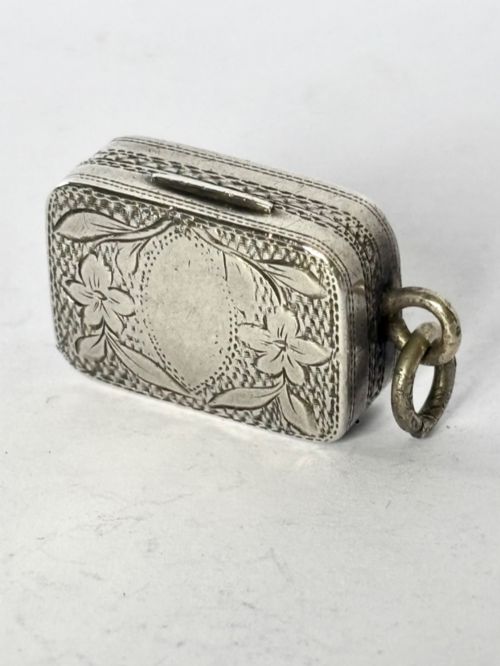
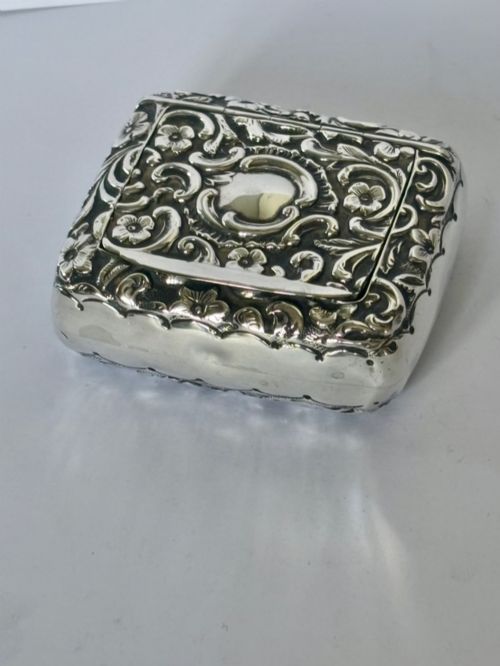
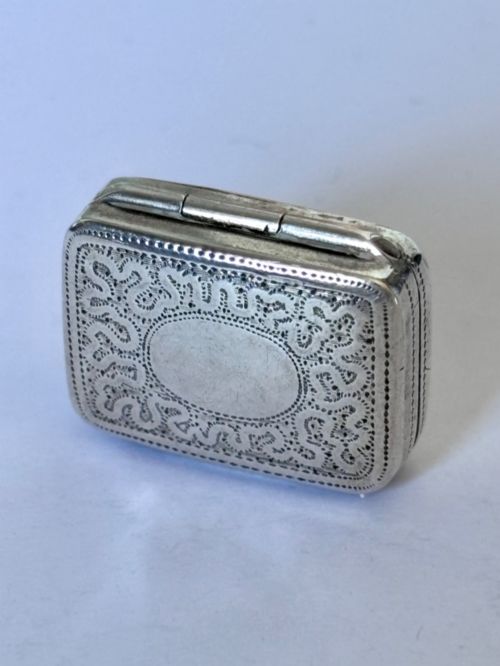
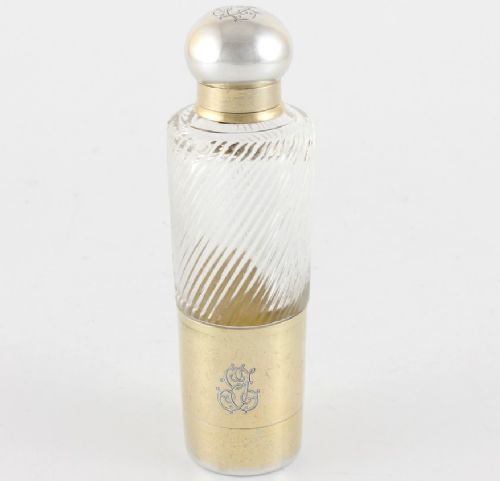
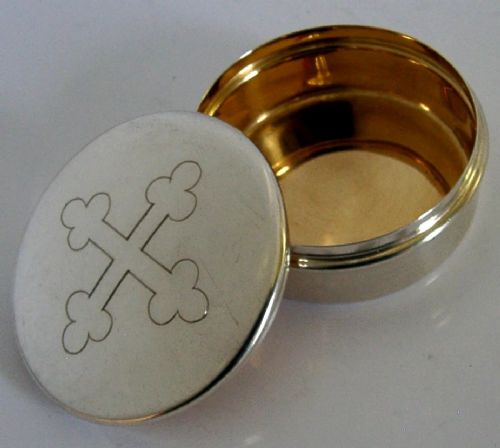
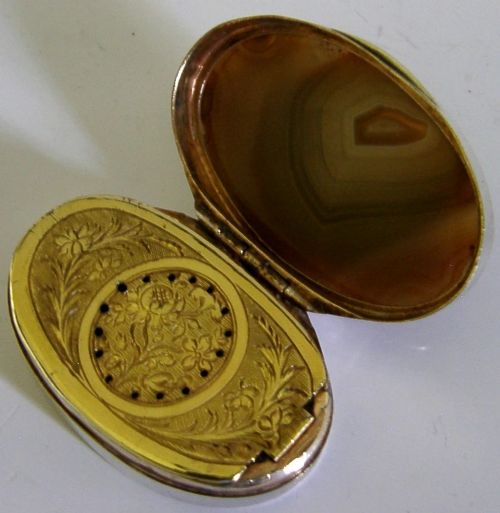
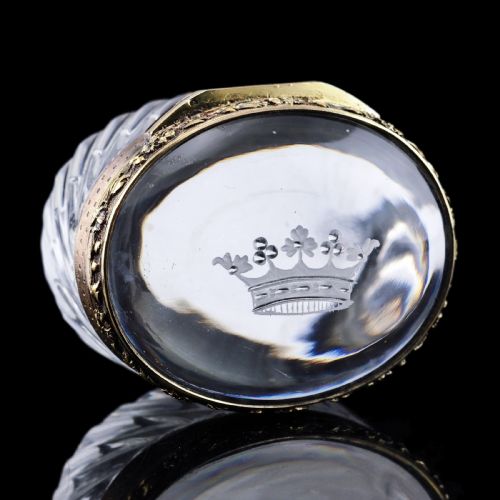
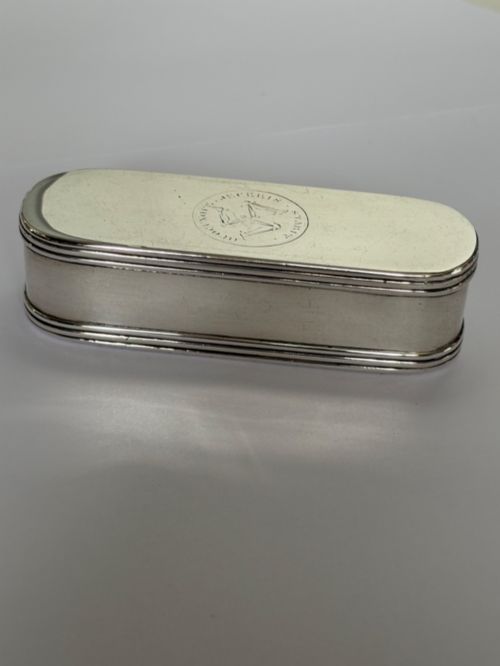
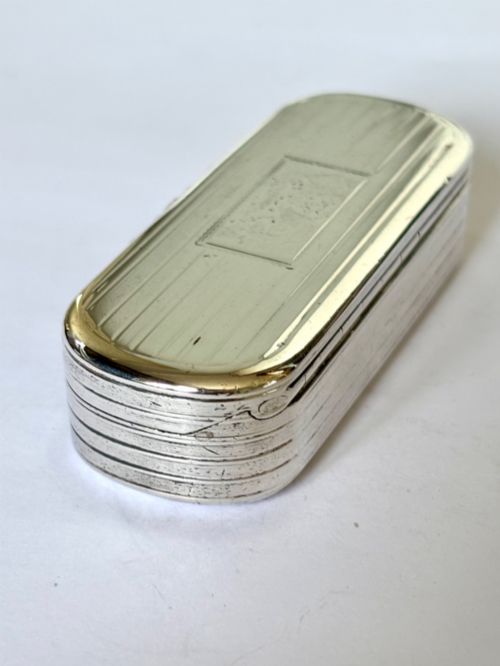
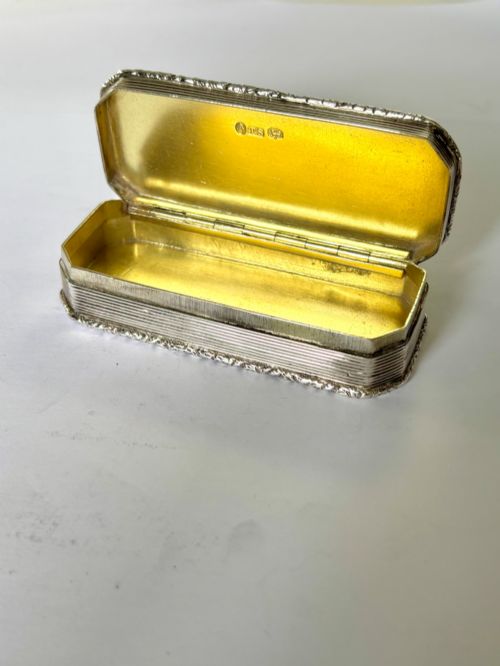
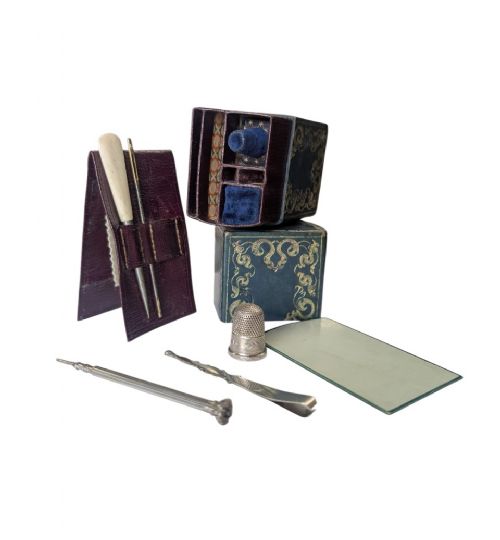
A silver gilt box encompasses a diverse group of small containers fashioned from sterling or continental silver and subsequently coated in a thin layer of gold, known as gilt or vermeil. Collectors seeking a silver gilt box will encounter functional containers made for specific historical uses, including snuff boxes, vinaigrettes, card cases, trinket boxes and ecclesiastical pyx boxes. These objects date across the Georgian, Victorian, Edwardian and mid-century periods, hailing from English, Scottish and continental workshops.
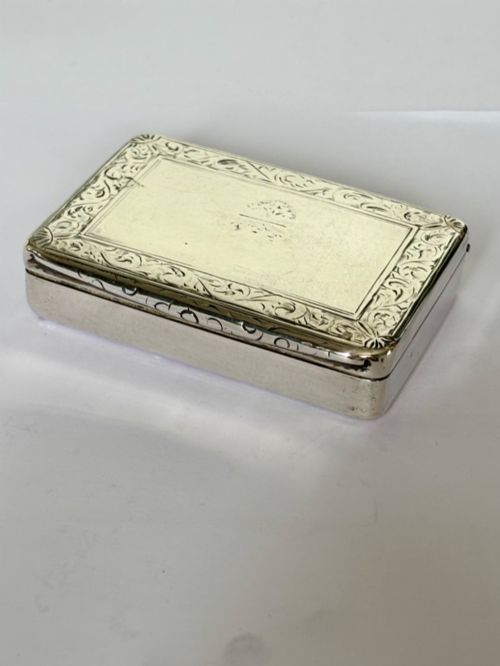
Snuff boxes and vinaigrettes dominate the earlier periods, often displaying intricate engine-turning, chased lids or inset mineral stones such as agate. Victorian and Edwardian examples lean towards domestic trinket storage, desk accessories and vanity items, whilst ecclesiastical pyx boxes represent a specialised religious category produced well into the twentieth century. French and Austro-Hungarian imports frequently supplement domestic English production, bringing alternative hallmarks and distinct decorative motifs to the marketplace.
Materials and Technique
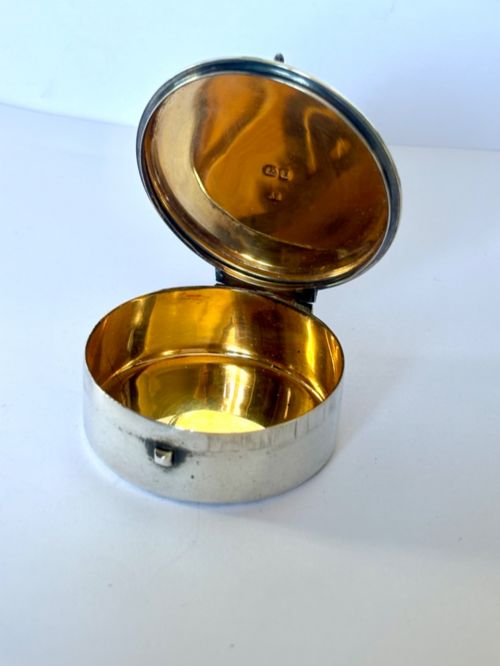
Makers constructed these pieces using sterling silver or higher-purity continental silver as a structural base, shaped through casting, stamping, piercing or hand-raising. The gold layer was applied via fire gilding or electroplating, bonding gold to the silver substrate to protect the interior from corrosive snuff or simply to provide a rich two-tone decorative contrast.
Surface ornamentation relied on specialist silversmithing techniques such as engine-turning with a rose engine lathe, hand-chasing, repoussé relief work and engraving. Many pieces incorporate secondary materials like velvet linings, mother-of-pearl panels, glass flasks or enamel work, secured within the silver framework by skilled bezel settings and pins.
Judging Quality
The distinction between standard production and the finest work rests upon the crispness of the chasing and the integrity of the gilding. Superior pieces retain their original rich gold layer across the interior and exterior surfaces without thin patches or patchy wear from excessive cleaning.
Maker reputation and structural complexity elevate certain examples above contemporaries. Heavy gauge silver, tightly closing hinges that click shut securely, and well-preserved hallmarks that remain deep and legible indicate superior craftsmanship from recognised workshops.
F OSBOURNE & CO·BURNS OATS & WASHBOURNE·HENRY MATTHEWS·THOMAS JOHNSON·CORNELIUS BLAND·ROBERT THORNTON·THOMAS SHAW·EDWARD SMITH·A & J ZIMMERMAN·NATHANIEL MILLS·SAMSON MORDAN·JOHN BETTRIDGE·MARSON & JONES·FRANCIS CLARK·JOSEPH WILLMORE·JOHN THROPP·PHIPPS & ROBINSON·COHEN & CHARLES·AR MOWBRAY & CO·ALEXANDER J STRACHAN·MATTHEW LINWOOD·WILLIAM NEALE·RAWLINGS SUMMERS·JOHN SHAW·WILLIAM SIMPSON
The Silver Gilt Box Glossary
- Silver Gilt
- Silver that has been coated with a thin layer of gold. This process protects the underlying silver from tarnish and provides a warm interior glow.
- Vermeil
- High-quality silver gilt, typically sterling silver plated with fine gold. The term is frequently associated with continental European manufacture.
- Vinaigrette
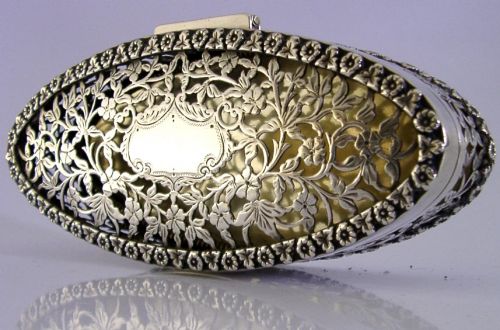
- A small ornamental box featuring a pierced inner grille. It held a sponge soaked in aromatic vinegar to revive the user.
- Pyx
- A small round container used in Christian churches to carry the Eucharist. Ecclesiastical examples are frequently fashioned from silver gilt.
- Engine-Turning
- A mechanical decoration technique that cuts precise geometric patterns into metal. It creates a textured surface that catches the light.
Silver Gilt Box: Frequently Asked Questions
What is a silver gilt box used for?
These containers were originally designed for personal commodities such as dry snuff, scented vinegar sponges, visiting cards or postage stamps. Today, collectors utilise them on dressing tables and desks to store modern trinkets, cufflinks or pills.
The durable construction and secure lids make them practical for everyday small storage whilst retaining their decorative appeal as cabinet display pieces.
How do I date a silver box?
Dating relies heavily upon the stamped hallmarks found on the body or lid, which record the assay office, the standard mark and a specific date letter. Additional clues come from the prevailing artistic style, such as Georgian engine-turning or Art Deco geometry.
Comparing the maker's mark against historical records provides a precise year of manufacture for pieces originating from British assay offices.
Why is the inside gold?
The golden interior is the result of gilding, which coats the silver surface in gold. Historically, this protected the silver from the corrosive chemical properties of snuff and vinegar.
Acidic substances would otherwise pit and blacken untreated silver over time, making the gilt layer both a decorative feature and a practical barrier.
Can I clean a silver gilt box?
Cleaning requires extreme caution because aggressive polishing or harsh chemical dips will wear away the thin layer of gold, exposing the silver beneath. Dusting with a soft brush and occasional gentle wiping with a microfiber cloth is usually sufficient.
Avoid all commercial silver creams and abrasive cloths to preserve the remaining original gilding and antique patina.