




1899 Silver Box
An 1899 silver box brings late Victorian craftsmanship to a dressing table or desk, offering solid sterling silver fashioned for daily use.
1899 Silver Box
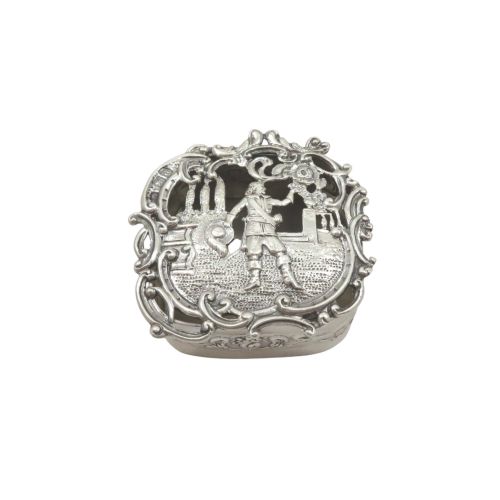
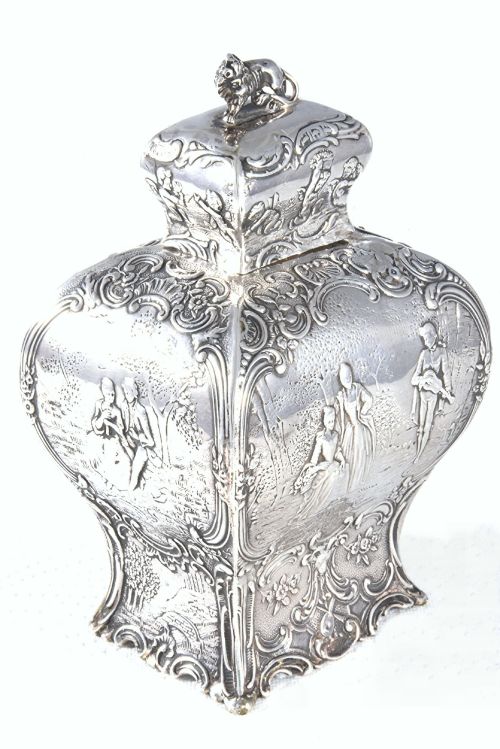
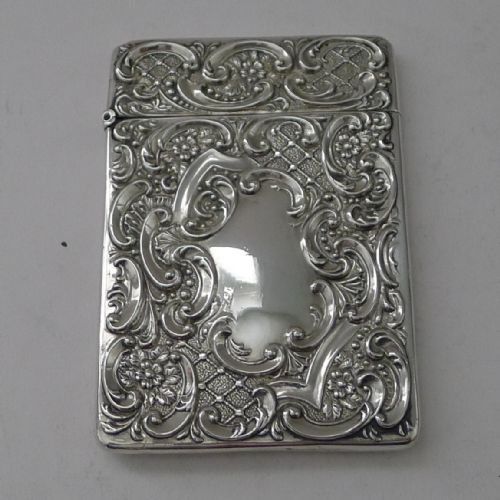
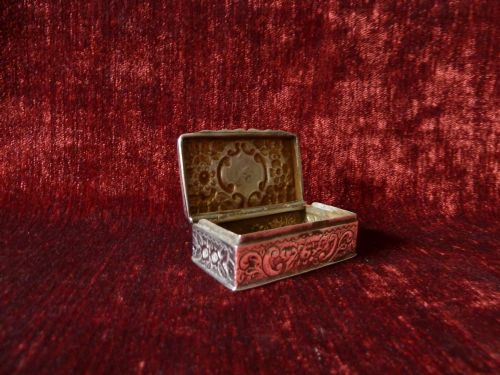
An 1899 silver box encompasses a range of late nineteenth century vessels produced during the Victorian period in England. These items serve specific domestic functions, spanning from small pill and heart-shaped trinket boxes to larger tea caddies and card cases.
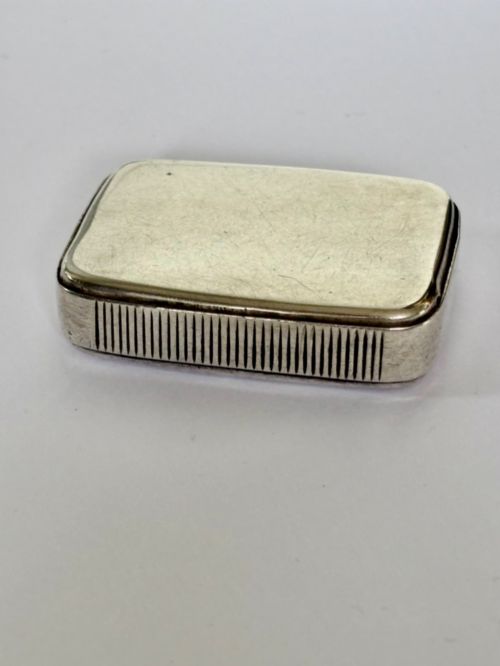
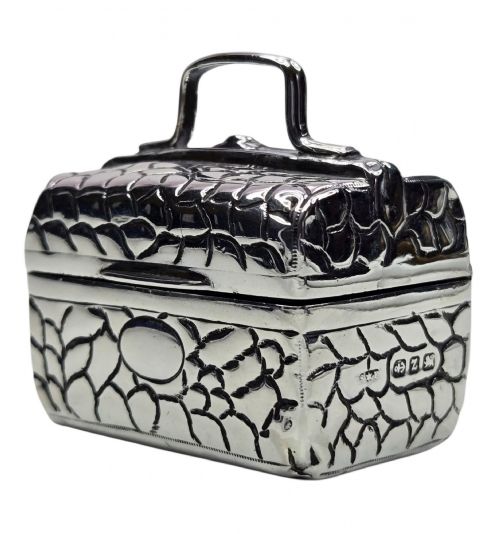
The most common examples on this page are trinket and stamp boxes, alongside novelty items shaped as animals or everyday objects. Makers utilised sterling silver, often pairing the metal with internal linings of velvet, silk, or glass.
Pieces from this year reflect the established manufacturing centres of Birmingham and Chester, marked by hallmarks that date the silver precisely to the turn of the twentieth century.
Materials and construction
Silversmiths constructed these items using sterling silver sheets, which were shaped through pressing, hammering, and assembly. Piercing and embossing techniques created decorative lids and sides featuring floral motifs or figural scenes.
Many boxes incorporate internal elements of glass, wood, or tortoiseshell, secured with hinges and clasps made of matching metal. Silk and velvet linings cushion the interior spaces designed for jewellery, cards, or tobacco.
1899 Silver Box Retail Price Guide 2026
Typical asking prices for 1899 silver box among the pieces listed under this phrase on Sellingantiques today, from the lower quarter to the upper quarter. They describe what is for sale here now, not the wider market.
Look closely for novelty boxes shaped as elephants, crocodiles, or trick mechanisms designed to amuse late Victorian callers.
Judging quality in 1899 silver box items
Quality rests upon the crispness of the hallmarking and the depth of the repoussé work or piercing on the silver surface. Items with sharp, well-defined details show superior craftsmanship compared to worn or softly cast examples.
The structural integrity of the hinges and the fit of the lid dictate the durability of the piece. Superior examples retain their original internal linings and retain a solid weight in the hand without structural distortion.
A & J Zimmerman·Sampson Mordan·George Nathan and Ridley Hayes·Adie and Lovekin
The 1899 Silver Box Glossary
- Sterling silver
- An alloy consisting of 92.5 percent silver by weight, combined with other metals for durability. This standard grade applies to the majority of British domestic plate from the period.
- Hallmark
- A series of official marks stamped on precious metals, indicating the maker, assay office, and date letter. For this era, the marks confirm English manufacture in 1899.
- Repoussé
- A metalworking technique where the artist hammers the silver from the reverse side to form a raised design in relief on the front. This method decorates many trinket and snuff boxes.
- Vesta case
- A small pocket container designed to hold matches and keep them dry. Victorian examples often take novelty shapes such as animals or boots.
- Silver-gilt
- Sterling silver that has been coated with a thin layer of gold on the interior or exterior surfaces. This finish provides a warm golden tone and protects the underlying silver from tarnishing.
1899 Silver Box: Frequently Asked Questions
What were 1899 silver boxes used for?
These vessels held personal items such as stamps, visiting cards, snuff, or trinkets on a desk or dressing table. Specific forms catered to distinct daily habits at the end of the nineteenth century.
Larger versions accommodated playing cards or tea leaves, while smaller heart-shaped containers functioned as pill or ring boxes for daily wear.
How do I identify a Victorian silver box from 1899?
Examination of the hallmarks stamped on the metal provides the exact date of manufacture and assay office. The date letter for 1899 corresponds to the specific cycles used in Birmingham, Chester, or London.
Stylistic markers such as embossed floral decoration or figural scenes also point to the late Victorian period of production.
How should I clean my silver box?
Maintenance requires a soft cloth and a specialised silver polish, applied gently to avoid wearing down raised relief details. Harsh chemical dips can strip the natural patina accumulated over the decades.
Lined interiors made of velvet or silk should be kept dry and brushed gently with a soft dry brush to remove dust without damaging the fabric.
Are all 1899 silver boxes made entirely of silver?
While the exterior bodies consist of sterling silver, many examples feature internal wooden cores, glass inserts, or leatherette bases. Lids and sides may also incorporate celluloid, tortoiseshell, or velvet linings.
Completely solid silver constructions appear in simpler items like snuff boxes, whereas trinket and stamp boxes frequently utilise mixed media interiors.