



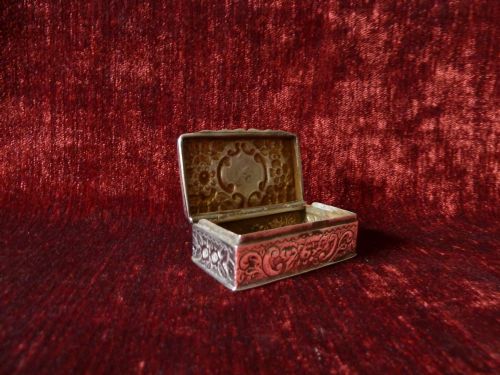
Victorian Silver Tobacco Box
A victorian silver tobacco box is a compact pocket container for dry leaf, made to hold a gentleman's daily smoke.
Victorian Silver Tobacco Box
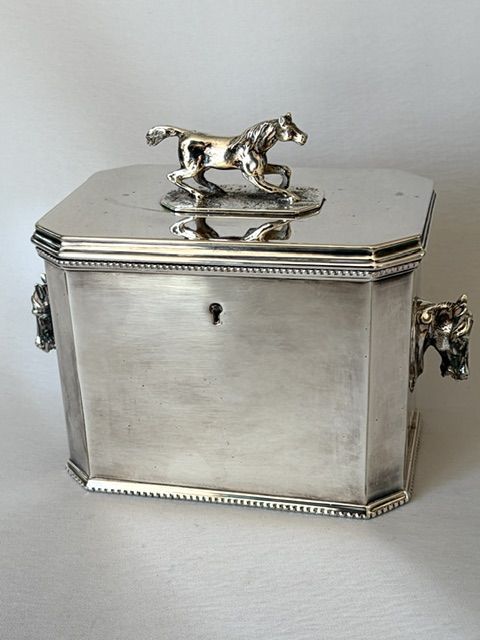
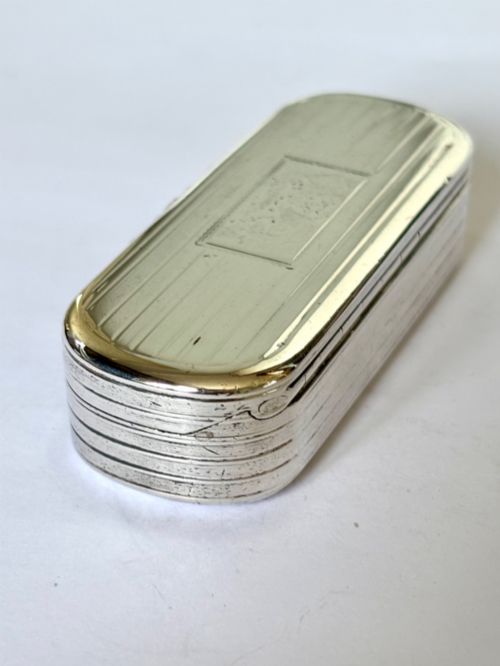
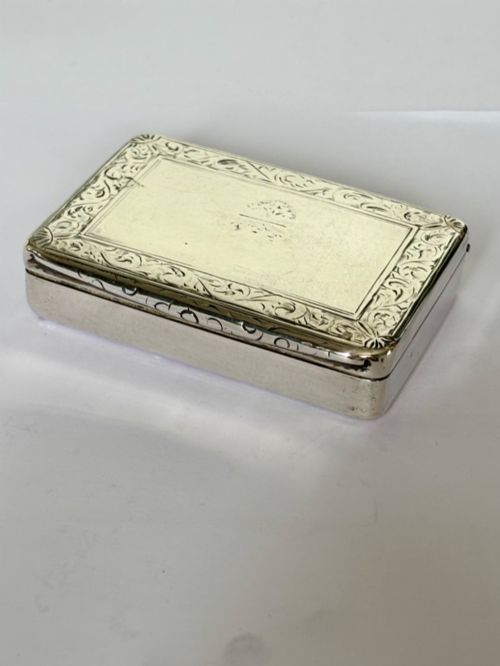
A victorian silver tobacco box comes in several formats, including flat pocket containers, larger table boxes, and multi-compartment pieces that double as vesta cases. The pieces found here span the Victorian era alongside some Georgian, Regency, and Edwardian examples, originating from English assay offices such as Birmingham, London, and Chester, as well as Scottish and continental makers.
Materials and Techniques
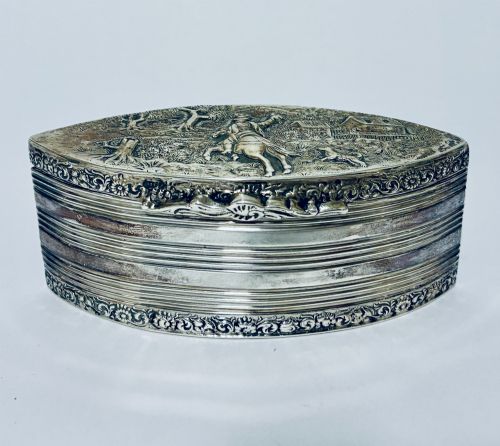
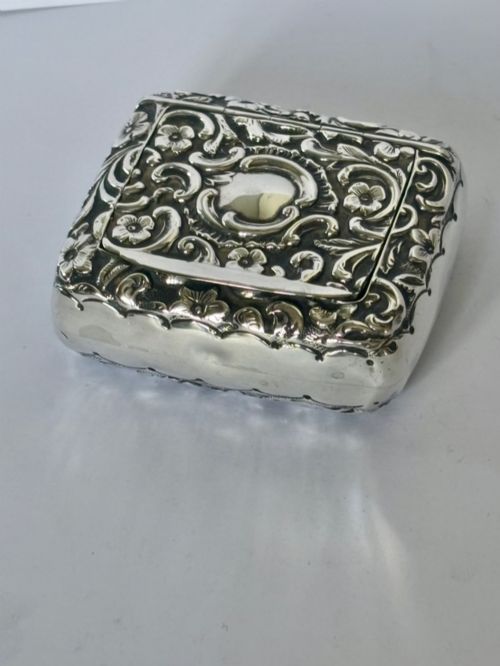
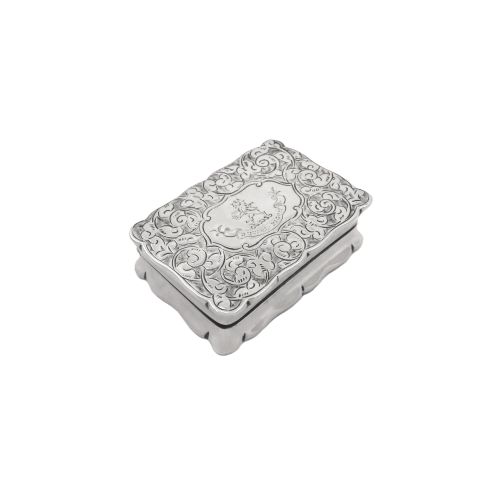
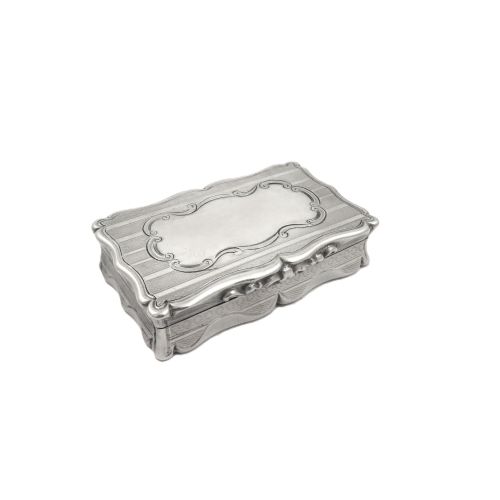
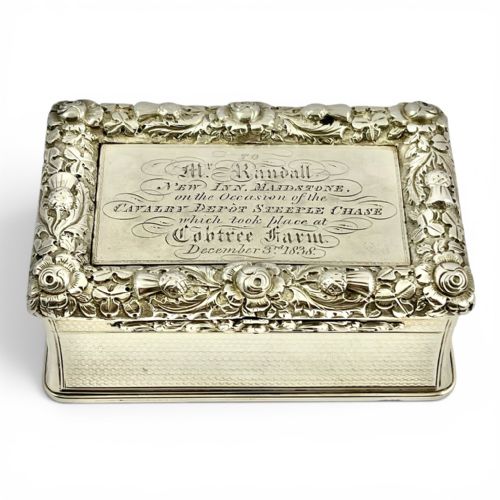
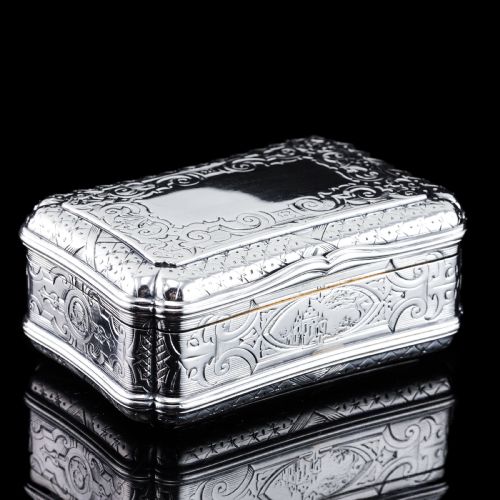
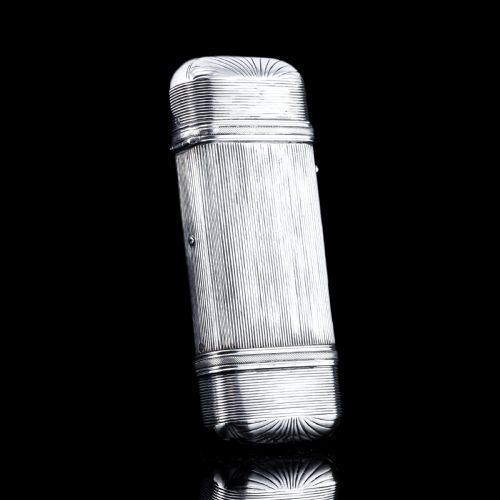
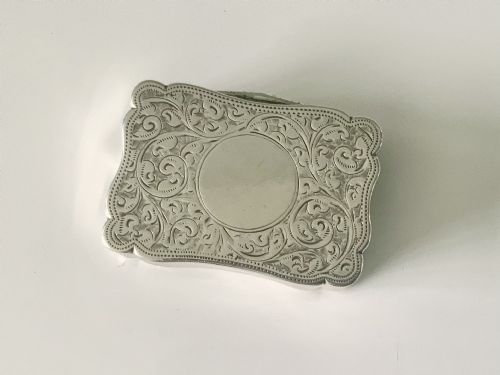
Silversmiths utilised sterling silver and silver gilt, frequently shaping them through heavy casting, embossing, and detailed hand engraving. Cartouche shapes, reeded designs, and cast acanthus borders appear across the work of this period.
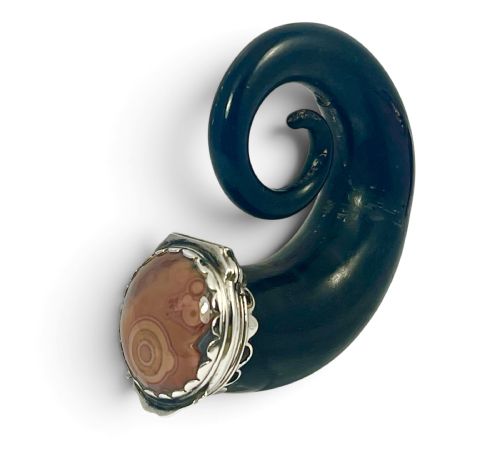
Alternative materials such as Scottish horn, staghorn, tortoiseshell, and agate were mounted with silver fittings, hinges, and bezels. Combination pieces combined lids and internal dividers to hold matches alongside leaf.
One tiny box even comes with a Welsh motto tucked into its silver lid.
The Distinction of Quality
Quality rests in the crispness of the chased or embossed ornament and the weight of the silver used in the body. Heavy cast borders and sharp, deep engraving distinguish the finer pieces from simpler mass-produced items.
The precision of the hinge work and the tightness of the lid closure determine the structural merit of a box. Pieces retaining clear hallmarks and original gilding inside the bowl demonstrate superior preservation.
Henry Matthews·Robert Thornton·Edward Smith·Sampson Mordan·Edward Edwards·David Pettifer·George Unite
The Victorian Silver Tobacco Box Glossary
- Hallmark
- Official stamps struck into precious metals to indicate the assay office, metal purity, and date of manufacture. These small marks allow collectors to date a piece precisely.
- Snuff mull
- A traditional Scottish receptacle for ground tobacco, usually fashioned from ram horn or staghorn mounted with silver. They often feature hinged lids and pebble shapes.
- Vesta case
- A small pocket container designed to hold matches, sometimes incorporated into double compartment boxes alongside tobacco or snuff. They protect safety matches from moisture.
- Silver gilt
- Sterling silver that has been coated with a thin layer of gold on its interior or exterior surfaces. This technique prevented the acidic contents from tarnishing the base silver.
- Niello
- A black metallic alloy used as an inlay on engraved metal surfaces to create contrasting designs. It is commonly found on continental silver boxes from the nineteenth century.
Victorian Silver Tobacco Box: Frequently Asked Questions
What is a victorian silver tobacco box used for?
These containers were originally carried in the pocket or kept on a table to store loose leaf tobacco or prepared smoking mixtures. Gentlemen used them to keep their supply dry and accessible throughout the day.
Over time, many of these pieces have transitioned into decorative objects or desk accessories for holding small keepsakes and stamps. Their sturdy construction makes them suitable for contemporary display and light daily use.
How do I identify a victorian silver tobacco box?
Examination of the hallmarks stamped inside the lid or base usually reveals the assay office city, the silver standard, and a date letter corresponding to the reign of Queen Victoria. Stylistic clues such as cast acanthus borders and engraved cartouches also point to the period.
Additional materials like Scottish horn or tortoiseshell paired with sterling silver mounts are characteristic of nineteenth-century pocket accessories. Comparing the maker mark against historical records confirms the exact workshop of origin.
How should I clean my silver box?
Silver pieces benefit from gentle dusting with a soft cloth to remove surface particles without wearing down the high points of the engraved decoration. Avoid harsh liquid dips that can strip away original patination or damage gilt interiors.
If polishing is necessary, use a non-abrasive cream formulated specifically for antique silver and apply it sparingly around hinges and bezels. Store the box in a dry environment to prevent moisture accumulation on the metal.
Did women use these boxes too?
While smoking tobacco was primarily a masculine pursuit in Victorian society, smaller boxes served alternative purposes such as holding snuff, pills, or postage stamps. Waistcoat pocket versions and trinket boxes were widely used across different social groups.
Ladies often carried decorative compartments for personal items, meaning many surviving small boxes had domestic rather than strictly smoking applications. The exact function often depends on the scale and internal layout of the piece.