



Antique Silver Smelling Bottle
An antique silver smelling bottle brings the sharp, reviving aromas of the past into a compact, highly decorative pocket accessory.
Antique Silver Smelling Bottle
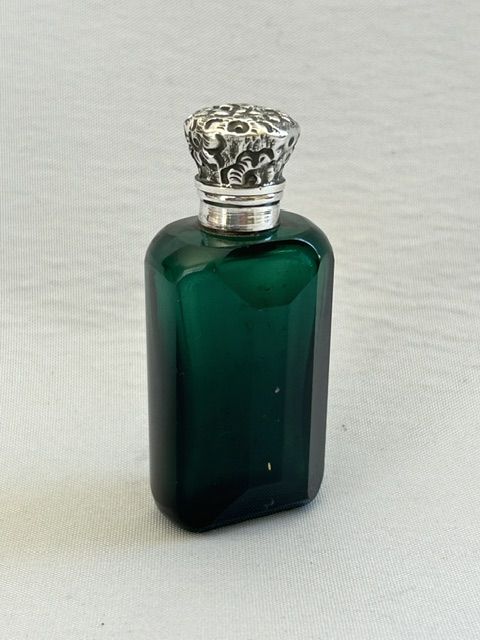
An antique silver smelling bottle is a small personal container designed to hold aromatic vinegars or salts, frequently formed as a scent bottle, vinaigrette, or scent flask.
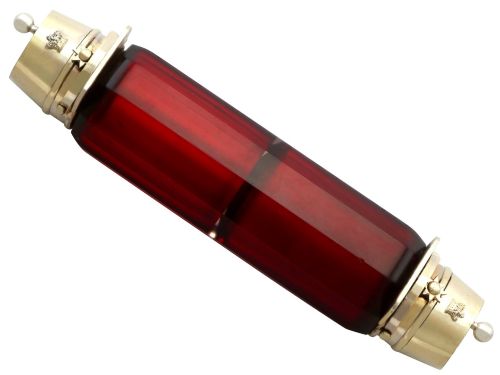
The pieces on this page appear primarily across Victorian, Georgian, and Edwardian periods, displaying distinct forms such as double-ended tubes, novelty fish shapes, and miniature liquor bottles.
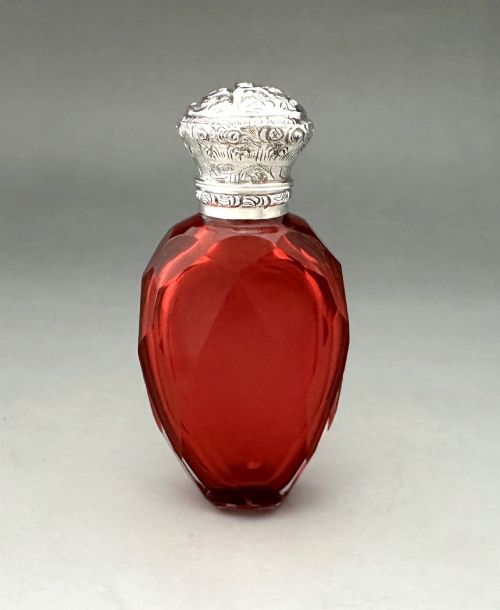
Makers housed these vessels in sterling silver or silver gilt mounts, often combining the metal with coloured glass bodies like ruby, cranberry, Bristol green, and amethyst.
How they were made
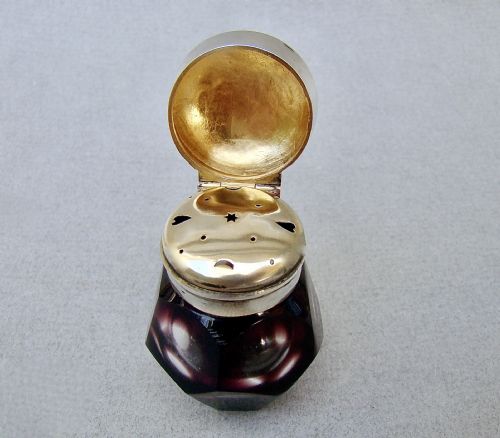
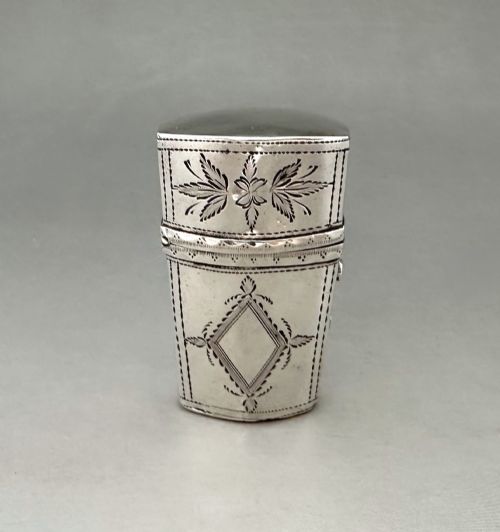
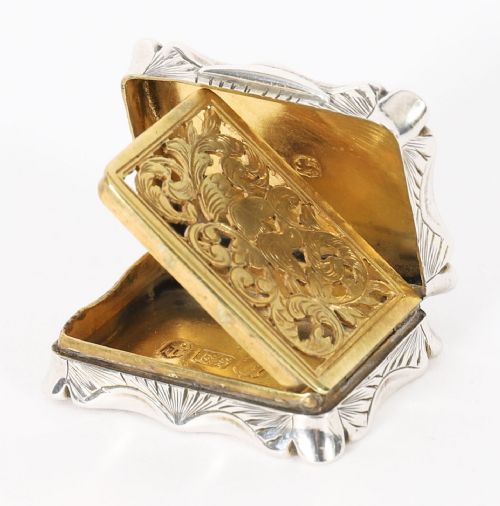
Silversmiths utilised sterling silver and silver gilt to construct hinged caps, pierced internal grilles, and protective exterior cases, frequently adding detailed engraving and hallmarks.
Body containers combined cut and etched glass, opaline glass, or layered glass overlays, alongside alternative materials such as leather and velvet linings.
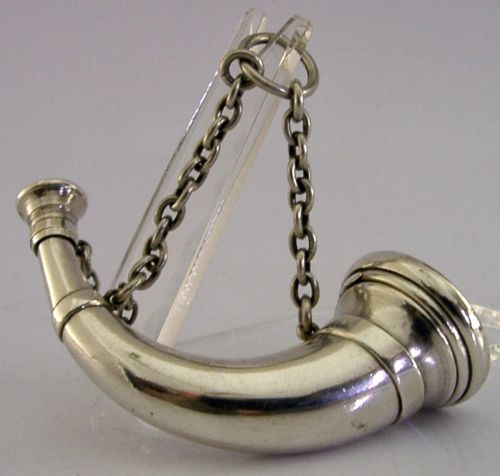
Specialised makers formed intricate novelty shapes, including articulated fish and hunting horns, requiring skilled metal manipulation alongside glass blowing and cutting.
Certain Victorian owners carried miniature champagne bottles in their pockets, ensuring they were perpetually prepared to toast an occasion.
What varies in quality
Quality separates standard production items from superior pieces through the crispness of the chased or engraved silver detail and the complexity of the glasswork, such as deep-cut faceting or distinct opaline colouration.
The structural integrity of hinged lids, screw caps, and internal pierced grillwork in vinaigrettes dictates the refinement of manufacture.
Unusual novelty forms and pieces retaining legible maker marks and full hallmarks command greater interest among collectors.
Horton & Allday·Sampson Mordan·Edward Smith·G H James & Co
The Antique Silver Smelling Bottle Glossary
- Vinaigrette
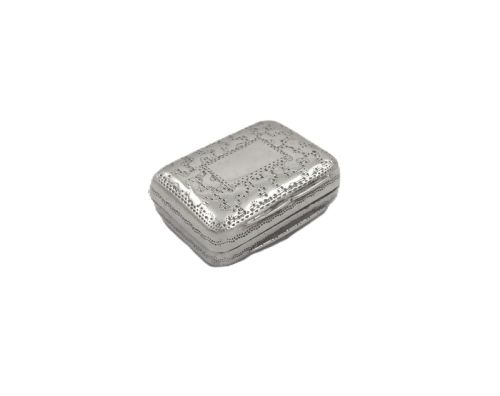
- A small ornamental box featuring a perforated internal grill, designed to hold a sponge soaked in aromatic vinegar. These pieces date predominantly from the Georgian and Victorian eras.
- Silver gilt
- Sterling silver that has been coated with a thin layer of gold, often providing a rich interior finish to vinaigrettes and scent flasks. This technique protects the silver from aggressive aromatic compounds.
- Double ended
- A scent bottle configuration featuring stoppers or caps at both extremities, allowing the owner to carry two distinct perfumes or smelling salts simultaneously. These typically utilise cut glass bodies.
- Opaline glass
- An opaque or translucent glass showing a delicate pastel tint, frequently utilised by Victorian makers for scent bottle bodies. It provides a smooth contrast to bright sterling silver mounts.
Antique Silver Smelling Bottle: Frequently Asked Questions
What is an antique silver smelling bottle?
An antique silver smelling bottle is a small portable container fashioned from sterling silver and glass to hold aromatic liquids or salts. Victorians and Georgians carried them to counter unpleasant odours or prevent fainting.
These pieces range from simple glass flasks with silver screw caps to elaborate double-ended bottles and pierced silver vinaigrettes. Their compact size made them essential pocket and reticule accessories for daily use.
How do you use a vinaigrette?
A vinaigrette is opened to reveal a hinged, pierced internal grill that covers a vinegar-soaked sponge. The user inhales the released vapours directly from the box.
The metal grill allows the scent to escape while keeping the damp sponge securely contained within the silver housing.
How do you date an antique silver smelling bottle?
Dating relies heavily on official silver hallmarks stamped onto the metal mounts, which indicate the assay office, year, and maker. Stylistic clues such as Victorian opaline glass or Georgian cut patterns also help narrow the period.
Examining the construction methods, hinge types, and engraving styles provides further context for when the piece was manufactured.
How should I display or store them?
These delicate bottles sit well inside glass cabinets or dedicated display trays where their coloured glass and bright silver mounts catch the light. Keep them away from direct sunlight and extreme humidity to protect fragile glass and historical leather.
Due to their small size and hinged components, handle them with care when opening lids and stoppers.