




Early Victorian Silver
Early victorian silver brings tactile, bright metalwork into daily use, combining domestic utility with the intricate naturalistic ornament characteristic of the mid-nineteenth century.
Defining Early Victorian Silver
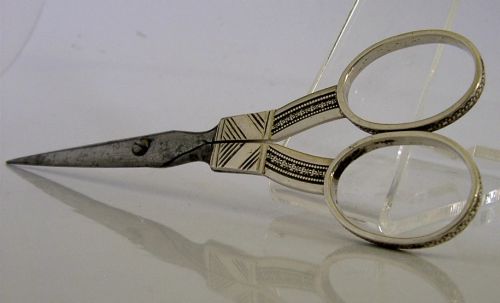
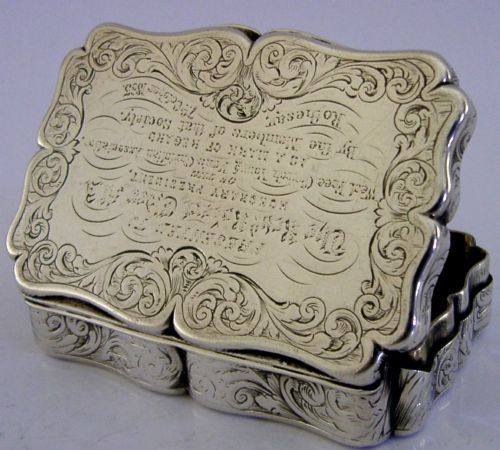
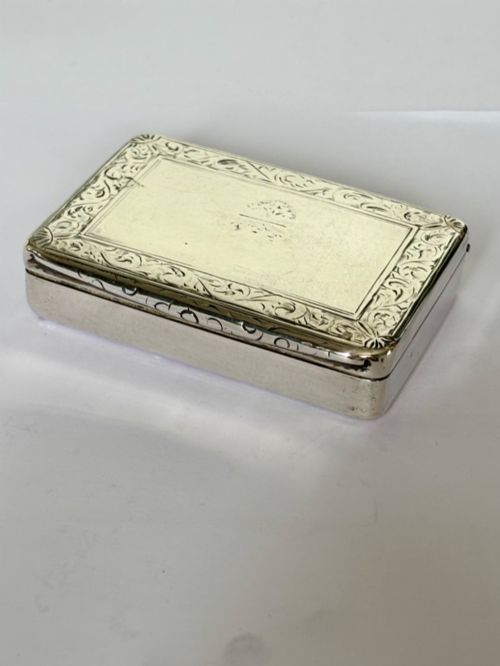
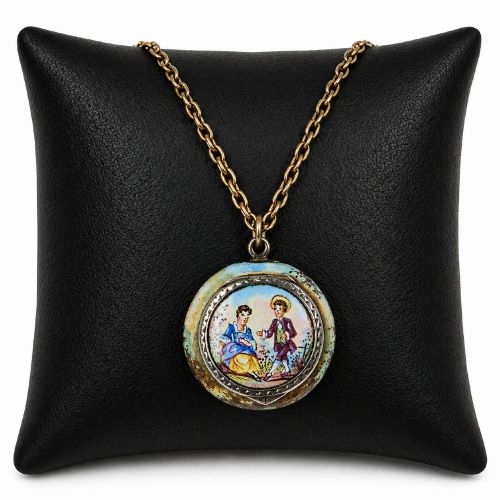
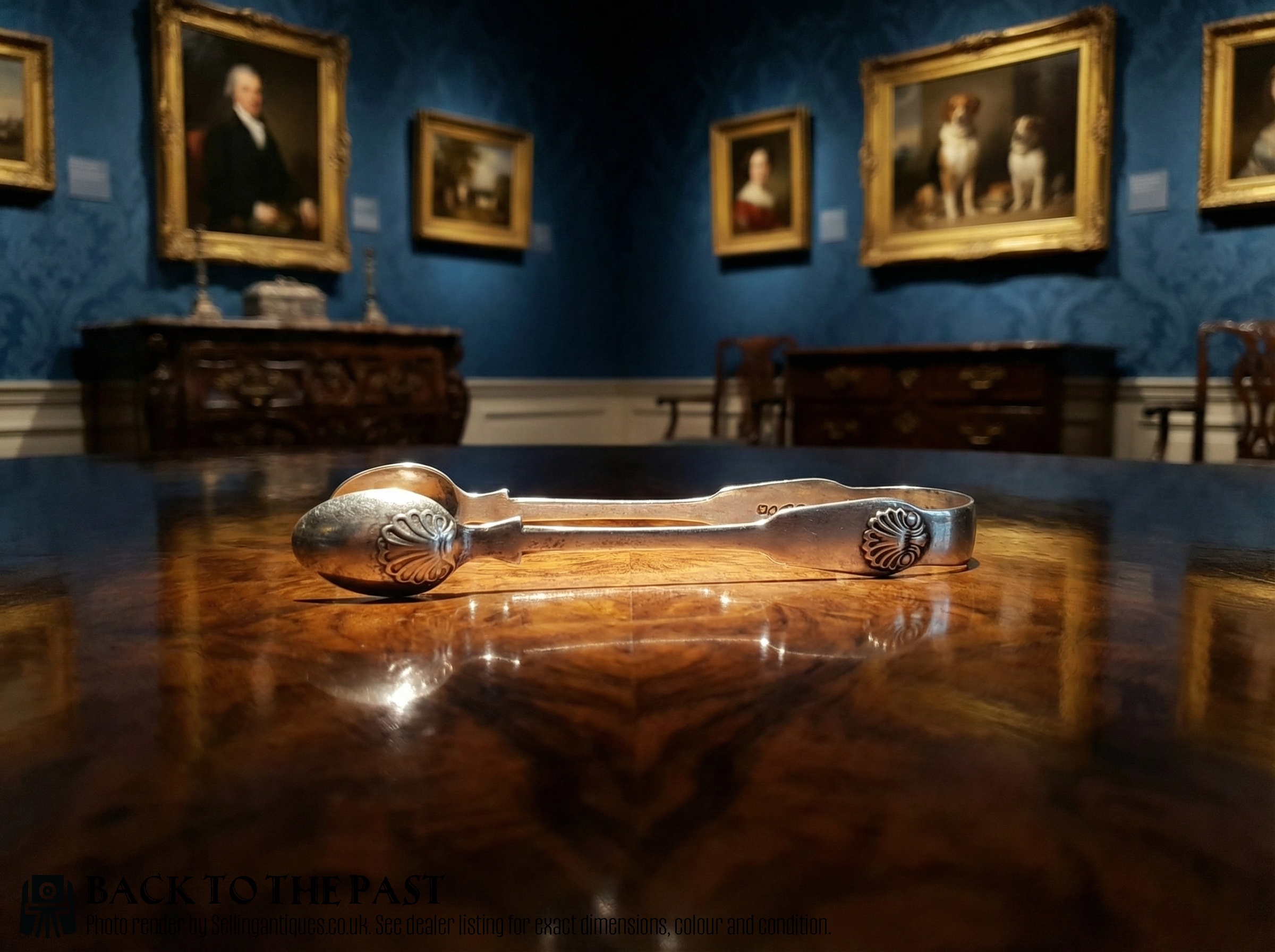
Early victorian silver encompasses a diverse range of functional domestic items and personal accessories produced during the opening decades of the Victorian era. Objects span small tablewares such as mustard pots, chambersticks and sugar tongs alongside personal items like vinaigrettes and snuff boxes.
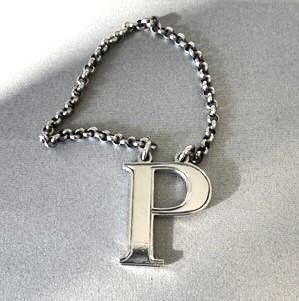
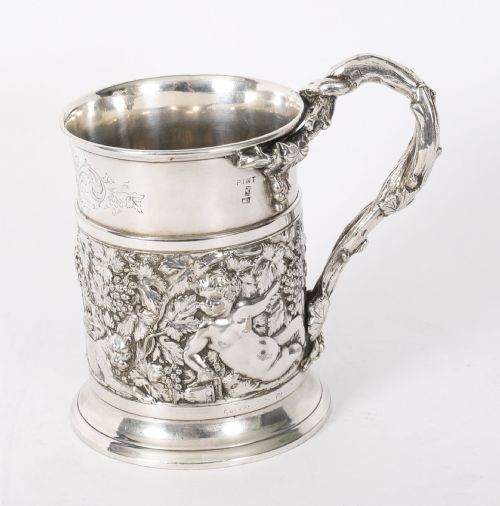
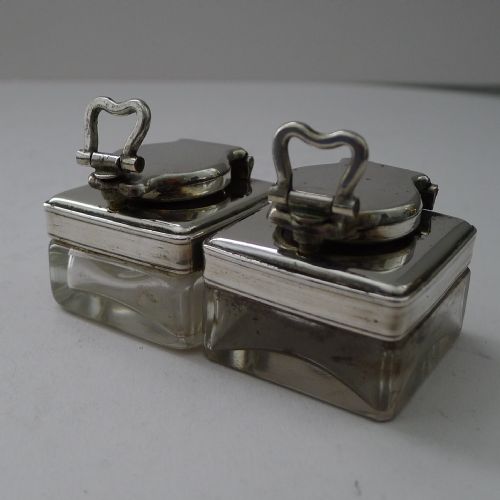
Collectors frequently encounter intimate pocket pieces, particularly silver gilt vinaigrettes originating from Birmingham, alongside heavier table silver from London. Forms range from utilitarian decanter labels and condiment pails to decorative christening mugs and travel boxes fitted with silver contents.
The aesthetic vocabulary bridges formal classical restraint and exuberant naturalism. Pieces often display pierced work, cast details or engraved surfaces that reflect mid-nineteenth-century taste.
Materials and Techniques
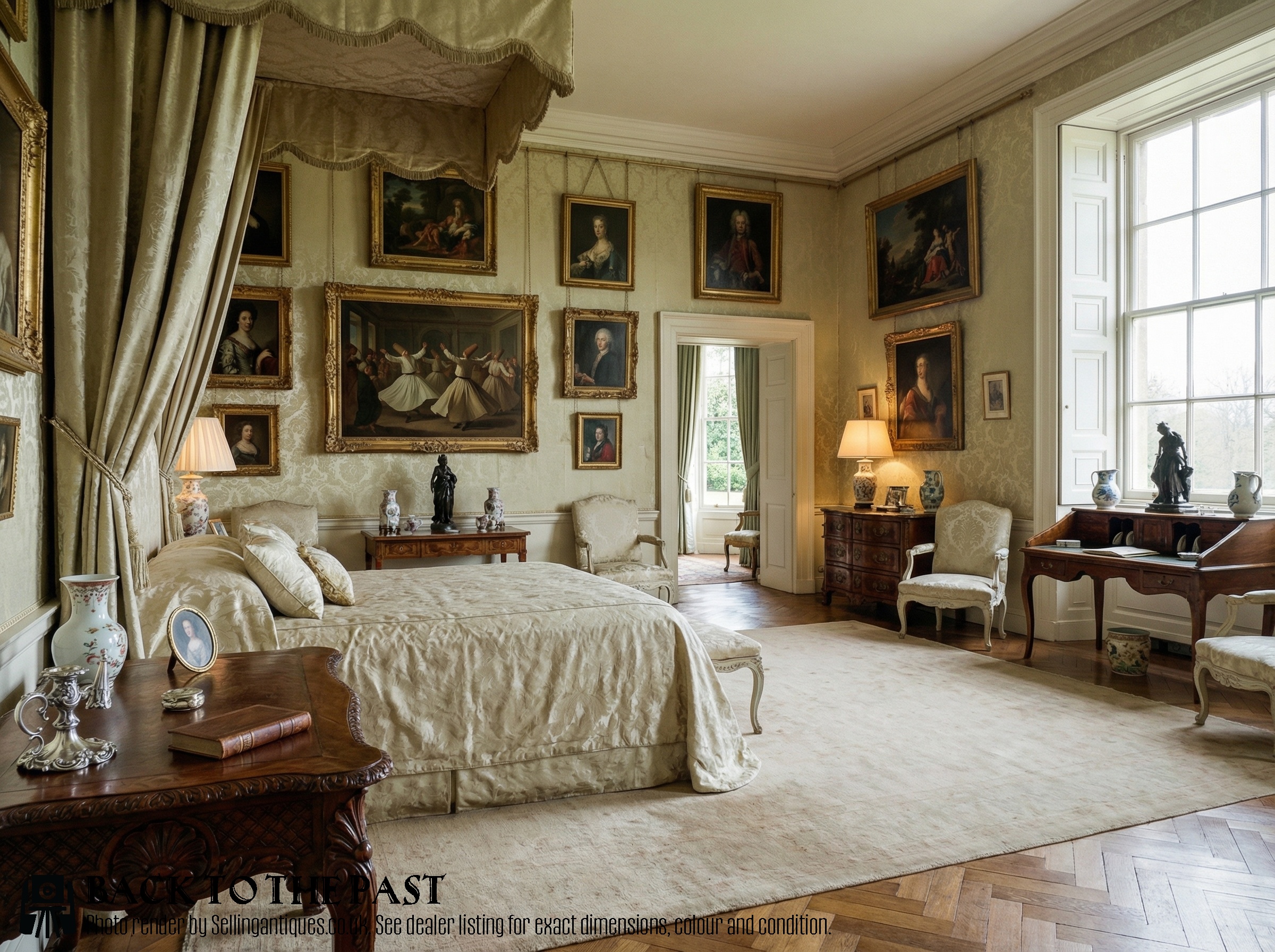
Silversmiths utilised sterling silver and silver gilt, frequently combining the precious metal with glass, agate, turquoise, or rosewood and coromandel timbers in travel boxes and butter dishes. Piercing, casting and detailed engraving were standard methods for achieving decorative surfaces.
Specialised regional centres employed distinct techniques, with Birmingham makers producing intricate stamped and parcel-gilt vinaigrettes while London workshops focused on heavy cast items such as drum mustard pots and chambersticks.
Retail Price Guide 2026
Typical UK retail prices for early victorian silver, calculated from the Sellingantiques database of over a million retail prices indexed since 2003. This retail price guide relies exclusively on Sellingantiques data; no external sources or auction records are used, so the figures do not describe the wider market.
A cast silver rhinoceros pin cushion once joined the company of desk accessories.
Markers of Distinction
Distinction rests on the clarity of hallmarks, the crispness of cast or engraved ornament, and the integrity of applied elements like pierced galleries. Superior examples display sharp definition in naturalistic motifs without smoothing from over-cleaning.
The sophistication of the maker's hand elevates certain items, particularly where gilding remains rich and internal fittings, such as pierced mustard pot liners or sponge inserts in vinaigrettes, survive intact.
John Walton·Francis Clark·David Pettifer·Edward Smith·Charles and George Fox·Nathaniel Mills·William Simpson·AJ Norman·The Barnards
The Early Victorian Silver Glossary
- Vinaigrette
- A small pocket box featuring an internal pierced grille, designed to hold a sponge soaked in aromatic vinegar. These portable containers were essential personal accessories in the nineteenth century.
- Silver Gilt
- Sterling silver that has been coated with a thin layer of gold, often applied to the interior bowls of vinaigrettes and mustard pots to prevent corrosion from acidic contents.
- Chamberstick
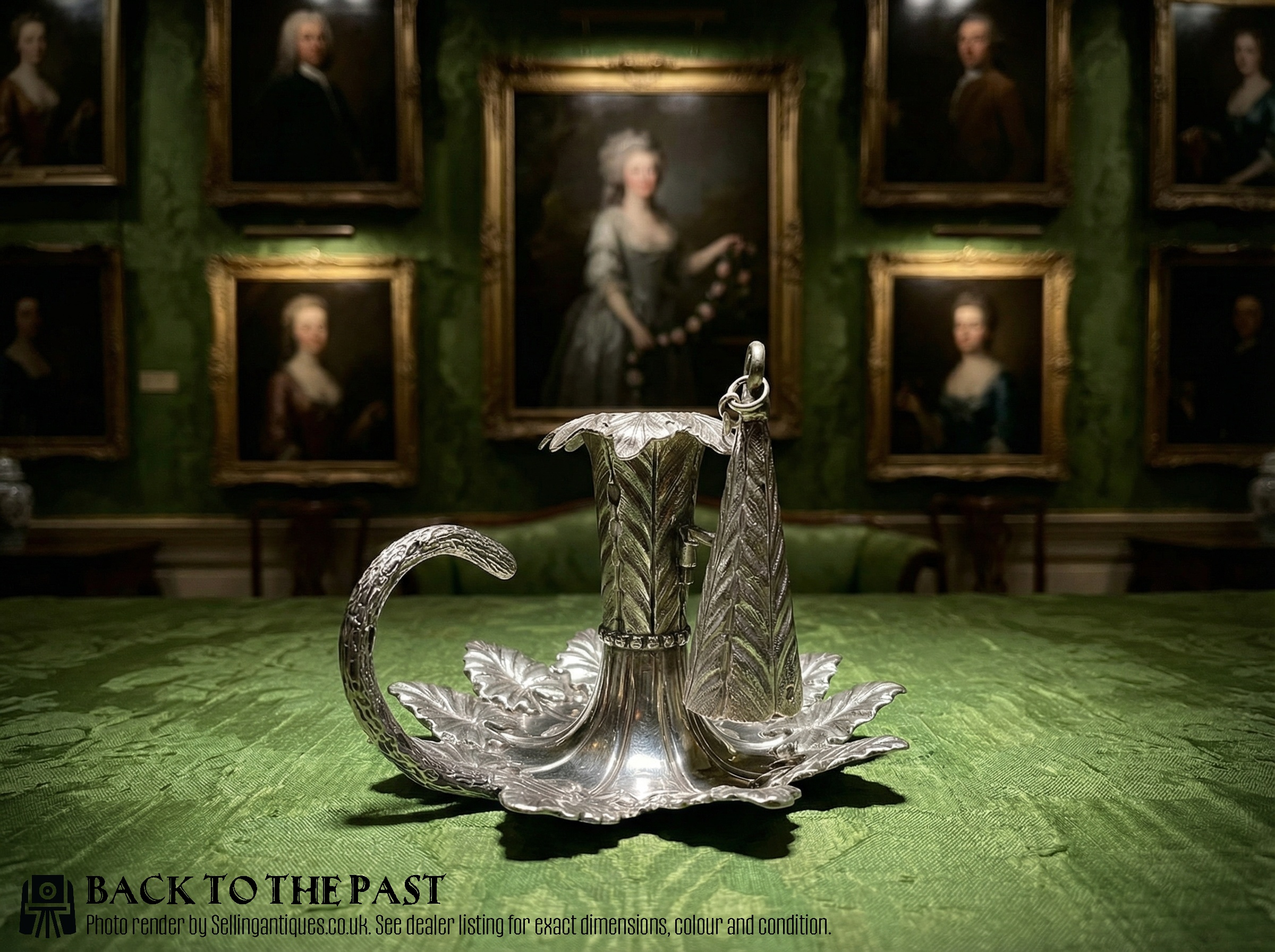
- A low candlestick fitted with a handle and a pan to catch dripping wax, intended for lighting a path through a house at night.
- Pierced Silver
- Metalwork cut through to create openwork decorative patterns, frequently utilised on the bodies of mustard pots and condiment pails to reveal coloured glass liners.
Frequently Asked Questions
How do I identify early victorian silver?
Examine the piece for standard British hallmarks, which typically include a lion passant for sterling silver, a leopard's head or anchor for the assay office, and a date letter corresponding to the reigns of William IV and early Victoria.
Style also provides a guide, as these items often feature heavy proportions combined with early naturalistic embossing before high Victorian ornamentation became dominant.
What were vinaigrettes used for?
Vinaigrettes served as portable receptacles for carrying aromatic vinegars to counteract unpleasant odours or prevent fainting in crowded environments.
The hinged lid opened to reveal a finely pierced internal grille that allowed the scent to diffuse while keeping the damp sponge secure.
How should I clean silver?
Maintenance requires minimal intervention using a soft cloth and mild, non-abrasive silver cleaner formulated to preserve delicate details and hallmarks.
Avoid harsh dips that can strip original patination or damage integrated materials such as glass, enamel, and organic gilding.
Where were these pieces manufactured?
Production was centred primarily in London and Birmingham, each city developing distinct specialisations within the trade.
Birmingham workshops dominated the output of small stamped items and vinaigrettes, while London silversmiths produced heavier cast tablewares and presentation pieces.