



Victorian Smelling Salts
Victorian smelling salts are portable silver and glass containers holding pungent ammonia salts, essential for reviving faint ladies.
Victorian Smelling Salts
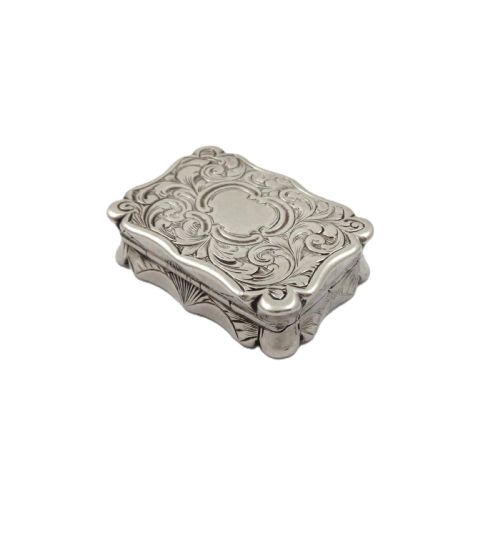
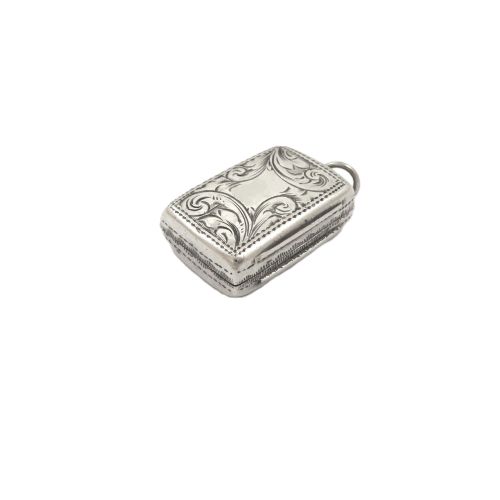
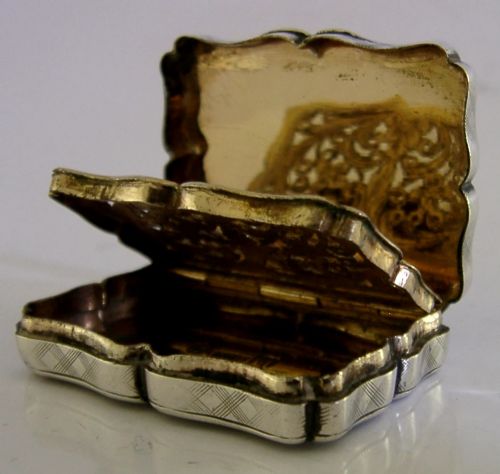
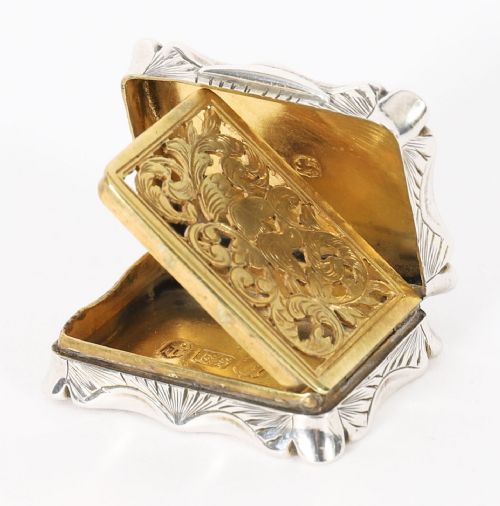
When you search for Victorian smelling salts, you encounter small personal containers designed to hold aromatic ammonia compounds for reviving the wearer. The items listed under this phrase span the nineteenth century, encompassing both standalone scent bottles and hinged silver vinaigrettes equipped with internal pierced grilles.
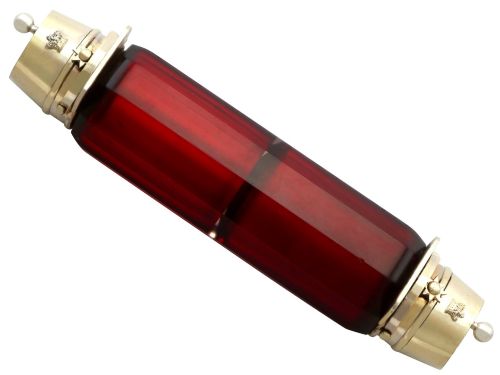
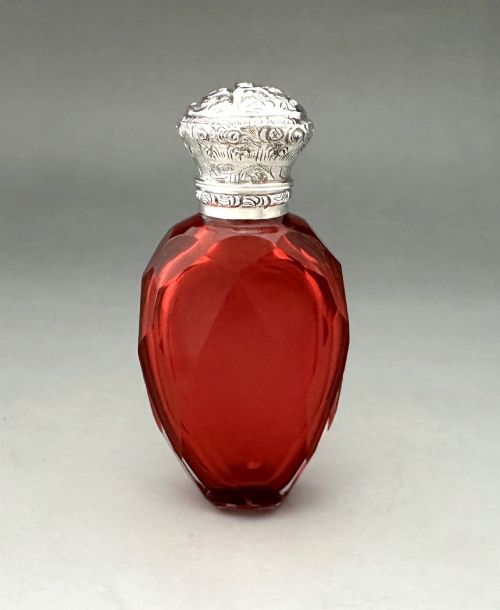
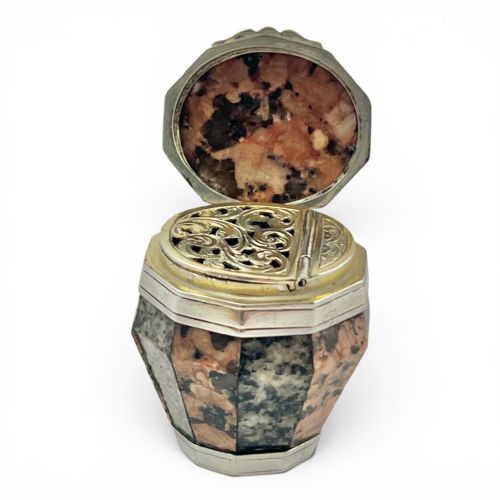
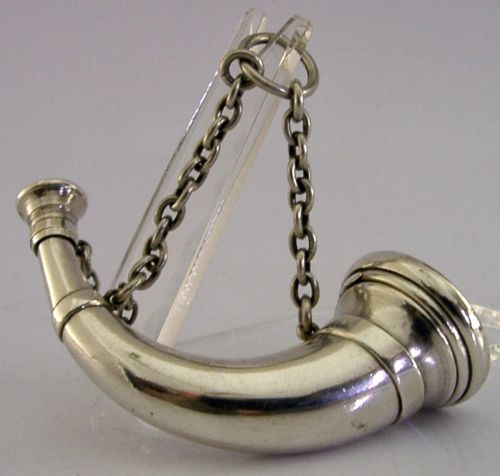
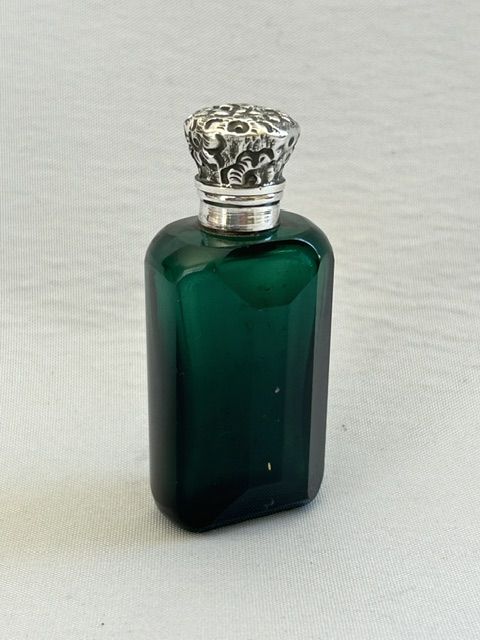
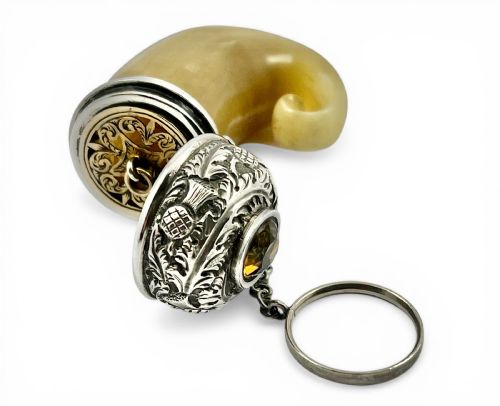
The objects take diverse physical shapes, ranging from cylindrical cut glass flasks and ruby, emerald or opaline glass vessels to figurative silver boxes shaped like walnuts, hunting horns, eggs, barrels and miniature champagne bottles. Scottish examples integrate local materials such as granite, horn and citrine into the silver mounts.
Most pieces date from the Victorian period proper, alongside a smaller number from the Georgian era and the turn of the twentieth century. Origins frequently trace to silversmithing hubs in Birmingham and London, reflecting the primary centres of British metalwork production.
Materials and construction
Makers fashioned the structural bodies of these vessels from sterling silver, silver gilt, and various blown or cut glass formulations including ruby, cranberry, Bristol green, amethyst, and opaline glass. Glass components often feature wheel cutting, etching, or overlaid silver mounts to strengthen the fragile medium.
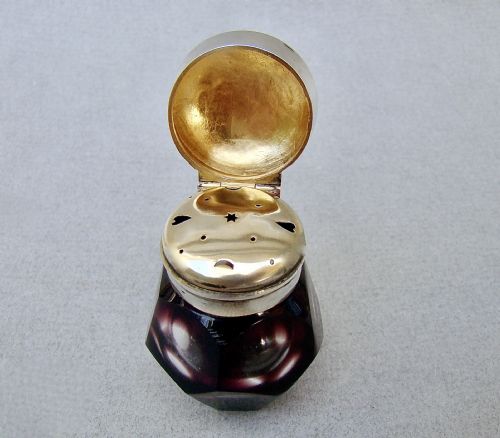
Metal sections, particularly the pierced internal grilles of vinaigrettes and the hinged caps of scent bottles, require precision silversmithing, chasing, and engraving. Many boxes incorporate secure screw threads or spring-loaded lids designed to prevent the volatile salts from evaporating prematurely.
Some Victorian makers formed smelling salts containers as walnuts, acorns, and hunting horns to amuse the pocket.
Distinctions in craftsmanship
Quality rests upon the crispness of the chased silver decoration and the complexity of the glass cutting. Plain tubular silver sleeves contrast with deeply embossed castle top scenes or intricately engraved hunting motifs.
The retention of original internal components, such as gilt wash interiors within vinaigrette boxes and intact glass stoppers within double-ended scent bottles, defines the integrity of surviving specimens.
Horton & Allday·Sampson Mordan·Nathaniel Mills·Edward Smith
The Victorian Smelling Salts Glossary
- Vinaigrette
- A small ornamental box featuring an internal hinged, pierced metal grille that covers a sponge soaked in aromatic vinegar or smelling salts. The perforated grill allows the scent to diffuse while holding the absorbent material away from the lid.
- Sterling silver
- A silver alloy consisting of 92.5 percent silver by mass, with the remainder composed of copper or other metals. This standard grade dominates British hallmarked boxes and mounts from the nineteenth century.
- Silver gilt
- Silver that has been coated with a thin layer of gold on its surface, usually applied to the interior of vinaigrette boxes to protect the metal from corrosive salts. This finish provides a warm golden contrast to the exterior silver.
- Opaline glass
- An opaque or semi-translucent art glass type produced in pastel shades such as blue, white, or pink. It gained popularity during the nineteenth century for decorative vanity items.
- Double ended scent bottle
- A cylindrical container featuring a hinged or screw cap at both ends, allowing two different liquids or a scent and smelling salts to be carried in a single symmetrical piece.
Victorian Smelling Salts: Frequently Asked Questions
How do vinaigrettes differ from scent bottles?
A scent bottle holds liquid perfumes within a glass or metal chamber sealed by a stopper or cap. A vinaigrette is a small silver box containing a sponge soaked in liquid or salts beneath a decorative pierced metal grille.
While both provided pleasant or reviving aromas, vinaigrettes specifically utilised solid or semi-solid preparations held securely on a sponge.
How are periods and dates identified?
Dates are determined through official British hallmarks stamped into the silver mounts, which indicate the assay office, date letter, and maker's mark. Stylistic indicators, such as Victorian aesthetic movement engraving or Georgian proportions, provide additional chronological context.
Unmarked pieces rely on manufacturing techniques, glass colours, and known design patterns associated with specific nineteenth-century workshops.
How should these pieces be displayed?
These small items suit tabletop display cabinets, vanity trays, or dedicated collections of miniature silver and glass. Their compact scale allows them to be grouped together by material or form.
Care should be taken to keep them away from direct heat sources that might damage historic glass or vintage internal sponges.