



Antique Silver Pomander
Looking for an antique silver pomander? These small, fragrant vessels and boxes bring period charm and historical scent-keeping to a modern room.
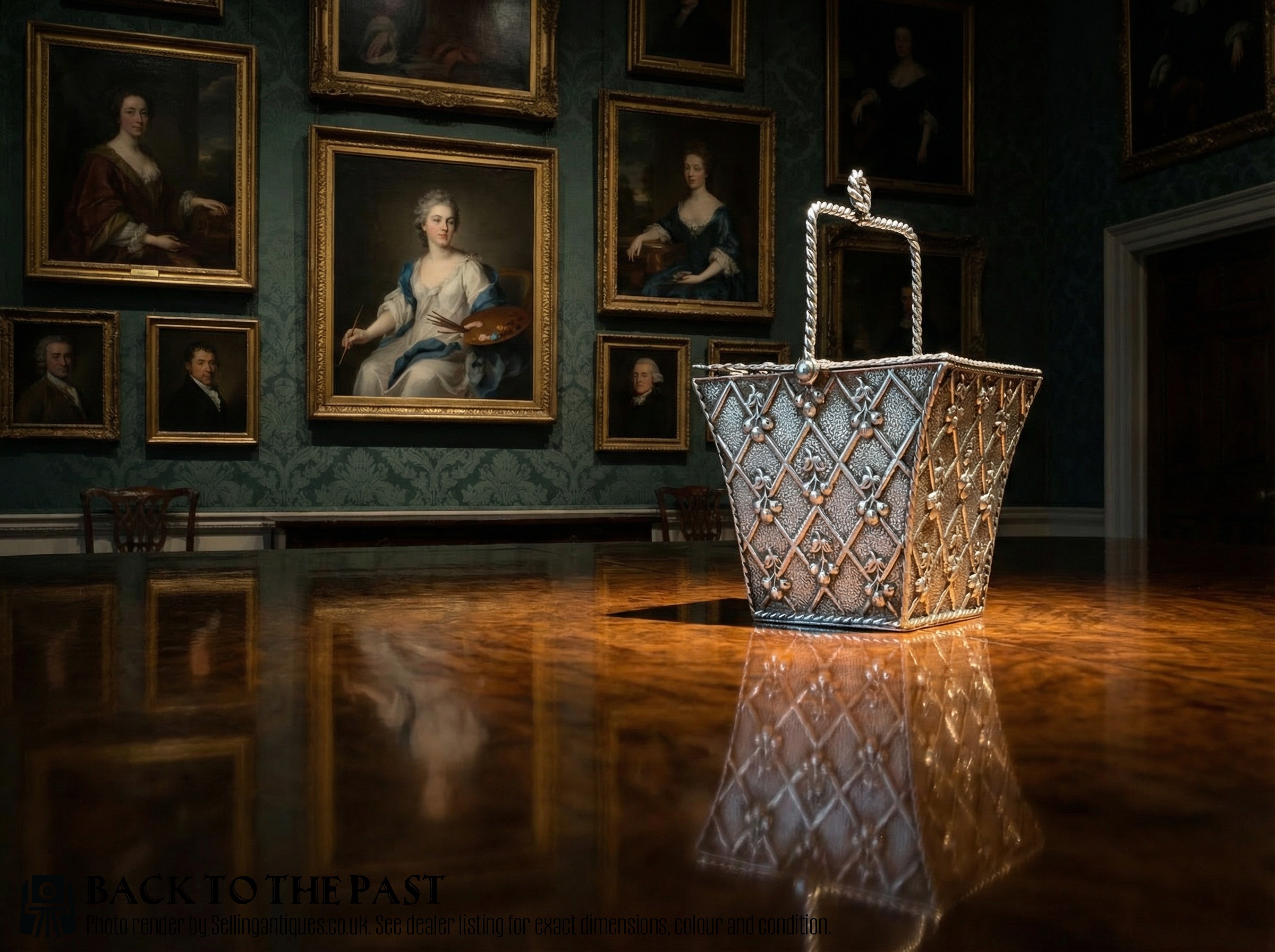
What an antique silver pomander is
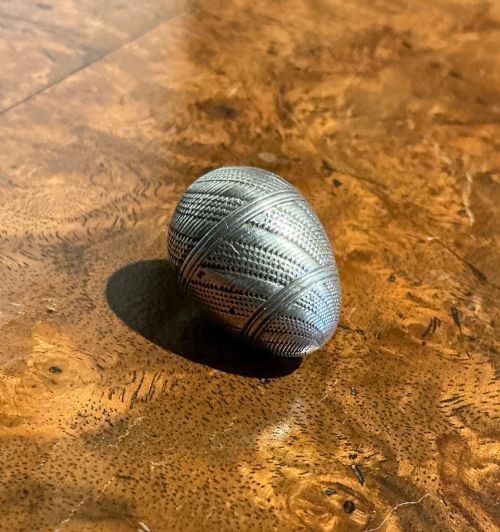
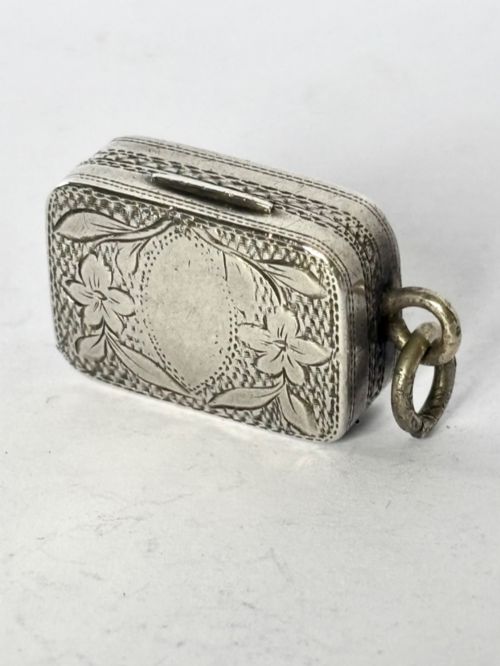
An antique silver pomander is a small vessel designed to hold aromatic substances, often appearing alongside related forms such as vinaigrettes and potpourri baskets. These pieces survive in several period styles, including Georgian, Victorian, Edwardian, and the year 1910.
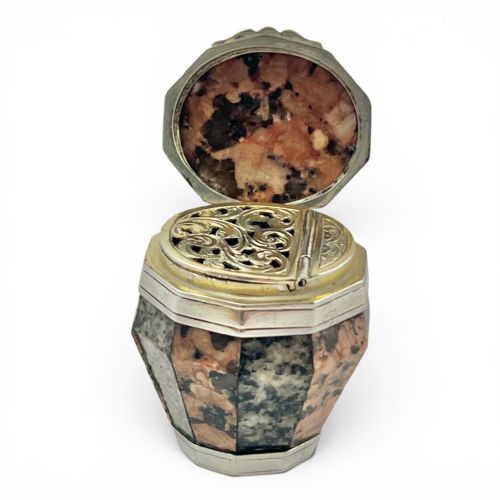
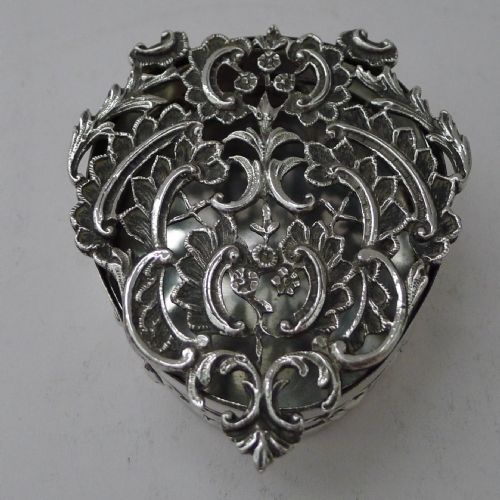
The objects take various shapes, ranging from traditional double pomanders and potpourri boxes to barrel vinaigrettes incorporating Scottish granite. Buyers on this page will most frequently encounter these distinct forms spanning the late eighteenth, nineteenth, and early twentieth centuries.
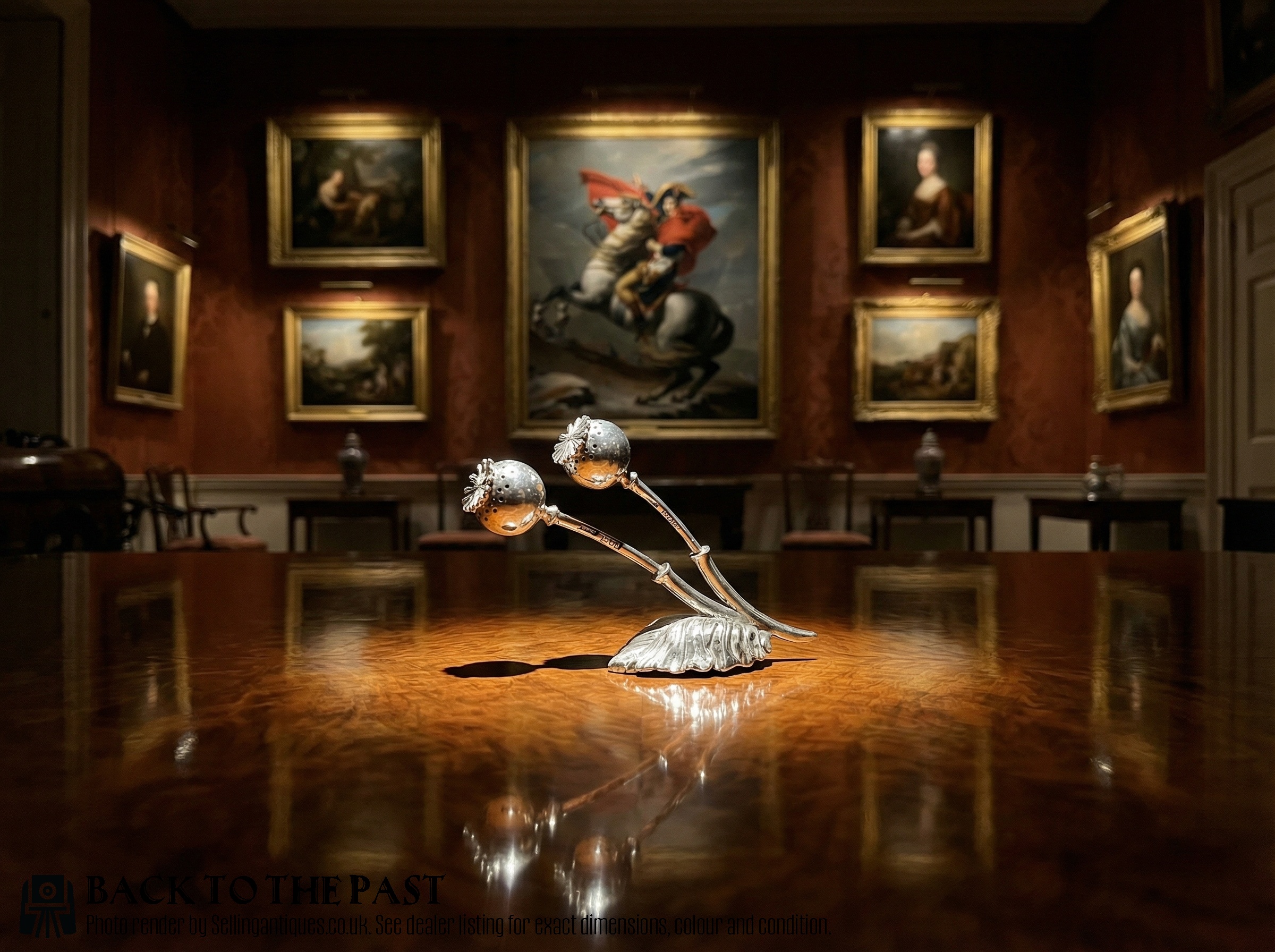
How they were made
Items in this category are fashioned primarily from sterling silver, silver, and silver-gilt, sometimes enhanced with gilt metal and stone elements like granite. Metalsmiths utilised casting, piercing, and hammering techniques to shape the boxes and baskets.
Silversmiths applied rich gilding and detailed metalwork to create perforated surfaces that allowed perfumes to diffuse slowly. Stonework, such as Scottish granite, was shaped and fitted carefully into silver mounts to form barrel vinaigrettes.
Retail Price Guide 2026
Typical UK retail prices for silver pomander, calculated from the Sellingantiques database of over a million retail prices indexed since 2003. This retail price guide relies exclusively on Sellingantiques data; no external sources or auction records are used, so the figures do not describe the wider market.
Some Victorian Scots decided a silver container simply had to be made from a solid barrel of polished granite.
What varies in quality
Quality in these objects rests upon the crispness of the piercing, the weight of the metal, and the precision of the construction. Finer pieces display sharp, clean perforation patterns that allow scent to escape while maintaining structural integrity.
The integration of contrasting materials, such as polished granite with silver or the application of silver-gilt finishes, separates standard items from more ambitious workshops. Preservation of maker marks and hallmarks also contributes significantly to the standing of a piece.
SAMUEL PEMBERTON BIRMINGHAM
The Antique Silver Pomander Glossary
- Pomander
- A small container or ball used to hold perfumes, spices, or aromatic herbs. Historically carried or placed in rooms to mask unpleasant odours and freshen the air.
- Vinaigrette
- A small hinged box containing a sponge soaked in aromatic vinegar. These were carried as a defence against foul smells in crowded places.
- Silver-Gilt
- Silver that has been coated with a thin layer of gold on its surface. This technique provided the rich appearance of solid gold while utilising a silver base.
- Potpourri Basket
- An open or pierced container designed to hold dried flowers and spices. They allowed fragrant mixtures to scent living spaces gently.
Frequently Asked Questions
What is an antique silver pomander?
An antique silver pomander is a small, decorative container made to hold aromatic substances, herbs, or spices. These vessels were historically used to keep pleasant scents close at hand.
Today, they survive as collectible examples of period silversmithing, often taking the form of pierced boxes, baskets, or double containers from the Georgian and Victorian eras.
How were vinaigrettes used?
Vinaigrettes were small pocket containers housing a sponge soaked in scented vinegar. Owners opened the hinged lid to inhale the strong fragrance when confronted with unpleasant odours.
They functioned as portable deodorisers for personal use in crowded public spaces or poorly ventilated rooms.
How do I care for silver-gilt?
Silver-gilt requires gentle maintenance because the thin gold layer can wear away with harsh cleaning. Dust the piece softly with a dry cloth and avoid abrasive polishes entirely.
Store the object in a dry environment to protect both the underlying silver and the gold surface from tarnishing prematurely.
How can I date these pieces?
Dating relies on examining hallmarks, maker stamps, and the overall stylistic characteristics of the object. Georgian items often display different construction methods compared to later Victorian or Edwardian pieces.
Materials like Scottish granite combined with silver point specifically towards mid-nineteenth-century Victorian manufacturing trends.