

Antique Silver Smelling Salts
Antique silver smelling salts containers are small personal vessels designed to carry pungent salts, combining practical utility with refined metalwork.
What these pieces are
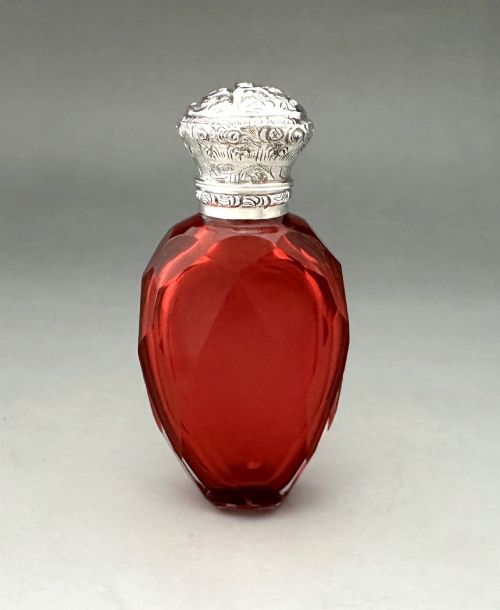
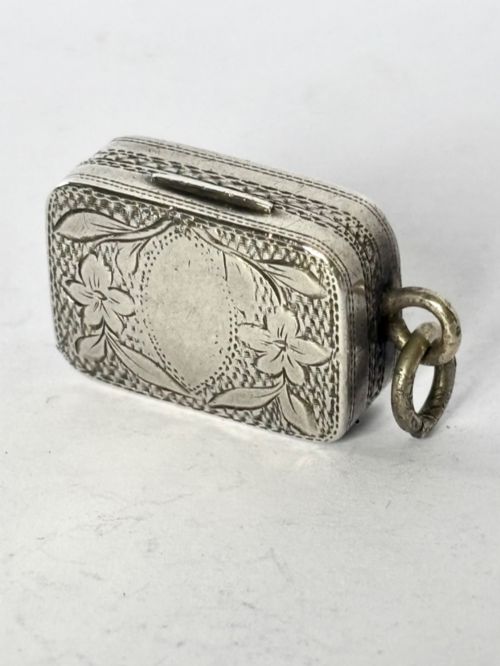
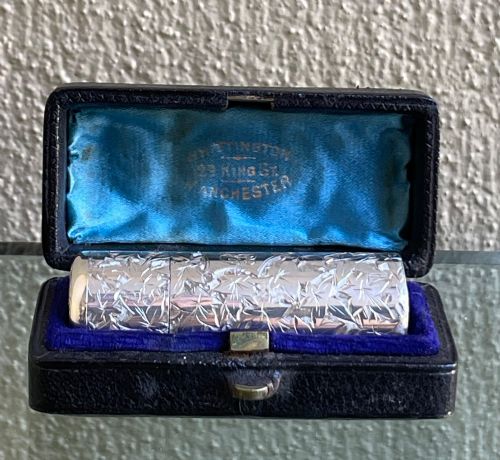
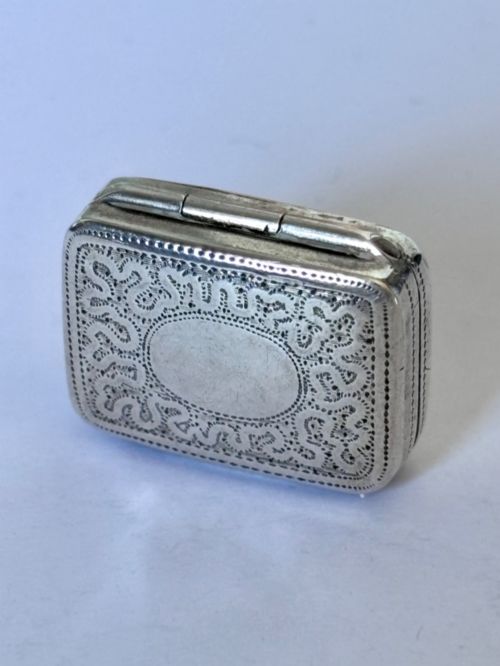
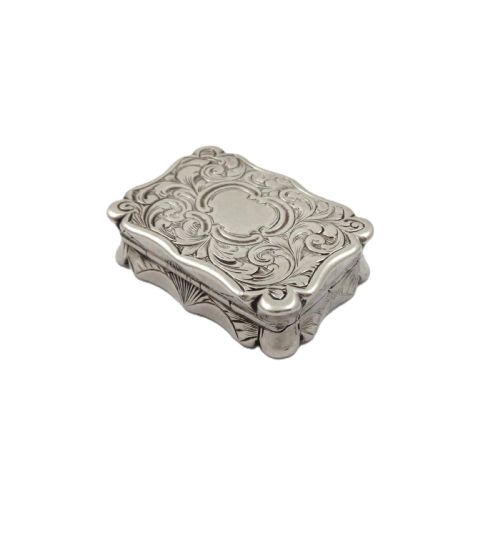
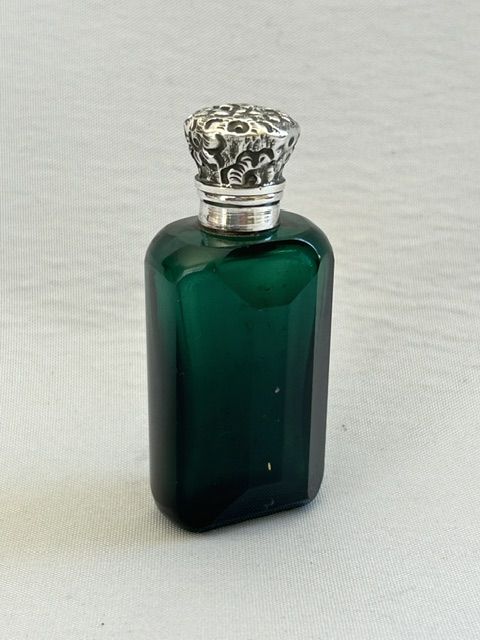
Antique silver smelling salts containers include scent bottles, flasks, dressing jars, and vinaigrettes designed for personal refreshment.
The pieces appearing here span the Georgian and Victorian periods, including specific years such as 1804 and 1889 alongside pieces from 1880.
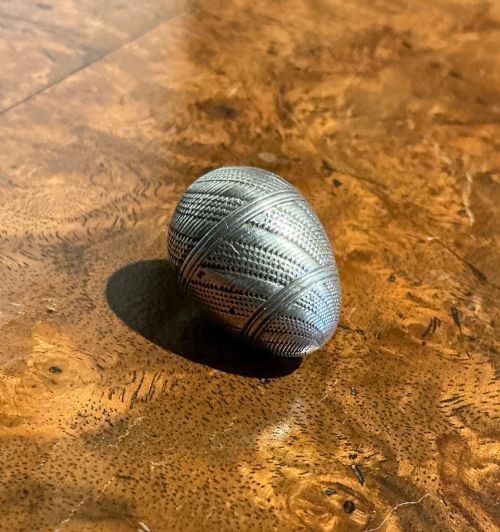
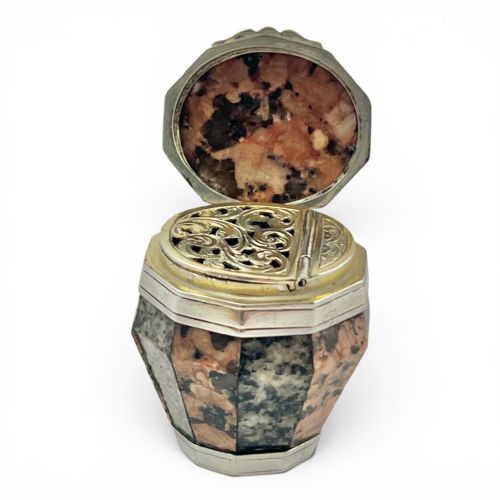
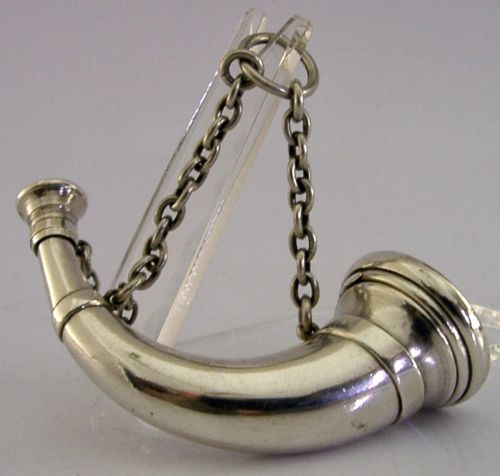
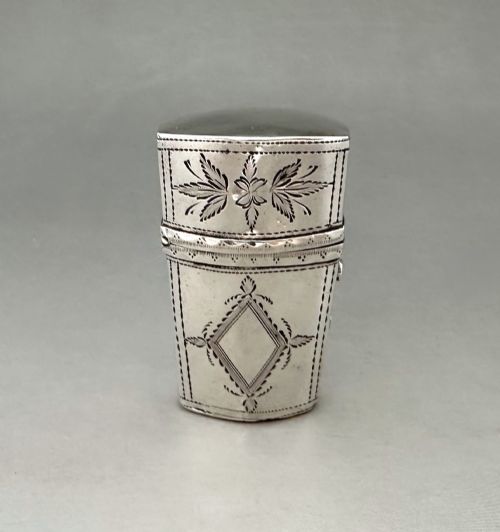
Forms range from egg-shaped and barrel-shaped designs to more traditional flask shapes, reflecting the varied tastes of their original owners.
How they were made
Silversmiths utilised sterling silver and silver-gilt, frequently combining the precious metal with materials like leather, silk, velvet, granite, and gilt metal.
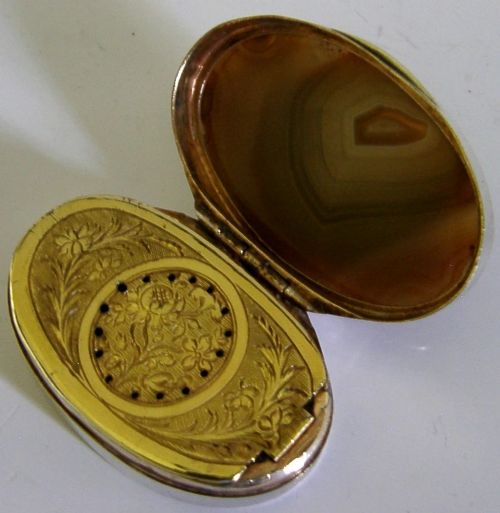
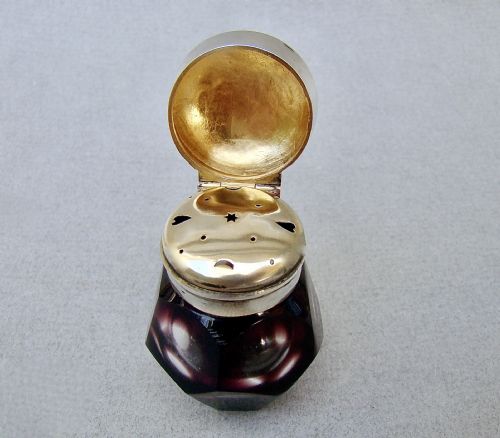
Internal components of vinaigrettes feature intricate pierced grilles designed to hold a sponge soaked in aromatics, whilst scent bottles and flasks rely on secure closures to contain volatile liquids.
Retail Price Guide 2026
Typical UK retail prices for silver smelling salts, calculated from the Sellingantiques database of over a million retail prices indexed since 2003. This retail price guide relies exclusively on Sellingantiques data; no external sources or auction records are used, so the figures do not describe the wider market.
Listings incorporate sterling silver, silver-gilt, granite, and leather across Georgian and Victorian periods.
What varies in quality
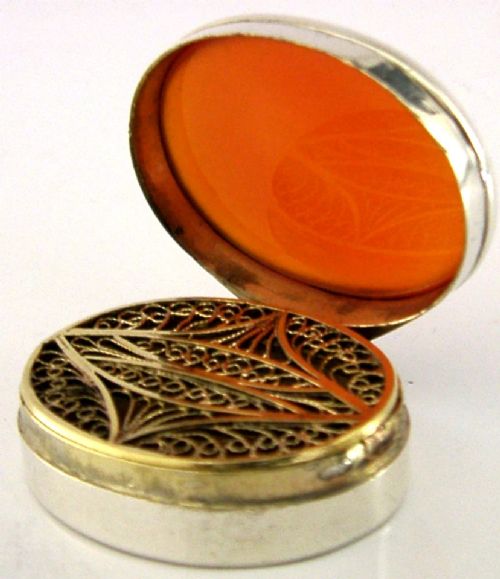
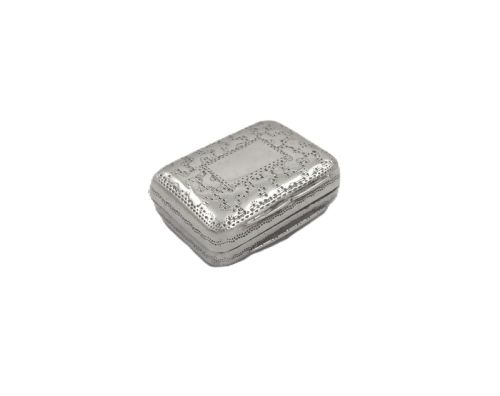
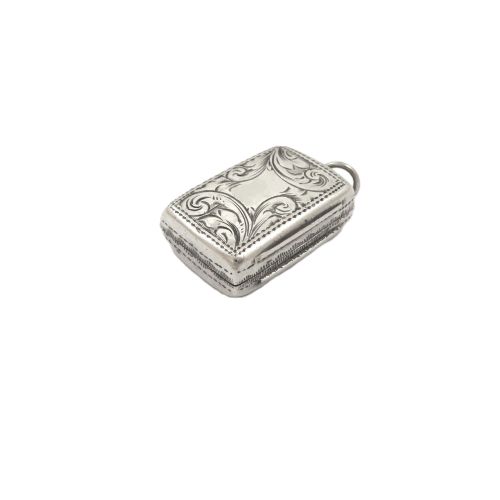
Quality reveals itself in the crispness of the chased decoration, the precise fit of hinged lids, and the fineness of the internal pierced grilles within vinaigrettes.
The integration of decorative hardstones such as orange agate or Scottish granite alongside expertly cast silver elements elevates the sophistication of individual examples.
Samuel Pemberton·Horton And Allday·Henri Lapeyre
The Antique Silver Smelling Salts Glossary
- Vinaigrette
- A small ornamental box featuring an internal pierced grille, designed to hold a sponge soaked in aromatic vinegar or smelling salts.
- Silver-gilt
- Silver that has been coated with a thin layer of gold on its surface, often used to protect the interior of vinaigrettes from corrosive salts.
- Sterling silver
- An alloy of silver containing ninety-two point five percent silver by mass, forming the primary structural material for these antique containers.
- Orange agate
- A variety of chalcedony displaying warm orange banded patterns, utilised by silversmiths to ornament the lids and bodies of boxes.
Frequently Asked Questions
How do vinaigrettes differ from scent bottles?
Vinaigrettes contain a hinged, pierced internal grille designed to hold a sponge soaked in aromatic vinegar rather than liquid perfume.
Scent bottles and flasks are constructed to hold liquid scents directly within their main chamber.
What materials are found alongside the silver?
Silversmiths frequently incorporated decorative hardstones such as granite and orange agate into the bodies of these small boxes.
Internal linings and exterior accents also occasionally feature leather, silk, velvet, and gilt metal.
How can I tell Georgian pieces from Victorian ones?
Georgian examples often display characteristics from the late eighteenth and early nineteenth centuries, such as specific maker marks and bright-cut engraving.
Victorian pieces from the later decades frequently incorporate bolder stylistic influences and different manufacturing techniques.