
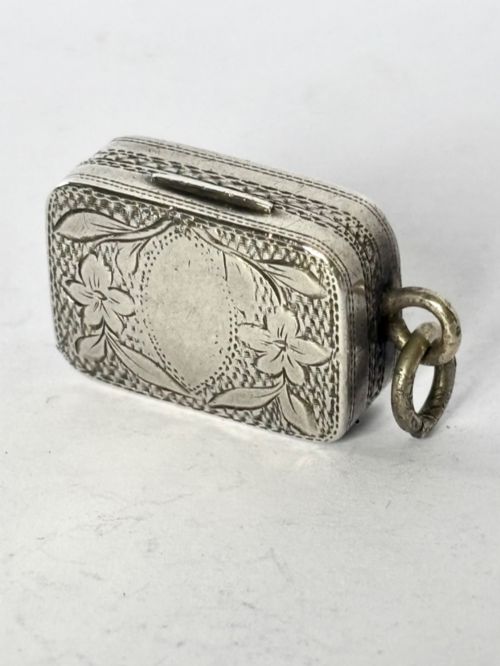
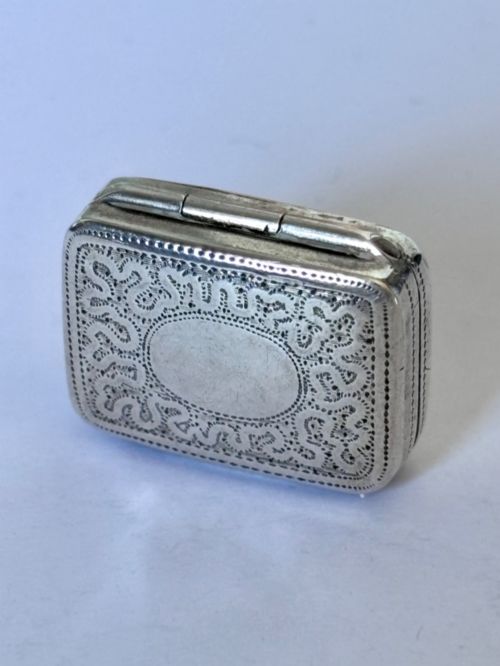




Silver Gilt Vinaigrette
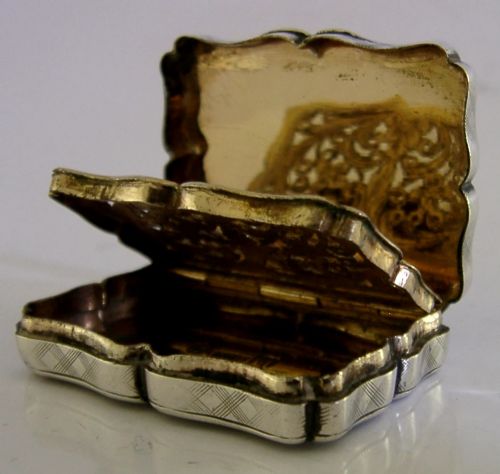
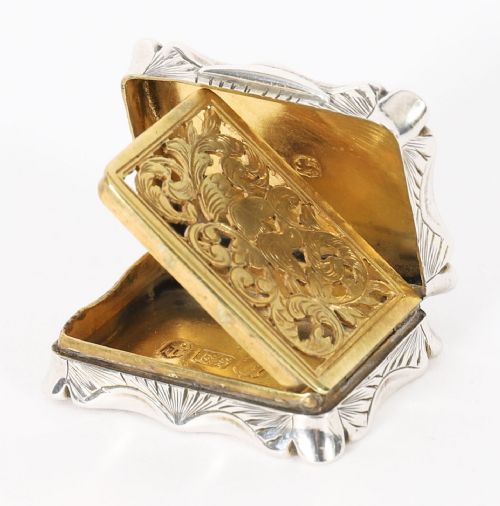
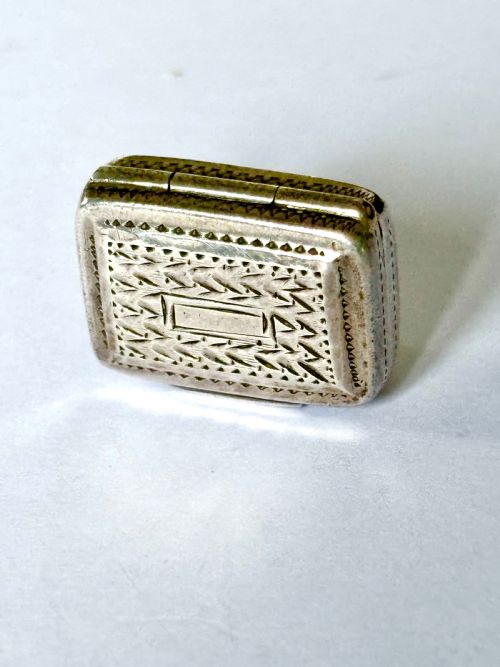
A silver gilt vinaigrette is a small, hinged box designed to hold a scented sponge, combining sterling silver construction with a rich gilt interior.
Silver Gilt Vinaigrette
When searching for a silver gilt vinaigrette, a collector encounters pocket-sized receptacles engineered to dispense aromatic vinegar during the Georgian and Victorian eras. These containers typically measure just a few centimetres across, designed to be carried discretely in a pocket or reticule.
The version most commonly met on this page originates from Birmingham and London workshops dating from the late eighteenth century through to the late nineteenth century. These pieces combine functional utility with intricate metalwork, housing a pierced internal grille that secures the sponge while allowing perfume to diffuse.
How they were made
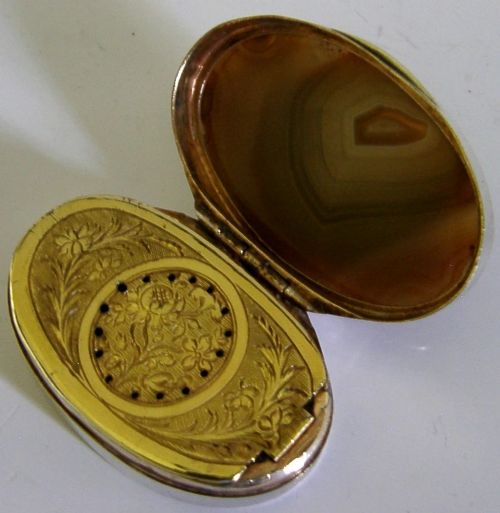
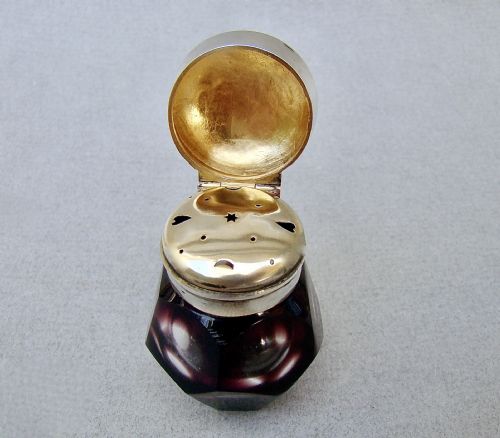
Makers constructed these boxes from sterling silver, subsequently applying a gold wash known as silver gilt to the interior surfaces to protect the metal from the corrosive properties of acidic vinegars. Exterior bodies frequently incorporated natural decorative elements such as agate or coloured glass alongside traditional chased silver.
The internal grille required meticulous piercing and engraving, often featuring floral, geometric, or pierced scroll patterns that hinged independently from the main box lid. Silversmiths utilised stamping, casting, and hand-engraving techniques to produce both standard rectangular forms and unusual novelty shapes.
Silver Gilt Vinaigrette Retail Price Guide 2026
Typical asking prices for silver gilt vinaigrette among the pieces listed under this phrase on Sellingantiques today, from the lower quarter to the upper quarter. They describe what is for sale here now, not the wider market.
Victorian makers turned vinaigrettes into walnuts and pocket watches, proving the Victorians put hinges on absolutely everything.
What varies in quality
The standard of a silver gilt vinaigrette depends largely on the crispness of the exterior chasing and the complexity of the internal grille piercing. Master silversmiths executed pierced designs with sharp edges and balanced symmetry, whereas lesser examples show thicker, less refined fretwork.
Quality also rests in the precision of the hinge and clasp mechanism, which should close flush and secure tightly. Pieces featuring uncommon forms, such as novelty fish shapes, pocket watches, or integrated scent bottles combined with gemstone panels, represent the higher tier of period execution.
Samuel Pemberton·Thomas Johnson·Nathaniel Mills·Edward Smith·Samson Mordan·John Bettridge·Francis Clark·David Pettifer·Deakin Francis·Roger Biggs·Ford and Slater·William Simpson·Wardell and Kempson·John Shaw·Postans and Tye·T Simpson and Son·Hilliard and Thomason·Alfred Taylor·Thomas and William Simpson·Colen Hewer Cheshire·Ledsam Vale Wheeler
The Silver Gilt Vinaigrette Glossary
- Vinaigrette
- A small ornamental box fitted with a perforated internal grille for holding a sponge soaked in aromatic vinegar. These items were widely used in the Georgian and Victorian periods to ward off unpleasant odours.
- Silver gilt
- Sterling silver that has been coated with a thin layer of gold through a chemical or electrochemical process. This treatment protected the interior silver from the corrosive nature of scented vinegars.
- Grille
- The pierced and engraved internal plate hinged inside a vinaigrette box. It held the saturated sponge in place while allowing the fragrance to escape through the decorative openings.
- Chasing
- A metalworking technique where a silversmith pushes and displaces metal from the front using hammers and punches to form raised decorative designs. This method created the intricate floral and textured patterns seen on box exteriors.
Silver Gilt Vinaigrette: Frequently Asked Questions
How were vinaigrettes used?
Owners placed a small piece of sponge soaked in aromatic vinegar or perfume behind the internal grille of the box. When foul odours arose in public spaces, the owner opened the outer lid to inhale the refreshing scent.
These pieces were carried in pockets or handbags, functioning as both a practical health accessory and a display of personal refinement.
How can I date a silver gilt vinaigrette?
Dating relies heavily on the hallmarks stamped onto the silver, which identify the assay office, the maker's mark, and the specific year letter for the piece. Birmingham and London were the primary centres for manufacturing these items.
Stylistic shifts also help narrow down the period, transitioning from simple engraved Georgian rectangular boxes to more ornate Victorian novelty forms and gemstone combinations.
Did all vinaigrettes use sponges?
Most period vinaigrettes included a small sponge nestled beneath the pierced silver grille to absorb the liquid. Surviving pieces sometimes retain their original sponges alongside the metal components.
Some variants integrated glass scent bottles or combined compartments to hold dry salts alongside liquid perfumes.