


.JPG)
Sterling Silver Scent Box
These sterling silver scent boxes are compact containers designed for aromatic compounds, offering a tactile glimpse into Georgian and Victorian personal care.
Sterling Silver Scent Box
When you search for a sterling silver scent box, you encounter small personal containers designed to hold perfumes, pot pourri, or aromatic vinegars. These pieces span the Georgian, Victorian, and Edwardian eras, appearing in various compact silhouettes.
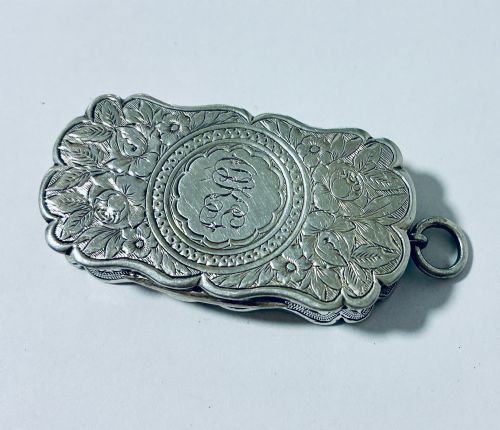
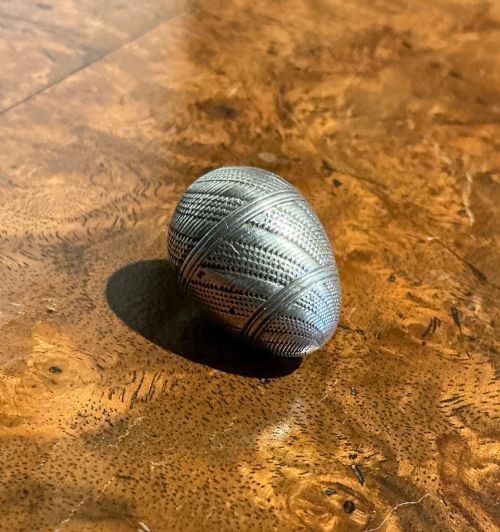
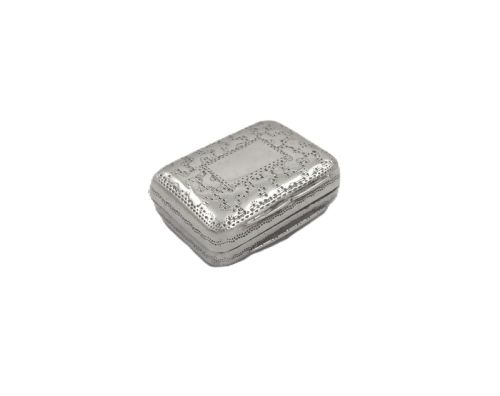
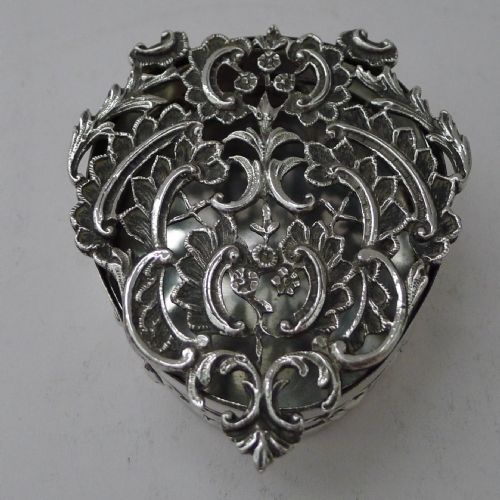
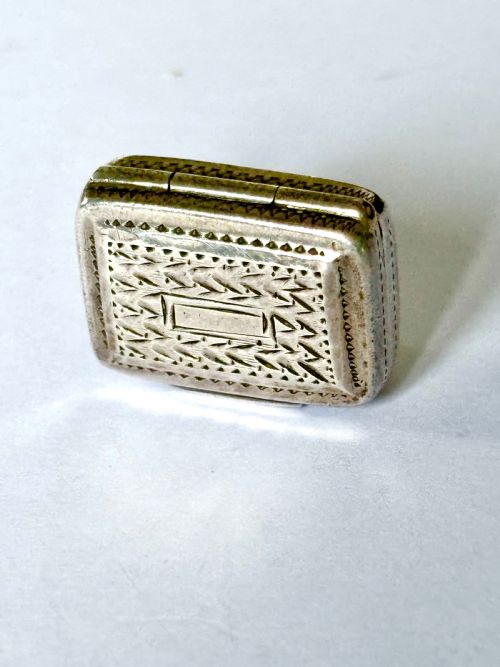
The most common forms on this page are vinaigrettes and scent bottles, alongside egg shape vinaigrettes, pot pourri boxes, and round solid silver boxes. Makers utilised sterling silver frequently paired with agate, gold plate, leather, silk, and velvet linings.
Originating predominantly from British silversmithing centres such as Birmingham, London, Chester, and Edinburgh, these items reflect the domestic habits of the nineteenth century. Collectors will find both straightforward utility pieces and highly decorative examples featuring castle top motifs.
Materials and construction methods
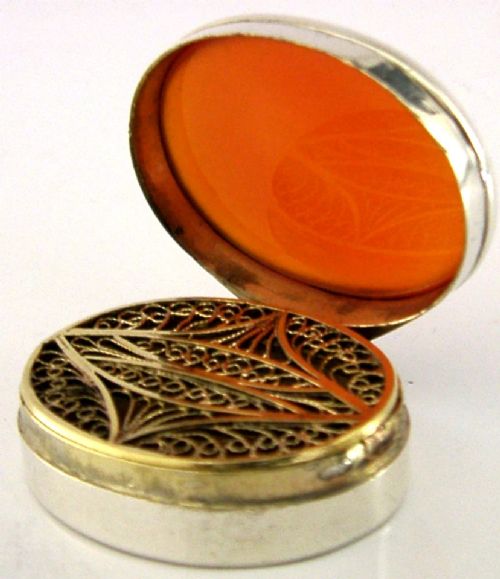
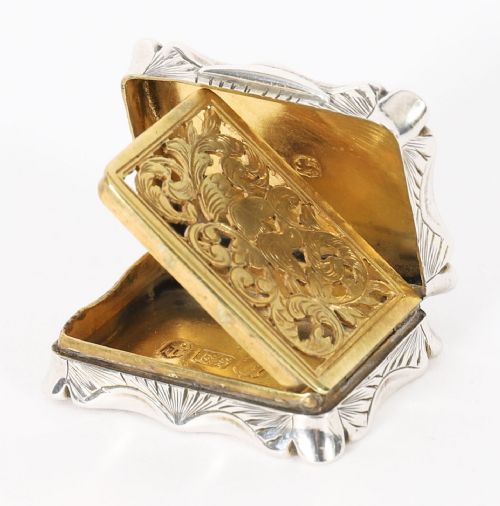
Silversmiths constructed these boxes using solid sterling silver, occasionally applying silver gilt finishes to the interior surfaces to prevent corrosion from acidic vinegars and perfumes. Hardstone inserts such as orange agate were meticulously cut and fitted into lids.
Interior components required precise metalworking, particularly the pierced grilles inside vinaigrettes that allowed scents to diffuse while holding sponge soaked in aromatic compounds. Hinges and closures were engineered to tight tolerances to prevent leakage in pocket or purse.
An eighteenth-century dandy could revive a fainting companion with a single drop of vinegar held behind a tiny silver grille.
Assessing quality in period silver boxes
Quality separates standard production boxes from exceptional examples through the crispness of chased and engraved exterior decoration, such as architectural scenes on castle top pieces. The weight and gauge of the sterling silver plate also dictate the structural integrity of the box over time.
Internal elements reveal the maker's hand, particularly the delicacy of piercing on the gilt grilles of vinaigrettes and the secure mounting of agate panels. Crisp, legible hallmarks stamped by makers like William Comyns or Reily and Storer anchor the standard of execution.
Horton & Allday·William Comyns·Edward Smith·John Bettridge·Reily And Storer
The Sterling Silver Scent Box Glossary
- Vinaigrette
- A small hinged box containing a perforated internal grille, designed to hold a sponge soaked in scented vinegar. These portable containers were carried in pockets or reticules during the Georgian and Victorian periods.
- Silver gilt
- Sterling silver that has been coated with a thin layer of gold, commonly applied to the interior bowls of vinaigrettes to protect the metal from chemical corrosion. This finish creates a warm, dual-tone appearance inside the box.
- Castle top
- A style of decorative metalwork featuring a detailed topographical relief of a specific building, landmark, or university college on the lid. These are highly sought after by collectors of nineteenth-century silver.
- Hallmark
- A series of official marks stamped onto precious metal items to guarantee the purity of the silver, the year of manufacture, and the maker or assay office. British pieces typically show a standard mark, assay office mark, and date letter.
- Pot pourri box
- A small decorative container pierced with holes across the lid to allow dried aromatic plant materials to diffuse fragrance into a room. These domestic items were produced in various precious metals during the Edwardian era.
Sterling Silver Scent Box: Frequently Asked Questions
What is a sterling silver scent box used for?
These small containers were carried by individuals to mask unpleasant odours in public spaces or to provide relief from faintness during the Georgian and Victorian eras. The internal sponge held aromatic vinegars or perfumes securely while fitting easily into a pocket or reticule.
Over time, their function shifted from daily personal utility to decorative dressing table accessories and collector pieces. Today, they are appreciated for their miniature craftsmanship and historical connection to personal hygiene practices.
How do I identify a Victorian sterling silver vinaigrette?
Look for official hallmarks stamped on the interior rim, base, or lid, which indicate the assay office, standard of silver, and a specific date letter corresponding to the nineteenth century. Makers such as Edward Smith or Horton & Allday often marked their production clearly.
Stylistically, Victorian examples feature chased floral motifs, intricate engraving, or topographical castle top designs. Opening the lid reveals the characteristic pierced and gilt internal grille designed to hold a vinegar-soaked sponge.
How should I clean antique silver scent boxes?
Antique silver benefits from minimal intervention, relying on soft microfiber cloths to remove dust without abrasive polishes that can wear away crisp engraving. Avoid getting moisture or cleaning agents trapped in hinges or behind agate panels.
If the interior gilt or silver requires more attention, consult a professional conservator to preserve delicate hallmarks and internal grilles. Proper storage in dry, stable environments protects velvet linings and leather elements from deterioration.