


Qing Dynasty Silver
Qing dynasty silver brings forth intricate dragon motifs and delicate white metal work, offering collectors tangible pieces of late imperial Chinese artistry.
Qing Dynasty Silver
When you search for qing dynasty silver, you encounter items ranging from decorative bowls and boxes to walking canes and decanter labels. These objects span periods from the early nineteenth century through to the early twentieth century, reflecting both domestic use and the flourishing export trade of the era.
The pieces you are most likely to meet on this page include Chinese export silver items featuring detailed bird, floral, and dragon designs. Many incorporate materials such as jade, enamel, and glass alongside standard white metal and sterling silver.
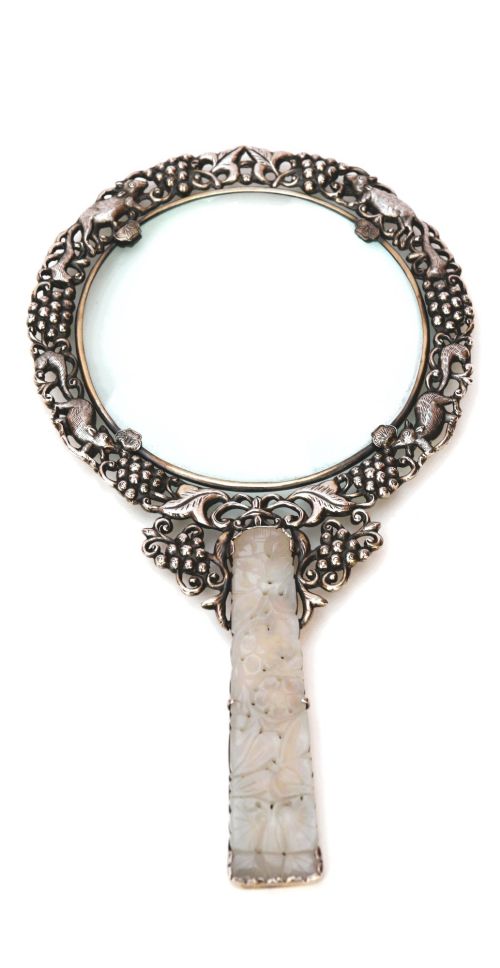
Makers working during the late nineteenth and early twentieth centuries produced utilitarian items alongside purely decorative works. From desk accessories and magnifying glasses to goblets and jugs, each piece illustrates the skilled metalwork of Chinese workshops tailored for both local and international markets.
Materials and Techniques
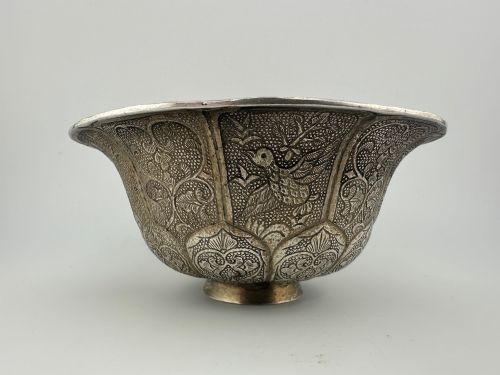
Silversmiths utilised white metal and sterling silver as the primary foundations for these objects, frequently hammering, casting, and repoussé shaping the metal. Surface decoration often involved detailed chasing of dragons, prunus blossoms, and birds.
Many items incorporate contrasting elements such as jade rims, enamel work, glass inserts, and handles made from cherry wood, malacca, or bamboo. These mixed media pieces demonstrate the high level of craftsmanship applied by period workshops.
Qing Dynasty Silver Retail Price Guide 2026
Typical asking prices for qing dynasty silver among the pieces listed under this phrase on Sellingantiques today, from the lower quarter to the upper quarter. They describe what is for sale here now, not the wider market.
Listings feature items from the nineteenth and early twentieth centuries, incorporating materials such as silver, jade, enamel, and ebonised wood.
Variations in Quality
Quality in qing dynasty silver rests upon the depth and clarity of the repoussé work and the intricacy of the chasing. Superior examples display sharply defined dragon scales, feathers, and floral petals rather than soft or shallow stamping.
The integration of secondary materials also dictates quality, with genuine jade insertions, vibrant enamelling, and well-preserved natural handles elevating the standard of the piece above simpler utilitarian forms.
Wang Hing & Co·Luen Hing·Zee Wo
The Qing Dynasty Silver Glossary
- Chinese Export Silver
- Silver items manufactured in China, primarily for Western markets, during the nineteenth and early twentieth centuries. These pieces often bear artisan marks or pseudo-hallmarks.
- Repoussé
- A metalworking technique where the silver is hammered from the reverse side to form a raised design in relief. Artisans then refine the details from the front using chisels.
- White Metal
- An alloy resembling silver utilised extensively in Asian export wares. It provides a durable base for intricate decorative motifs.
- Antimony
- A metallic material utilised in the manufacture of certain period censers and vessels. It offers a distinct dark finish suited to decorative objects.
- Etui Box
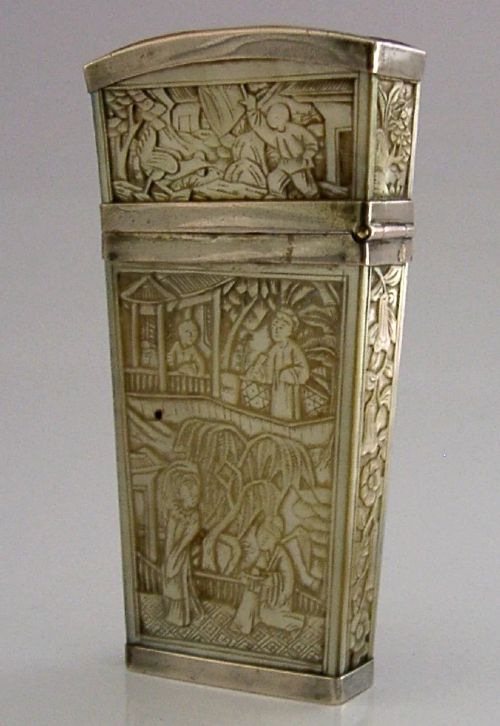
- A small decorative container designed to hold sewing needles, cosmetics, or small trinkets. These portable cases often feature detailed exterior ornamentation.
Qing Dynasty Silver: Frequently Asked Questions
What is Chinese export silver?
Chinese export silver encompasses items made by Chinese silversmiths specifically for Western export markets during the nineteenth and early twentieth centuries. These pieces frequently combine traditional Asian motifs with European forms.
You will find that many of these objects carry artisan stamps or pseudo-hallmarks rather than standard British hallmarks, reflecting the distinct manufacturing hubs of cities such as Hong Kong and Canton.
How do I identify Qing dynasty silver?
Identification relies on examining the stylistic motifs, such as dragons, prunus blossom, and koi carp, alongside the construction methods typical of nineteenth-century workshops. The presence of white metal and characteristic maker marks also aids attribution.
Materials used in conjunction with the silver, including jade, enamel, and specific tropical hardwoods for handles, further support dating the pieces to the late Qing period.
How were walking sticks made?
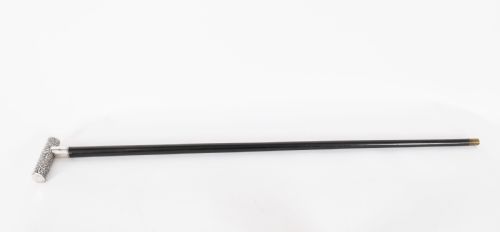
Walking canes and sticks combined silver handles decorated with floral or animal motifs with shafts made from materials like malacca or cherry wood. The metal handles were securely fitted to the wooden shafts using traditional joinery.
These accessories served practical walking purposes while displaying the owner's taste through finely chased silver pommels.
What are decanter labels?
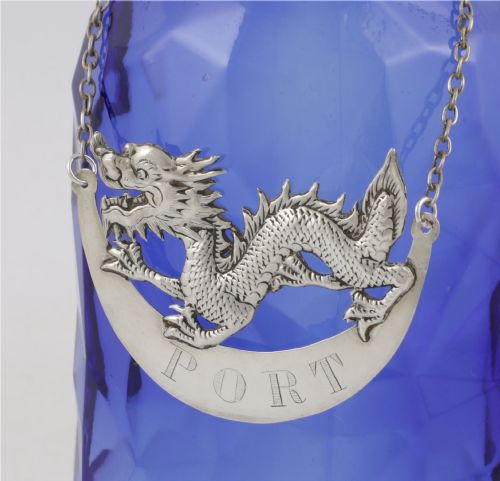
Decanter labels are small silver tags hung around the necks of bottles to identify their contents, such as port or other spirits. In Chinese export examples, these labels incorporate dragon designs and traditional script.
They represent the blending of Western dining customs with Asian silversmithing techniques during the nineteenth century.