
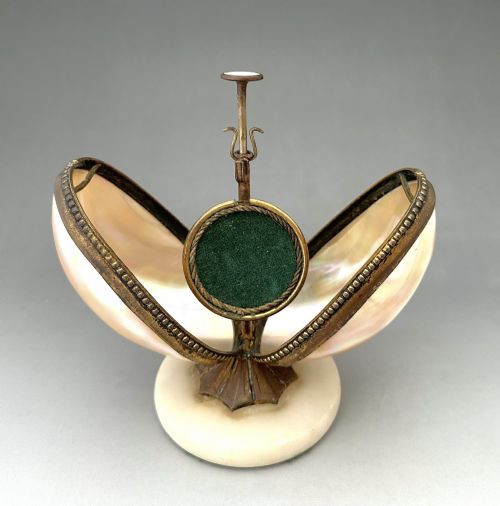


Antique Needle Case
An antique needle case is a small personal container designed to hold sewing needles, combining everyday utility with exquisite craftsmanship.
What an antique needle case is
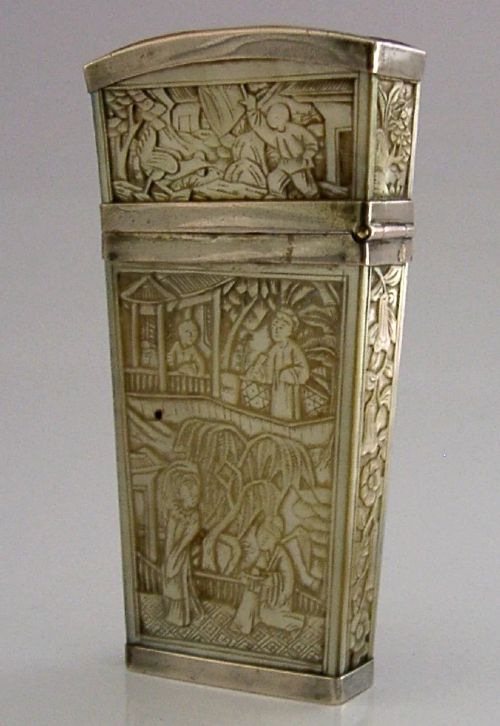
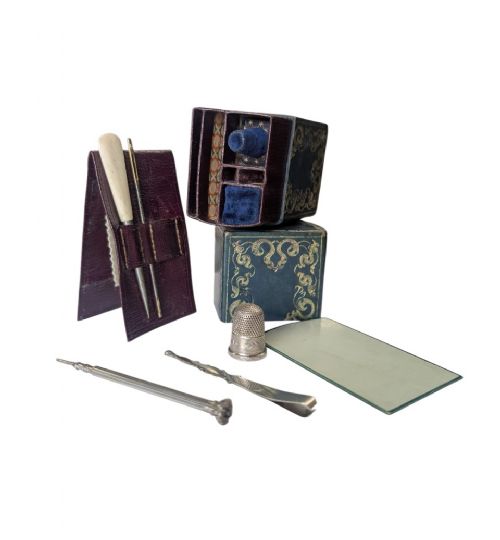
An antique needle case provides a specialised home for precious sewing needles, taking forms from cylindrical etuis to carved wooden novelties. The examples found here span the Victorian era, the nineteenth century, and around eighteen hundred, reflecting both domestic sewing habits and personal taste.
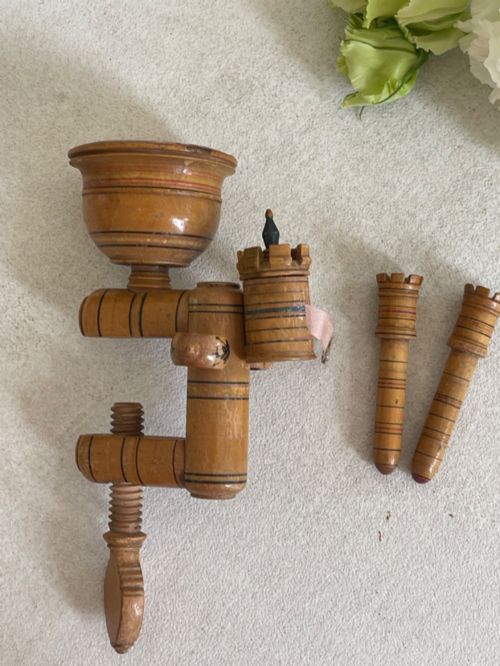
The objects listed range from silver gilt boxes and mother of pearl holders to turned treen, coquilla nut, and Chinese export silver. Buyers meet varied styles including Tunbridge ware, French solid silver with guilloche design, and novelty shapes such as animals and cottages.
How they were made
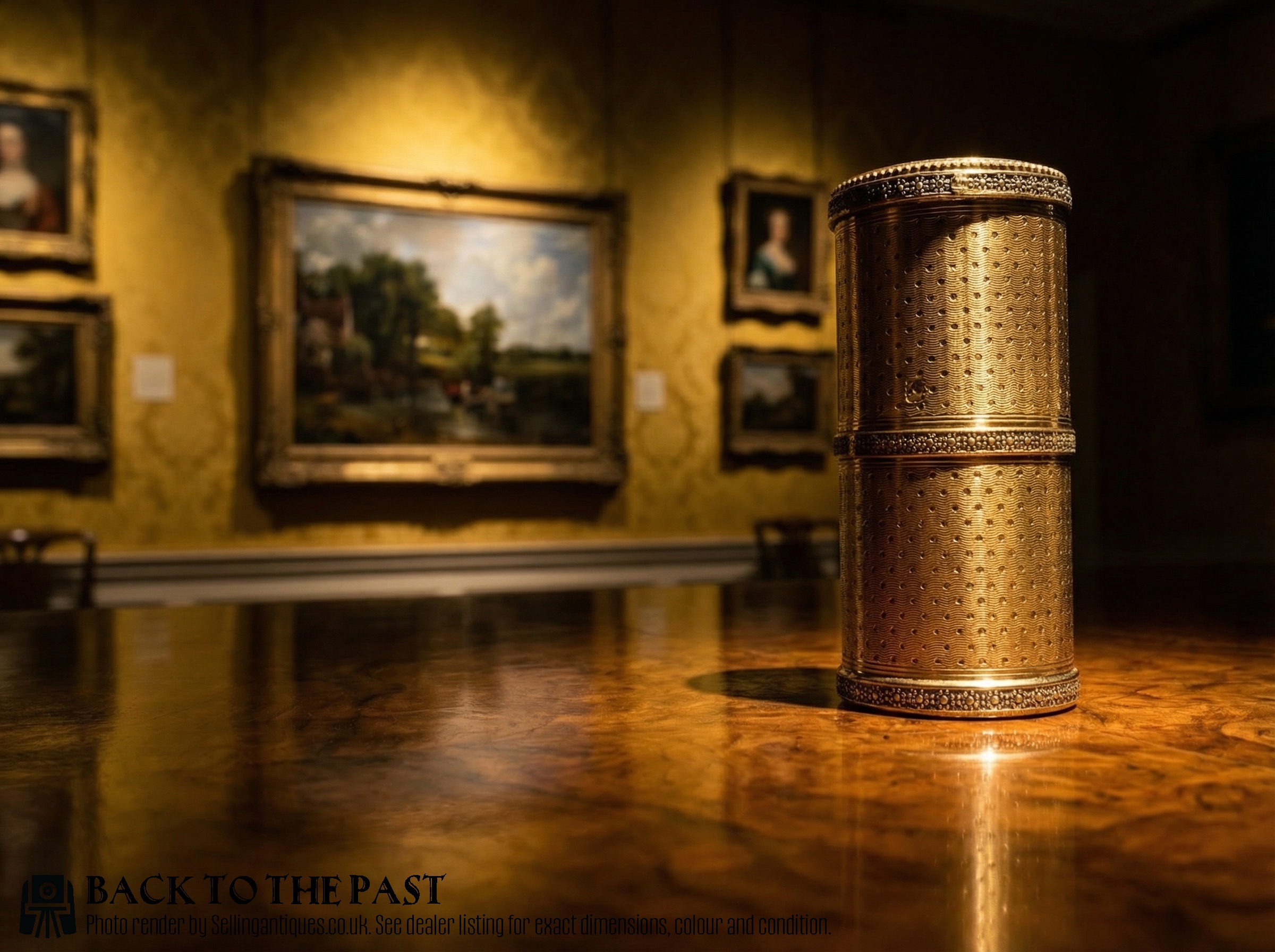
Maker's workshops utilised precious and natural materials, shaping solid silver, silver gilt, and 18kt yellow gold alongside mother of pearl, ivory, and metal. Artisans employed engine turned guilloche engraving on metal surfaces to create geometric patterns.
Woodworkers turned Tunbridge ware, coquilla nut, and rosewood into detailed companions and novelty forms, while other pieces combined silver with velvet linings or incorporated fish scale patterns and enamel details.
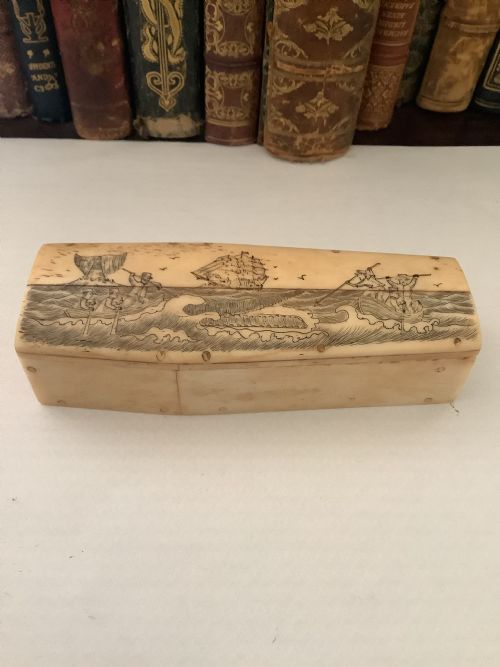
Listings feature periods from the Georgian era through the Victorian nineteenth century, using materials including solid silver, bone, mother of pearl, and rosewood.
What varies in quality
The distinction between tiers rests upon the complexity of the material handling, such as the precision of carved detail on treen and coquilla nut items versus plain turned surfaces. Intricate figural novelties, detailed Chinese export work, and fine engine turning on solid silver distinguish more ambitious examples.
Material choice and maker signatures also define the hierarchy, with solid silver gilt, gold, and signed English or French pieces standing apart from unmarked metalware or simpler bone and wooden holders.
Taylor and Perry·Reuben Avis
The Antique Needle Case Glossary
- Etui
- A small ornamental case for holding needles, tweezers, or other personal small items. These containers often feature fitted interiors and hinged lids.
- Treen
- Small handmade wooden objects created by turning on a lathe or carving. This category includes nineteenth century novelties and sewing companions.
- Tunbridge Ware
- Woodworking characterised by tiny mosaic tiles formed from naturally coloured woods to create pictorial designs. Such decoration frequently adorns Victorian boxes and needle holders.
- Guilloche
- An ornamental pattern produced by a mechanical lathe that engraves precise, intricate geometric designs into metal. This technique appears on nineteenth century silver and silver gilt cases.
- Coquilla Nut
- The hard, brown seed of a South American palm tree utilised for intricate Victorian carvings. Its dense texture allowed artisans to shape detailed novelty needle cases.
Frequently Asked Questions
What is an antique needle case?
An antique needle case is a small portable container made to protect sewing needles when stored or carried. They range from simple wooden treen cylinders to elaborate silver and mother of pearl etuis.
Craftsmen created these pieces to suit the sewing habits of past centuries, often incorporating them into larger sewing companions or pocket accessories.
How were antique needle cases used?
These items were utilised by sewists to organise and safeguard fragile needles from rust and bending during storage or travel. Many designs allowed a person to slide or flip open the holder for quick access during needlework.
Finer examples served as personal accessories carried in pockets, hung from chatelaines, or displayed on sewing tables in nineteenth century parlours.
How do I date an antique needle case?
Dating relies on examining the materials, manufacturing techniques, hallmarks, and stylistic markers associated with specific periods such as the Georgian era or the reign of Queen Victoria. Silver components frequently feature assay marks and maker stamps that narrow down the year of production.
Material trends also offer clues, as certain woods like coquilla nut and specific decorative methods like engine turning gained popularity during distinct decades of the nineteenth century.
Are antique needle cases collectible?
Collectors actively seek these sewing accessories due to their compact size, variety of materials, and the high level of miniature craftsmanship involved in their creation. Novelty shapes and signed pieces attract particular interest.
Displaying a collection allows enthusiasts to appreciate diverse historic techniques, from Chinese export silver work to English Tunbridge mosaic wood.