


19th Century Etui
These 19th century etui pieces are exquisite small containers designed to hold sewing tools and personal necessaries.
19th Century Etui
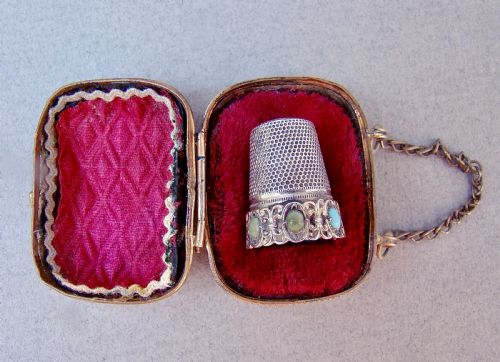
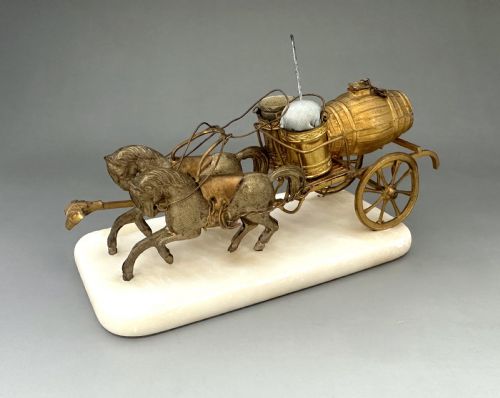
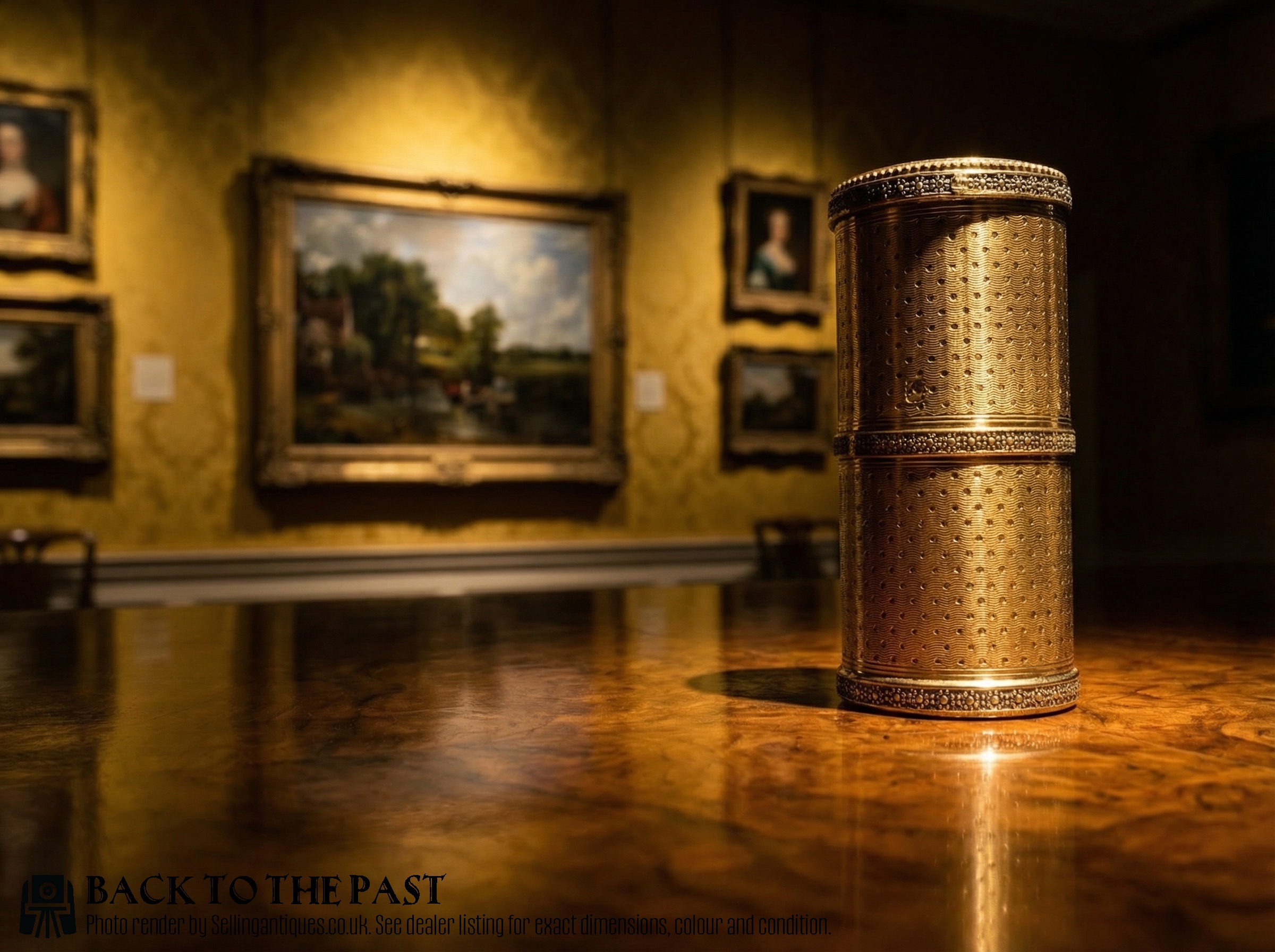
When you search for a 19th century etui, you are looking at small, portable containers and compact sewing companions designed to hold needles, thimbles, and other delicate implements. These pieces range from cylindrical silver gilt boxes to elaborate French Palais Royal horse-drawn companions and fitted necessaires.
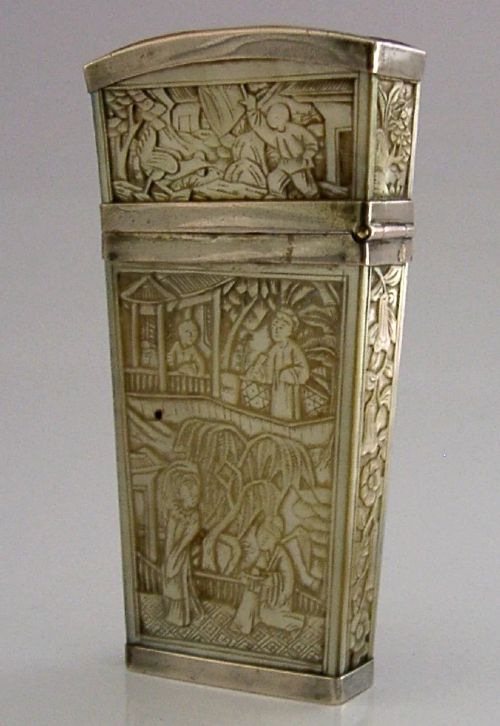
The versions you are most likely to meet on this page hail from the Victorian era and nineteenth-century France, alongside Chinese export silver cases and Dutch pieces. They frequently manifest as sewing boxes, chatelaine cases, and egg-shaped necessaires.
Makers fashioned these items to be both functional and decorative, often housing complete sets of sewing tools inside velvet or silk-lined interiors. Materials like mother-of-pearl, tortoiseshell, and walnut frequently form the outer shells of these compact containers.
Materials and construction
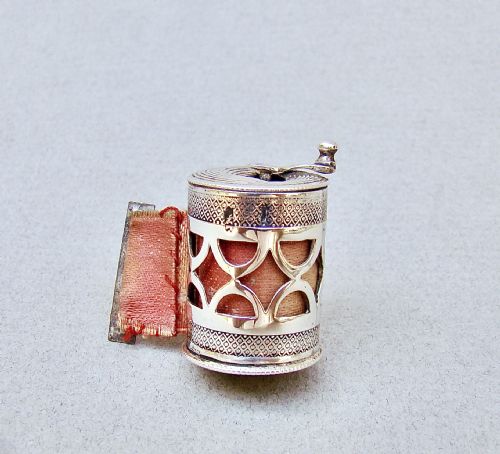
Silversmiths utilised solid silver and silver gilt to construct durable bodies, frequently applying engine-turned guilloche designs to the metal surfaces. Ormolu mounts and gold leaf accents added decorative contrast to stone-set thimble cases and cylindrical containers.
Cabinetmakers worked with exotic timbers such as walnut and rosewood, incorporating fine wood inlay into larger sewing boxes. Delicate organic materials like mother-of-pearl, bone, and tortoiseshell were shaped and polished to form smooth exterior panels.
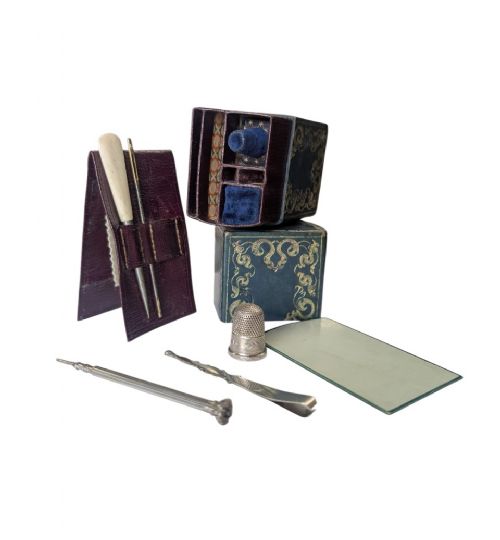
Interiors relied on plush velvet and silk textiles to securely cradle delicate sewing tools, scissors, and tape measures. Leatherette and leather covered stiff cardboard or wooden carcasses on utilitarian travel versions.
One recorded sewing companion takes the delightful form of a horse-drawn carriage, proving that nineteenth-century needlework enthusiasts appreciated a touch of theatre.
Assessing quality
The distinction between standard examples and the finest work lies in the precision of the metalworking and the complexity of the internal fittings. Solid silver gilt with sharp, crisp engine-turned guilloche patterns represents superior execution compared to simpler pressed metal designs.
Finer pieces feature complete, original sets of matched sewing tools nestled inside tailored silk and velvet compartments rather than empty hulls or mismatched replacements. The inclusion of decorative hardstones, fine ormolu mounts, and intricate wood inlay elevates a piece within its category.
The 19th Century Etui Glossary
- Etui
- A small ornamental case used for holding needles, cosmetics, or other small articles. These portable containers often double as comprehensive sewing companions.
- Chatelaine
- A decorative belt hook or clasp worn from the waist with a series of suspended chains. Etui cases and thimble holders frequently hung from these functional accessories.
- Guilloche
- An ornamental pattern produced by a mechanical engine that etches precise, intricate geometric designs into metal. This technique appears frequently on nineteenth-century silver gilt boxes.
- Necessaire
- A small fitted case or box containing various toilet articles or sewing implements. These portable sets were popular travel items for the wealthy.
- Ormolu
- Gilded bronze or brass applied as mounts on decorative boxes and furniture. Makers utilised this gilded metal to accent stone-set cases and sewing companions.
19th Century Etui: Frequently Asked Questions
What tools belong inside an etui?
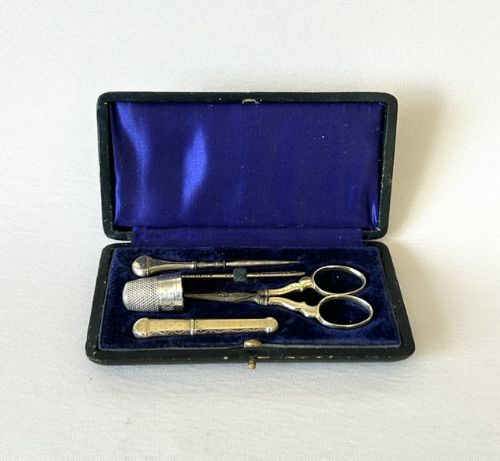
These compact cases typically housed specialised implements for needlework and personal grooming. Standard fittings included miniature scissors, bodkins, tweezers, and thimbles.
More elaborate companions also accommodated winding tape measures, small folding knives, and ivory writing tablets. Each tool slotted precisely into a tailored velvet or silk recess.
How do I date a 19th century etui?
Dating relies on examining the material construction, hallmarks, and decorative style of the piece. Nineteenth-century French items often display specific silversmith marks or export stamps.
Stylistic shifts also provide clues, moving from Georgian Chinese export silver toward ornate Victorian tortoiseshell and Palais Royal novelty designs. Comparing the internal lining techniques helps narrow the decade.
Were these pieces meant for travel?
Many examples were specifically engineered for portability, allowing owners to maintain their needlework while away from home. Leather-covered cases and pocket-sized cylinders offered protection during transit.
Larger wooden sewing boxes remained stationary on dressing tables, whereas chatelaine cases attached directly to the wearer's belt for daily carriage.
What is Palais Royal work?
Palais Royal refers to luxury goods retailed near the famous Parisian landmark during the nineteenth century. These pieces often took whimsical or architectural forms, such as horse-drawn carriages or eggs.
They showcased exceptional craftsmanship, utilising mother-of-pearl, ormolu, and fine gilt metals. Collectors prize these novelty shapes for their ingenuity and delicate detail.