



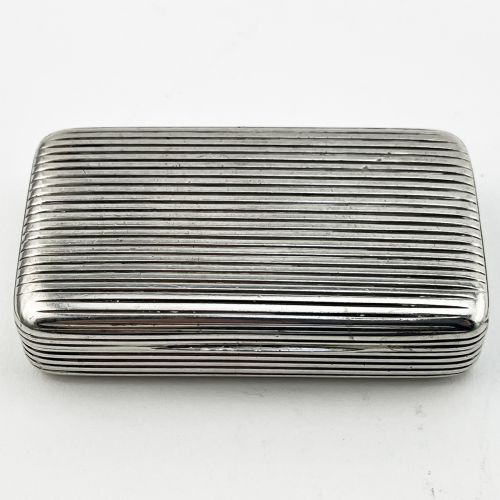


Georgian Silver Case
A georgian silver case protects and houses precious personal items, ranging from delicate pocket watches to fitted sets of cutlery.
Georgian Silver Case
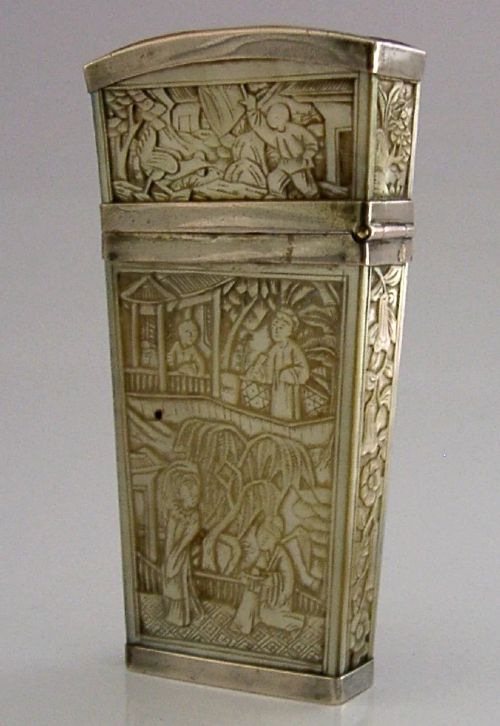
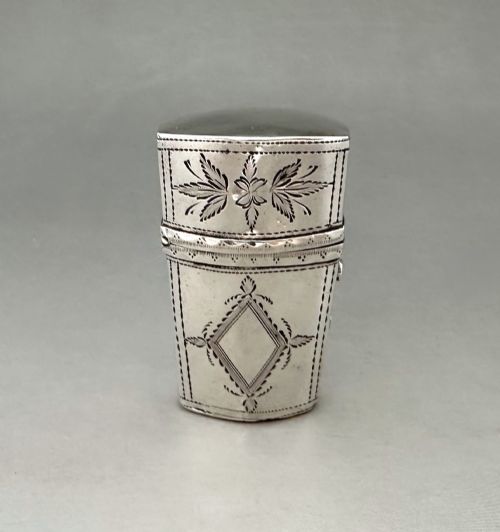
A georgian silver case encompasses protective outer vessels and fitted presentation boxes made during the 18th and 19th centuries. Buyers searching this phrase encounter protective housings for pocket watches, medical instruments, sewing tools, spectacles, and cutlery.
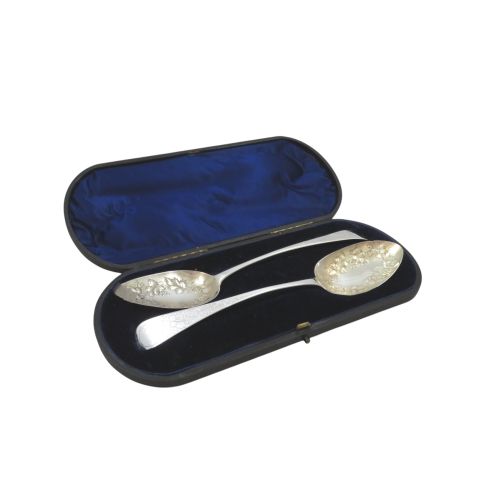
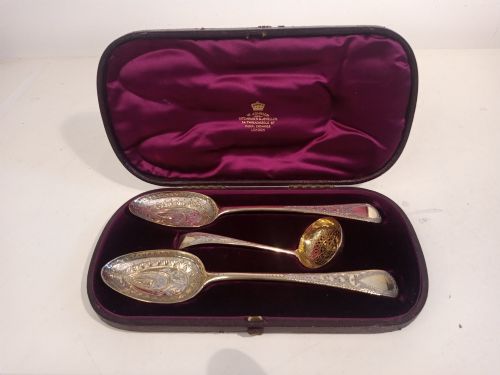
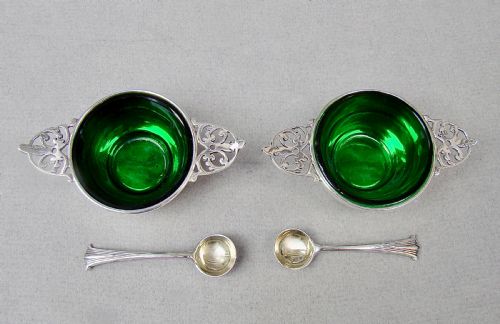
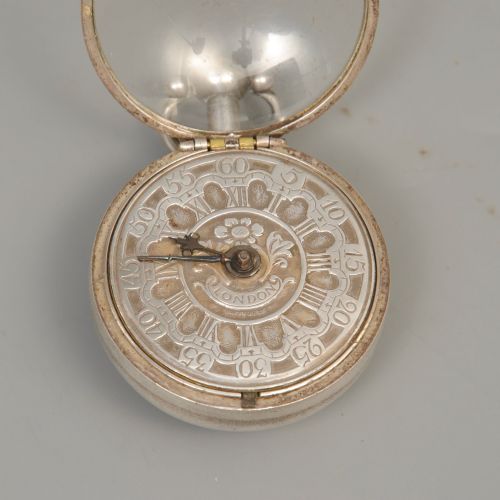
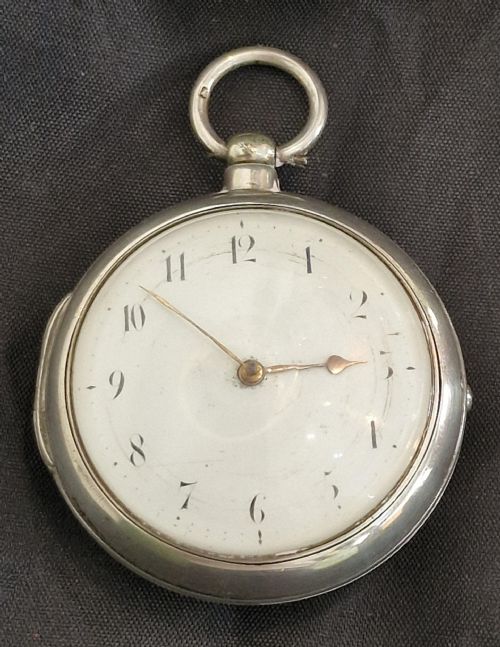
The objects span specialised forms such as pair cased watches, shagreen-covered needle cases, card cases, and fitted boxes for silver-gilt berry spoons. Many surviving examples preserve their original internal velvet, silk, or leather linings.
Materials and Construction
Makers formed the primary body of a georgian silver case from sterling silver, often utilising repoussé, chased, or engine-turned decoration to texture the exterior. Internal structures frequently relied on wood or stout card lined with velvet, silk, or moroccan leather.
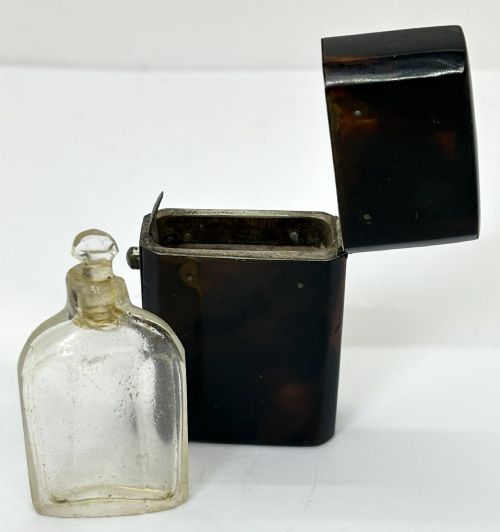
Specialist housings incorporated organic materials like tortoiseshell, mother of pearl, and shagreen over a rigid core, secured with silver mounts, hinges, and clasps. Glass also appeared in scent bottle holders and glazed clock bezels.
Metalsmiths employed hand-hammering, piercing, and silver-gilding techniques, frequently marking their creations with maker's marks and town hallmarks to record origin and standard.
Listings feature silver cases spanning the 18th, 19th, and early 20th centuries, utilising sterling silver, tortoiseshell, shagreen, glass, and velvet.
Assessing Quality and Execution
Quality rests upon the crispness of the hand-carved or engine-turned exterior ornament and the structural integrity of the hinges and closures. Superior examples maintain exact alignment when shut and retain their original fitted interior linings.
The reputation of the maker, such as Nathaniel Mills or Samuel Pemberton, elevates a piece through refined detailing and specialised craftsmanship like cast silver mounts or delicate filigree work. Complete sets retaining matching internal contents alongside the original case command greater interest than mismatched assemblies.
Josiah Williams and Co·Nathaniel Mills·Marson and Jones·Taylor and Perry·Edward Edwards·P A W Bateman·William Allam·James Tregent·Matthew Linwood·John Locker·Joseph Willmore·Samuel Pemberton·Thomas King
The Georgian Silver Case Glossary
- Pair cased
- A pocket watch design featuring an inner movement case and a removable outer protective silver shell. This construction shielded delicate movements from dust and damage.
- Shagreen
- Undyed shark or ray skin with a distinctive granular texture, frequently used to cover protective cases for instruments and spectacles. It provided a durable and tactile exterior.
- Etui
- A small decorative box or case fitted to hold miniature tools such as tweezers, scissors, and bodkins. These portable kits addressed personal grooming and sewing needs.
- Vinaigrette
- A small ornamental box containing a perforated grille, inside which a sponge soaked in aromatic vinegar rested. They offered relief from unpleasant odours in crowded public spaces.
- Engine turned
- A geometric pattern mechanically engraved into the silver surface using a rose engine lathe. This technique created precise, repeating textures across snuff and card cases.
Georgian Silver Case: Frequently Asked Questions
What fits inside a georgian silver case?
These housings accommodate pocket watches, medical instruments like bloodletting fleams, sewing needles, spectacles, and flatware such as berry spoons.
Many were custom-made to secure specific personal possessions during travel or storage.
How do I identify the date of a case?
Makers relied on hallmarks stamped directly into the silver, which record the assay office, date letter, and standard of the metal.
Stylistic cues such as bright-cut engraving or engine-turning further help narrow down the period of manufacture.
Were these cases meant for travel?
Many examples served a portable function, protecting fragile items like pocket watches, spectacles, and folding fruit knives on the move.
Sturdy outer shells of shagreen or silver absorbed impacts while soft internal linings cushioned the contents.
How should I clean a silver case?
Dust surfaces gently with a soft cloth and avoid aggressive polishing that might wear down fine engravings or hallmarks.
Preserve original interior fabrics by keeping them dry and away from direct sunlight.