

Antique Pocket Case
When you look for an antique pocket case, you enter a diverse world of personal metalwork, precision instruments and gentlemanly accessories.
Antique Pocket Case
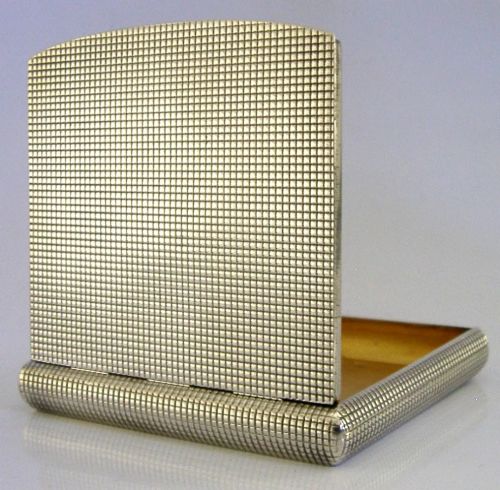
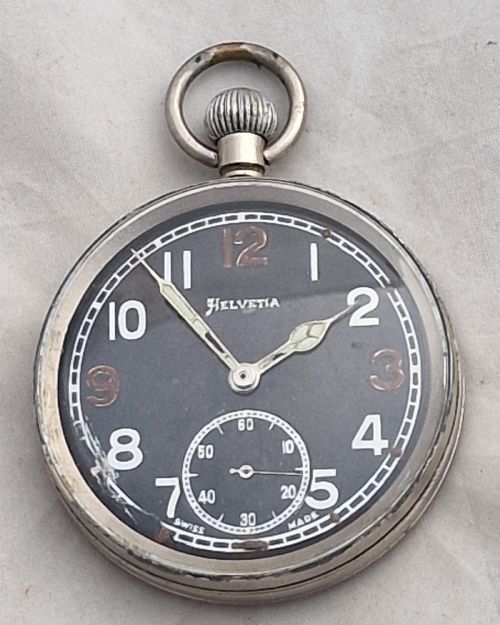
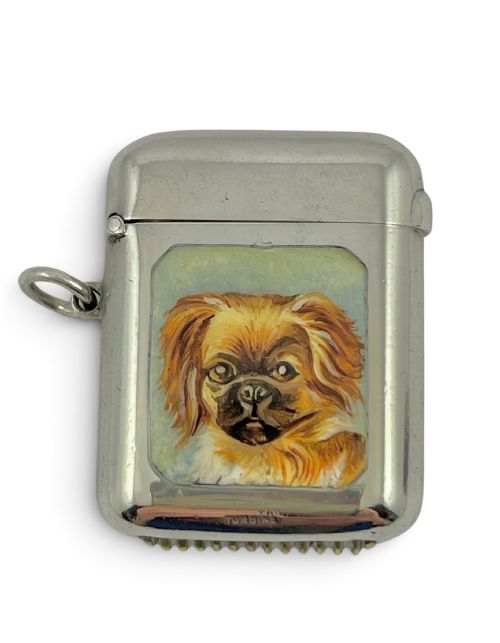
An antique pocket case encompasses a wide variety of personal items designed to be carried on the person or tucked into waistcoats, from silver vesta cases and card cases to scientific instruments and timepieces. Buyers searching for an antique pocket case frequently encounter Victorian and Edwardian examples fashioned from sterling silver, leather, glass and brass.
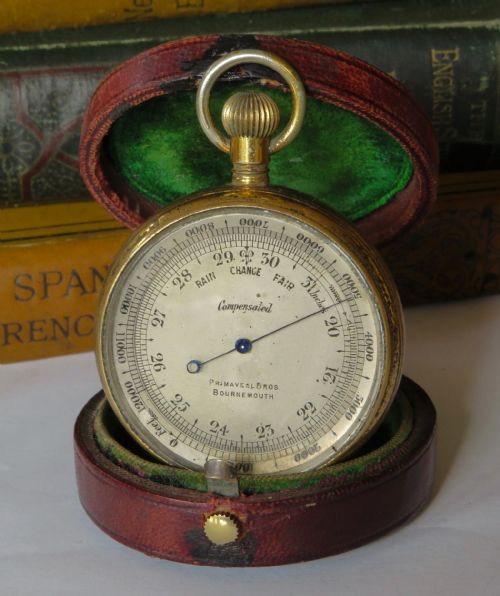
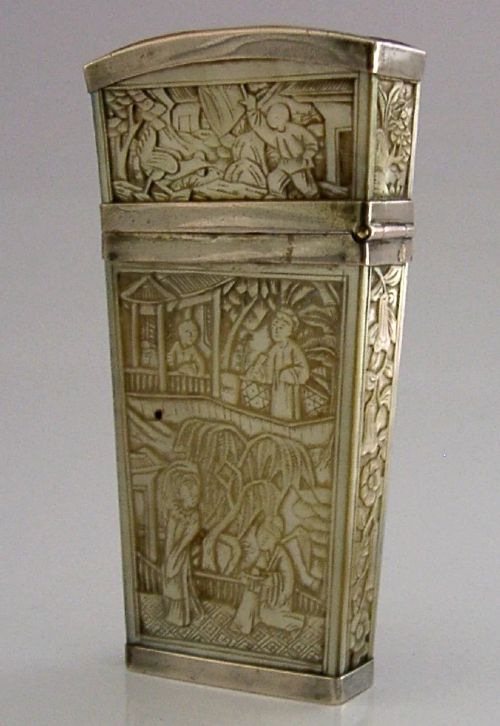
The selection ranges from utilitarian military compasses and pocket barometers to highly decorative cigarette cases, sovereign holders and novelty coin containers. Many pieces hail from British assay offices, while others reflect continental craftsmanship or Chinese export silver production.
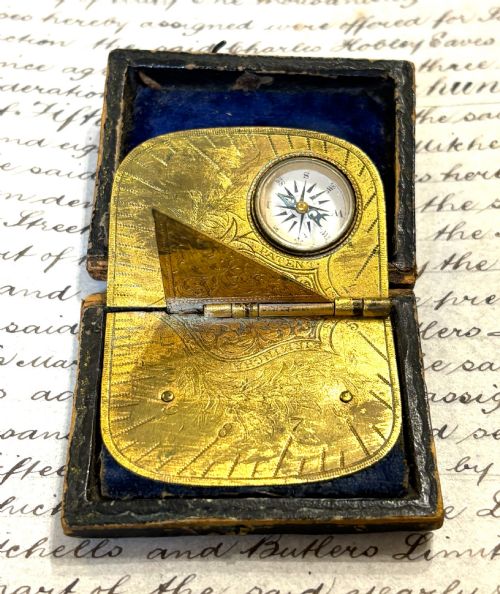
Domestic and travel accessories dominate the offerings, including folding sundials, field microscopes, visiting card holders and writing aids such as aide memoires. These pocket objects capture the personal habits, hobbies and daily requirements of past centuries.
How they were made
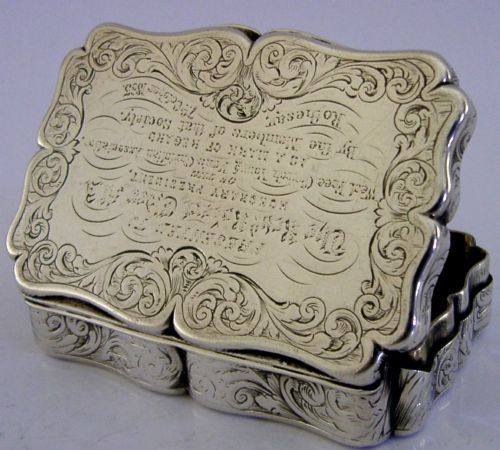
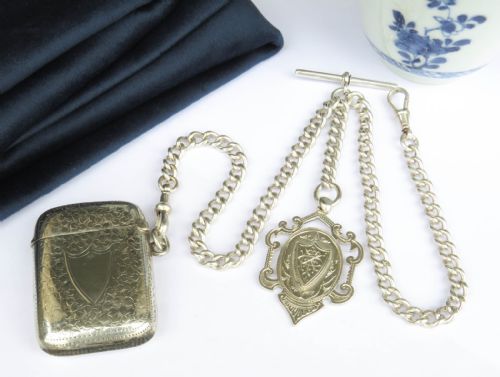
Silversmiths utilised sterling silver sheet, hammering, embossing and hand-engraving surfaces with floral motifs, castle scenes or geometric patterns. Cases often incorporated hinged lids, spring-loaded clasps and internal velvet or silk linings to protect delicate contents.
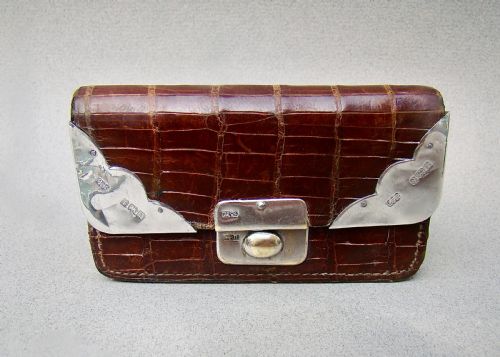
Makers combined base metals, brass and gunmetal for scientific instruments like barometers, theodolites and prismatic compasses, ensuring durable housings for glass lenses and floating cards. Leatherwork specialists wrapped wooden or card bodies in crocodile skin and morocco leather, stitching seams by hand and adding metal mounts.
Enamel work and niello decoration added contrasting colour and pattern to watch cases and cigarette holders, requiring skilled firing and metal inlay techniques. Mechanical components inside sovereign cases and vesta boxes relied on precise spring tension and snug box joints to secure small valuables.
Carry a tiny brass folding sundial or a kidney bean vesta case to remind modern colleagues that pocket time used to require sunlight and striking matches.
What varies in quality
The degree of hand-finishing and the crispness of repoussé or engraved detail distinguish standard production pieces from masterwork items. Crisp architectural rendering on castle-top card cases or deeply hand-chased foliate designs indicate superior workshop execution.
The integrity of mechanical actions, such as the snap of a vesta lid, the smooth rotation of a compass bezel or the tight closure of a sovereign case, reflects the original build standard. Premium examples retain their original gilding, clear hallmarks and undamaged interior linings.
Material selection also defines the tier of a piece, separating simple brass housings from heavy gauge sterling silver bodies fitted with specialised compartments for wax, stamps or pencils.
Charles Penny Brown·Aaron Lufkin Dennison·Sampson Mordan And Co·Nathaniel Mills
The Antique Pocket Case Glossary
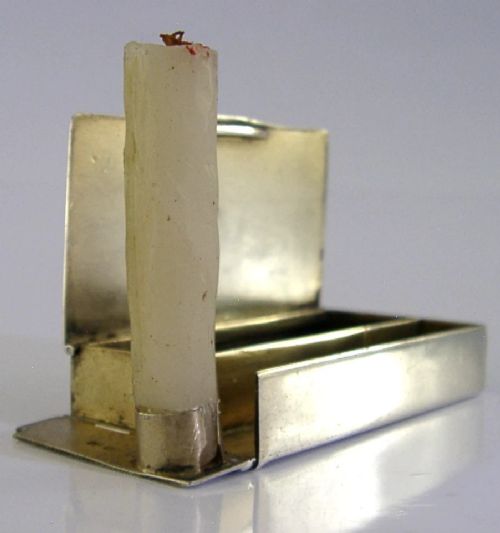
- Vesta case
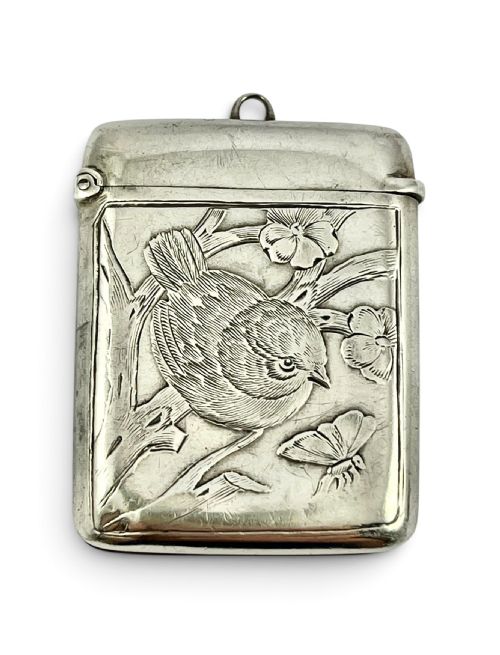
- A small pocket container designed to hold wax matches and keep them dry. These boxes typically feature a textured striking surface on the base.
- Sovereign case
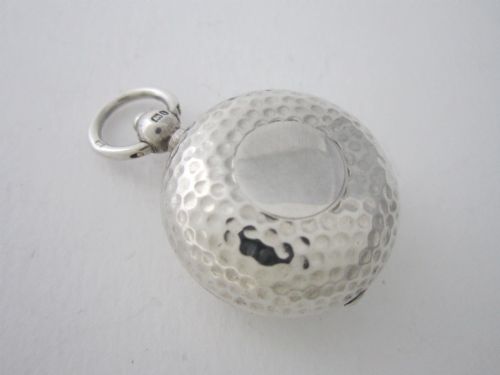
- A circular metal pocket holder made to store gold sovereign and half-sovereign coins securely. They often include internal spring clips to prevent the coins from rattling.
- Niello
- A black metallic alloy used as an inlay on engraved metal, particularly silver. This technique produces contrasting dark designs against a bright silver background.
- Etui
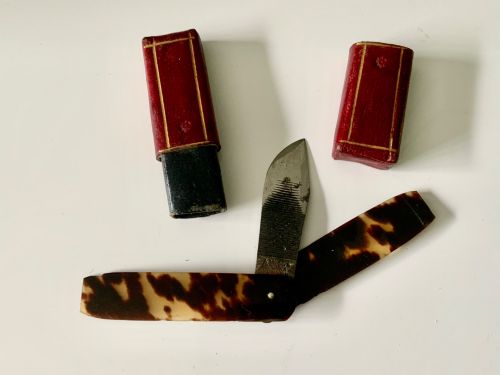
- A small ornamental case used for holding needles, scissors or other small implements. They appear in various materials including silver and tortoiseshell.
- Verner's pattern
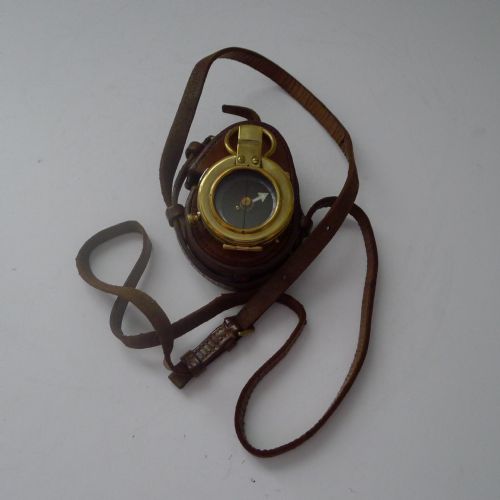
- A standard military prismatic compass design utilised by British officers during the First World War. These rugged instruments aided field navigation.
Antique Pocket Case: Frequently Asked Questions
What is a vesta case used for?
A vesta case holds short wax matches safely in the pocket before the widespread availability of safety matches. Smokers and travellers relied on them to keep matches dry and prevent accidental ignition.
Many feature an integrated striker on the bottom edge for convenience. They evolved into highly decorative pocket accessories by the late nineteenth century.
How do I identify a silver hallmark?
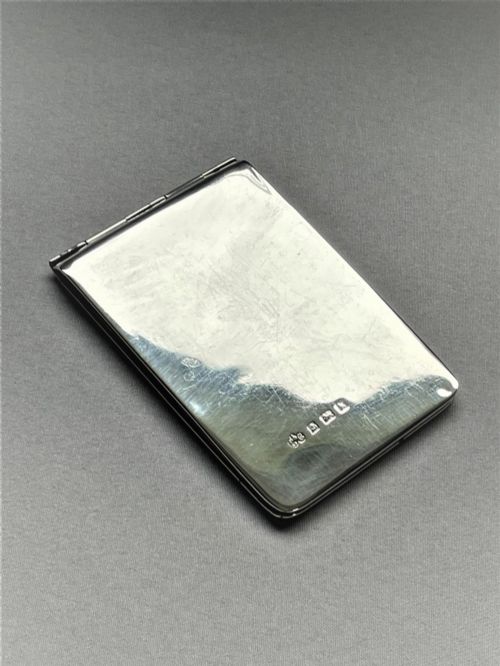
British silver hallmarks typically consist of a maker's mark, a standard mark indicating silver purity, a town assay office mark and a date letter. These tiny stamped symbols allow collectors to date a piece to a specific year and city.
Foreign items often carry alternative assay stamps or purity numerals instead of standard British lion passant marks.
What are castle top card cases?
Castle top card cases feature high-relief engraved depictions of famous buildings, stately homes or historic monuments on their covers. Nathaniel Mills produced some of the most celebrated examples of this mid-nineteenth century style.
Collectors prize these items for their intricate topographical detail and substantial silver weight.
How were pocket compasses used in the field?
Officers, explorers and surveyors used pocket compasses for land navigation, mapping and geological work. Many incorporated floating cards and brass or gunmetal protective cases for field durability.
Specialised military patterns ensured accurate readings under difficult active service conditions.