




Antique Tunbridge Ware
Antique tunbridge ware pieces are intricate items of wooden mosaic work designed for the Victorian desk and dressing table.
What these pieces are
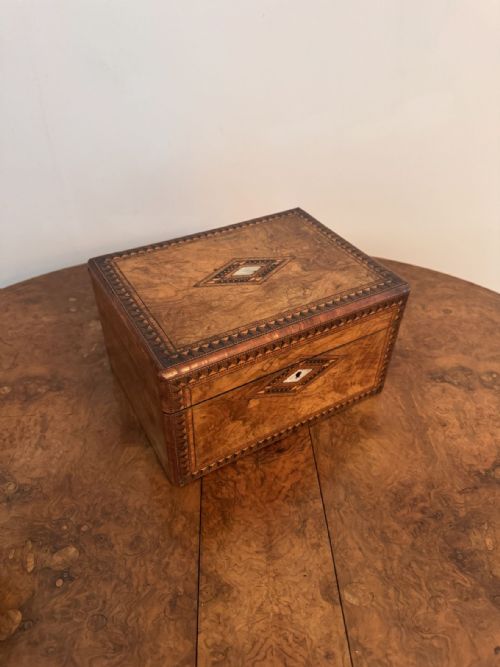
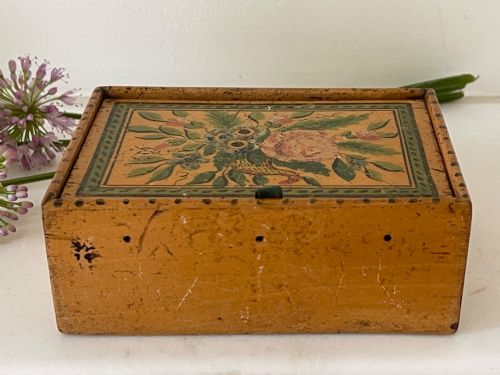
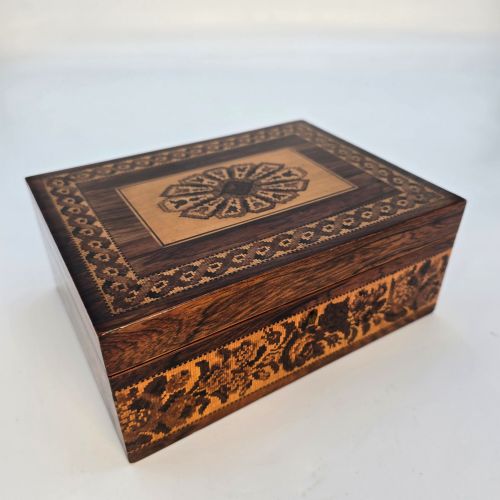
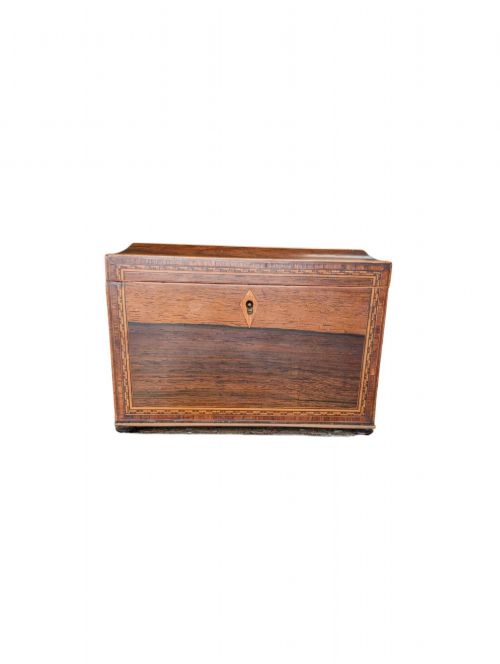
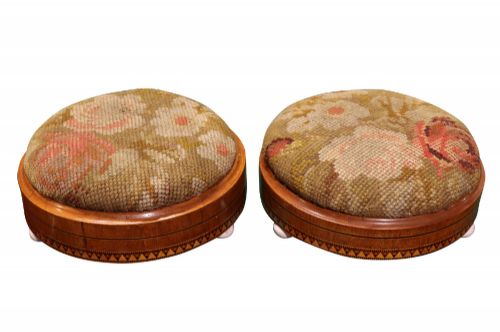
When buyers search for antique tunbridge ware, they are looking for small wooden containers and desk accessories decorated with tiny mosaic tile patterns. The most common forms on this page are decorative boxes, stamp boxes, sewing accessories, and games boxes dating from the nineteenth century.
These items range from small needle cases and pin poppets to larger tea caddies, writing slopes, and book slides. Most examples belong to the Victorian period, utilising native hardwoods and rosewood bases to display complex geometric and pictorial designs.
How they were made
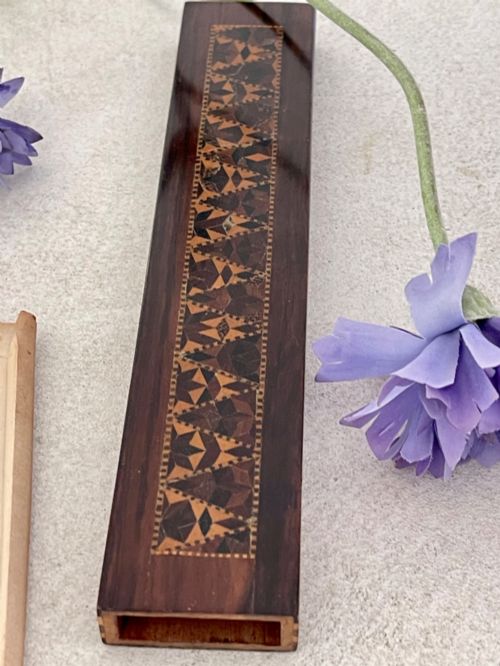
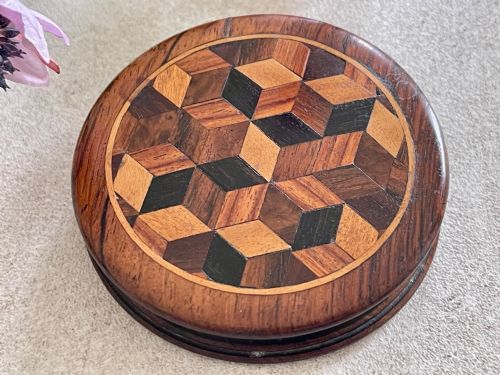
Craftsmen made these objects using mixed woods, holly, sycamore, walnut, and rosewood arranged in mosaic and parquetry patterns. Tiny coloured wooden rods were glued together in bundles and sliced across to produce hundreds of identical pictorial or geometric tile units.
These mosaic strips and native hardwood veneer inlays were applied to solid wood carcasses such as boxes, baskets, and writing slopes. Workers then smoothed and polished the surfaces to highlight the natural contrasting tones of the diverse timbers.
Retail Price Guide 2026
Typical UK retail prices for tunbridge ware, calculated from the Sellingantiques database of over a million retail prices indexed since 2003. This retail price guide relies exclusively on Sellingantiques data; no external sources or auction records are used, so the figures do not describe the wider market.
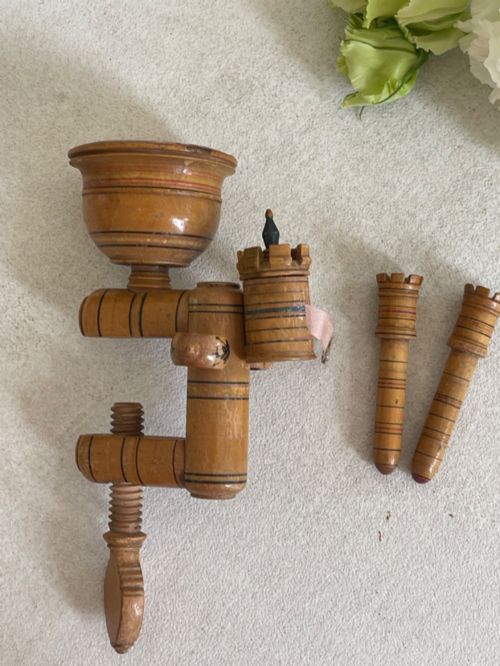
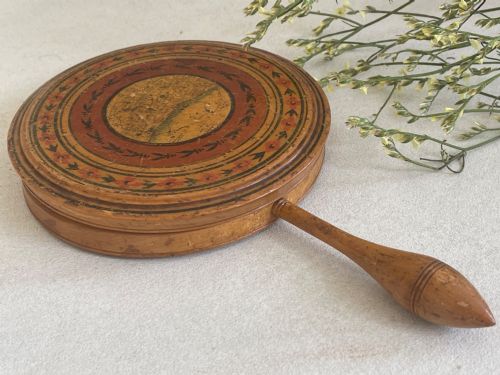
Some Tunbridge ware nutmeg graters survived alongside handwritten instructions for the Victorian kitchen.
What varies in quality
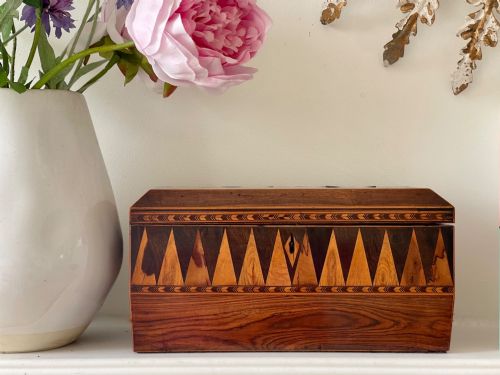
The distinction between standard pieces and the finest work lies in the density and complexity of the mosaic imagery. Simpler geometric parquetry sits at one end, while elaborate tessellated designs or pictorial panels represent a much higher standard of dexterity.
Condition and completeness also separate pieces, particularly when interior fittings, original glass bottles, or manufacturer labels remain intact. The crispness of the wood slices and the precision of the alignment determine the visual impact of each item.
Wise Manufactory·B Austen
The Antique Tunbridge Ware Glossary
- Parquetry
- Geometric mosaic woodwork formed by arranging small wood blocks into repeating patterns. This technique creates the chequered and banded borders seen on many boxes.
- Treen
- Small handmade wooden household objects and utilitarian items. Tunbridge ware pieces often overlap with this category when taking the form of nutmeg graters and pin poppets.
- Caddy
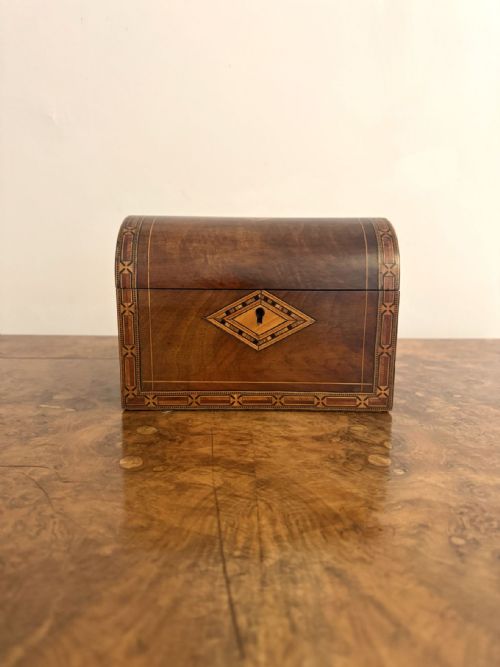
- A small container originally designed for storing tea leaves. Victorian examples in this category feature inlaid mosaic panels across the lid and sides.
- Pin Poppet
- A small cylindrical container used for holding pins and needles. These turned wooden treen pieces frequently incorporate mosaic banding.
- Writing Slope
- A portable desk with a hinged sloping lid for correspondence. Tunbridge ware versions display geometric marquetry and occasionally retain original ink bottles.
Frequently Asked Questions
What is tunbridge ware?
Tunbridge ware is a distinct form of nineteenth-century English woodworking characterised by mosaic tile designs made from multiple coloured woods. These tiny wooden tesserae form geometric or pictorial surface decorations on boxes and treen.
Craftsmen in Kent produced these decorative items using native hardwoods alongside exotic timbers like rosewood and walnut. The resulting objects served ornamental and practical purposes in Victorian households.
How were these boxes used?
Victorian owners used these objects for holding stamps, playing cards, sewing equipment, and correspondence on desks and parlour tables. Many items were specifically fitted with compartments for needles, pins, or writing implements.
Smaller pieces functioned as personal accessories or pocket items, including nutmeg graters, pill boxes, and needle cases. Larger examples stayed in domestic rooms to organise stationery or tea.
How do I date these pieces?
Most surviving examples date from the Victorian era, specifically the middle and late nineteenth century. Clues to the date appear in the timber choices, construction methods, and overall object forms.
Writing slopes, tea caddies, and stamp boxes often align with mid-century Victorian design trends. Labels from makers found inside certain boxes also help pinpoint the production period.
How do I care for tunbridge ware?
These wooden objects require stable indoor humidity away from direct sunlight and heat sources to protect the delicate mosaic veneers. Gentle dusting with a dry cloth preserves the polished surface.
Avoid using liquid cleaners, waxes, or polishes that could seep between the tiny glued mosaic tiles. Proper placement ensures the mixed wood inlays remain securely attached to the hardwood base.