



Victorian Sewing Accessories
Victorian sewing accessories are nineteenth-century tools and holders that collectors prize for their intricate craftsmanship and domestic history.
What victorian sewing accessories are
Victorian sewing accessories encompass nineteenth-century implements designed for needlework, spanning practical tools and decorative containers. Buyers searching for victorian sewing accessories encounter items originating from the nineteenth century during the Victorian period.
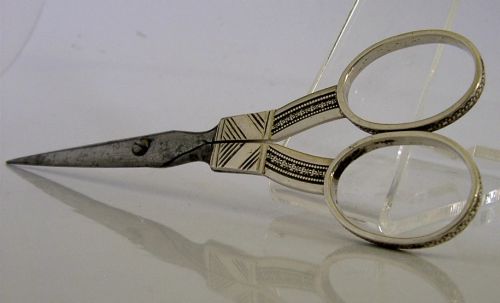
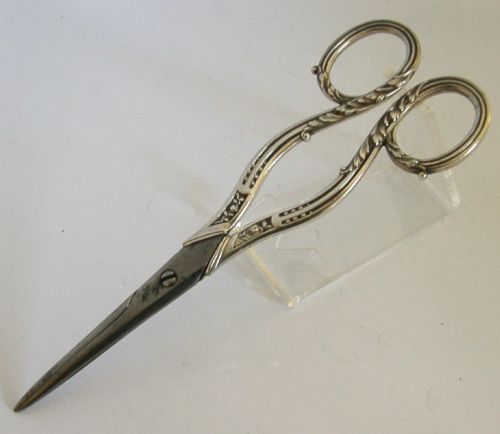
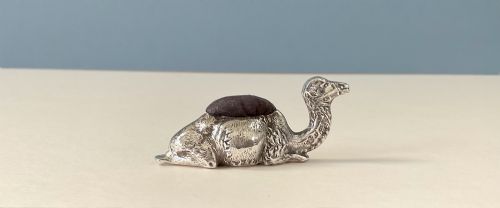
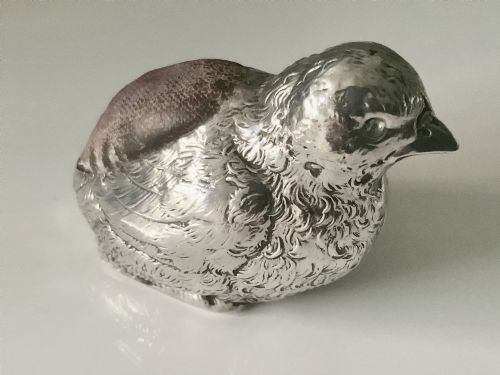
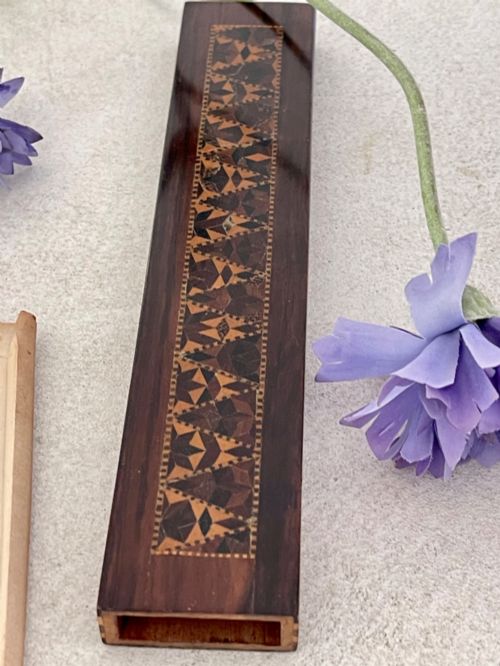
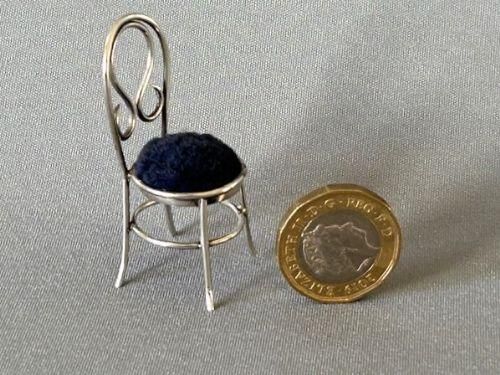
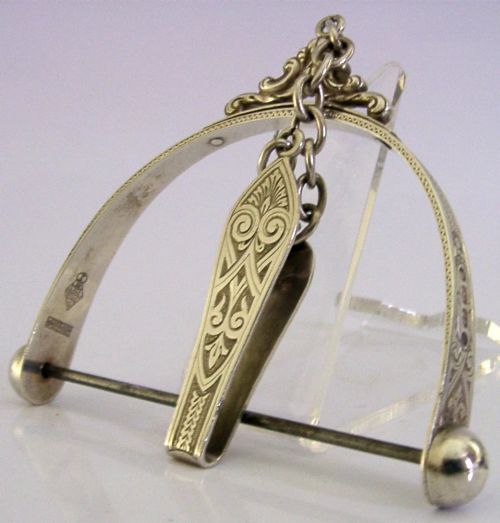
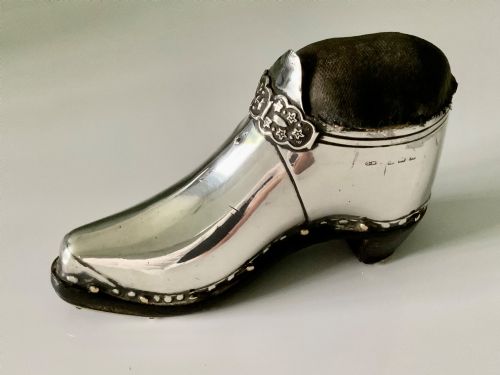
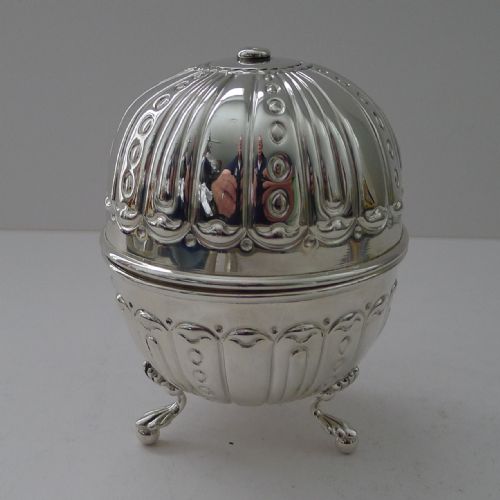
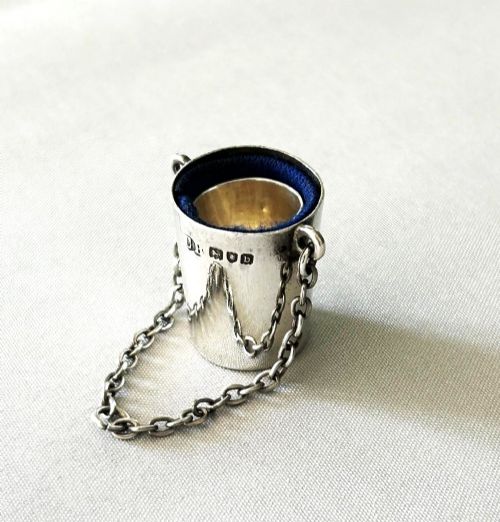
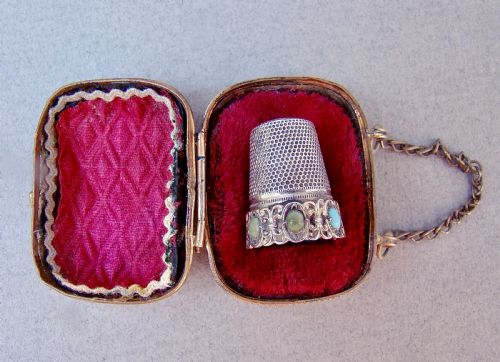
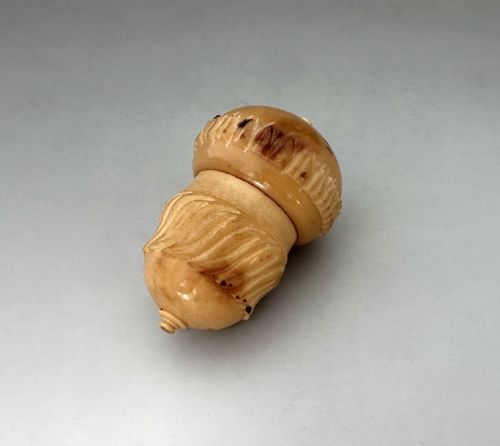
The objects listed on this page include needle cases, silk skein holders, chatelaines, and pin cushions. These pieces reflect the domestic crafts of the era, combining utility with ornamental appeal.
Forms vary from small Tunbridge needle cases and mother of pearl needle cases to larger bronze animal pin cushions and steel chatelaines. Each piece represents a specific facet of nineteenth-century sewing culture.
How they were made
Materials utilised across these pieces include rosewood, mixed wood inlay, mother of pearl, steel, bronze, mixed hardwoods, and velvet. Artisans combined these substances to produce both durable tools and decorative holders.
Techniques range from precision woodworking and Tunbridge ware inlay to cold painting on bronze and metal shaping. These methods demonstrate the diverse manufacturing skills applied to nineteenth-century domestic objects.
An antique cold-painted bronze ibex stands ready to hold pins, proving that even a mountain goat can assist with needlework.
What varies in quality
Quality differences lie in the intricacy of the materials and the refinement of the execution. Finer examples display detailed wood inlay, delicate mother of pearl work, or nuanced cold-painted bronze finishes.
The distinction between standard items and superior pieces rests on the complexity of construction and the preservation of original surfaces. Better examples retain their structural integrity and decorative detailing without excessive wear.
The Victorian Sewing Accessories Glossary
- Tunbridge ware
- A form of nineteenth-century woodwork characterised by mosaic patterns made from tiny pieces of naturally coloured woods. It decorates small items such as needle cases and silk skein holders.
- Chatelaine
- A decorative belt hook worn with suspended chains carrying household and sewing implements. It allowed a maker to keep essential tools close at hand.
- Pin cushion
- A padded receptacle used to store pins safely during sewing work. Examples range from simple fabric pads to elaborate bronze figures.
- Mother of pearl
- The iridescent inner layer of certain mollusc shells, utilised for decorative panels on needle cases. Its lustrous surface reflects light across the object.
Frequently Asked Questions
What are victorian sewing accessories used for?
These nineteenth-century pieces served practical purposes in needlework, holding pins, needles, and silk threads during domestic craft projects.
Today, collectors appreciate them as display items and historical examples of period craftsmanship rather than for active sewing tasks.
What is Tunbridge ware?
Tunbridge ware is a specialised woodworking technique involving mosaic designs created from contrasting natural timbers. It frequently decorates nineteenth-century needle cases and small boxes.
This intricate method produces geometric or pictorial scenes across the surface of the object.
Are these items from the Victorian period?
The pieces listed originate from the nineteenth century and the Victorian era, spanning objects made from diverse materials like mother of pearl, rosewood, and bronze.
Dates and styles align with the manufacturing practices of nineteenth-century workshops.