




19th Century Chatelaine
A 19th century chatelaine is a decorative belt hook with suspended household tools, combining practicality and adornment for the waist.
19th Century Chatelaine
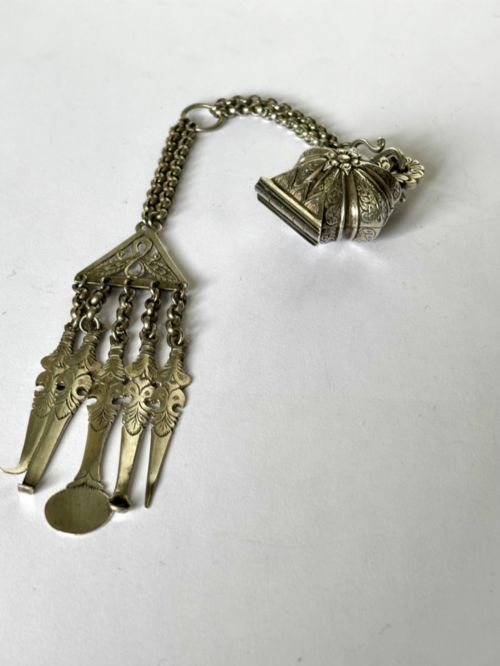
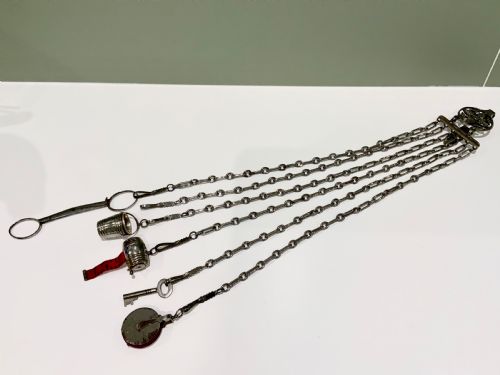
A 19th century chatelaine functions as a decorative waist-clasp designed to suspend useful everyday items from a series of chains. The pieces found on this page span the Victorian and Georgian periods, originating predominantly from English and French makers.
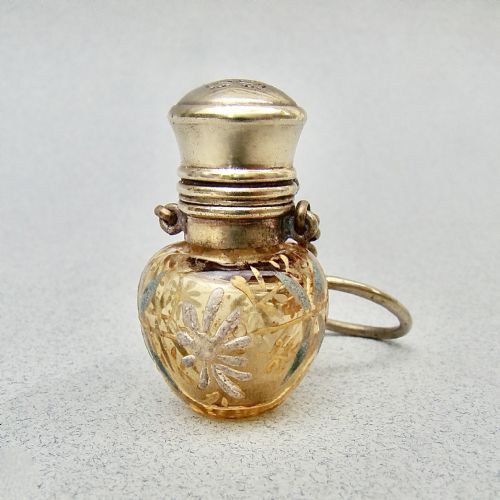
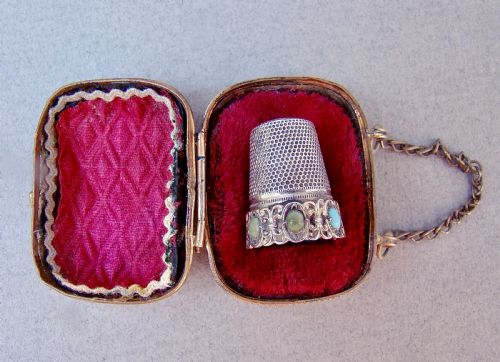
The most common forms encountered here include complete chatelaines alongside individual hanging components such as scent bottles, miniature notebooks, and sewing accessories. These functional objects range from simple steel designs to elaborate French chateau styles embellished with enamel and ormolu.
Collectors seek these pieces for their intricate craftsmanship and the tangible link they provide to domestic life of the 19th century. Whether presented as a full harness or a single suspended scent bottle, each item reflects the distinct aesthetic values of the period.
Materials and construction
Makers utilised a variety of metals for the core framework, including solid silver, white metal, gilded metal, and ormolu. Steel and iron also appear in utilitarian and structural examples.
Decorative elements often incorporate coloured glass, enamel, velvet, and gemstone settings to catch the light at the waist. These materials are combined with hinged mechanisms, screw threads, and delicate chain links that demand considerable metalworking skill.
Materials recorded in these archives span gemstone, velvet, white metal, and enamel, reflecting diverse Victorian and Georgian preferences.
Separating the ordinary from the exceptional
Quality in a 19th century chatelaine rests primarily on the complexity of the metalwork and the integrity of the suspended tools. Superior examples demonstrate crisp chasing, secure stone settings, and harmonious proportions across every hanging accessory.
The choice of materials also dictates the upper tier of the range, where hand-painted enamel, triple overlay glass, or fire-gilded ormolu elevates a standard piece into a work of miniature art. Lesser items rely on simpler stamped components and plain white metal without secondary ornamentation.
S. Morden and Co London
The 19th Century Chatelaine Glossary
- Chatelaine
- A decorative belt hook or clasp worn at the waist with chains suspending utility items. It served both as a status symbol and a practical toolkit for the household manager.
- Ormolu
- A gilded bronze technique popular in French decorative arts. It provides a rich golden surface finish to metal chatelaine mounts and scent bottle frames.
- Vinaigrette
- A small perforated metal container holding a sponge soaked in aromatic vinegar. These were tucked into chatelaine assemblages to counteract unpleasant odours.
- Moser glass
- Coloured or layered decorative glass associated with high-end Bohemian production. It frequently appears in the scent bottles suspended from French chatelaines.
19th Century Chatelaine: Frequently Asked Questions
What is a 19th century chatelaine used for?
A 19th century chatelaine was worn at the waist to carry essential household tools close at hand. Housekeepers and ladies suspended items like keys, scissors, and scent bottles from its chains.
This arrangement allowed the wearer to perform daily tasks efficiently without needing pockets or a handbag. Over time, the practical utility gave way to purely decorative displays of wealth and status.
How do I wear a chatelaine today?
Most antique chatelaines attach to a waistband or belt via a rigid hook or slide mechanism. Modern wearers often secure the hook over a sturdy fabric belt for stability.
Because the metal chains and hanging tools add weight, placing the hook over structured clothing prevents sagging. Alternatively, many collectors display them mounted in shadow boxes rather than wearing them.
How can I tell French chatelaines apart from English ones?
French chatelaines from the 19th century frequently utilise ormolu, coloured glass, and enamelling in opulent chateau styles. They often incorporate novelty scent bottles and highly ornate floral motifs.
English examples tend to favour solid silver or white metal construction with an emphasis on practical sewing tools and vinaigrettes. Maker marks and hallmarks can also confirm the country of origin.
Are all the hanging tools on a chatelaine original?
Many chatelaines were assembled by their original owners using separate components purchased over time. It is common to find matched sets where some hanging tools have been reunited with a period frame.
Examining the suspension rings and metal wear helps determine if the pieces have a shared history. A cohesive style across the chatelaine and its tools remains the most important indicator.