



Antique Thimble Holder
An antique thimble holder preserves a tiny domestic essential in silver, nut, or carved wood, offering charm and miniature craftsmanship to the collector.
Antique Thimble Holder
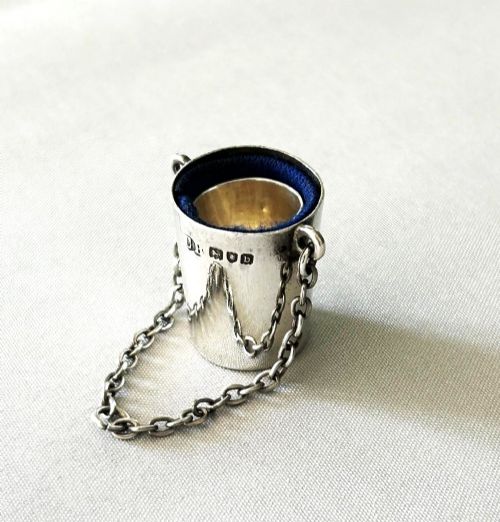
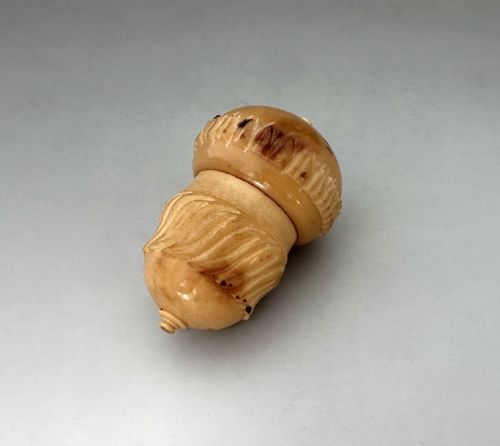
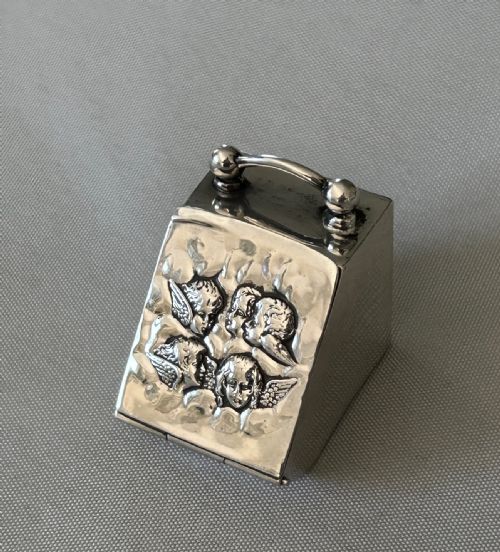
When you search for an antique thimble holder, you encounter a specialised sewing accessory designed to protect and display a single thimble. These miniature containers appear in forms ranging from novelty silver buckets and coal scuttles to carved wooden acorns and corozo nuts.
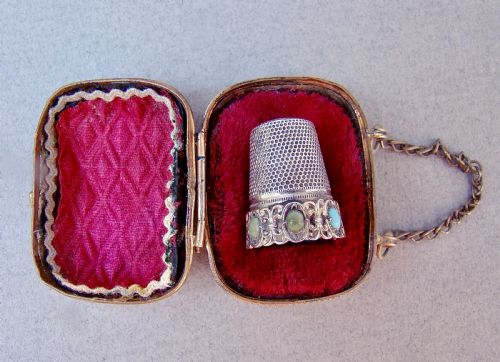
The versions you are most likely to meet on this page hail from the Victorian and Edwardian periods, alongside nineteenth-century French examples. Makers fashioned them as standalone desk pieces, chatelaine fixtures, or parts of larger dressing table sewing sets.
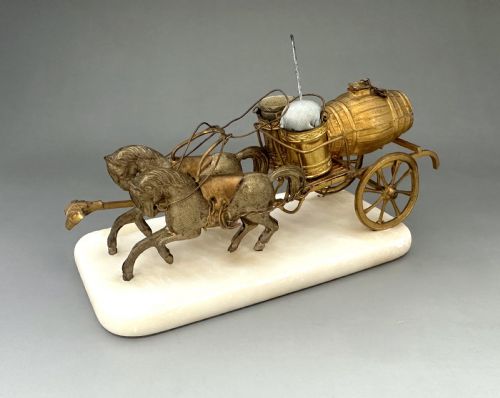
Makers also produced figural and novelty shapes, including horse-drawn companions, eggs, and owls with glass eyes. Such pieces reflect nineteenth-century taste for clever, diminutive objects that combined utility with display.
How they were made
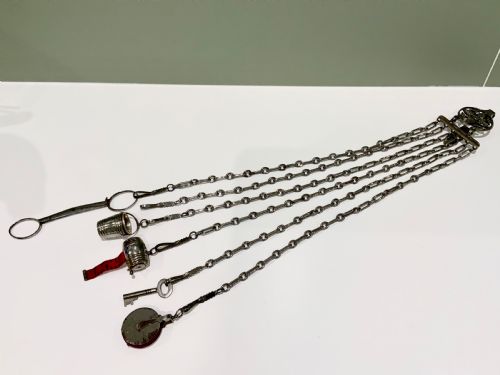
Silversmiths constructed sterling silver holders using stamping, piercing, and chased decoration to create miniature buckets, coal scuttles, and egg-shaped chatelaine cases. Workshops frequently paired these metal housings with gilt bronze, ormolu mounts, and gemstone settings.
Carvers utilised organic materials such as corozo nut, treen, ebony, Irish bog oak, and carved fruit wood to shape acorns, shoes, and owls. These wooden and nut varieties often feature fine surface turning, detailed animal carving, and Tunbridge Ware mosaic patterns.
Materials represented across the collection include sterling silver, ormolu, corozo nut, ebony, Irish bog oak, and carved fruit wood.
What varies in quality
The distinction between ordinary and exceptional pieces lies in the crispness of the carving and the precision of the metalwork. Finely chased silver, distinct hallmarks, and sharp detail in carved wood or nut separate superior work from simpler production.
Ingenuity of form and the inclusion of original matching thimbles elevate certain examples. Novelty designs with mechanical elements or integrated chatelaine clips demonstrate a higher degree of initial craftsmanship and desirability.
Charles Horner·Laurence Emanuel
The Antique Thimble Holder Glossary
- Chatelaine
- A decorative belt hook suspended with chains carrying miniature household tools such as thimble holders, scissors, and scent bottles.
- Treen
- Small handmade wooden household objects produced by turning or carving, ranging from sewing cases to nut holders.
- Ormolu
- Gilt bronze applied to mounts and decorative cases, providing a bright golden finish popular in nineteenth-century French pieces.
- Tunbridge Ware
- Woodware decorated with mosaic patterns formed from tiny tesserae of naturally coloured woods to create geometric designs.
- Corozo nut
- The hard seed of the tagua palm, frequently carved into small containers and thimble cases as a substitute for ivory.
Antique Thimble Holder: Frequently Asked Questions
What is an antique thimble holder?
An antique thimble holder is a small container designed specifically to house and protect a sewing thimble when not in use. These pieces range from simple wooden treen cases to elaborate silver chatelaine attachments.
Craftsmen shaped them in diverse materials including silver, carved wood, nut, and ebony, often incorporating novelty forms like buckets, acorns, or animals.
How were thimble holders used?
Owners used them to keep delicate sewing thimbles safe from damage in sewing baskets or on dressing tables. Many Victorian examples hung from chatelaine belts alongside other miniature sewing tools.
They served both a practical storage function and as decorative ornaments showcasing miniature artistry during needlework sessions.
How do I date a thimble holder?
Dating relies on hallmarks on silver pieces, material types, and prevailing nineteenth-century decorative styles. Victorian and Edwardian examples often feature specific hallmarks or characteristic novelty designs.
Natural materials like bog oak, corozo nut, and Tunbridge Ware mosaic further anchor pieces securely within the nineteenth century.
Are thimble holders rare?
While many survive from the Victorian and Edwardian eras, specific novelty forms and signed silver pieces appear less frequently. Elaborate French Palais Royal companions and detailed carved animal forms remain particularly scarce.
Common treen and simple silver bucket versions surface more regularly in sewing accessory collections.