
English Wooden Box
An English wooden box offers a tangible link to centuries past, serving practical storage needs through enduring craftsmanship.
English Wooden Box
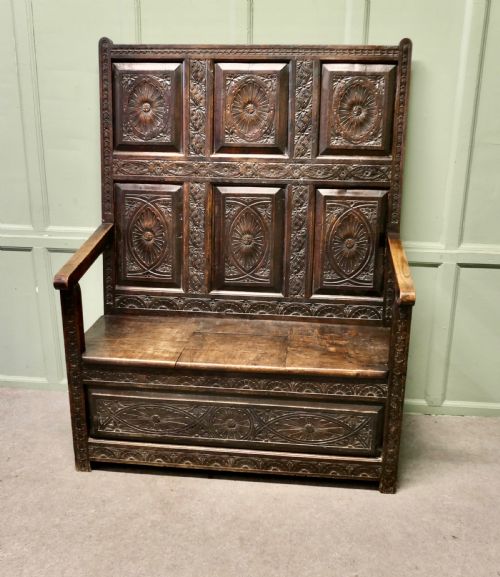
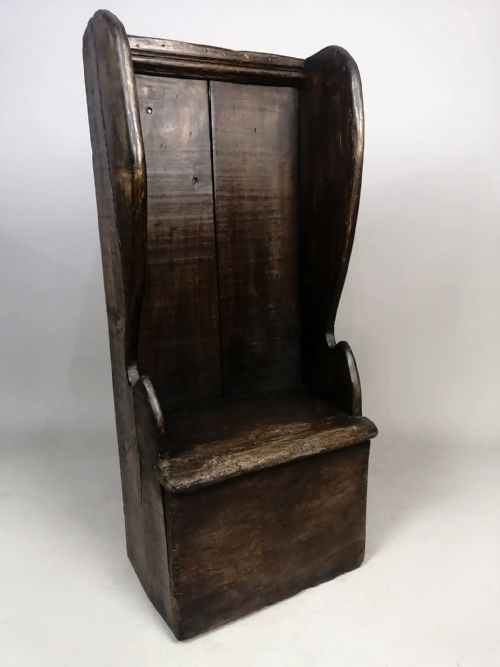
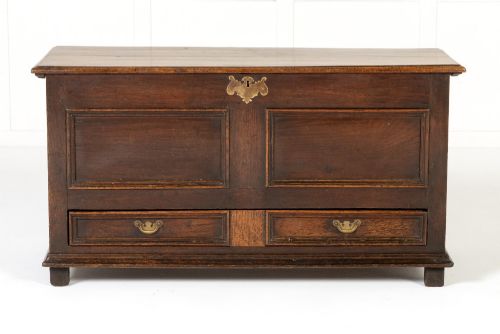
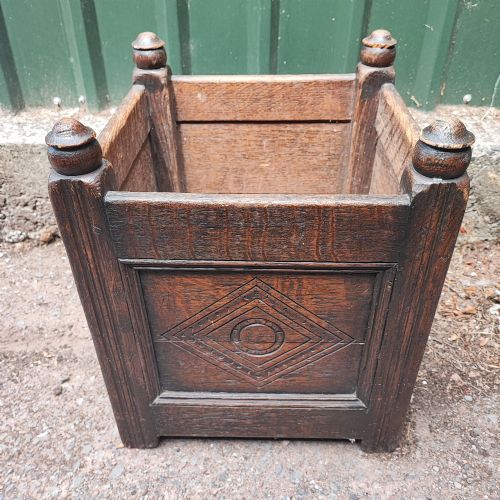
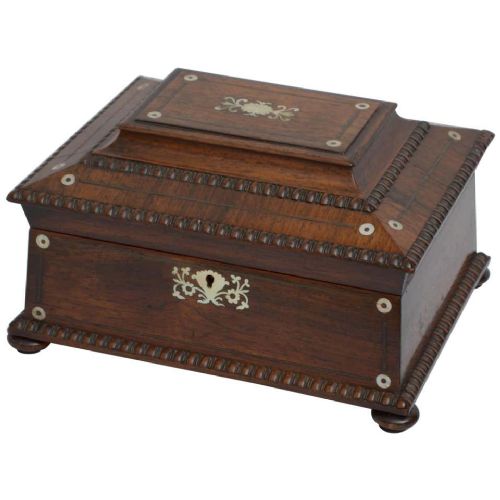
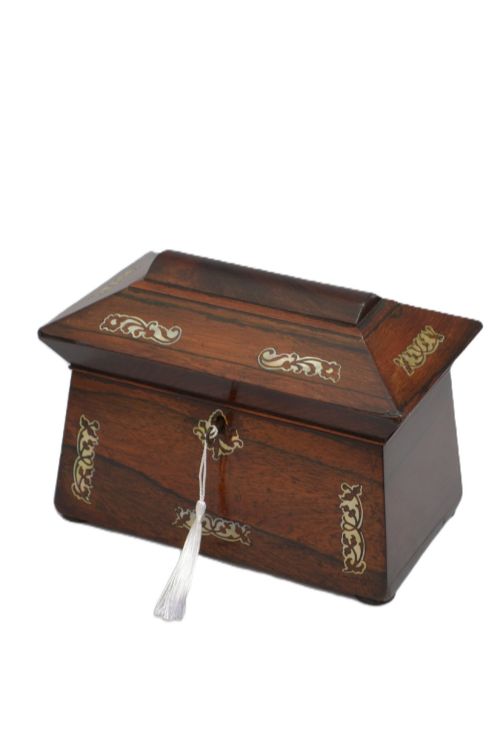
An English wooden box encompasses a variety of historical forms designed for domestic utility and safekeeping. Buyers searching this phrase encounter receptacles ranging from modest Bible boxes and document containers to larger coffers and tea caddies.
The pieces span multiple periods from the sixteenth century through the Victorian era, reflecting changing interior tastes and storage requirements. Oak and walnut predominate among the surviving examples, often showing signs of centuries of domestic use.
Materials and Construction Techniques
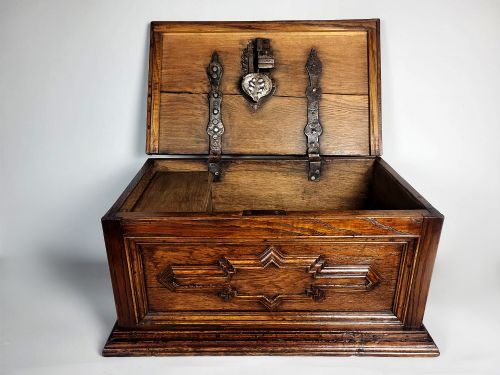
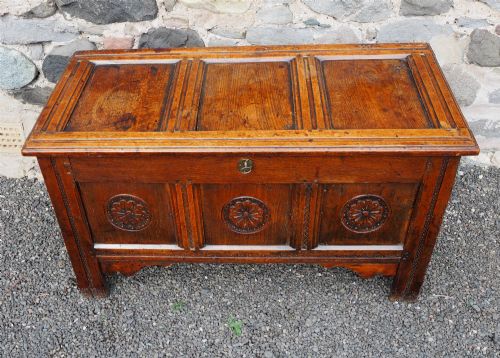
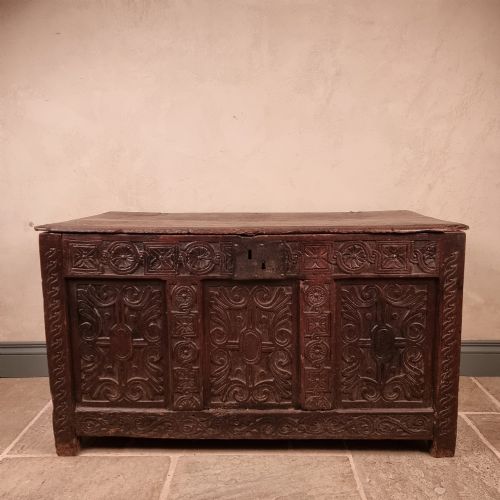
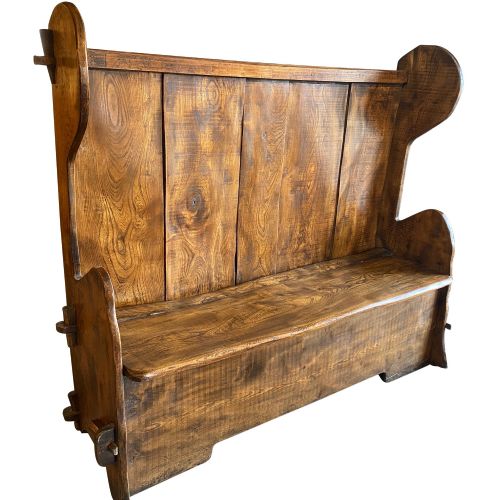
Cabinet makers utilised native timbers such as oak, elm, fruitwood and walnut, frequently employing durable frame and panel construction for larger chests and coffers. Joinery relied on pegged mortise and tenon joints to withstand heavy daily handling over generations.
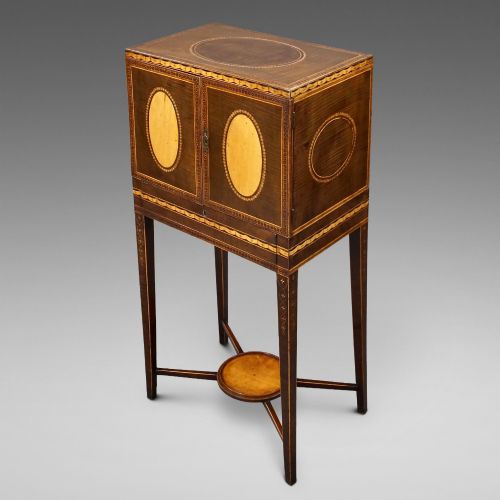
Surface decoration involved carving, iron hardware, and intricate Tunbridge ware marquetry using contrasting woods to form geometric or pictorial mosaics. Leather, brass and camphorwood appear on later nineteenth-century pieces designed for travel and station management.
The listings span multiple centuries, incorporating sixteenth-century Elizabethan pieces alongside Victorian and Edwardian examples.
Distinctions in Quality and Execution
Quality rests on the crispness of hand carving, the selection of timber grain, and the integrity of the original joints and hinges. Finer examples retain their original surface patination, ironwork, and fitted interior compartments rather than modern replacements.
Workshop execution dictates whether a piece remains a simple vernacular utility item or a sophisticated cabinet maker's product featuring complex inlays and specialised locking mechanisms.
De Grave Short And Co·Edmund Nye·Henry Hollamby
The English Wooden Box Glossary
- Coffer
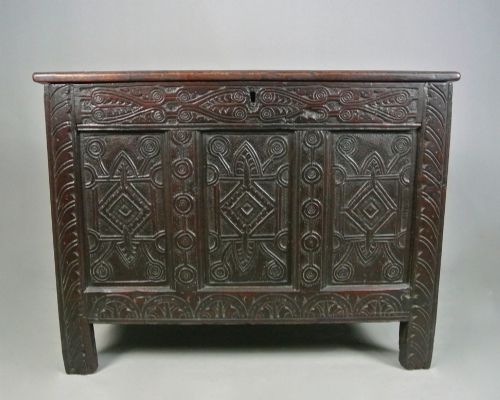
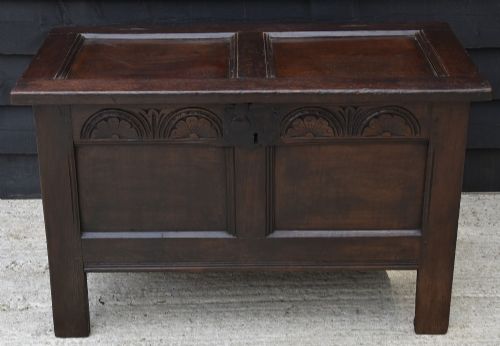
- A large wooden chest traditionally used for storing valuables, linens, or documents. These heavy storage pieces often feature carved fronts and sturdy lid construction.
- Bible box
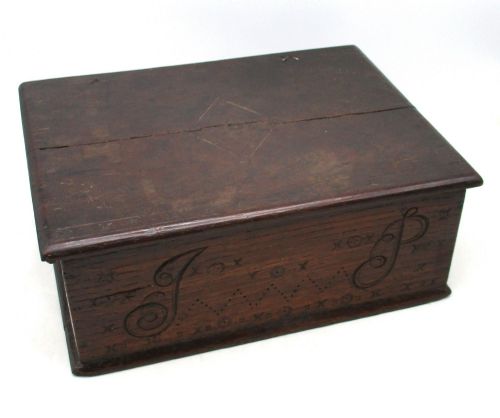
- A small tabletop desk or storage container historically used to house household Bibles and writing materials. Many feature sloping lids designed for reading or writing.
- Tunbridge ware
- A type of decorative woodwork produced in Kent, characterised by tiny mosaic tiles assembled from different coloured woods to create pictorial scenes.
- Cellarette
- A lockable container or cabinet designed to hold bottles of wine and spirits safely. They frequently appear in mahogany or walnut during the Georgian and Regency periods.
- Treen
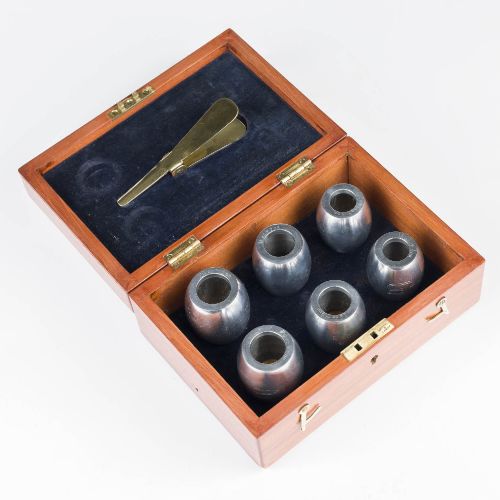
- Small handmade wooden objects for domestic use, turned or carved from fruitwood or other dense timbers. This term covers items ranging from tobacco jars to small puzzle boxes.
English Wooden Box: Frequently Asked Questions
What is an English wooden box used for?
These receptacles held valuable documents, bibles, tea, or personal possessions in historic households. Their sturdy construction allowed them to function securely across generations of domestic life.
Today, collectors utilise them for contemporary storage or display them as examples of period joinery and decorative woodcraft.
How do I identify the period of a box?
Dating relies on observing construction methods, timber choices, and decorative styles characteristic of specific centuries. Seventeenth-century examples often display heavy oak framing and geometric chip carving.
Later Victorian and Regency pieces introduce exotic veneers, brass mounts, and specialised interior fittings like writing slopes or tea caddy compartments.
Are these boxes made from solid wood?
The majority of early coffers, bible boxes, and chests utilise solid native timbers such as oak, elm, and walnut throughout their construction. Carpenters built them to withstand heavy daily wear without modern adhesives.
Nineteenth-century decorative boxes sometimes incorporate fine veneers applied over secondary woods to create geometric or pictorial marquetry designs.
How should I care for antique wood?
Maintaining these pieces involves keeping them away from direct heat sources and sudden humidity fluctuations to prevent timber splitting. Gentle dusting and occasional application of appropriate wax help preserve the surface patination.
Harsh chemical cleaners must be avoided entirely, as they strip the aged finish accumulated over centuries of handling.