




Georgian Souvenir Box
A georgian souvenir box holds small keepsakes and mementoes, offering a tangible link to travel and memory.
Georgian Souvenir Box
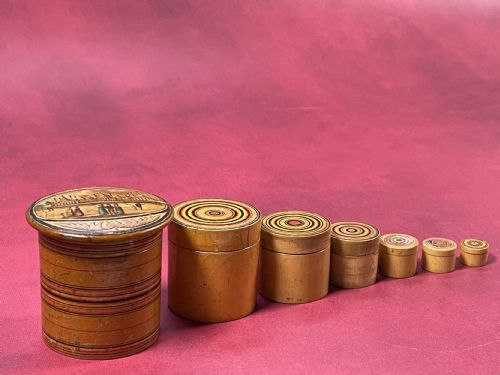
A georgian souvenir box encompasses small personal containers created to mark travels, events, or fashionable locations. These pieces often take the form of patch boxes, snuff boxes, or stacking pots designed to hold small trinkets.
The versions most commonly met on this page span the Georgian and Regency periods, alongside nineteenth century interpretations. They arrive in materials such as enamel, timber, paper, and metal.
Makers shaped these objects to serve both decorative and practical uses, from holding nutmeg to preserving plaster intaglios. Their forms reflect the tastes of the eighteenth and nineteenth centuries.
Materials and construction
Enamel on copper formed the basis for colourful patch and snuff boxes from Bilston and Staffordshire. Artisans applied pigments to metal surfaces before firing to create glossy, detailed miniature scenes.
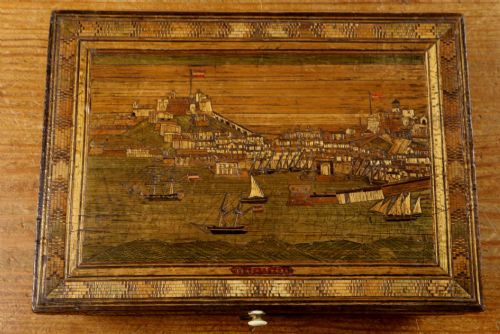
Woodworking techniques yielded whitewood and penwork containers, including Tunbridge Ware pieces. Craftsmen shaped timber and applied decorative surface work such as intricate penwork designs to Brighton chain pier boxes.
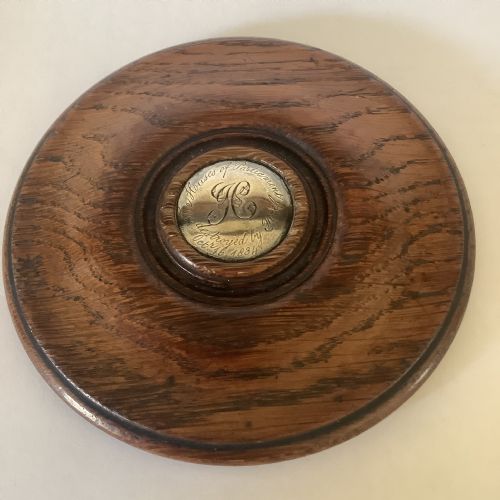
Natural materials and metals were combined with varnishes to finish surfaces and protect delicate designs. Oak, paper, and silver also appear across the surviving pieces.
Assessing quality and execution
The fineness of the painted enamel decoration dictates the upper tier of patch and snuff boxes. Crisp lines and careful colour application distinguish superior artistic output from simpler commercial production.
Surface embellishments such as penwork or whitewood decoration reveal the skill involved in the construction. Precise detailing on Tunbridge Ware and Brighton pier items marks out the more accomplished pieces.
The integrity of the materials, from timber to metal, influences the overall character. Well-preserved surfaces without heavy distortion retain more of their original visual appeal.
Pietro Bracci
The Georgian Souvenir Box Glossary
- Patch box
- A small container originally used to hold cosmetic patches made of silk or velvet. These boxes frequently feature enamelled lids with inscriptions or topographical views.
- Penwork
- A decorative technique using ink applied with a pen to imitate inlay or engraving on wood surfaces. It appears on Brighton and Regency souvenir items.
- Tunbridge Ware
- Woodware decorated with mosaic patterns created from thousands of tiny tinted wood blocks. It originates from the spa town of Tunbridge Wells.
- Intaglio
- A gem or plaster cast carved into the surface so the design sits below the field. Grand Tour examples recorded classical sculptures for travellers.
- Nutmeg grater
- A pocket-sized grating device housed within a small decorative box. They were carried by diners to grate fresh spice into food and drink.
Georgian Souvenir Box: Frequently Asked Questions
What did people keep in a georgian souvenir box?
These small containers held items such as beauty patches, pinches of snuff, or spices like nutmeg. Travellers also used them to store small mementoes gathered during journeys.
Over time, owners adapted them to hold various trinkets and keepsakes according to personal fashion and utility.
How do I identify a Bilston enamel box?
Bilston enamel boxes typically feature hand-painted imagery on a copper base, often accompanied by inscriptions or specific topographical views. Their palette and glossy finish reflect eighteenth-century workshop practices.
Examining the interior and base reveals the characteristic copper substrate beneath the enamel coating.
What is Tunbridge Ware?
Tunbridge Ware refers to decorative wooden objects adorned with mosaic designs made from natural woods. Artisans arranged tiny wooden segments to form geometric or pictorial patterns.
These pieces were popular souvenirs for visitors to Tunbridge Wells during the Georgian and Victorian eras.
How should I care for an antique enamel box?
Keep antique enamel containers away from direct sunlight and high humidity to protect the pigments and metal base. Dust them gently with a soft, dry cloth without using liquid cleaners.
Handling them with care prevents accidental chipping of the delicate enamel surface.