
Painted Wooden Box
A painted wooden box brings enduring folk character and practical storage to a room through centuries-old artisan traditions.
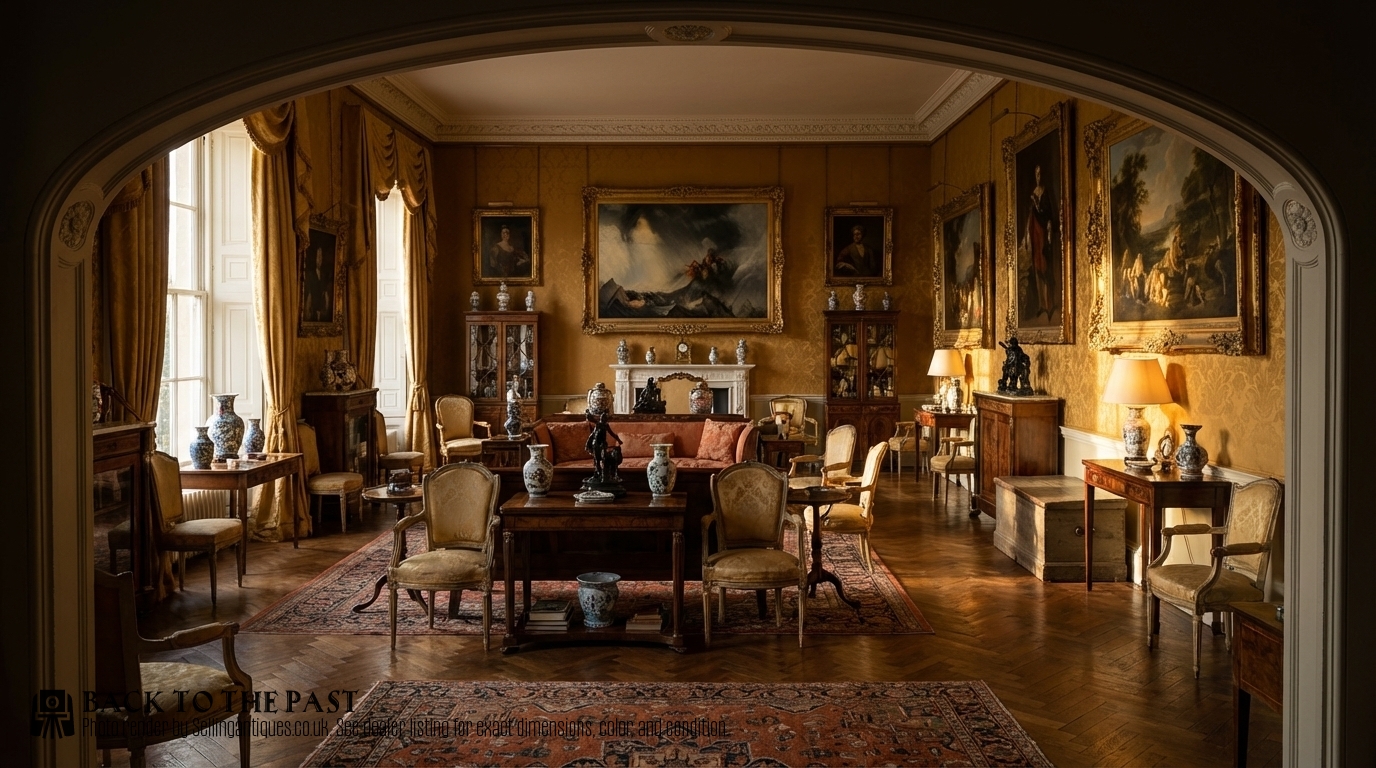
What these painted wooden boxes are
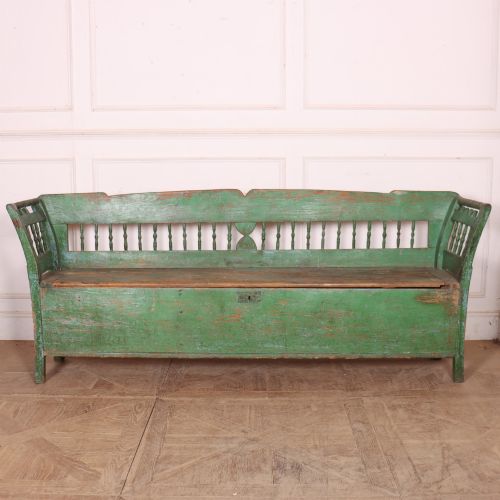
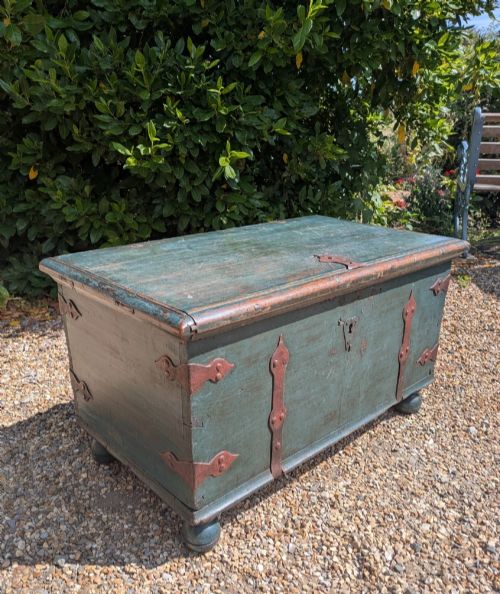
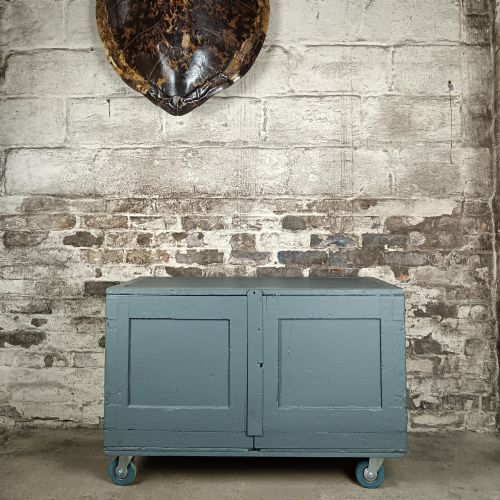
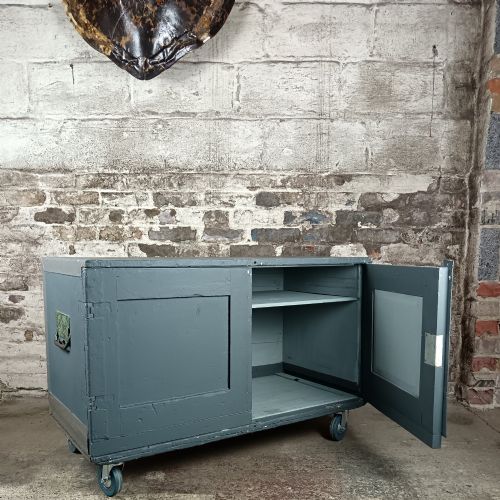
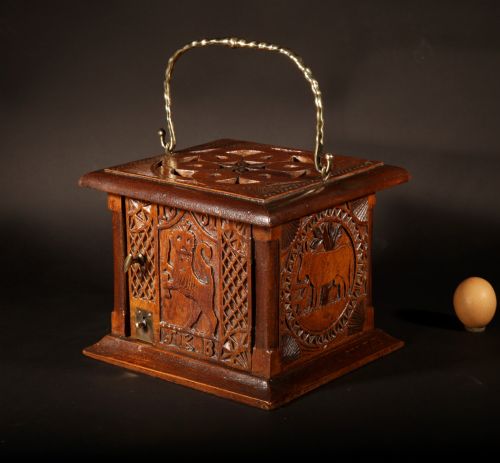
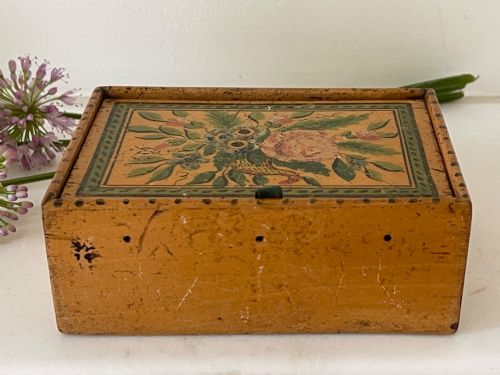
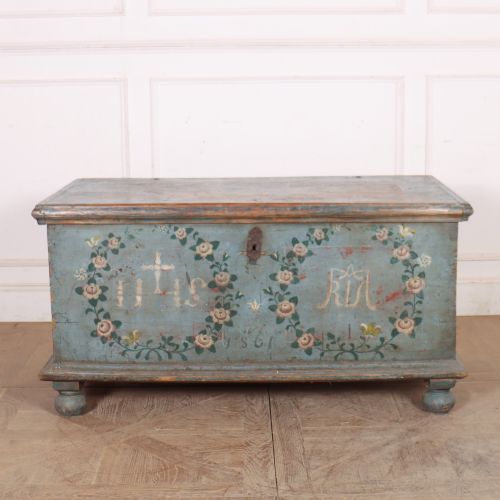
A painted wooden box encompasses everything from small trinket containers to large storage chests created during the nineteenth century. These pieces showcase diverse regional identities, including Scandinavian folk art and Welsh vernacular styles.
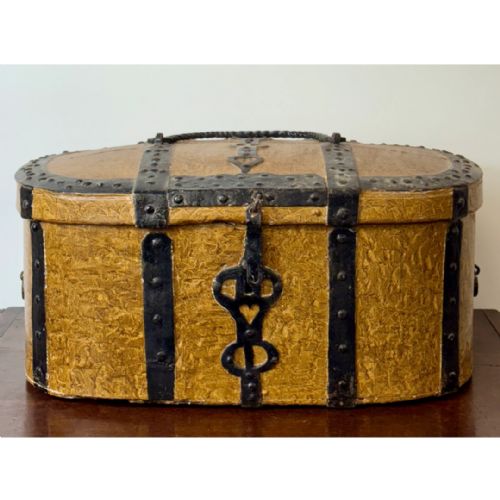
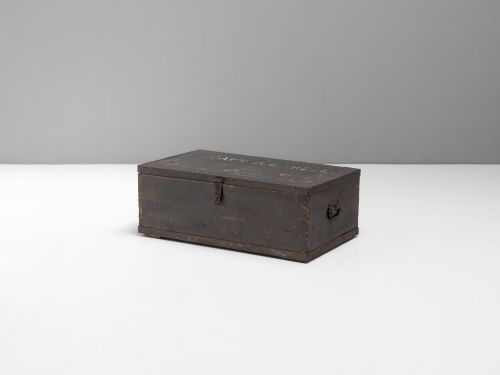
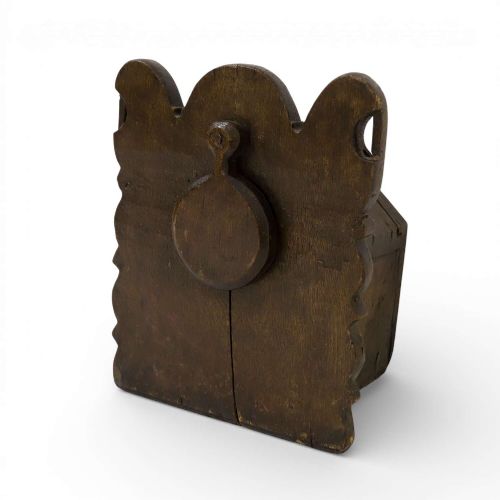
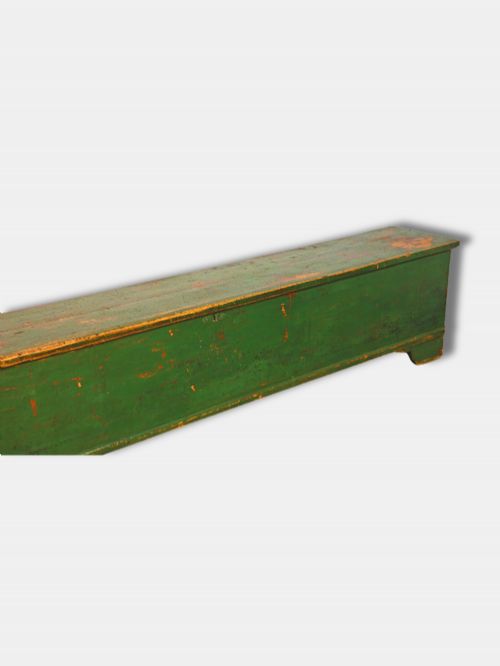
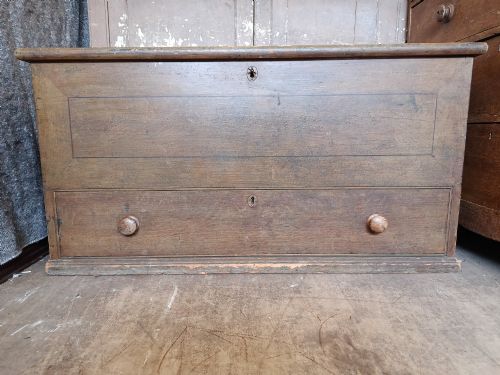
The most common examples you encounter on this page date from the nineteenth century and the Victorian era. They appear in forms such as food boxes, artisan chests, money boxes, and trunks.
Makers utilised humble native timbers like pine, shaping them into functional vessels for domestic use. Over generations, the painted surfaces have developed a rich patina that defines their visual appeal.
How they were made
Makers constructed these boxes primarily from solid pine and other native woods, often employing traditional joinery techniques suited to utility. Bentwood construction appears in specialised Scandinavian food boxes, known as tine boxes, requiring flexible timber bands.
Artisans applied surface decoration using oil or distemper paint, sometimes finishing the exterior with a protective layer of varnish. Iron hinges, latches, and brackets provided structural reinforcement and functional security for daily use.
Retail Price Guide 2026
Typical UK retail prices for painted wooden box, calculated from the Sellingantiques database of over a million retail prices indexed since 2003. This retail price guide relies exclusively on Sellingantiques data; no external sources or auction records are used, so the figures do not describe the wider market.
The available listings demonstrate a focus on nineteenth-century vernacular pieces, utilising pine, iron, and traditional hand-painted finishes.
What varies in quality
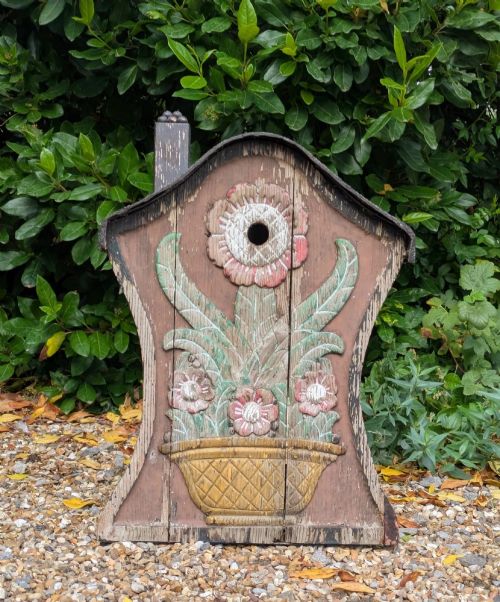
Quality in a painted wooden box rests upon the originality and preservation of its surface decoration. Pieces retaining their primary painted schemes, such as naive motifs or traditional Scandinavian folk patterns, command greater interest than later repainted examples.
The integrity of the underlying construction and the survival of original iron hardware also influence distinction. Artisan chests and signed regional pieces demonstrate superior craftsmanship compared to plain utility trunks.
The Painted Wooden Box Glossary
- Scrumble
- A decorative painting technique involving the layering and dragging of translucent glazes over a lighter ground to simulate wood grain or texture.
- Tine
- A traditional Scandinavian bentwood box with overlapping wooden rims secured by thin wooden pins, historically used for storing food.
- Vernacular
- Architecture or object design created by local artisans using traditional methods and native materials, rather than following formal academic styles.
- Folk Art
- Artistic work created within a traditional culture by self-taught or artisan makers, often prioritising utility and expressive decoration over strict academic proportion.
- Tunbridge Ware
- Small wooden items decorated with precise mosaic patterns formed from tiny blocks of naturally coloured native and exotic woods.
Frequently Asked Questions
How old is my painted wooden box?
Dating relies on examining the construction methods, nail types, and the composition of the wood and paint layers. Nineteenth-century examples often display hand-sawn timber marks and regional decorative traditions.
Analysing the wear patterns and the type of iron hardware provides further clues to the period of manufacture.
Are these boxes waterproof?
Most antique painted wooden boxes were designed for dry domestic storage rather than exposure to moisture. The historical paint and varnish finishes protect the wood from normal humidity but do not make the containers weatherproof.
Keeping them away from damp environments ensures the preservation of both the timber and the original surface decoration.
How do I clean a painted surface?
Dusting gently with a dry, soft cloth is the safest method for maintaining antique painted finishes. Avoid modern chemical cleaning agents, water, or abrasive materials that can strip or soften historical paint.
Professional conservation advice should be sought if deeper cleaning is required to remove stubborn grime.
What were tine boxes used for?
Traditional Scandinavian tine boxes served primarily as portable containers for carrying food or storing precious domestic items. Their bentwood construction provided a lightweight yet durable vessel for rural life.
Today, collectors value them for their distinctive silhouette and surviving folk art decoration.