





Turned Wooden Box
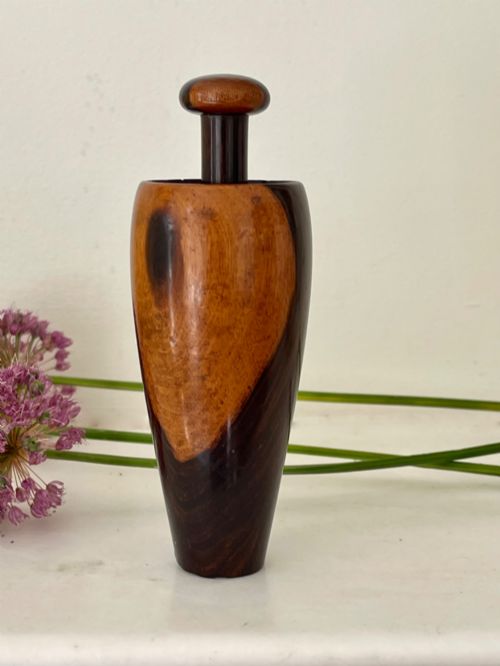
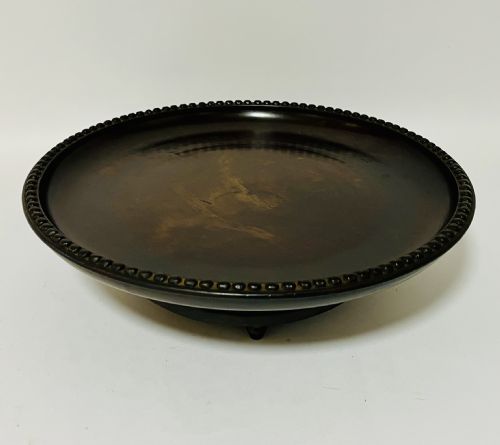
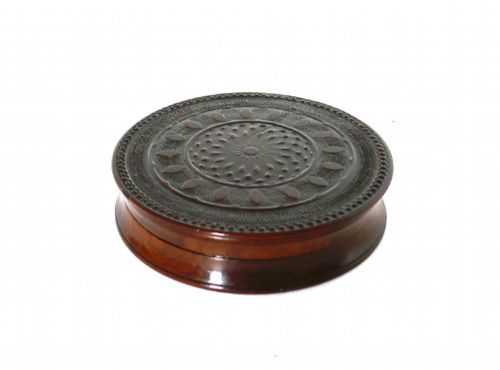
A turned wooden box brings together centuries of lathe work, offering small-scale storage crafted from dense timbers like boxwood, mahogany, and oak.
Turned Wooden Box
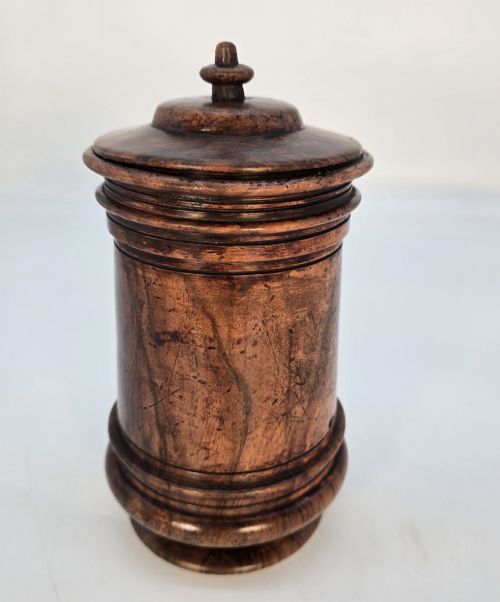
A turned wooden box encompasses small portable vessels and treen containers shaped by the lathe, spanning periods from the seventeenth century through the twentieth century.
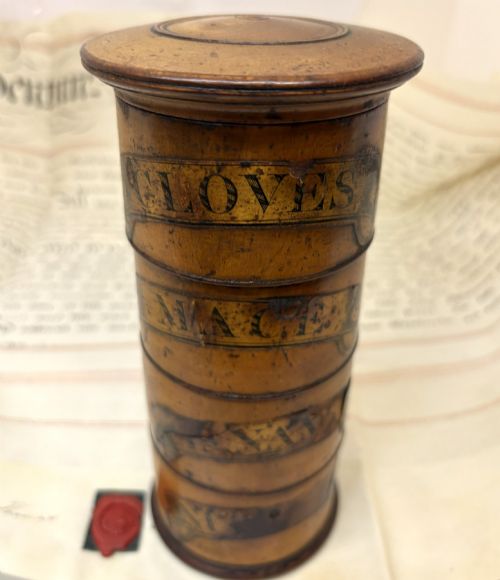
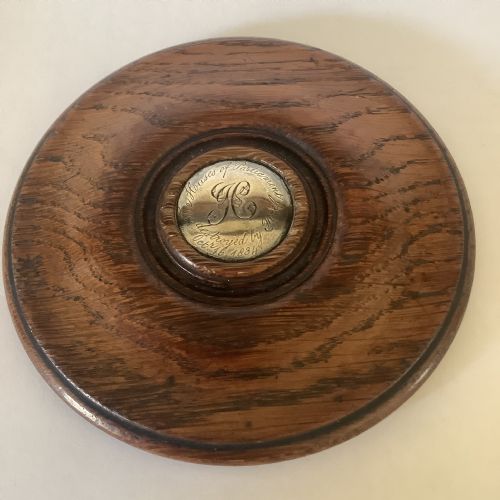
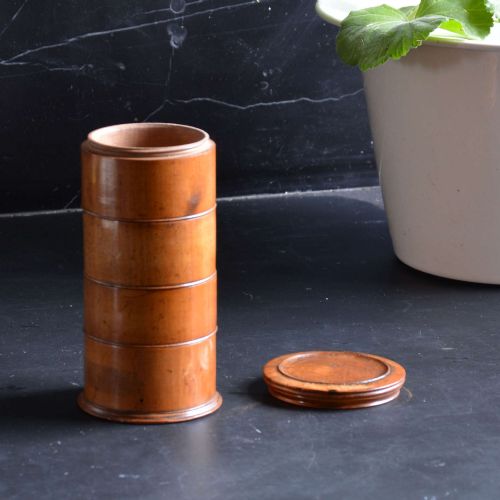
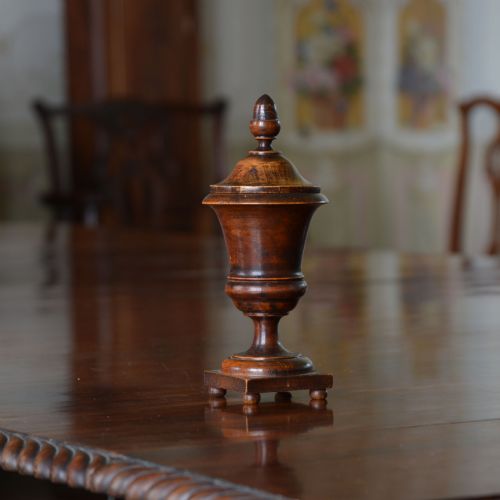
The objects listed under a turned wooden box range from spice towers and snuff boxes to string holders, apothecary containers, and small barrels.
Most examples originate from the Georgian, Victorian, and nineteenth-century eras, reflecting domestic and personal storage habits of past households.
How They Were Made
Maker operations relied on the lathe to shape dense hardwoods such as boxwood, ebony, mahogany, and oak into symmetrical lids, bodies, and bases.
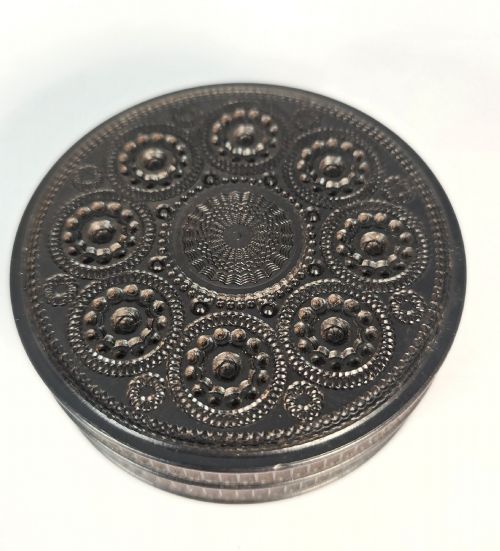
Certain pieces incorporate engine-turned decoration, creating precise geometric patterns across the exterior surface through specialised lathe attachments.
Constructors also utilised fruitwood, sycamore, laburnum, and walnut, selecting timbers with tight grains suitable for intricate turning and close-fitting lids.
Materials recorded in these turned wooden box listings include mahogany, oak, boxwood, ebony, pine, hardwood, walnut, fruitwood, laburnum, sycamore, yew, and satinwood.
What Varies in Quality
Quality rests in the crispness of the lathe work and the precision with which lids seat onto their respective bodies over time.
The choice of timber dictates distinction, where dense exotic woods and figured hardwoods hold sharper turned details than softer domestic varieties.
Complexity of form elevates the standard, separating simple utilitarian vessels from multi-tiered spice towers and engine-turned containers.
The Turned Wooden Box Glossary
- Treen
- Small wooden domestic objects made by turning or woodworking. These items include spice towers, nutmeg graters, and small containers.
- Engine-turned
- A mechanical decoration method using a lathe to cut precise geometric patterns into wood. This technique appears on nineteenth-century snuff boxes.
- Spice tower
- A multi-tiered turned container designed to hold various spices. Examples often unscrew in sections from a central spindle.
- Cellarette
- A large storage box or cooler for wine bottles. These containers often feature mahogany construction and date from the Georgian and Regency periods.
Turned Wooden Box: Frequently Asked Questions
How do I date a turned box?
Dating relies on timber choice, turning style, and historical context recorded in the piece. Eighteenth-century examples often use walnut or fruitwood with simple profiles.
Later nineteenth-century pieces frequently display engine-turned decoration or utilise exotic woods like ebony and satinwood. Construction joints and wear patterns also help narrow the decade.
Are these boxes waterproof?
These vessels were built to store dry goods such as snuff, spices, string, or pills rather than liquids. Wood naturally expands and contracts with moisture.
Using them to hold wet contents can warp the tight-fitting turned lids and damage the historic timber surface.
What is treen?
Treen encompasses small, functional wooden objects created for everyday household use. The category includes everything from small containers to kitchen utensils.
Collectors prize these items for their tactile surfaces and the evidence of historic turning techniques preserved in the wood.