
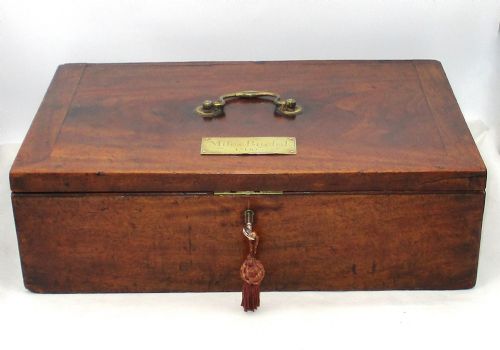
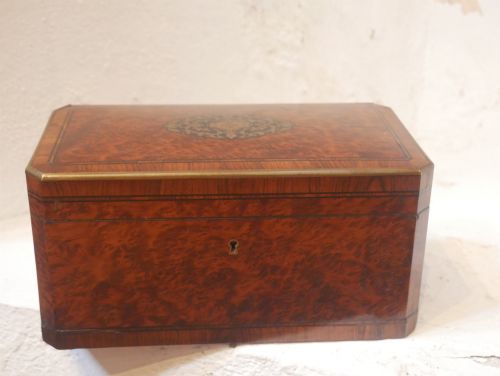
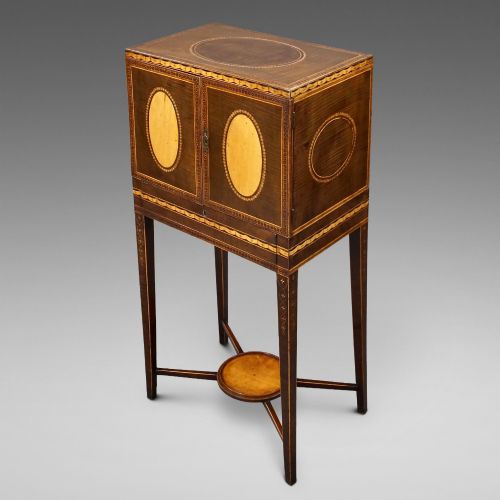
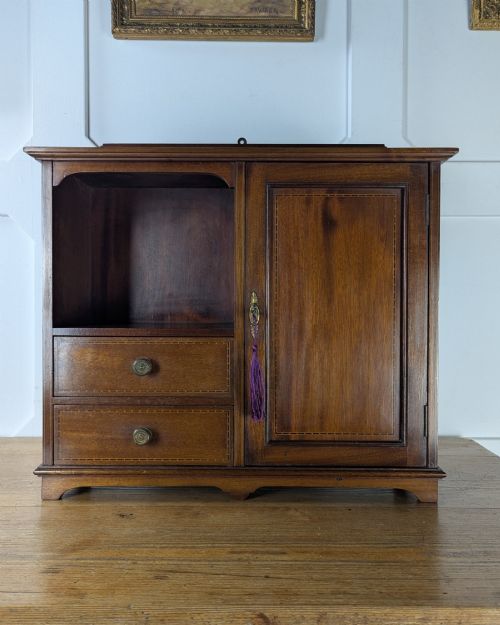
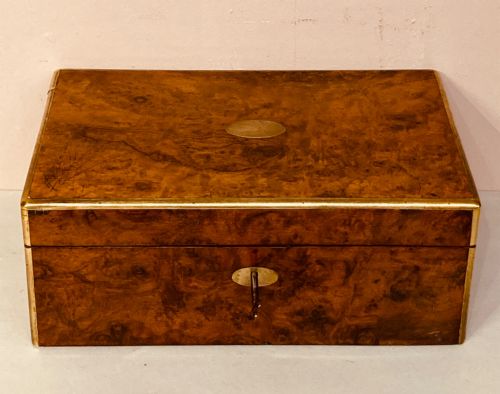
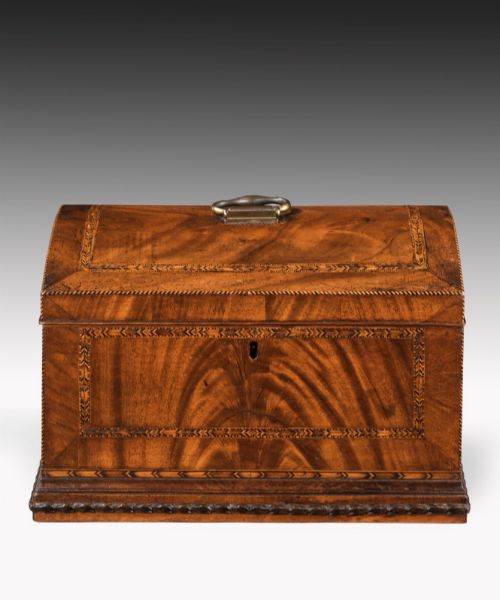
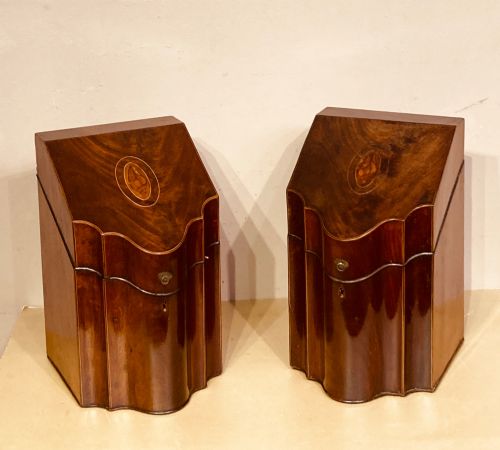
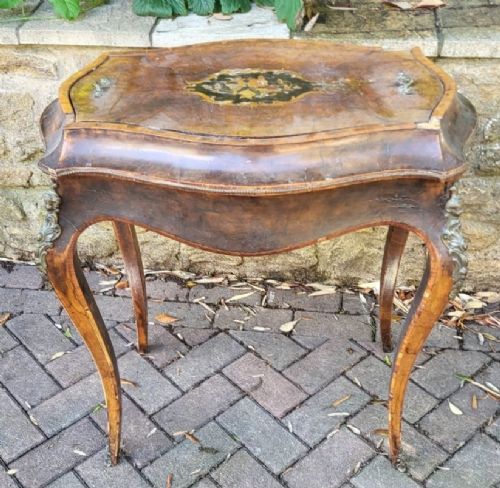

Brown Inlaid Wooden Box
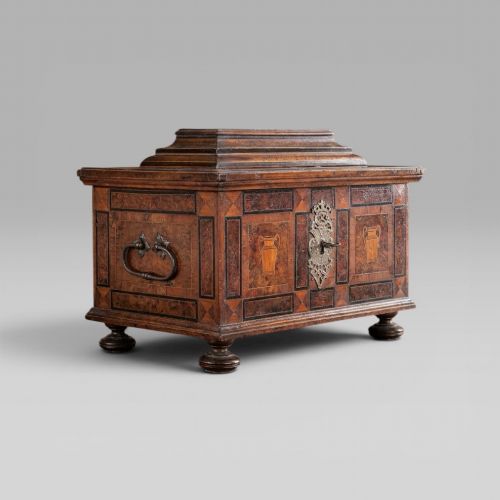
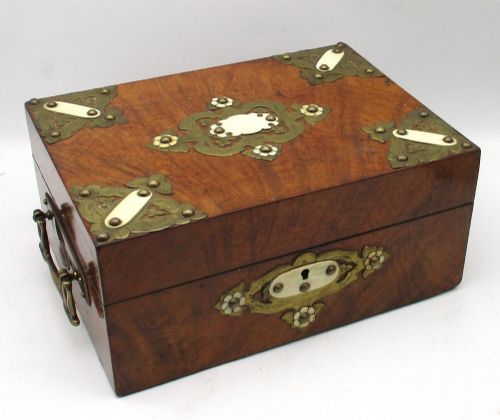
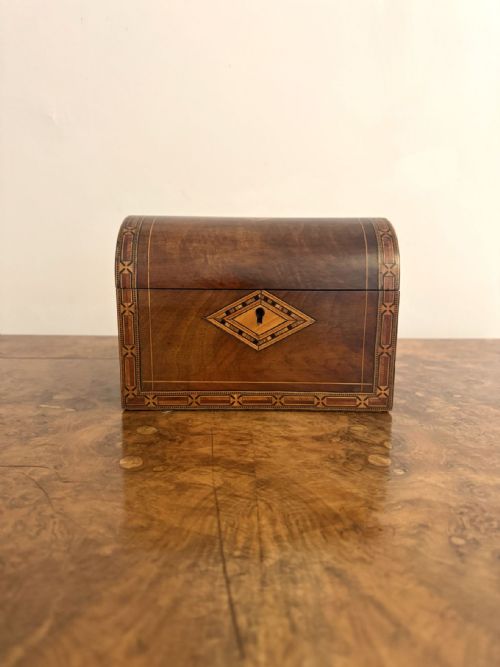
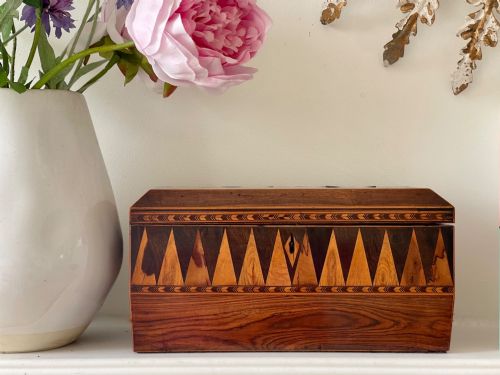
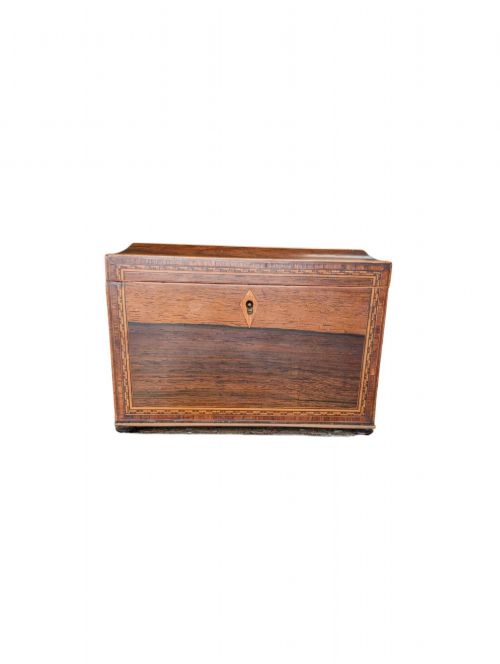
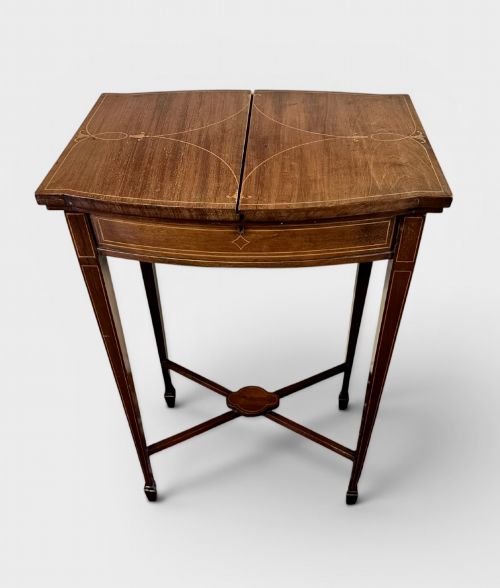
A brown inlaid wooden box is a masterclass in miniature joinery and marquetry, designed to hold tea, letters, or small treasures.
Brown Inlaid Wooden Box
A brown inlaid wooden box serves multiple domestic purposes, appearing frequently here as tea caddies, writing slopes, and small decorative containers. These pieces hail primarily from the Georgian, Regency, and Victorian periods, reflecting the shifting tastes of households over two centuries.
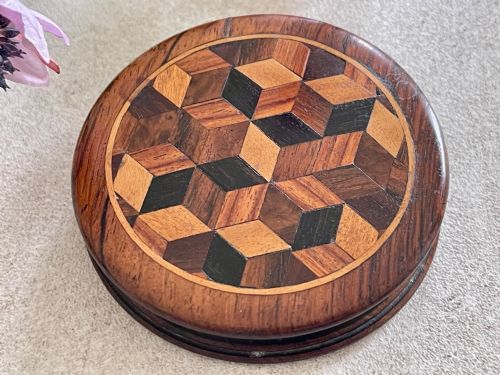
Makers utilised various timber forms to create functional containers, ranging from apothecary boxes to stationery desks and snuff boxes. The prevalence of Tunbridge ware and classical stringing defines much of the selection visible today.
Buyers encounter objects constructed with meticulous care, designed to sit upon tables or desks as both utility items and ornaments. The forms span from knife boxes and cellarettes to delicate vanity cases.
How They Were Made
Craftsmen built these boxes using dense timbers such as mahogany, walnut, and rosewood as a sturdy carcass. They then applied contrasting veneers including satinwood, boxwood, and harewood to form geometric or pictorial patterns.
Inlay techniques involved precise cutting of light and dark woods, sometimes incorporating bone elements to create sharp visual contrast. Specialised workshops utilised meticulous hand-sawing to embed stringing and mosaic motifs directly into the main wooden surface.
Object forms on this page include document boxes, tea caddies, apothecary chests, and stationary desks.
What Varies in Quality
Quality rests primarily in the crispness of the marquetry and the choice of timber figure, such as burr walnut or fiddleback mahogany. Superior examples display seamless flush surfaces where different wood species meet without perceptible gaps.
The sophistication of the internal fittings elevates an ordinary container into a high-tier piece. Complete compartments, original mixing bowls, and working locks distinguish the finer specimens from simpler utilitarian boxes.
Tahan Paris·Edmund Nye·Henry Hollamby
The Brown Inlaid Wooden Box Glossary
- Tunbridge Ware
- A type of woodworking featuring microscopic mosaic tesserae assembled to form pictorial images or geometric borders. This technique originated in Kent and characterises many nineteenth-century boxes.
- Stringing
- Thin lines of contrasting wood inlaid into the surface of a box to create decorative borders and panels. It defines much of the classical Georgian and Regency cabinetwork.
- Tea Caddy
- A container designed to store tea leaves securely when tea was an expensive commodity. Many feature internal lidded compartments and mixing bowls.
- Writing Slope
- A portable desk that opens to reveal a slanted writing surface and partitioned spaces for ink and stationery. They often incorporate secret drawers.
- Veneer
- A thin layer of highly figured wood applied over a secondary timber base to provide a decorative exterior. This method allowed makers to utilise expensive woods economically.
Brown Inlaid Wooden Box: Frequently Asked Questions
What were tea caddies used for?
Tea caddies stored precious tea leaves under lock and key in wealthy households. Servants or masters kept the key to control access to the expensive leaves.
Inside, the boxes typically featured divided compartments to separate different tea varieties, sometimes alongside a central glass bowl for blending.
How do I date a wooden box?
Dating relies on timber choices, construction methods, and prevailing decorative styles. Georgian pieces often show simpler mahogany carcasses with delicate stringing.
Victorian examples frequently employ burr walnut and more elaborate applied ornament, while Regency pieces favour brass inlay and bold rosewood grains.
What is Tunbridge ware?
Tunbridge ware is a specialised form of mosaic woodwork produced in Kent. Craftsmen glued thousands of tiny wood blocks together to form pictorial scenes.
These pieces feature intricate floral or architectural motifs embedded directly into the lid and sides of the box.
Are writing slopes difficult to maintain?
Maintaining a writing slope involves basic care for antique timber and leather surfaces. Keeping them away from direct heat prevents the veneer from lifting.
Regular polishing with traditional wax preserves the lustre of the mahogany or walnut without damaging the delicate stringing.