


Marquetry Keepsake Box
A marquetry keepsake box holds letters and small valuables, bringing intricate wood patterns and historic craftsmanship to a desk or dressing table.
Marquetry Keepsake Box
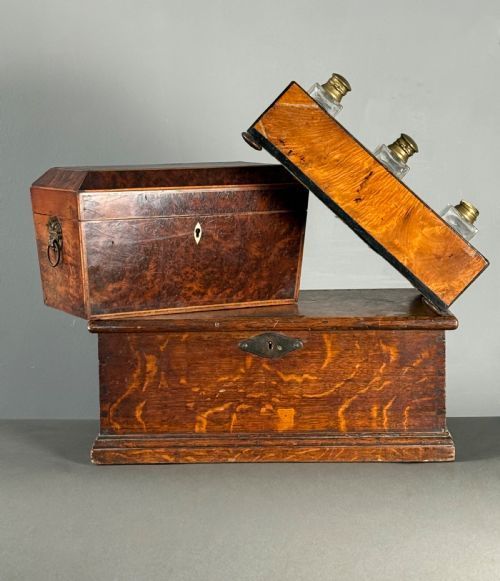
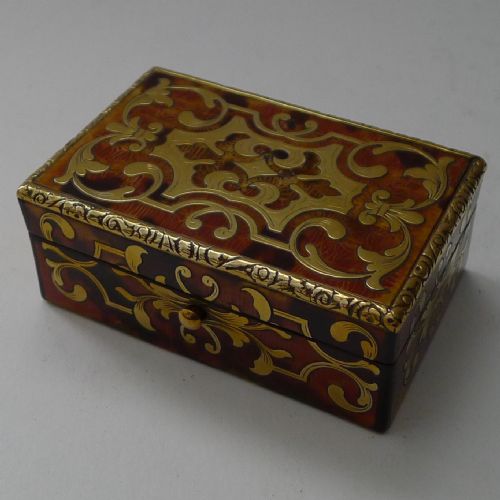
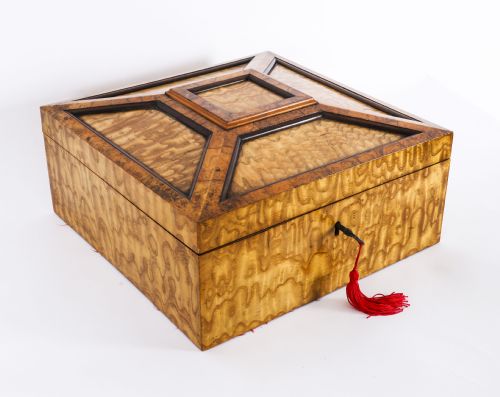
When you search for a marquetry keepsake box, you encounter a variety of antique forms designed to safeguard personal treasures. These pieces span several eras, including the Georgian, Regency, and Victorian periods, alongside later twentieth-century examples.
Makers utilised diverse woods like rosewood, walnut, and satinwood to form the foundation of these small containers. Each box reflects the specific domestic habits and storage needs of its original period.
How they were made
Craftsmen built these containers using solid timber carcasses overlaid with finely cut veneers of walnut, rosewood, fruitwood, or satinwood. The patterned surfaces rely on precise inlay techniques, sometimes incorporating boxwood, ebony, mother-of-pearl, and bone details.
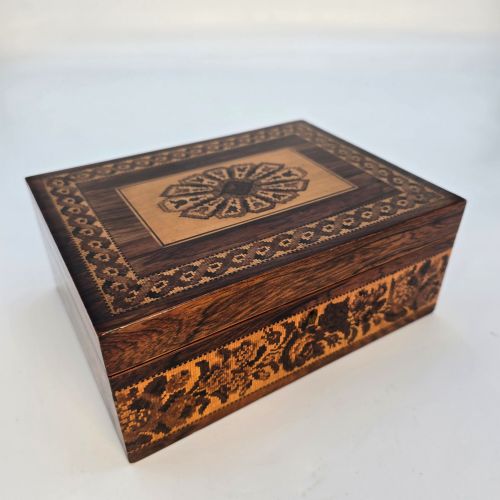
Specialised regional workshops, particularly those in Tunbridge Wells and Sorrento, developed distinct methods for geometric mosaic work and pictorial wood inlay. Artisans shaped olive wood, sycamore, and thuya wood into intricate architectural or floral motifs.
Marquetry Keepsake Box Retail Price Guide 2026
Typical asking prices for marquetry keepsake box among the pieces listed under this phrase on Sellingantiques today, from the lower quarter to the upper quarter. They describe what is for sale here now, not the wider market.
Secret compartments and hidden book mechanisms allowed Victorians to conceal their most private letters from prying eyes.
What varies in quality
The standard of a marquetry keepsake box depends largely on the precision of the veneer work and the complexity of the wood selection. Superior pieces display seamless integration of contrasting timbers without gaps in the geometric or pictorial design.
Materials also dictate the tier of the piece, with dense exotic woods and intricate micro-mosaic banding signalling higher workshop capability. The refinement of interior linings and the retention of original hardware further distinguish finer examples.
Edmund Nye·Henry Hollamby
The Marquetry Keepsake Box Glossary
- Marquetry
- The art of applying decorative pieces of veneer to a structural structure to form intricate pictures or patterns. It differs from parquetry through its use of pictorial or curved designs rather than geometric grids.
- Tunbridge Ware
- A distinct type of British woodwork characterised by tiny wooden mosaic tiles assembled to create detailed pictorial views. Originating in Kent, these items often feature floral or architectural panels.
- Sorrento Ware
- Italian woodwork featuring detailed micro-mosaic inlay, typically produced from olive wood during the nineteenth century. These items frequently depict classical scenes or local motifs.
- Caddy
- A small box or chest originally designed for storing tea leaves securely under lock and key. Later examples often double as general receptacles for small valuables.
- Veneer
- A thin layer of superior wood applied over a base timber to provide a decorative exterior surface. This technique allows makers to utilise striking grains without relying entirely on solid scarce woods.
Marquetry Keepsake Box: Frequently Asked Questions
What is a marquetry keepsake box used for?
These boxes served historically to store correspondence, jewellery, tea, or small personal valuables safely.
Today, they function well on desks or dressing tables to hold modern keepsakes while displaying historic woodwork.
How do I identify Tunbridge Ware boxes?
Tunbridge Ware pieces feature characteristic mosaic surface patterns built from thousands of tiny tinted wood blocks.
These designs often display geometric borders surrounding central floral panels or British landscape views.
What woods were used in these boxes?
Cabinetmakers utilised a wide selection of native and exotic timbers, including walnut, rosewood, mahogany, and satinwood.
Contrasting elements often incorporate boxwood, ebony, fruitwood, and olive wood to highlight the intricate inlay.
How should I care for antique wood boxes?
Keep wooden boxes away from direct sunlight and extreme temperature fluctuations to prevent the delicate veneers from lifting.
Occasional light dusting with a dry cloth helps preserve the polished finish without harming the historic surface.