

Antique Wooden Jewellery Chest
An antique wooden jewellery chest provides a secure, tabletop home for small treasures, drawing on centuries of cabinet-making skill.
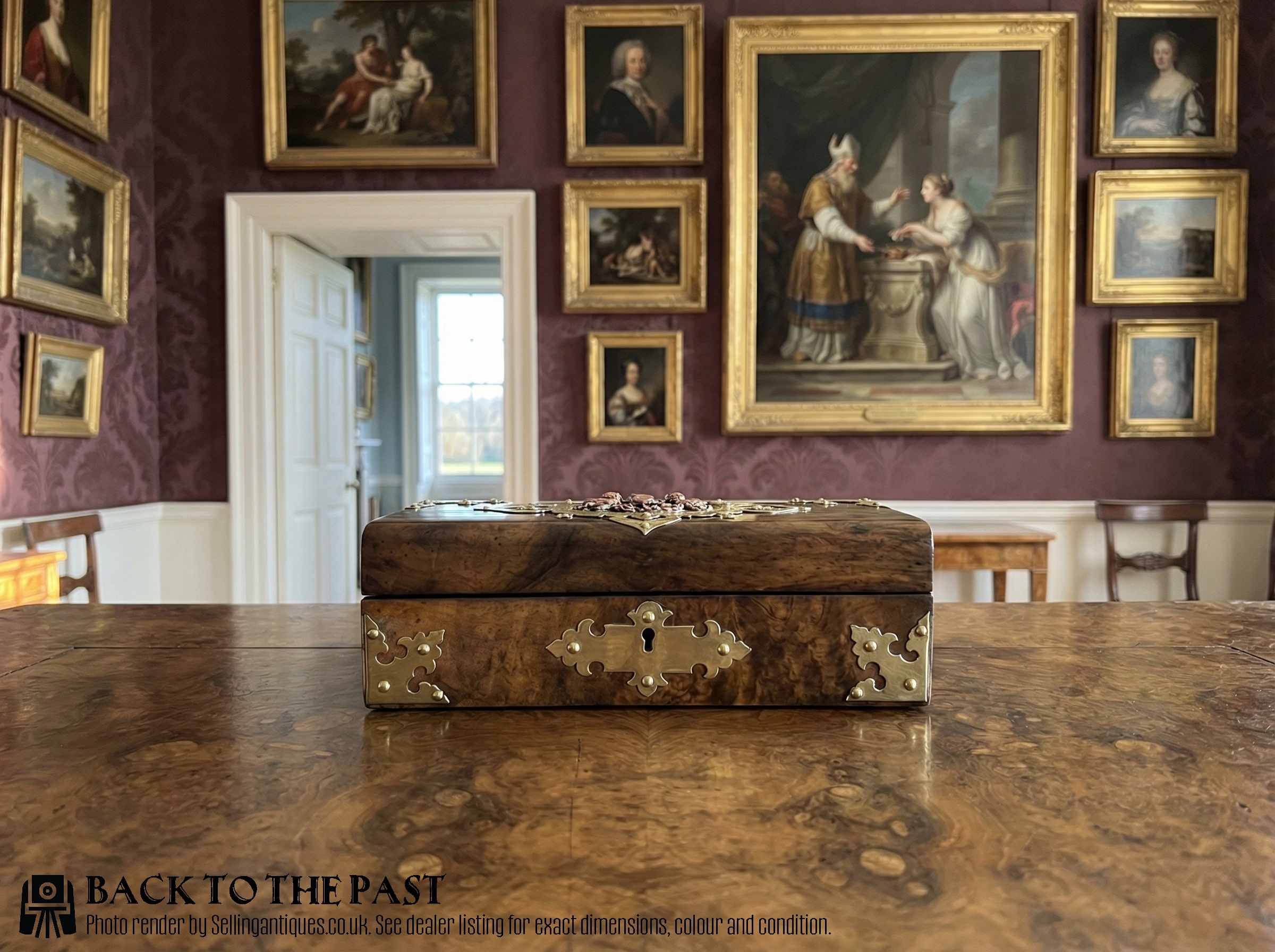
Antique Wooden Jewellery Chest
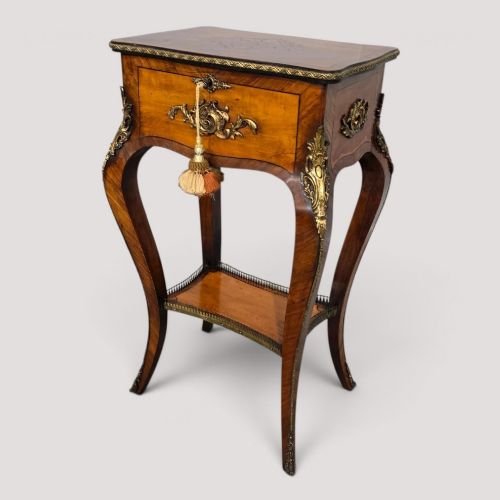
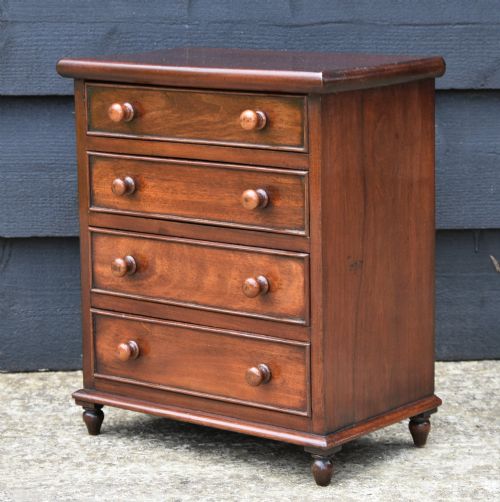
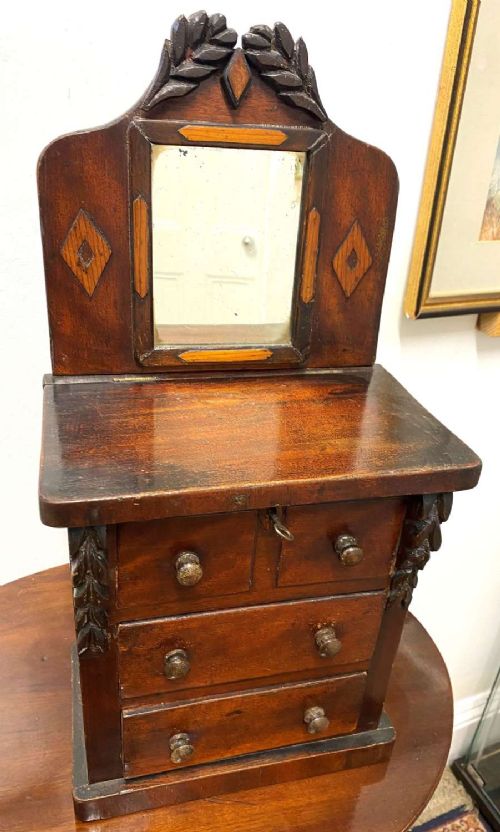
An antique wooden jewellery chest encompasses miniature chests of drawers, table cabinets, and specialised caskets originating from the seventeenth century through to the early twentieth century. Pieces from the Victorian and Georgian eras dominate the selection, alongside earlier seventeenth-century oak and walnut examples.
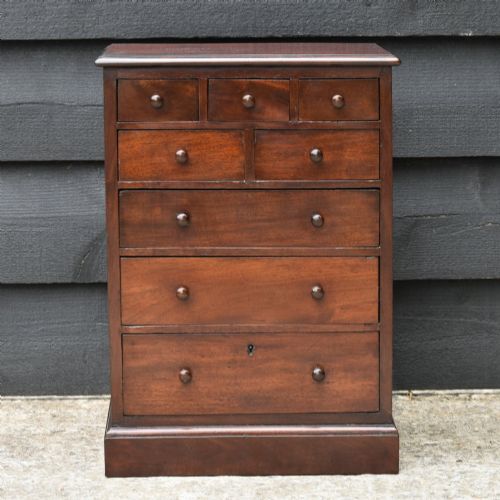
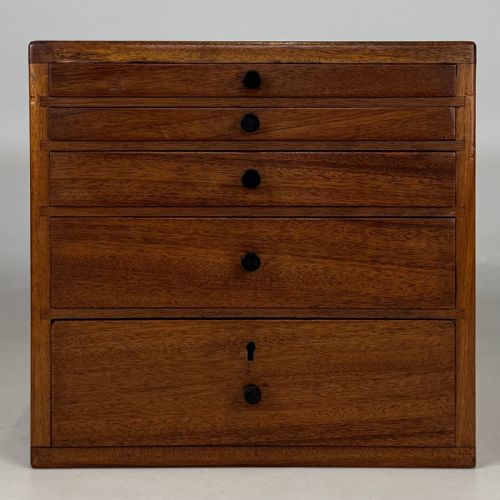
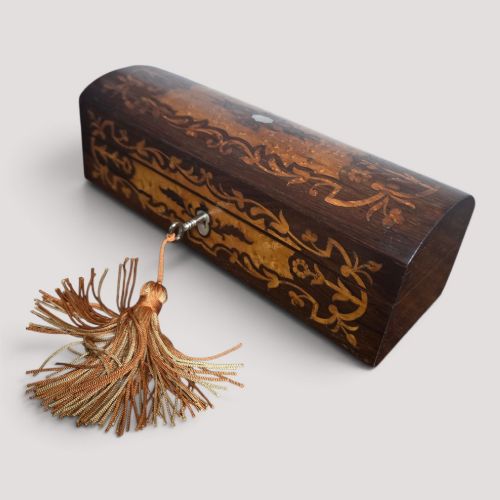
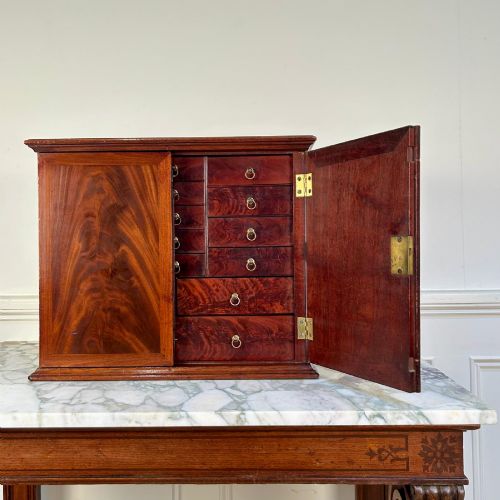
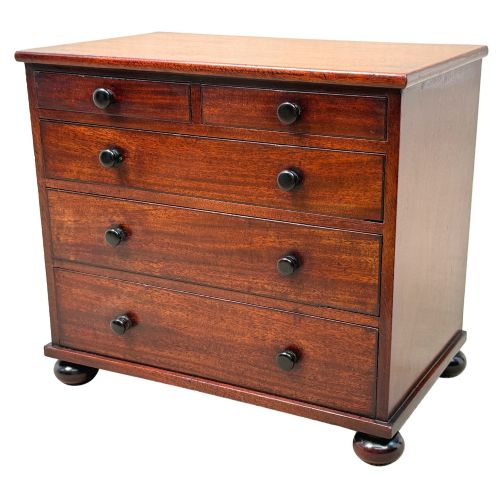
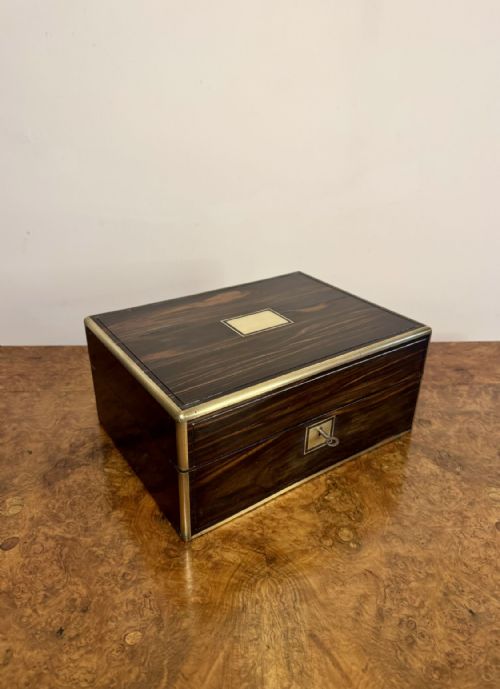
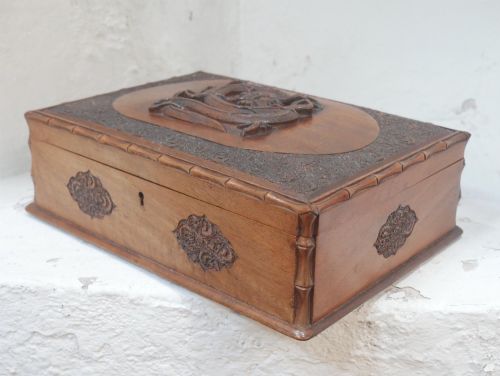
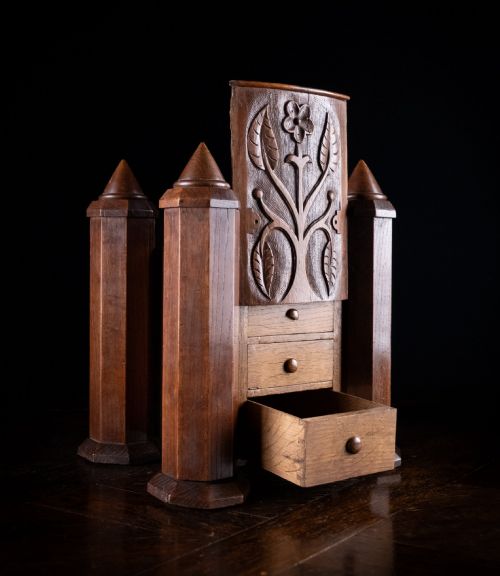
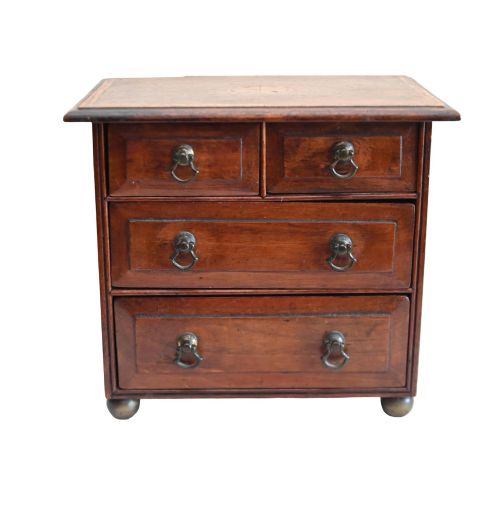
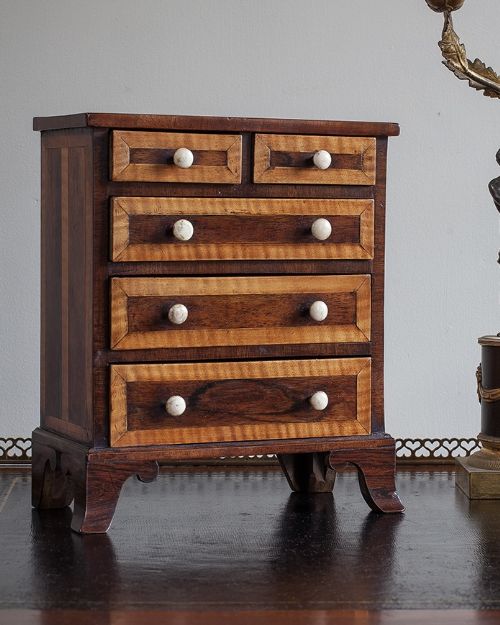
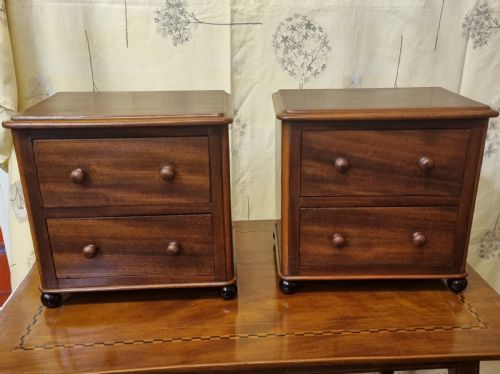
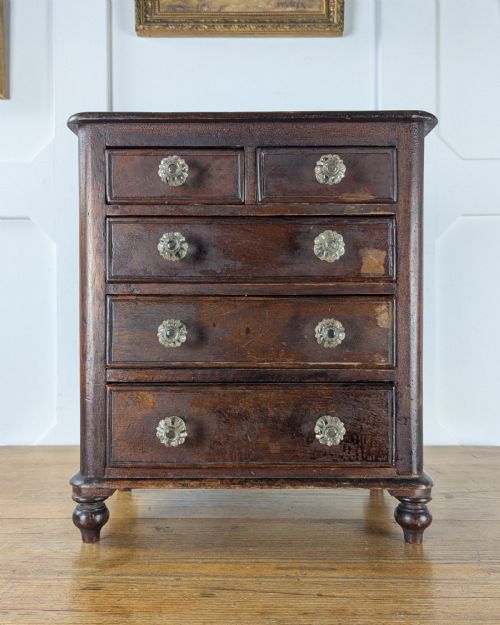
Buyers encounter many apprentice pieces and miniature chests of drawers designed to sit on tabletops, often fitted with small drawers and compartments. Formats range from rosewood jewellery boxes and collector cabinets to sandalwood caskets and oak table coffers.
Materials and construction
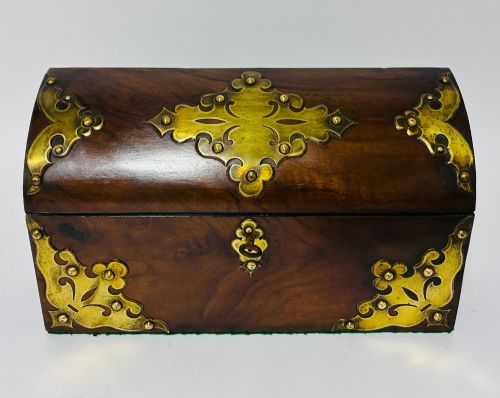
Cabinet-makers utilised dense hardwoods such as mahogany, walnut, rosewood, and oak, frequently enhancing surfaces with burr veneers and mother-of-pearl inlay. Structural integrity relied on traditional joinery methods suited to small-scale cabinetry.
Hardware played a functional role, incorporating brass handles, escutcheons, and complex steel locks. Interiors often featured fitted compartments, trays, and fabric linings designed to protect contents.
Antique Wooden Jewellery Chest Retail Price Guide 2026
Typical asking prices for wooden jewellery chest among the pieces listed under this phrase on Sellingantiques today, from the lower quarter to the upper quarter. They describe what is for sale here now, not the wider market.
Listings span from the seventeenth century to the twentieth century, featuring mahogany, walnut, rosewood, oak, and sandalwood.
Distinguishing characteristics
The refinement of the timber selection and the precision of the inlay set finer examples apart from utilitarian boxes. Burr walnut, rosewood, and burr maple surfaces demonstrate superior cabinet-making ambition.
Complexity in internal layout, such as tiered trays, secret drawers, and original operational locks, elevates the standing of a piece. The crispness of carved details on Anglo-Indian or Gothic Revival items similarly marks out superior skill.
The Antique Wooden Jewellery Chest Glossary
- Apprentice piece
- A small-scale item created by a trainee craftsman to demonstrate mastery of joinery and furniture construction before admittance to a guild.
- Casket
- A small decorative box or chest intended for holding valuables, precious items, or documents.
- Wellington chest
- A tall, slender cabinet featuring a locking stile that secures all the drawers simultaneously.
- Coffer
- A sturdy chest traditionally utilised for storage, built with heavy timber panels and often associated with early periods.
- Escutcheon
- A protective plate surrounding a keyhole, frequently cast in brass or inlaid with contrasting materials.
Antique Wooden Jewellery Chest: Frequently Asked Questions
What is an apprentice chest?
An apprentice chest is a small-scale model of a full-sized piece of furniture, made by a craftsman in training to prove his competence.
These items duplicate the joinery, proportions, and detailing of larger chests of drawers or mule chests on a portable tabletop scale.
How were these chests used?
Owners placed these compact chests on tables or dressing surfaces to store rings, necklaces, trinkets, and personal documents.
Many contained fitted trays and specialised compartments to keep delicate accessories organised and secure under lock and key.
How do I date a wooden chest?
Dating relies on identifying the primary timber, construction methods, hardware style, and prevailing design period.
Georgian and Victorian pieces display distinct aesthetic movements, from plain mahogany proportions to ornate rosewood and mother-of-pearl decoration.
What woods are most common?
Mahogany, walnut, and rosewood appear frequently across eighteenth and nineteenth-century examples.
Earlier pieces typically utilise oak, while specialised imported items incorporate sandalwood or exotic hardwoods.