

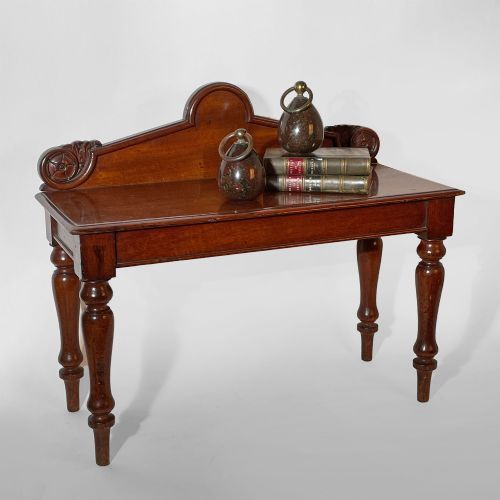
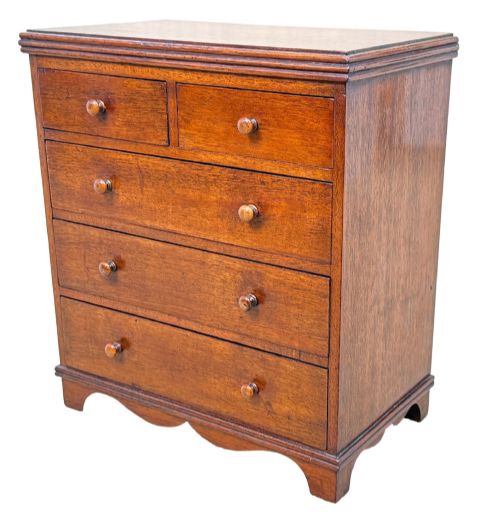
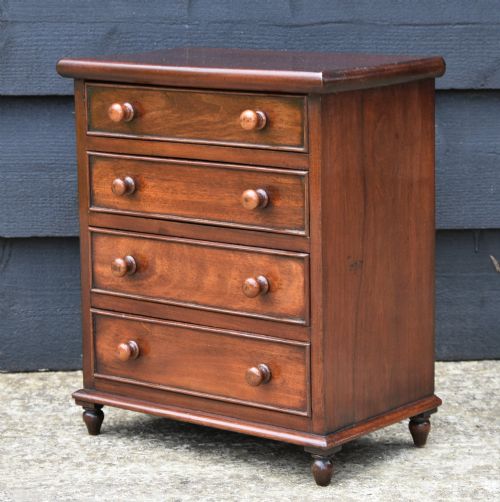
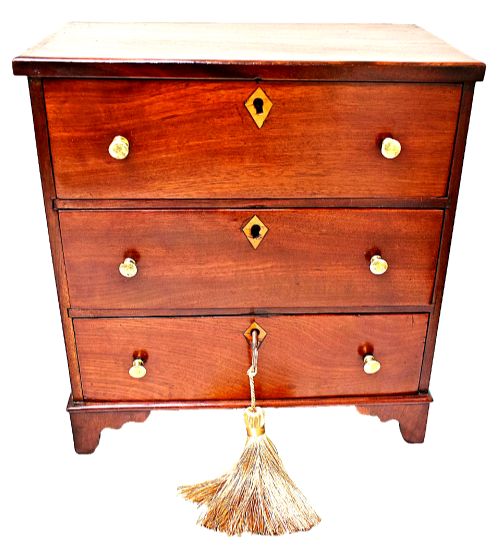




Georgian Miniature Furniture
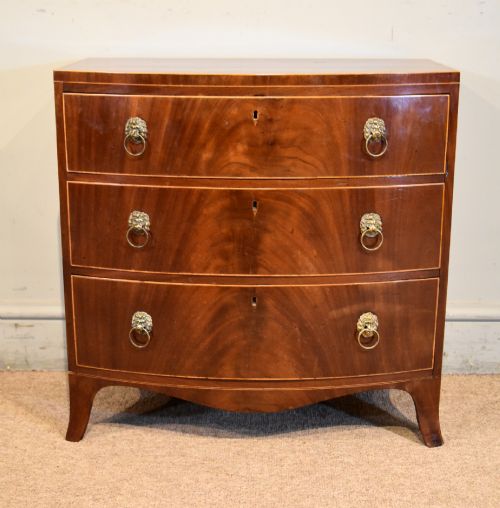
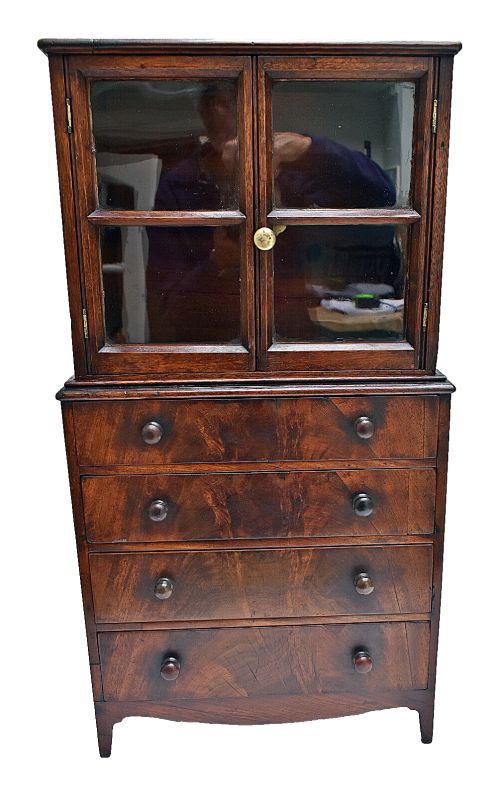
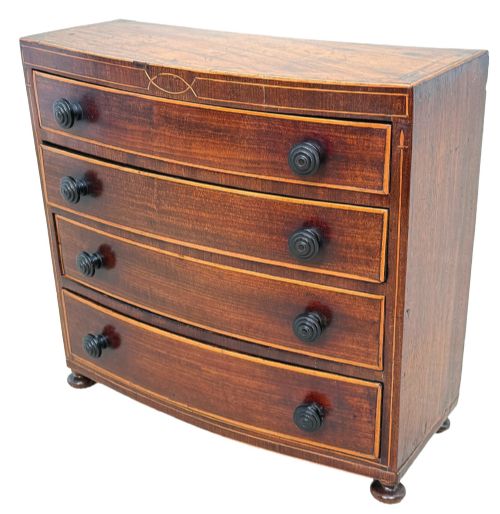
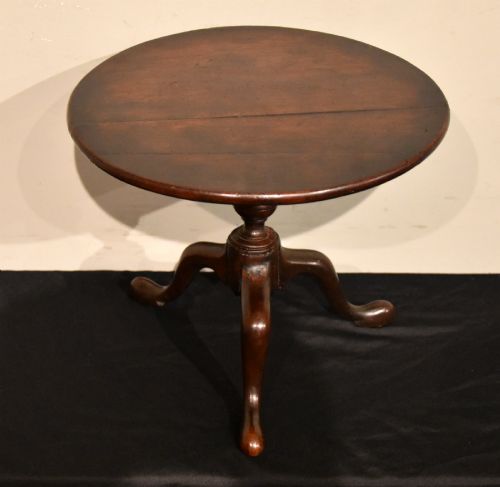
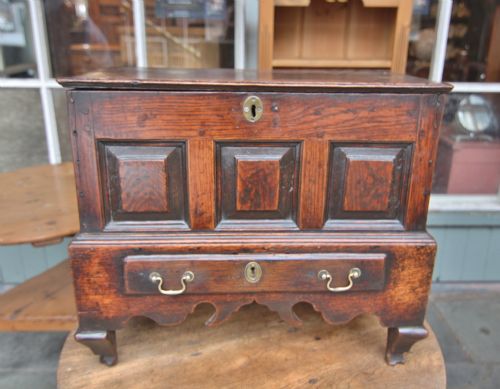
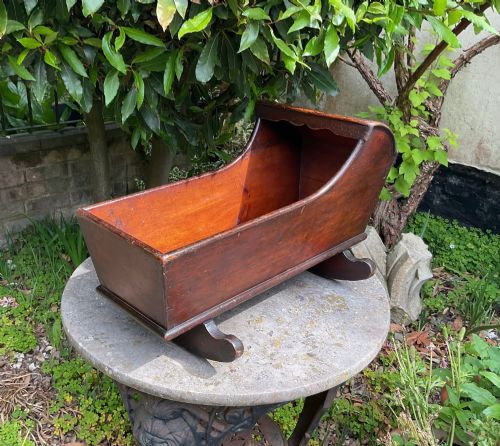
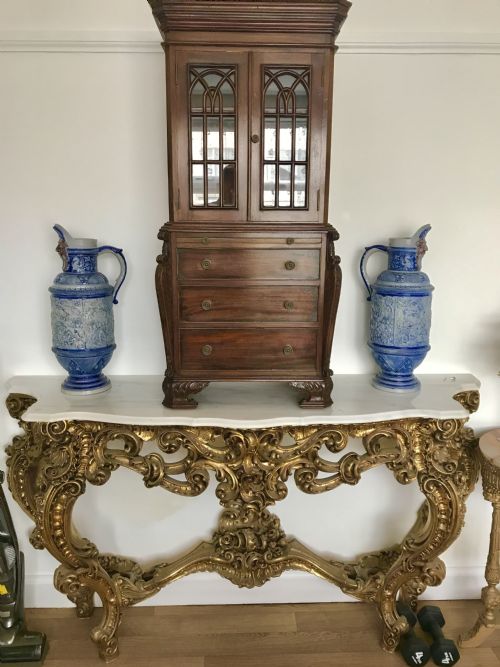
Georgian miniature furniture comprises small scale chests, tallboys and cabinets fashioned to test skills or display woodcraft.
Georgian Miniature Furniture
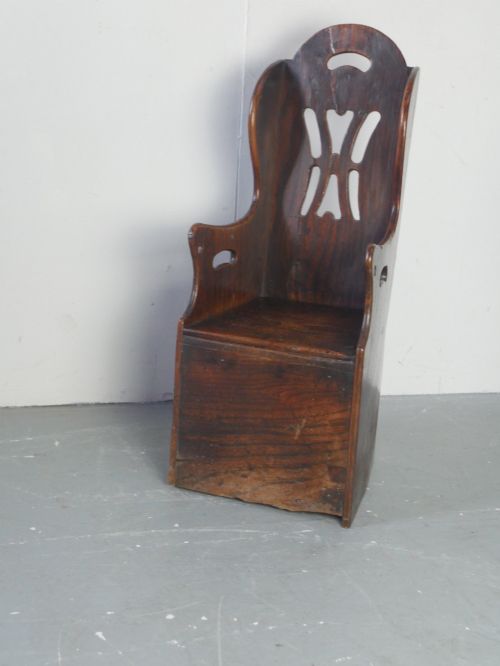
Georgian miniature furniture includes miniature chests of drawers, apprentice chests, tallboys, mule chests and cabinets found within this selection. These pieces date from the eighteenth century, the nineteenth century and the Regency period.
The objects take the form of miniature furniture, miniature chests of drawers, miniature chests, boxes and coffers. Pieces reflect Georgian, George II and Victorian styles, originating from English and Welsh workshops.
Materials and Construction
Makers construct these miniature pieces using timber such as mahogany, oak, rosewood, boxwood and pine. Metal elements in brass and iron appear across handles, escutcheons and fixings.
Joinery techniques unite native and exotic woods into small scale chests, cabinets and coffers. Grain direction and timber selection dictate the visual character of each miniature surface.
Georgian Miniature Furniture Retail Price Guide 2026
Typical asking prices for georgian miniature furniture among the pieces listed under this phrase on Sellingantiques today, from the lower quarter to the upper quarter. They describe what is for sale here now, not the wider market.
Current listings span the eighteenth century, nineteenth century and Regency period, utilising mahogany, oak, rosewood, boxwood, pine, brass and iron.
Judging Quality and Execution
Quality separates simple box construction from refined cabinet work through the precision of miniature dovetails, drawer linings and proportion. Superior examples employ choice veneers such as rosewood or figured mahogany alongside disciplined secondary woods like pine or oak.
Regional execution creates distinct character, as seen in Welsh oak tallboys compared to standard metropolitan mahogany chests of drawers. The handling of brass hardware and the crispness of mouldings determine the overall success of the piece.
The Georgian Miniature Furniture Glossary
- Apprentice piece
- An item made by a trainee craftsman to demonstrate mastery of joinery and furniture making before admission to a guild.
- Tallboy
- A tall chest of drawers consisting of a double chest stacked on a lower base section, scaled down for miniature display.
- Escutcheon
- A protective plate surrounding a keyhole, often cast in brass to complement the surrounding timber.
Georgian Miniature Furniture: Frequently Asked Questions
What is georgian miniature furniture?
These pieces are small scale chests, tallboys, cabinets and coffers produced during the eighteenth and nineteenth centuries.
Craftsmen created them as apprentice pieces, salesman samples or desktop items using mahogany, oak and rosewood.
How were apprentice pieces used?
Apprentice pieces served as test pieces to demonstrate competence in woodworking techniques before admission to trade guilds.
Their small size allowed journeymen to carry examples or display technical skill within a workshop.
Which woods appear most often?
Mahogany and oak form the foundation of most pieces in this category, accompanied by rosewood, boxwood and pine.
Brass and iron provide metalwork details such as drawer pulls and keyhole escutcheons.
How to date these pieces?
Dating relies upon timber choice, hardware styles and construction methods associated with the eighteenth century, Regency period or nineteenth century.
Regional variations, such as Welsh oak traditions, provide further clues to origin and period.