







Eighteenth Century Oak Chest
An eighteenth century oak chest brings honest timber and timeless utility into a room, offering robust storage built to last generations.
Eighteenth Century Oak Chest
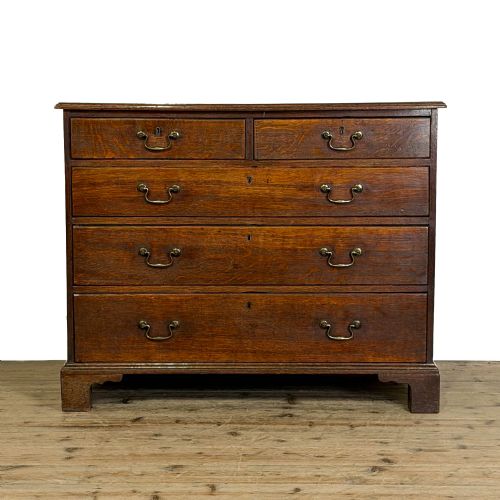
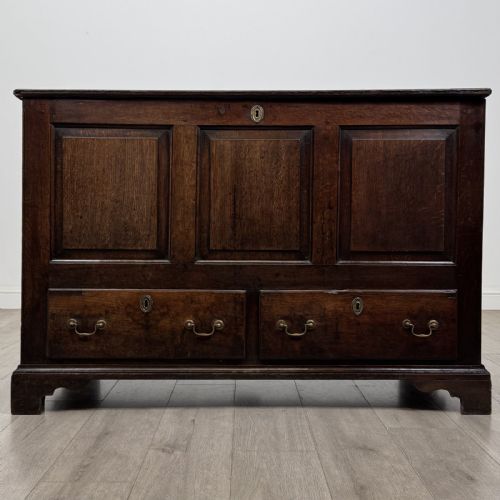
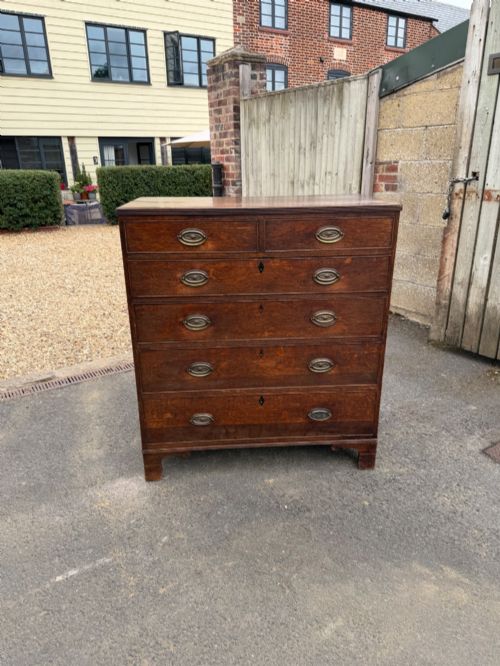
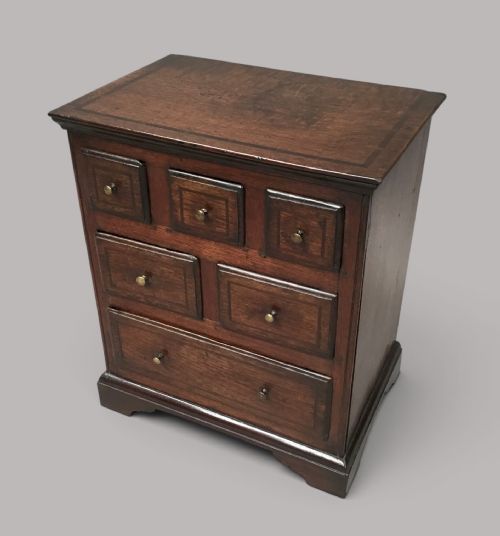
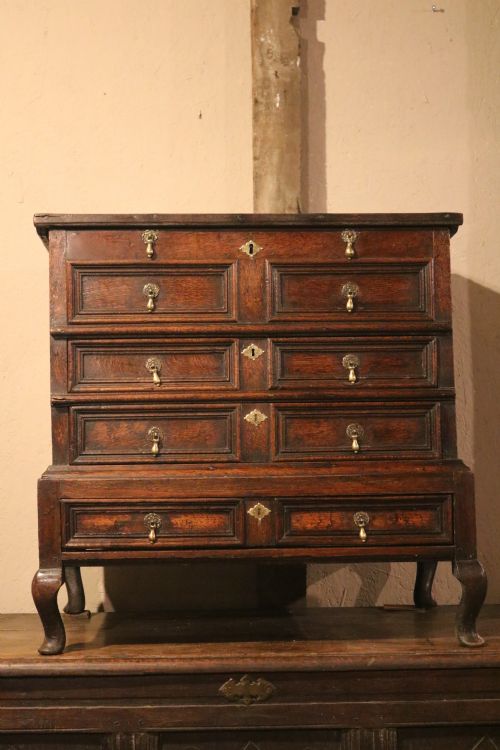
Full-sized examples include straight front chests of drawers, mule chests, and chests on stand or chest on chest configurations. Alongside these standard items appear smaller works, such as miniature chests of drawers and miniature oak boxes originating from regions like South Wales.
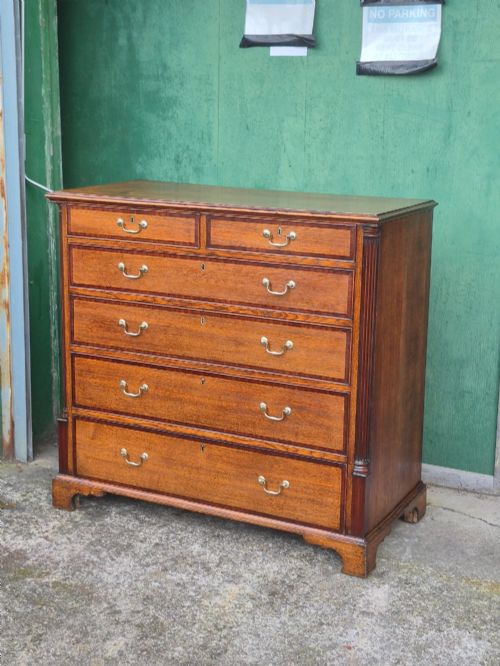
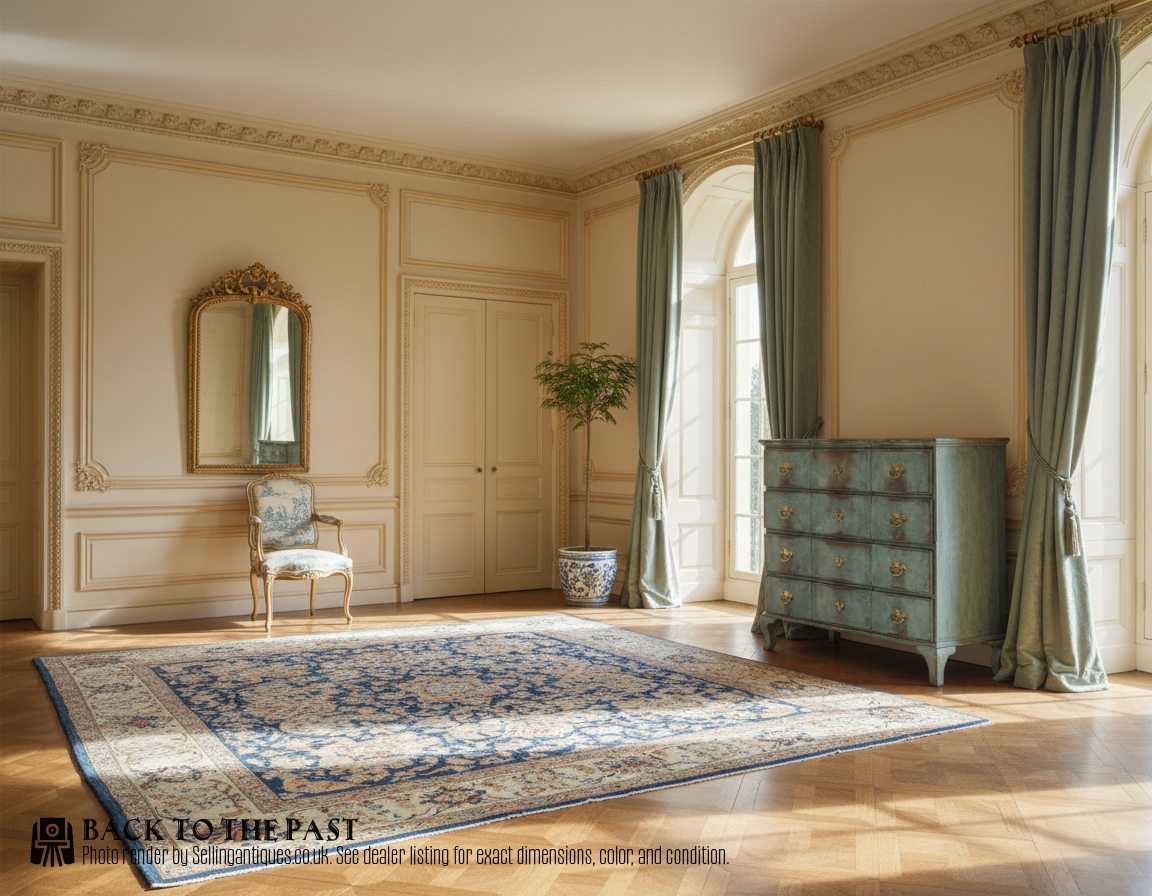
The styles represented in these pieces embrace the restrained lines of the Georgian era alongside the ornate flourishes of Scandinavian Baroque. Country house pieces demonstrate utilitarian strength, while cross-banded and line-inlaid specimens display more decorative ambition.
How they were made
The construction relies primarily upon solid oak, supplemented in specific iterations by secondary woods such as elm and mahogany for cross-banding and line inlay. Joinery techniques include traditional panelled construction for blanket chests and dovetailing for the assembly of drawers.
Surfaces receive varied treatments, shifting from plain waxed timber showing a golden oak patina to painted finishes found on Scandinavian Baroque items. Brass hardware, including swing handles and escutcheons, provides functional contrast to the dark or golden wood.
Miniature pieces and tallboys demonstrate the same cabinet-making standards as their full-sized counterparts, executed on a reduced scale with careful attention to proportions and drawer alignment.
Eighteenth Century Oak Chest Retail Price Guide 2026
Typical asking prices for eighteenth century oak chest among the pieces listed under this phrase on Sellingantiques today, from the lower quarter to the upper quarter. They describe what is for sale here now, not the wider market.
Cabinet-makers occasionally built miniature chests as apprentice masterpieces to prove their mastery before joining the guild.
What varies in quality
Quality in these pieces rests upon the selection of timber, the crispness of the joinery, and the integrity of the surface finish. Straight-grained oak boards and well-matched cross-banding elevate an item above simpler vernacular work.
The degree of decorative elaboration separates standard country house examples from finer urban or regional pieces, such as those featuring line inlay or carved panels. Proportions remain crucial, particularly in miniature furniture and tallboys where balance dictates visual success.
The Eighteenth Century Oak Chest Glossary
- Cross-banded
- A border technique where thin strips of veneer are laid across the grain of the primary wood to form a decorative frame around drawer fronts.
- Mule chest
- A storage chest featuring one or more bottom drawers beneath the main lift-lid compartment, combining the functions of a blanket box and a chest of drawers.
- Tallboy
- A tall chest of drawers consisting of one chest stacked upon another, maximising vertical storage capacity.
- Escutcheon
- A protective brass plate surrounding a keyhole, adding both structural reinforcement and decorative detail to the drawer or lid.
- Panelled construction
- A traditional method of joining wooden frames and floating panels to accommodate natural wood movement without splitting.
Eighteenth Century Oak Chest: Frequently Asked Questions
What is an eighteenth century oak chest?
An eighteenth century oak chest is a sturdy storage piece made predominantly from solid oak during the Georgian era. These items encompass blanket chests, mule chests, and multiple configurations of drawer chests.
They served essential domestic functions for storing clothing, linens, and valuables in homes ranging from country houses to urban dwellings. Their durable construction allowed them to survive centuries of daily use.
How do I identify a Georgian oak chest?
Identifying a Georgian oak chest involves examining the timber grain, construction methods, and hardware styles typical of the eighteenth century. Look for hand-cut dovetails on the drawer sides and traditional panelled assembly on larger bodies.
Regional variations and decorative elements like line inlay or brass escutcheons help narrow down the specific period and origin within the eighteenth century.
Where were these chests made?
These chests were produced across Britain and parts of Northern Europe during the eighteenth century. Regional workshops in areas such as Wales contributed distinct vernacular forms, including miniature tallboys and specialised boxes.
Scandinavian Baroque examples show continental design influences, utilising painted surfaces distinct from the golden oak finishes common in British country houses.
How should I care for an antique oak chest?
Caring for an antique oak chest requires maintaining stable indoor humidity levels away from direct heat sources and sunlight. Gentle dusting with a dry cloth keeps the surface clean without stripping the historic patina.
Occasional applications of traditional beeswax nourish the timber and preserve the rich colour developed over hundreds of years.